
Close Menu
    Facebook X (Twitter) Instagram
    SciTechDaily
    • Biology
    • Chemistry
    • Earth
    • Health
    • Physics
    • Science
    • Space
    • Technology
    Facebook X (Twitter) Pinterest YouTube RSS
    SciTechDaily
    Home»Science»Dinosaur Embryo Discovery Helps Crack Baby Tyrannosaur Mystery
    Science

    Dinosaur Embryo Discovery Helps Crack Baby Tyrannosaur Mystery

    By University of EdinburghJanuary 25, 20212 Comments3 Mins Read
    Facebook Twitter Pinterest Telegram LinkedIn WhatsApp Email Reddit
    Share
    Facebook Twitter LinkedIn Pinterest Telegram Email Reddit
    Baby Tyrannosaur
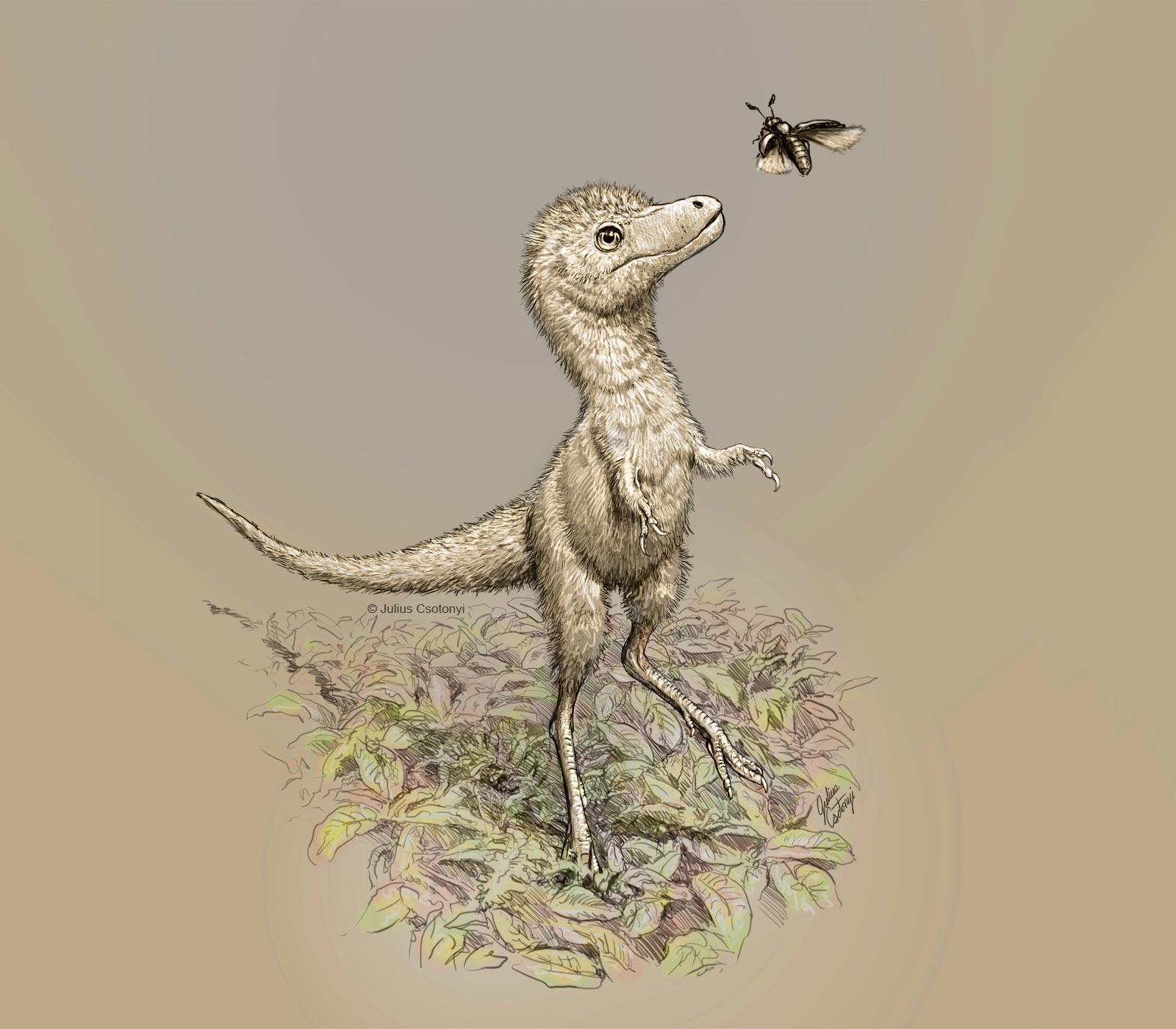
    Artist’s impression of a juvenile tyrannosaur. Credit: Julius Csotonyi

    They are among the largest predators ever to walk the Earth, but experts have discovered that some baby tyrannosaurs were only the size of a Border Collie dog when they took their first steps.

    The first-known fossils of tyrannosaur embryos have shed light on the early development of the colossal animals, which could grow to 40 feet in length and weigh eight tonnes.

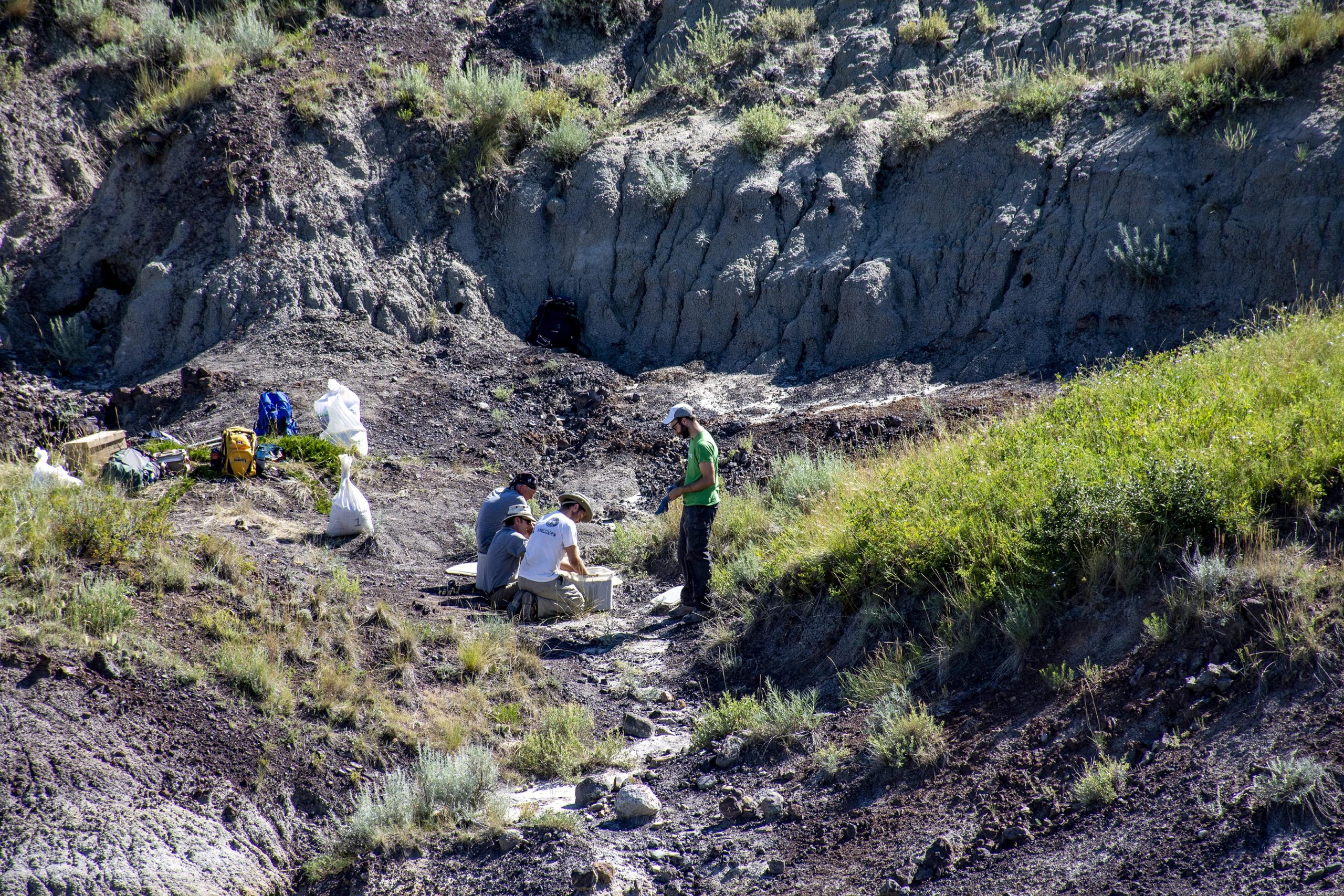
    A team of paleontologists, led by an Edinburgh researcher, made the discovery by examining the fossilized remains of a tiny jaw bone and claw unearthed in Canada and the US.

    Tyrannosaur Silhouette
    Silhouette imaging showing baby tyrannosaurs to scale. Credit: Greg Funston

    Baby Tyrannosaurs

    Producing 3D scans of the delicate fragments revealed that they belonged to baby tyrannosaurs – cousins of T. rex – which, based on the size of the fossils, were around three feet long when they hatched.

    The team’s findings suggest that tyrannosaur eggs – the remains of which have never been found – were around 17 inches long. This could aid efforts to recognize such eggs in the future and gain greater insights into the nesting habits of tyrannosaurs, researchers say.

    The analysis also revealed that the three-centimeter-long jaw bone possesses distinctive tyrannosaur features, including a pronounced chin, indicating that these physical traits were present before the animals hatched.
    Paleontologists Fieldwork
    Palaeontologists carrying out fieldwork. Credit: Greg Funston

    Vital Insights

    Little is known about the earliest developmental stages of tyrannosaurs – which lived more than 70 million years ago – despite being one of the most studied dinosaur families. Most tyrannosaur fossils previously studied have been of adult or older juvenile animals.

    These bones are the first window into the early lives of tyrannosaurs and they teach us about the size and appearance of baby tyrannosaurs. We now know that they would have been the largest hatchlings to ever emerge from eggs, and they would have looked remarkably like their parents—both good signs for finding more material in the future. Dr. Greg Funston, School of GeoSciences

    Reference: “Baby tyrannosaurid bones and teeth from the Late Cretaceous of western North America” by Authors: Gregory F. Funston [email protected], Mark J. Powers, S. Amber Whitebone, Stephen L. Brusatte, John B. Scannella, John R. Horner and Philip J. Currie, 25 January 2021, Canadian Journal of Earth Sciences.
    DOI: 10.1139/cjes-2020-0169

    The study, published in the Canadian Journal of Earth Sciences, was supported by the Royal Society, Natural Sciences and Engineering Research Council of Canada, and National Science Foundation. It also involved researchers from the Universities of Alberta and Calgary, Canada, and Montana State and Chapman Universities, US.

    Never miss a breakthrough: Join the SciTechDaily newsletter.
    Follow us on Google and Google News.

    Dinosaurs Evolution Paleontology Popular Tyrannosaurs University of Edinburgh
    Share. Facebook Twitter Pinterest LinkedIn Email Reddit

    Related Articles

    Landmark Study: Dinosaurs Were in Their Prime When Asteroid Hit Earth

    Brawn Before Brains: Mammals Bulked Up To Survive Post-Dinosaur World

    Newly Discovered Toothless, Two-Fingered Dinosaur’s Lost Digits Point to Spread of Parrot-Like Species

    Jurassic Park Got It Wrong: Research Indicates Raptors Didn’t Hunt in Packs

    New Dinosaur Discovered in New Mexico Is One of the Last Known Surviving Raptors

    50 Newly Identified Footprints Show Stegosaurs Left Their Mark on Scottish Isle of Skye

    One-of-a-Kind Dinosaur Specimen Discovered in China Offers View Into Dinosaur-Bird Evolution

    It Seems There Were Too Many Meat-Eating Dinosaurs – This May Be the Explanation

    Zhenyuanlong Suni – The Newly Discovered Feathered Cousin of the Velociraptor

    2 Comments

    1. Terre on January 25, 2021 10:36 pm

      I have a dinosaur embreo

      Reply
    2. John O'Grady on January 26, 2021 12:17 pm

      “Dinosaur Embryo Discovery Helps Crack Baby Tyrannosaur Mystery”
      They even had crack babies in prehistoric times? Oh my!

      Reply
    Leave A Reply Cancel Reply

    • Facebook
    • Twitter
    • Pinterest
    • YouTube

    Don't Miss a Discovery

    Subscribe for the Latest in Science & Tech!

    Trending News

    Two Drinks a Day May Be Riskier Than Many Americans Think

    A Lost Human Lineage May Have Left a Genetic Legacy in People Today

    Study Reveals a Surprising Link Between Birth Control Pills and Binge Eating

    NASA’s HiRISE Captures Perseverance Rover Completing a Marathon on Mars

    Ancient DNA Reveals the Hidden Origins of China’s Mysterious Shimao Civilization

    Scientists Discover a Surprising Link Between Sleep, Genes, and Alzheimer’s

    Popular Childhood Drinks Linked to Higher Blood Pressure Later in Life

    Scientists Just Challenged a 70-Year-Old Myth About the Human Brain

    Follow SciTechDaily
    • Facebook
    • Twitter
    • YouTube
    • Pinterest
    • Newsletter
    • RSS
    SciTech News
    • Biology News
    • Chemistry News
    • Earth News
    • Health News
    • Physics News
    • Science News
    • Space News
    • Technology News
    Recent Posts
    • The Propellantless Spacecraft Technologies That Could Help Us Reach the Stars
    • New Black Hole Theory Solves a 50-Year-Old Problem
    • China’s Tianwen-1 Captures Rare Close-Up Images of Interstellar Comet 3I/ATLAS
    • Second PSMA PET Scan Finds Hidden Prostate Cancer in 56% of Patients
    • Researchers Warn Rising CO₂ May Already Be Changing Human Blood Chemistry
    Copyright © 1998 - 2026 SciTechDaily. All Rights Reserved.
    • Science News
    • About
    • Contact
    • Editorial Board
    • Privacy Policy
    • Terms of Use

    Type above and press Enter to search. Press Esc to cancel.