
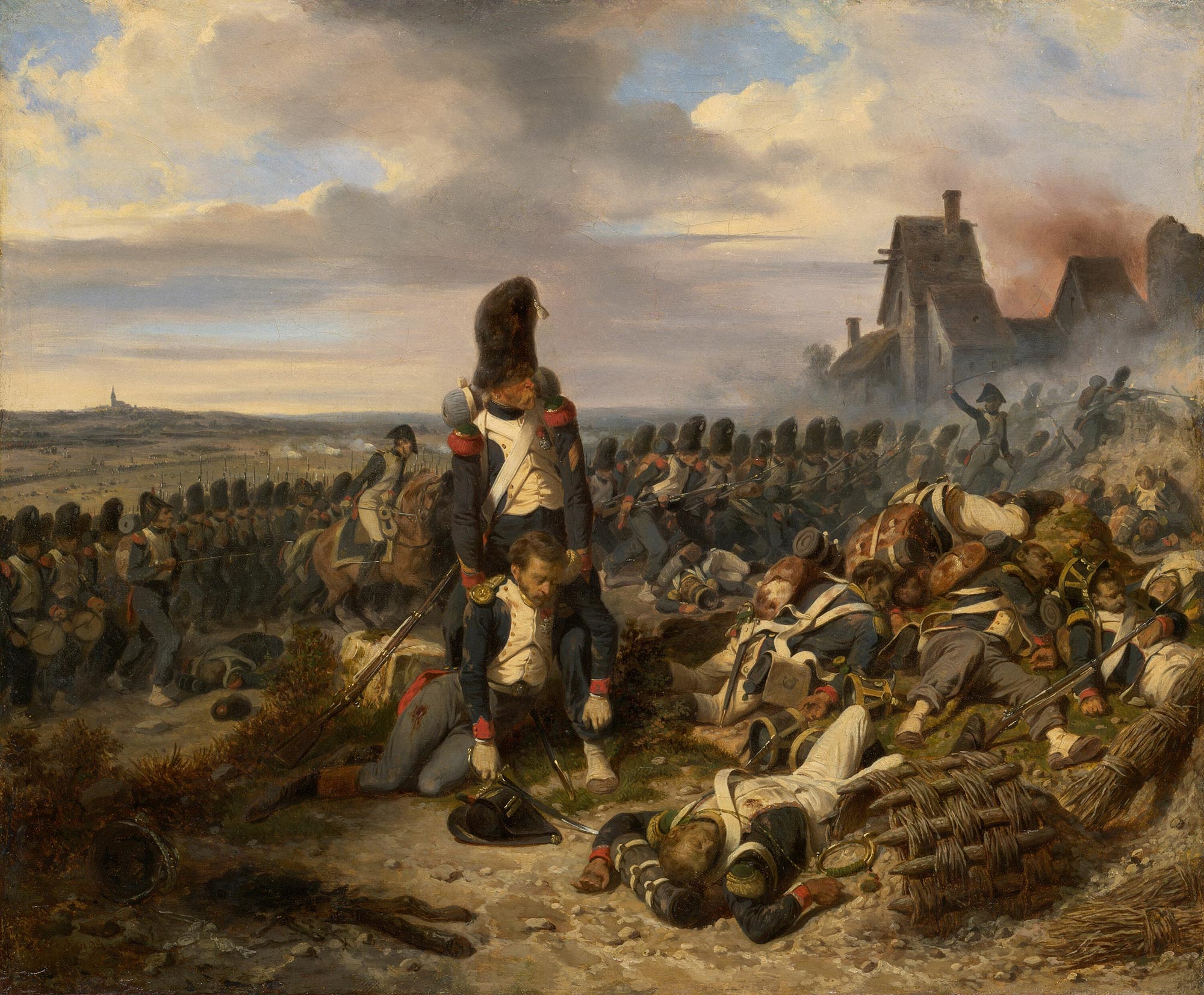
Researchers have uncovered genetic evidence of paratyphoid and relapsing fever among Napoleon’s soldiers who retreated from Russia in 1812.
Researchers at the Institut Pasteur have performed a genetic analysis of the remains of soldiers who took part in Napoleon’s retreat from Russia in 1812. Their investigation uncovered traces of two infectious agents responsible for paratyphoid fever and relapsing fever, both consistent with the symptoms described in historical records. The findings were recently published in the journal Current Biology.
Napoleon’s 1812 invasion of Russia, often referred to as the “Patriotic War of 1812,” ended in a disastrous withdrawal of the French army. To better understand the causes of the massive loss of life during this campaign, scientists from the Institut Pasteur’s Microbial Paleogenomics Unit partnered with the Laboratory of Biocultural Anthropology at Aix Marseille University. Their goal was to uncover which pathogens might have triggered the large-scale disease outbreaks that compounded the army’s suffering.
The research team examined the DNA of 13 soldiers from Napoleon’s forces whose remains were uncovered in Vilnius, Lithuania, during 2002 excavations led by the Aix-Marseille University archeo-anthropology team. Using next-generation sequencing methods designed for ancient DNA, the scientists searched for and identified genetic evidence of possible infectious diseases that affected the troops during the fateful retreat.
Evidence of Two Deadly Diseases
Their research identified the genetic signatures of two infectious agents: Salmonella enterica subsp. enterica (serovar Paratyphi C), responsible for paratyphoid fever, and Borrelia recurrentis, responsible for relapsing fever, a disease transmitted by lice and characterized by bouts of fever followed by periods of remission. Although these two diseases are different, they can result in similar symptoms such as high fever, fatigue and digestive problems, and their simultaneous presence may have contributed to the soldiers’ worsening state, especially as they were already weakened by cold, hunger and a lack of sanitation.
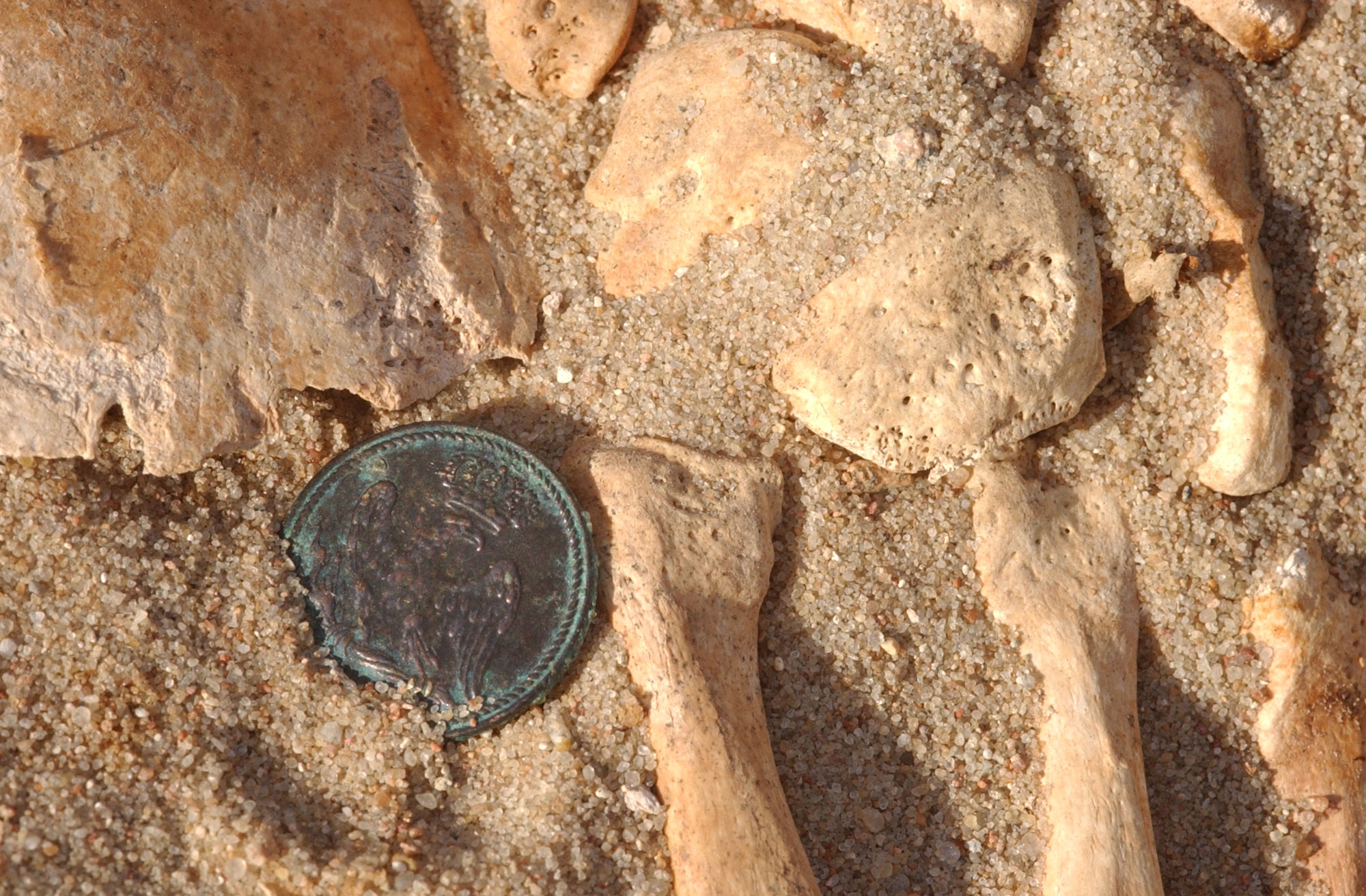
Of the 13 Napoleonic soldiers exhumed in Vilnius, the teeth of four tested positive for S. enterica Paratyphi C and two for B. recurrentis. This study provides the first genetic evidence of these two largely unsuspected infectious agents, although their precise role in the high number of deaths in the Grande Armée during its retreat from Russia is not known. Confirmation of the presence of these two bacteria comes after a previous study identified the typhus agent, Rickettsia prowazekii, and the trench fever agent, Bartonella quintana, pathogens long believed to be associated with the retreat based on historical accounts.
Given the low number of samples analyzed in comparison with the thousands of bodies found, it is impossible to determine the extent to which these pathogens contributed to the extremely high mortality observed. The scientists’ analysis was based on a limited number of samples (13 out of more than 3,000 bodies in Vilnius and some 500,000 to 600,000 soldiers in the military force, around 300,000 of whom died during the retreat).
Insights from Ancient DNA
“Accessing the genomic data of the pathogens that circulated in historical populations helps us to understand how infectious diseases evolved, spread, and disappeared over time, and to identify the social or environmental contexts that played a part in these developments. This information provides us with valuable insights to better understand and tackle infectious diseases today,” explains Nicolás Rascovan, Head of the Microbial Paleogenomics Unit at the Institut Pasteur and last author of the study.
To achieve these results, the team worked in collaboration with scientists from the University of Tartu in Estonia to develop an innovative authentication workflow involving several steps, including a phylogeny-driven interpretive approach for the highly degraded genome fragments recovered. This method enables scientists to accurately identify pathogens even if their DNA only yields low coverage, in some cases even indicating a specific lineage.
“In most ancient human remains, pathogen DNA is extremely fragmented and only present in very low quantities, which makes it very difficult to obtain whole genomes. So we need methods capable of unambiguously identifying infectious agents from these weak signals, and sometimes even pinpointing lineages, to explore the pathogenic diversity of the past,” he adds.
This new study reveals a correlation between historical descriptions of the diseases suffered by Napoleon’s army and the typical symptoms of paratyphoid and relapsing fever. It offers new evidence to support the theory that infectious diseases were one cause of the collapse of the 1812 campaign, alongside multiple other factors such as exhaustion, extreme cold, and harsh conditions.
The Russian campaign led by Napoleon in 1812 ultimately ended in military defeat, resulting in a devastating retreat of the French army. This enabled the Russian army to regain control of Moscow and dealt a huge blow to the Emperor’s strategy.
Reference: “Paratyphoid fever and relapsing fever in 1812 Napoleon’s devastated army” by Rémi Barbieri, Julien Fumey, Helja Kabral, Christiana Lyn Scheib, Michel Signoli, Caroline Costedoat and Nicolás Rascovan, 24 October 2025, Current Biology.
DOI: 10.1016/j.cub.2025.09.047
Funding: European Research Council, Agence Nationale de la Recherche
Never miss a breakthrough: Join the SciTechDaily newsletter.
Follow us on Google and Google News.