
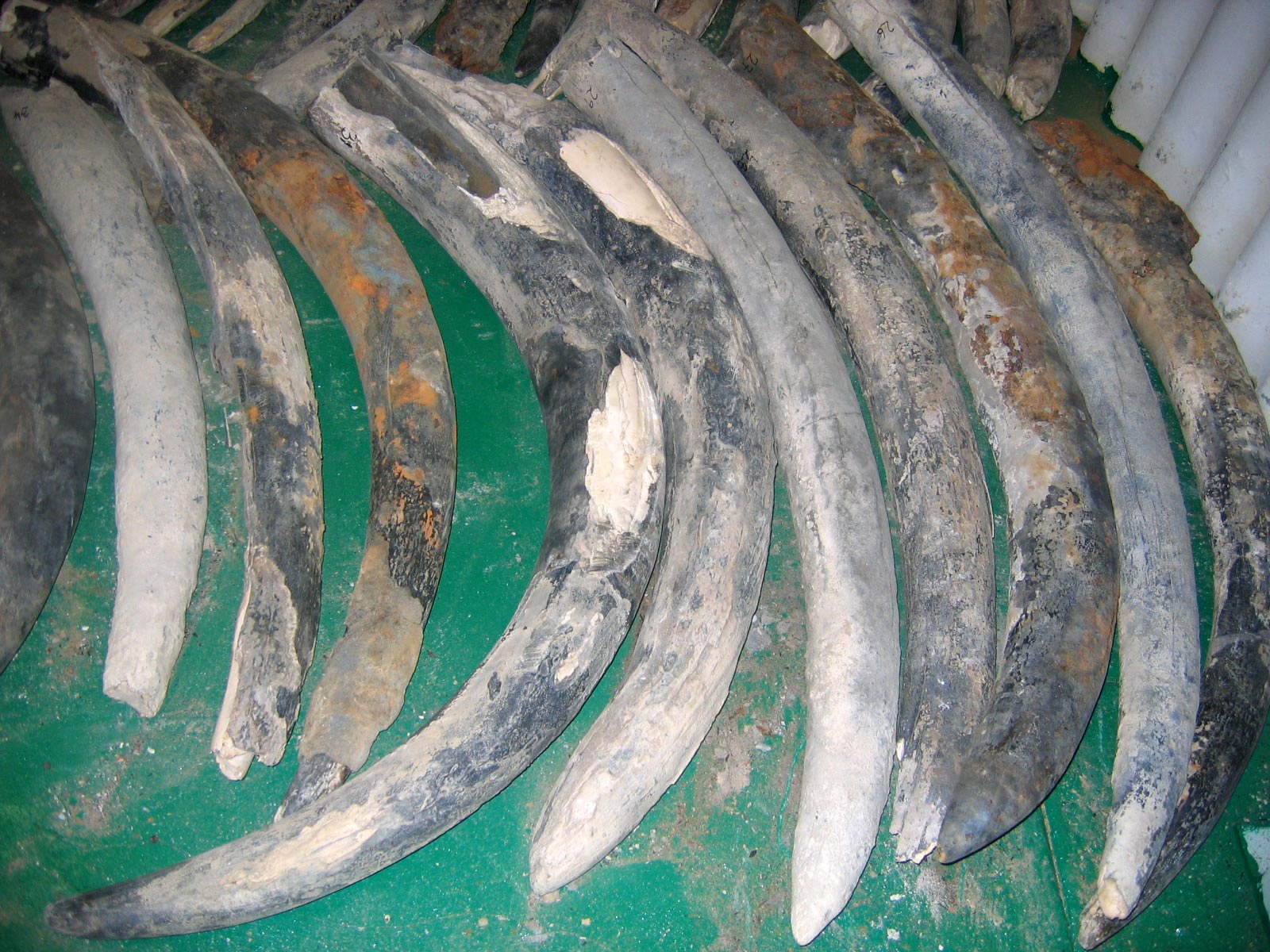
In 1533, the Bom Jesus — a Portuguese trading vessel carrying 40 tons of cargo including gold, silver, copper and more than 100 elephant tusks — sank off the coast of Africa near present-day Namibia. The wreck was found in 2008, and scientists say they now have determined the source of much of the ivory recovered from the ship.
Their study, reported in the journal Current Biology, used various techniques, including a genomic analysis of DNA extracted from the well-preserved tusks, to determine the species of elephants, their geographic origins and the types of landscapes they lived in before they were killed for their tusks.
The ivory had been stowed in a lower level of the Bom Jesus under a weighty cargo of copper and lead ingots, said Alida de Flamingh, a postdoctoral researcher at the University of Illinois Urbana-Champaign who led the study with U. of I. animal sciences professor Alfred Roca and anthropology professor Ripan Malhi.
“When the ship sank, the ingots compressed the tusks into the seabed, preventing a lot of physical erosion by sea currents that can lead to the destruction and scattering of shipwreck artifacts,” de Flamingh said. “There is also an extremely cold sea current in that region of coastal Namibia, which likely also helped preserve the DNA in the shipwrecked tusks.”
The team extracted DNA from 44 tusks.
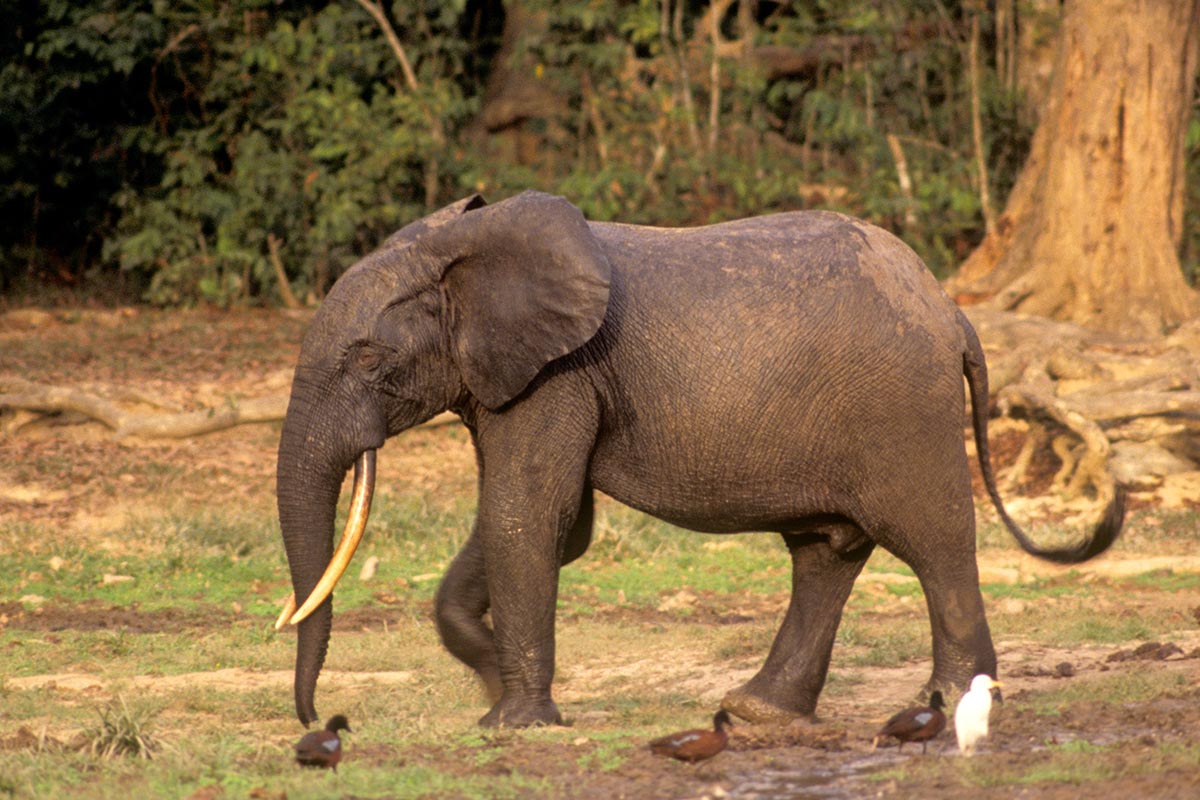
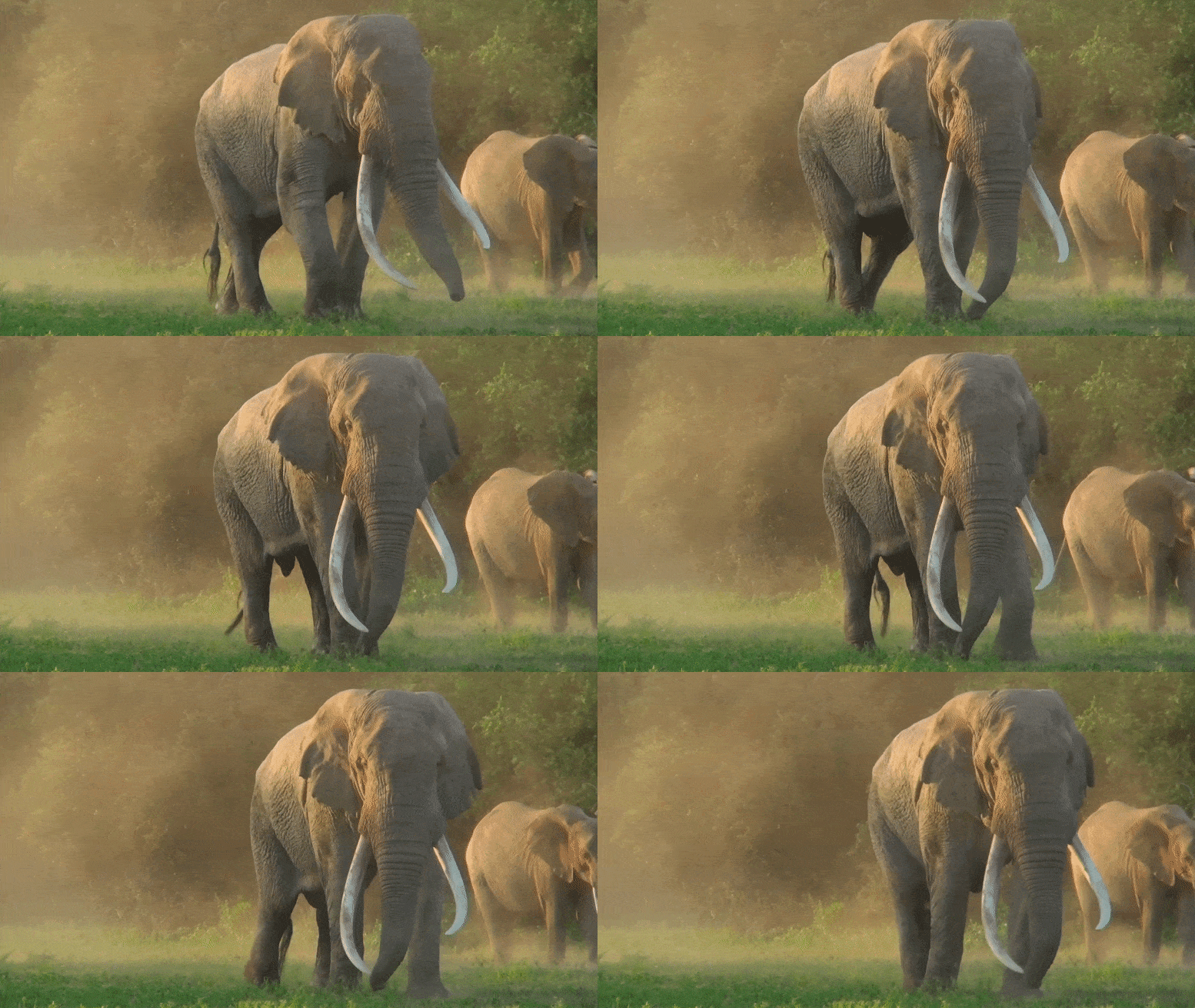
By analyzing genetic sequences known to differ between African forest and savanna elephants, the scientists determined that all of the tusks they analyzed belonged to forest elephants. A further examination of mitochondrial DNA, which is passed only from mothers to their offspring, offered a more precise geographic origin of the elephant tusks than is otherwise available.
“Elephants live in matriarchal family groups, and they tend to stay in the same geographic area throughout their lives,” de Flamingh said. “By comparing the shipwrecked ivory mitochondrial DNA with that from elephants with known origins across Africa, we were able to pinpoint specific regions and species of elephants whose tusks were found in the shipwreck.”
All 44 tusks were from elephants residing in West Africa. None originated in Central Africa.
“This is consistent with the establishment of Portuguese trading centers along the West African coast during this period of history,” de Flamingh said.
The team used DNA to trace the elephants to 17 family lineages, only four of which are known to persist in Africa.
“The other lineages disappeared because West Africa has lost more than 95% of its elephants in subsequent centuries due to hunting and habitat destruction,” Roca said.
The team is adding the new DNA sequences to the Loxodonta Localizer, an open-access tool developed at the U. of I. that allows users to compare mitochondrial DNA sequences collected from poached elephant tusks with those in an online database collected from elephants across the African continent.

To learn more about the environments the elephants inhabited, Oxford University Pitt Rivers Museum research fellow and study co-author Ashley Coutu analyzed the stable carbon and nitrogen isotopes of 97 tusks. The ratios of these isotopes differ depending on the types of plants the elephants consumed and the amount of rainfall in the environment.
That analysis revealed that the elephants lived in mixed habitats, switching from forested areas to savannas in different seasons, most likely in response to water availability.
“Our data help us to understand the ecology of the West African forest elephant in its historic landscape, which has relevance to modern wildlife conservation,” Coutu said.
“Our study analyzed the largest archaeological cargo of African ivory ever found,” de Flamingh said. “By combining complementary analytical approaches from multiple scientific fields, we were able to pinpoint the origin of the ivory with a resolution that is not possible using any single approach. The research provides a framework for examining the vast collections of historic and archaeological ivories in museums across the world.”
de Flamingh conducted the DNA analysis in the Malhi Molecular Anthropology Laboratory at the Carl R. Woese Institute for Genomic Biology at the U. of I. This project was a multi-institutional effort involving collaborators in Namibia, South Africa, the United Kingdom and the U.S.
Reference: “Sourcing Elephant Ivory from a Sixteenth-Century Portuguese Shipwreck” by Alida de Flamingh, Ashley Coutu, Judith Sealy, Shadreck Chirikure, Armanda D.S. Bastos, Nzila M. Libanda-Mubusisi, Ripan S. Malhi and Alfred L. Roca, 17 December 2020, Current Biology.
DOI: 10.1016/j.cub.2020.10.086
The U.S. Fish and Wildlife Service African Elephant Conservation Fund, U.S. Department of Agriculture, National Research Foundation of South Africa, Department of Science and Technology of South Africa, and Claude Leon Foundation supported this research.
Never miss a breakthrough: Join the SciTechDaily newsletter.
Follow us on Google and Google News.