

Researchers have developed a new system called the Index of Cannabis Equivalence (ICE) to help standardize cannabis dosing across different methods of consumption.
Much like the “standard drink” for alcohol, ICE aims to provide clear, user-informed guidelines that consider the psychoactive effects of various cannabis products.
Standardizing Cannabis Doses
Researchers at UBC Okanagan, Dr. Zach Walsh and Dr. Michelle St. Pierre, have developed the Index of Cannabis Equivalence (ICE), a new tool designed to standardize cannabis dosing across different methods of consumption.
Published in the Journal of Psychoactive Drugs, the study marks an important step toward creating cannabis dosing guidelines similar to the “standard drink” used for alcohol.
The Challenge of Different Consumption Methods
“Different cannabis consumption methods can produce varied psychoactive effects, which makes it difficult to establish comparable doses across products,” explains Dr. St. Pierre, a member of the Therapeutic, Recreational and Problematic Substance Use Lab.
“The ICE addresses this challenge by providing user-informed equivalencies grounded in psychoactive effects, offering a practical framework to help individuals make informed decisions and better manage their cannabis use.”
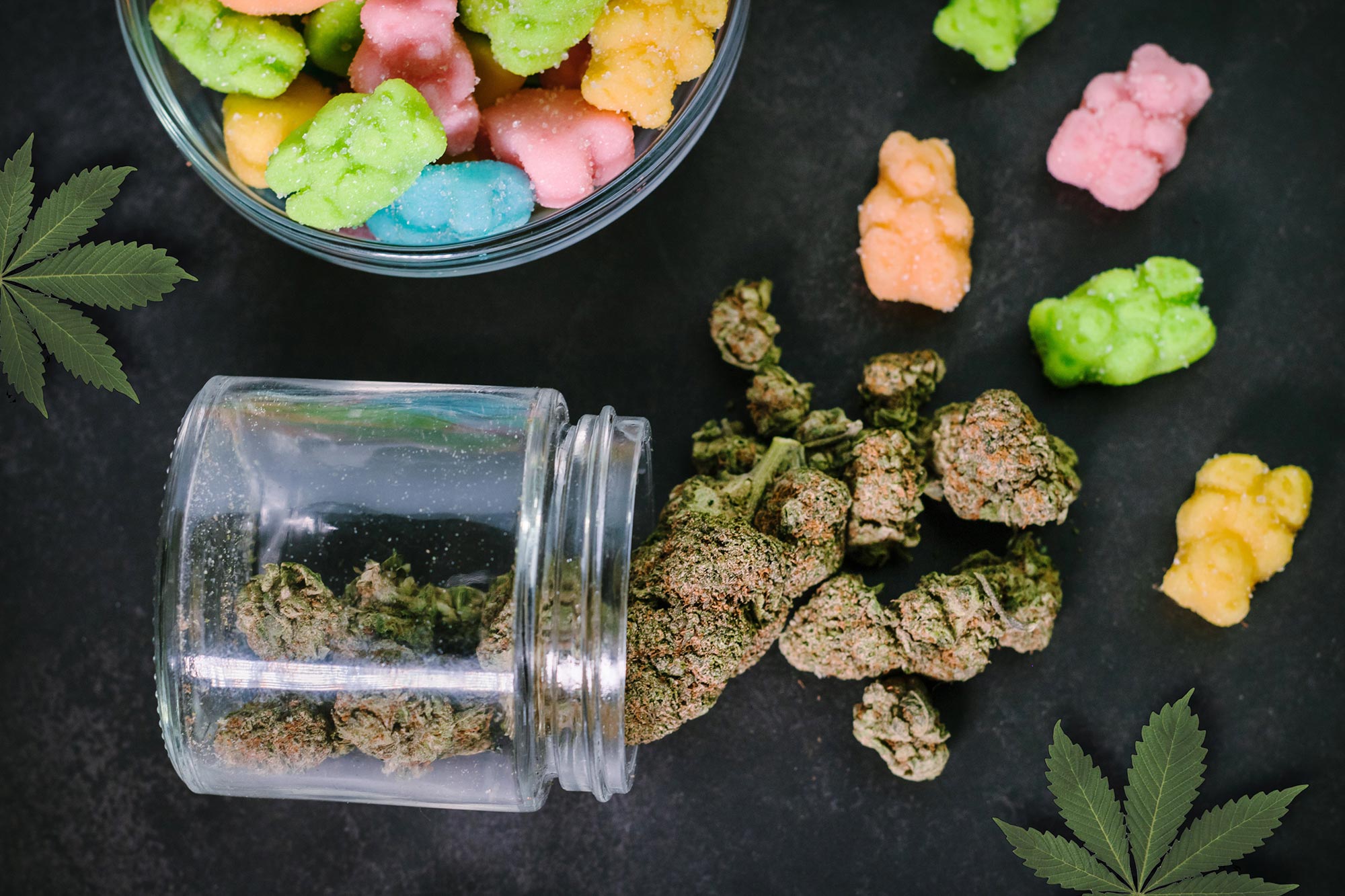
A User-Informed Approach
The ICE proposes equivalencies for “low-dose” cannabis consumption based on user-reported experiences. An analysis of data from more than 1,300 participants aged 18 to 93 revealed these low-dose equivalents:
- Two puffs from a joint, pipe, or vaporizer.
- One 5 mg THC edible.
- A quarter dab of concentrate.
- One bong hit.
Prioritizing Safety and Accessibility
These equivalencies are based on data from individuals with low tolerance for cannabis, ensuring the guidelines prioritize safety and accessibility, particularly for new or infrequent users.
“By creating practical and user-centered guidelines, the ICE can support harm reduction, public health initiatives and consumer education while improving consistency in research and policy,” says Dr. Walsh of UBCO’s Department of Psychology.
Reference: “The Index of Cannabis Equivalence (ICE): A User-Centered Approach to Standardization of Cannabis Dose–Response” by Michelle St. Pierre PhD, Stacey Squires BA, Sarah Daniels PhD, Tatiana Sanchez MA and Zach Walsh PhD, 9 January 2025, Journal of Psychoactive Drugs.
DOI: 10.1080/02791072.2025.2449932
Never miss a breakthrough: Join the SciTechDaily newsletter.
Follow us on Google and Google News.
2 Comments
so whose bong hit size did they determine to be the correct size.
each person has their own “hit size”
try my bong hit…rquals about 6 normal, some people can barely inhale any smoke.
worthless paper.
you can not deduce size of bong hits, what about rips, known as smaller hits.
you have a bunch of dunbazz persons who don’t indulge trying to make rules on weed
give it up, only potheads can determine this.
You hit the nail, square. Weed, coke, alcohol… everybody develops their own level of tolerance.