
Close Menu
    Facebook X (Twitter) Instagram
    SciTechDaily
    • Biology
    • Chemistry
    • Earth
    • Health
    • Physics
    • Science
    • Space
    • Technology
    Facebook X (Twitter) Pinterest YouTube RSS
    SciTechDaily
    Home»Science»Do You Think You’re More Environmentally Friendly Than Others? Most People Do.
    Science

    Do You Think You’re More Environmentally Friendly Than Others? Most People Do.

    By University of GothenburgJanuary 21, 2020No Comments3 Mins Read
    Facebook Twitter Pinterest Telegram LinkedIn WhatsApp Email Reddit
    Share
    Facebook Twitter LinkedIn Pinterest Telegram Email Reddit
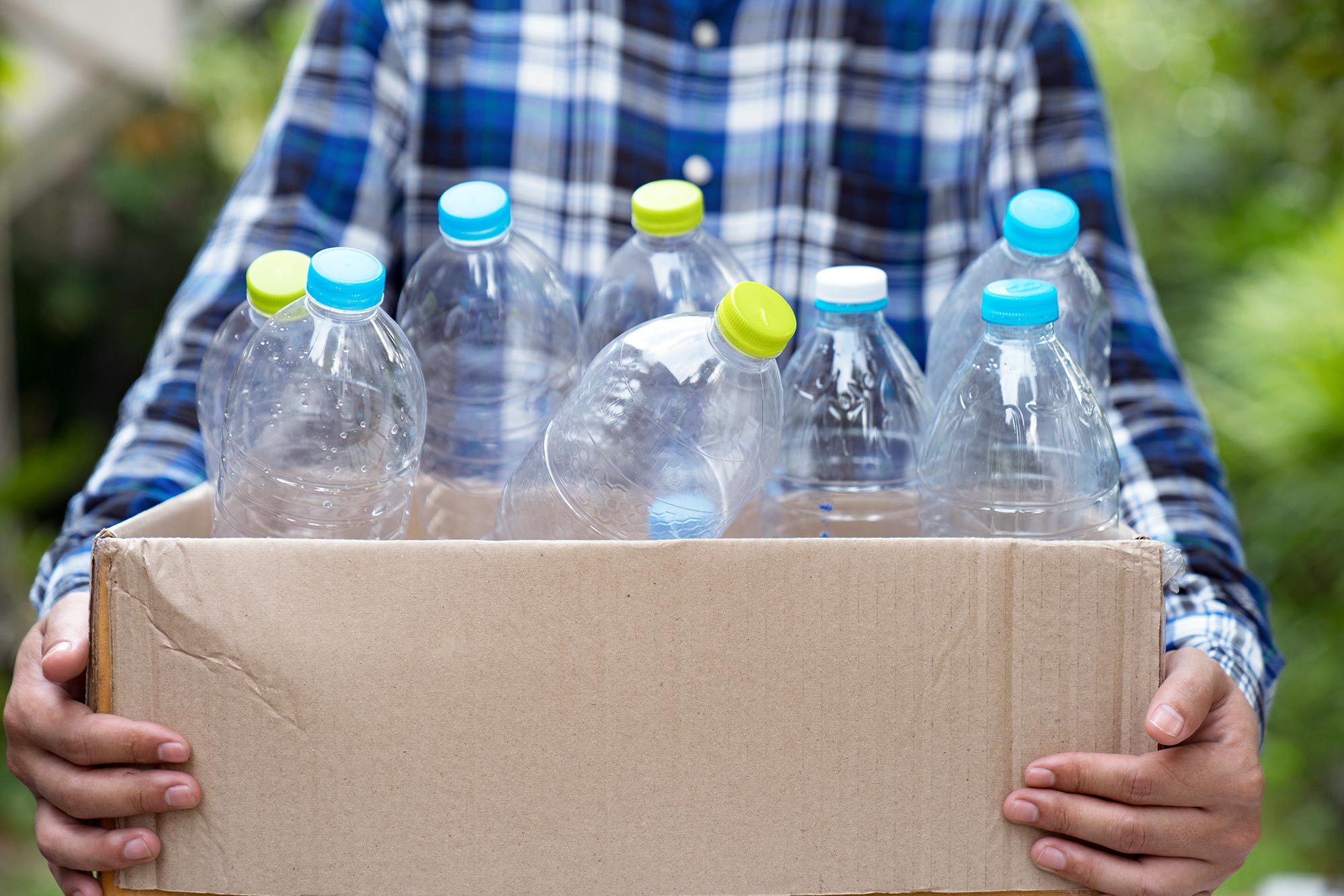
    Recycling Plastic Bottles
    The majority consider themselves more environmentally friendly than others.

    Research from the University of Gothenburg shows that we tend to overestimate our personal environmental engagement. In a study with participants from Sweden, the United States, England, and India, most participants were convinced that they acted more environmentally friendly than the average person.

    In the study, over 4,000 people responded to how much, and how often, they perform environmentally-friendly activities compared to others. For example, buying eco-labeled products, saving household energy, and reducing purchases of plastic bags.

    It turned out that the majority of the participants rated themselves as more environmentally friendly than others. Both in comparison to unknown people, and to their friends.

    “The results point out our tendency to overestimate our own abilities, which is in line with previous studies where most people consider themselves to be more honest, more creative, and better drivers than others. This study shows that over-optimism, or the “better-than-average” effect, also applies to environmentally friendly behaviors,” says environmental psychology researcher Magnus Bergquist.

    Magnus Bergquist
    Magnus Bergquist. “The results point out our tendency to overestimate our own abilities, which is in line with previous studies where most people consider themselves to be more honest, more creative, and better drivers than others.” says environmental psychology researcher Magnus Bergquist.
    Credit: Johan Wingborg

    After analyzing data from different types of environmentally friendly activities, results revealed that the participants were more likely to overestimate their engagement in activities they perform often. Many seemed to draw the faulty conclusion that the activities they perform often, they also perform more often than others.

    A consequence of thinking that you are more environmentally friendly than others, is that it can reduce the motivation to act environmentally friendly in the future. The study also showed that when we think we are more environmentally friendly than others, we actually tend to become somewhat less environmentally friendly.

    According to Magnus Bergquist, one way of reducing the risk of over-optimism standing in our way for a real environmental commitment, may be trying to have a more realistic view of our own environmental efforts.

    “If you think about it logically, the majority cannot be more environmentally friendly than others. One way to change this faulty opinion, is to inform people that others actually behave environmentally friendly, and thereby creating an environmentally friendly norm. Social norms affect us also in this area, we know this from previous studies,” says Magnus Bergquist.

    Reference: “Most People Think They Are More Pro-Environmental than Others: A Demonstration of the Better-than-Average Effect in Perceived Pro-Environmental Behavioral Engagement”  by Magnus Bergquist, 21 November 2019, Basic and Applied Social Psychology.
    DOI: 10.1080/01973533.2019.1689364

    Never miss a breakthrough: Join the SciTechDaily newsletter.
    Follow us on Google and Google News.

    Behavioral Science Environment University of Gothenburg
    Share. Facebook Twitter Pinterest LinkedIn Email Reddit

    Related Articles

    Biodegradable but Dangerous: The Hidden Environmental Hazards of Sugar Cane Plastic

    To Mask or Not to Mask: Confusion Over Masks for Wildfire, COVID-19 Crises

    Freelancers Workers Are Generally Happier Than Permanent Employees

    Groundwater Susceptible to Radium Contamination

    Researchers Use Psychological Model of Human Patterns to Increase Computer IQ Score

    Russians Celebrate Drilling into Lake Vostok, Biggest Antarctic Subglacial Lake

    Coal-Tar-Based Sealants Emitting PAHs at Rates Possibly Greater Than Auto Emissions

    The Less Birds Know, The Better

    Da Vinci’s Last Supper Threatened By Air Pollution

    Leave A Reply Cancel Reply

    • Facebook
    • Twitter
    • Pinterest
    • YouTube

    Don't Miss a Discovery

    Subscribe for the Latest in Science & Tech!

    Trending News

    What Causes Chronic Pain? Scientists Identify Key Culprit in the Brain

    Semaglutide Shows Surprising Mental Health Benefits in Massive 100,000-Person Study

    This Liquid Snapped Instead of Flowing and Scientists Were Shocked

    Breakthrough Alzheimer’s Drug Rewires the Brain Instead of Just Clearing Plaques

    Scientists Discover Hidden “Footprint of Death” That Could Transform How We Fight Disease

    A Simple Nose Swab Could Detect Alzheimer’s Years Before Symptoms Appear

    Scientists Just Rewrote the Timeline of Complex Life on Earth

    Teenager’s Fossil Find Leads to Discovery of Shark Teeth in 5 Million-Year-Old Whale Skull

    Follow SciTechDaily
    • Facebook
    • Twitter
    • YouTube
    • Pinterest
    • Newsletter
    • RSS
    SciTech News
    • Biology News
    • Chemistry News
    • Earth News
    • Health News
    • Physics News
    • Science News
    • Space News
    • Technology News
    Recent Posts
    • Even “Failed” Diets May Deliver Long-Term Health Gains, Study Finds
    • Childhood Junk Food May Rewire the Brain for Life
    • NIH Scientists Discover Powerful New Opioid That Relieves Pain Without Dangerous Side Effects
    • Breakthrough Study Reveals Why Damaged Nerves Struggle To Heal
    • 20-Year Study Reveals Cholera’s Surprising Weakness
    Copyright © 1998 - 2026 SciTechDaily. All Rights Reserved.
    • Science News
    • About
    • Contact
    • Editorial Board
    • Privacy Policy
    • Terms of Use

    Type above and press Enter to search. Press Esc to cancel.