
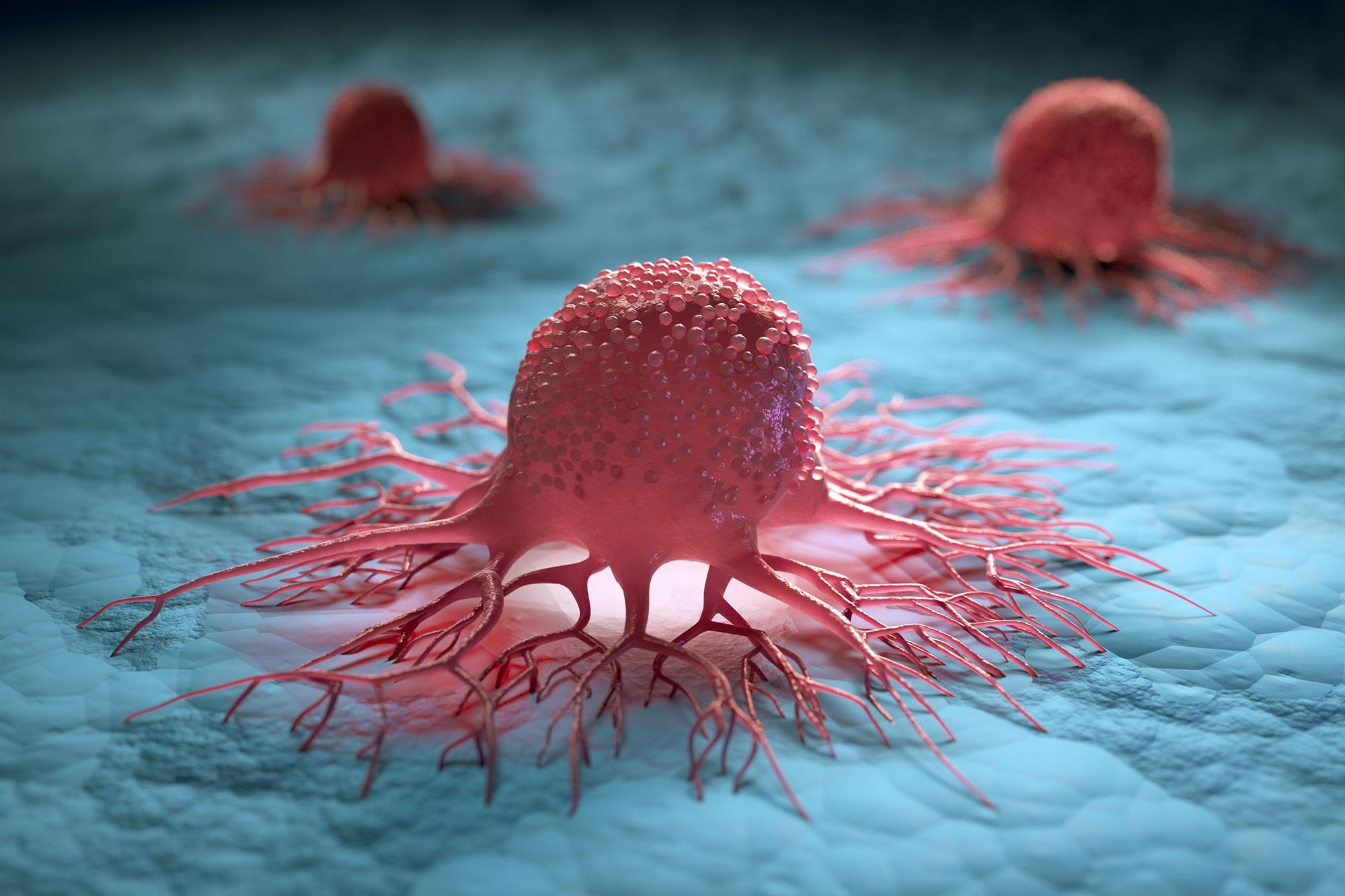
Cancer is now the top cause of death in the US, with key epigenetic traits providing new avenues for diagnosis and treatment.
Cancer has recently overtaken cardiovascular disease as the leading cause of death for the first time, with one in two men and one in three women in the U.S. projected to be diagnosed with some form of the disease, according to the NIH.
Cancer is a highly complex condition characterized by numerous cellular and molecular changes that drive its initiation and progression. Over the past decade, researchers have worked to streamline cancer research by establishing a unified framework. The result of this effort is the identification of the 14 Hallmarks of Cancer – a common set of abnormalities found across all tumors.
Hallmarks of Cancer and the Role of Epigenetics
Among these Hallmarks are the generation of metastases, the exacerbated growth of cells, or the inability to die of the transformed cells. It was believed that these properties were largely due to genetic causes (i.e. mutations), but genetics cannot fully explain the changing and evolutionary nature of human tumors nor their ability to acquire the rapid resistance to therapy. There had to be some other mechanisms involved and the epigenetic control of genetic information seemed a good candidate.
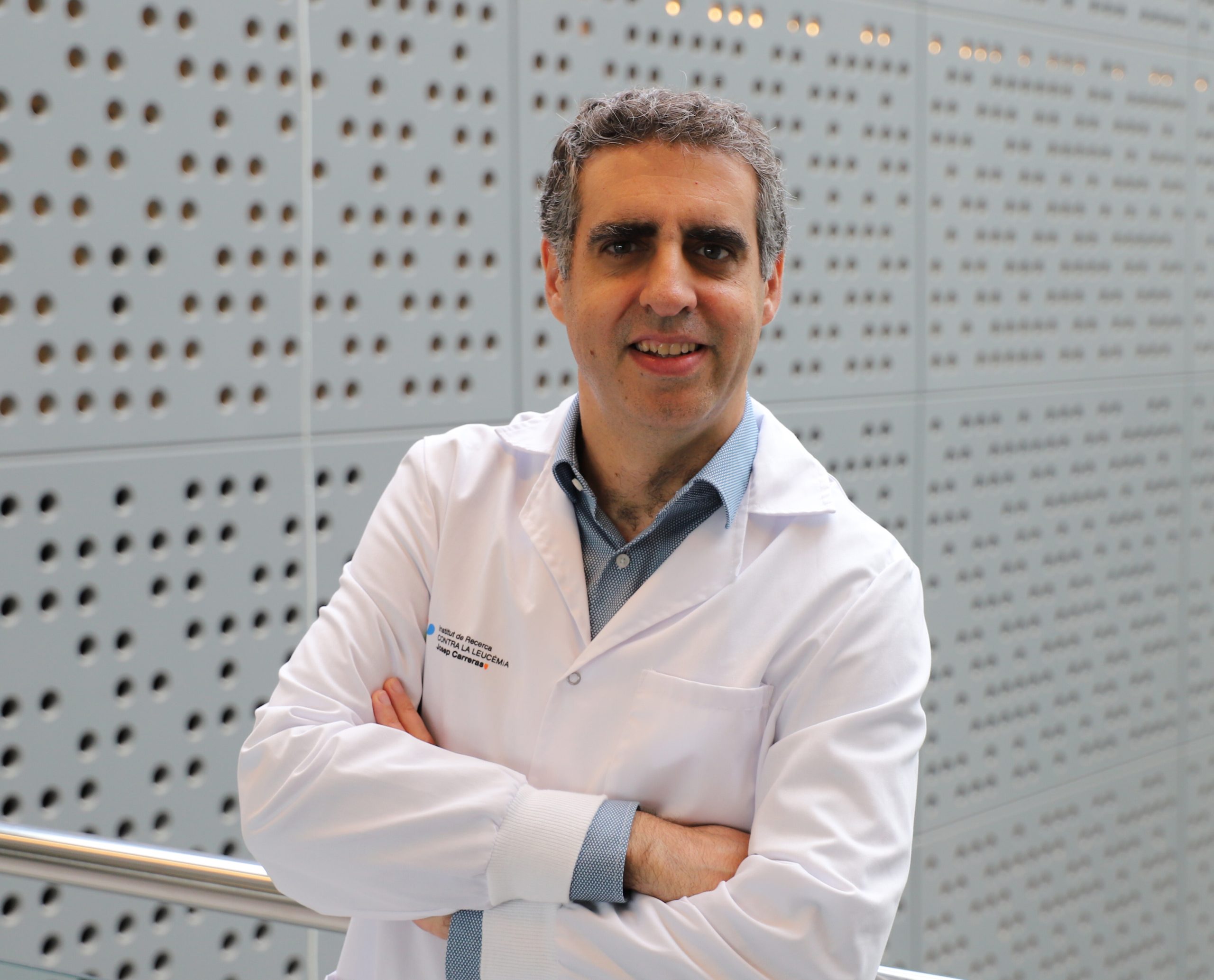
An article recently published in the journal Cancer Discovery, the publication with most impact of the American Association for Cancer Research (AACR) and led by Dr. Manel Esteller, ICREA Research Professor at the Josep Carreras Leukaemia Research Institute and Chairman of Genetics at the School of Medicine of the University of Barcelona, describes the epigenetic properties that allow the definition of tumors and confer them their incredible ability to adapt and survive in a hostile microenvironment, preventing the death of cancer cells.
“After more than 25 years of studying chemical modifications of DNA and its regulatory proteins, we now have a clearer vision of the epigenetic alterations that most human tumors share”, comments Dr. Esteller, and continues “In this article, well-known expert researchers in this field with my coordination have decided to launch these six properties that characterize the epigenetic alterations of tumors in order to improve the diagnosis and prognosis of the disease, as well as its treatment”.

The Six Epigenetic Hallmarks of Cancer
According to the expert team, the six epigenetic hallmarks of transformed cells are:
- Loss of activity of anti-cancer genes due to excessive DNA methylation.
- Epigenetic reactivation of ancient viral sequences integrated into our genome.
- Distortion of the modifications of histone proteins that control gene expression.
- Remodeling of the three-dimensional structure of the cell nucleus.
- Epigenetic instability that allows cancer to evolve.
- A “love-hate” relationship with the genetic alterations of cancer, where both types of lesions crosstalk and enhance each other.
Cancer epigenetics is still a growing field and, while its foundations are solid, Dr. Esteller points out that “it is important to recognize that these rules are not fixed, and future discoveries using disruptive technologies such as single cell analysis and artificial intelligence can provide additional rules that define the epigenetic hallmarks of cancer.”
Reference: “The Epigenetic Hallmarks of Cancer” by Manel Esteller, Mark A. Dawson, Cigall Kadoch, Feyruz V. Rassool, Peter A. Jones and Stephen B. Baylin, 4 October 2024, Cancer Discovery.
DOI: 10.1158/2159-8290.CD-24-0296
Never miss a breakthrough: Join the SciTechDaily newsletter.
Follow us on Google and Google News.