
New research from Scripps Research links Alzheimer’s disease and alcohol use disorder, showing similar gene expression changes in the brain that impact inflammation and cell function.
Using single-cell transcriptomics, the study indicates that alcohol use may exacerbate Alzheimer’s disease by affecting shared molecular pathways. Larger datasets are anticipated to provide further insights.
Gene Expression Links Between Alzheimer’s and Alcohol Use
Nearly 7 million Americans have Alzheimer’s disease, and this number is predicted to double by 2060. While aging and genetic predisposition are the most important risk factors for Alzheimer’s, epidemiological studies suggest that lifestyle factors including alcohol use could also impact disease onset and progression.
Now, Scripps Research scientists have shown that Alzheimer’s and alcohol use disorder (AUD) are associated with similarly altered gene expression patterns in the brain, supporting the idea that alcohol use may promote Alzheimer’s disease progression. The study, published in eNeuro on September 19, 2024, could inform future preventative and treatment strategies.
Shared Molecular Mechanisms in Alzheimer’s and Alcohol Use Disorder
“We found several cell-type-specific genes and pathways that are dysregulated in both Alzheimer’s disease and alcohol, which supports the hypothesis that alcohol use disorder can accelerate Alzheimer’s disease progression by impinging on some of the same molecular mechanisms that are affected by Alzheimer’s,” says senior author Pietro Paolo Sanna, MD, a professor in the Immunology and Microbiology Department at Scripps Research. “By understanding these dysregulations with this level of molecular detail, we can understand what’s causing these diseases, and we can also identify targets that could be used therapeutically.”
This is the first time researchers have used single cell transcriptomics—a method that analyzes gene expression within individual cells by sequencing their RNA—to compare changes associated with Alzheimer’s disease and AUD in different populations of human brain cells. The study builds upon previously published research in the Sanna lab that showed that excessive alcohol consumption accelerates Alzheimer’s progression in mice that are genetically predisposed to the disease.
Study Methodology and Comparative Gene Analysis
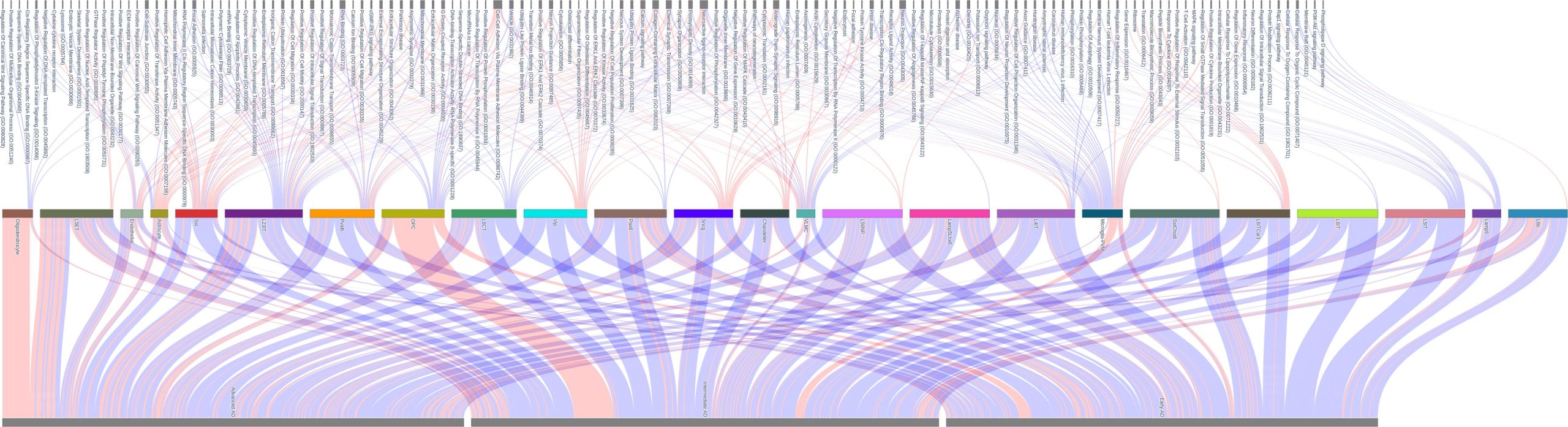
To examine cell-specific gene expression changes, the team analyzed RNA sequencing data from hundreds of thousands of individual brain cells from 75 patients with varying stages of Alzheimer’s disease (early, intermediate or advanced), and 10 patients without Alzheimer’s. Then, they compared this Alzheimer’s gene expression data with previously published RNA sequencing data from individuals with AUD.
They showed that both AUD and Alzheimer’s are associated with similar gene expression changes in the brain, including upregulation of inflammatory genes and pathways, disruption to cell signaling and cell-death-related pathways, and changes to blood vessel cells.
The Broader Implications of Alcohol Use as a Risk Factor
“What we’ve presented here is a differential analysis of two disorders that cause cognitive decline,” says first author Arpita Joshi, PhD, a staff scientist in Sanna’s lab at Scripps Research. “It deepens our understanding of Alzheimer’s disease and what the three clinically defined stages of Alzheimer’s entail, and it underscores the importance of considering alcohol use disorder as a risk factor for Alzheimer’s.”
Because the study was based on a small sample size for AUD, in the future, researchers plan to repeat their analysis using larger gene expression databases from individuals with AUD, which they expect to become available in the next year.
The Global Effort to Understand Disease at the Cellular Level
“We are eagerly awaiting the release of larger alcohol use datasets so that we can test the robustness of these findings and examine the commonalities between the two disorders with finer cell-type granularity,” says Joshi. “This is a global effort to unravel complex diseases at the single-cell level, which will lead to a better understanding of the molecular and cellular perturbations in individuals with Alzheimer’s disease, alcohol use disorder, and their interactions.”
Reference: “Transcriptional Patterns in Stages of Alzheimer’s Disease Are Cell-Type–Specific and Partially Converge with the Effects of Alcohol Use Disorder in Humans” by Arpita Joshi, Federico Manuel Giorgi and Pietro Paolo Sanna, 19 September 2024, eNeuro.
DOI: 10.1523/ENEURO.0118-24.2024
In addition to Sanna and Joshi, the study was co-authored by Federico Manuel Giorgi of Scripps Research and the University of Bologna.
This work was supported by funding from the National Institutes of Health (AA021667, AA028982, DA046170, DA046204, and DA053801)
Never miss a breakthrough: Join the SciTechDaily newsletter.
Follow us on Google and Google News.
1 Comment
At least it’s fun all the way…