

Ancient peat bogs show that past shifts in the Southern Westerly Winds transformed carbon storage on Earth.
Scientists say that ancient bogs in the Southern Hemisphere contain valuable evidence of a major climate transition that occurred thousands of years in the past.
A team examining peatland records found that rapid changes in the Southern Westerly Winds around 15,000 years ago set off a period of extensive swamp expansion. Until now, specialists in Earth history have struggled to explain why these widespread bog systems developed across the Southern Hemisphere after the last Ice Age.
According to a new study published in Nature Geoscience, the research team believes that shifts in wind patterns produced the environmental conditions needed for these wetlands to take hold.
The project was coordinated by the University of Southampton in collaboration with scientists from several countries.
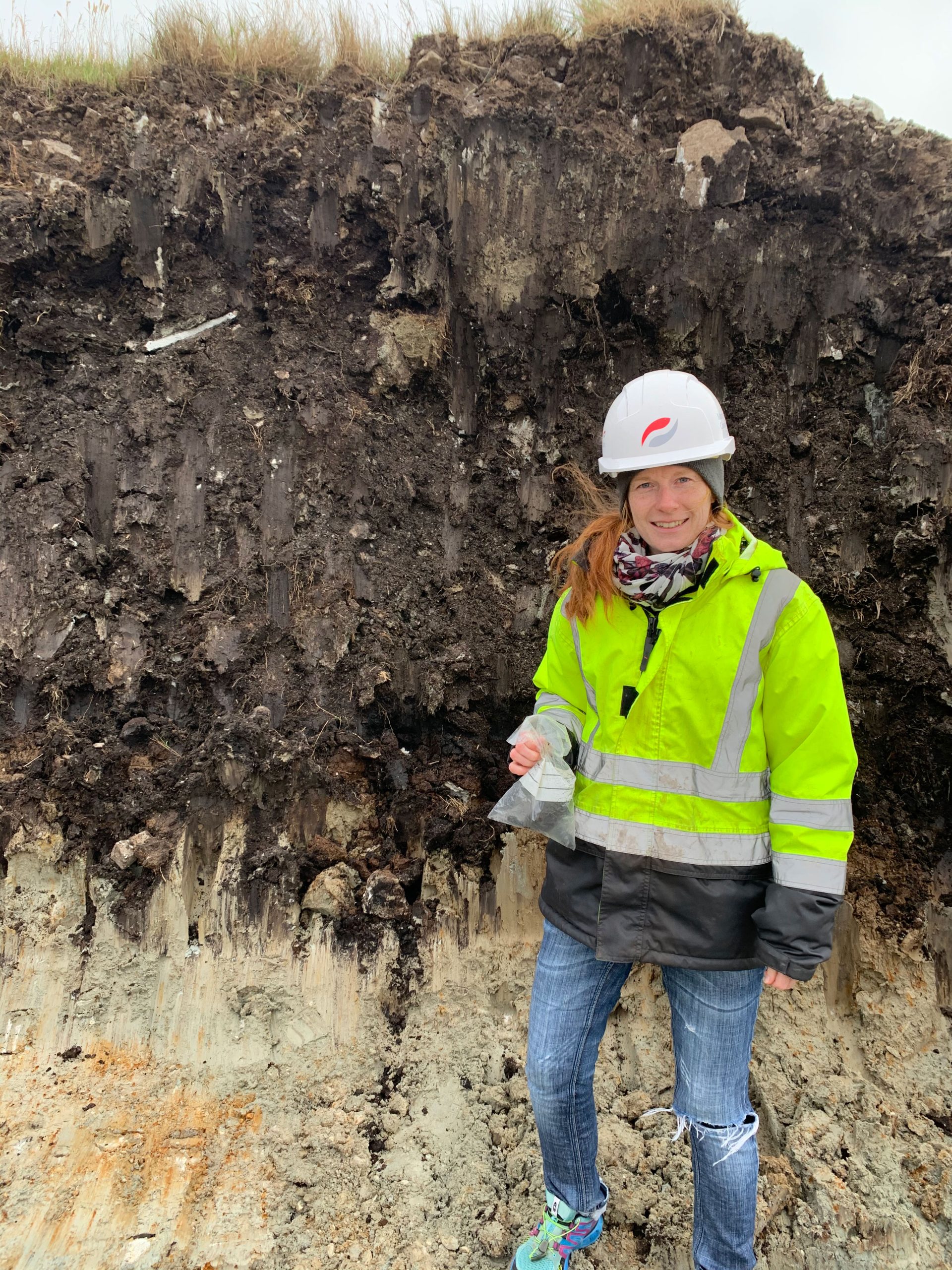
Lead author Dr. Zoë Thomas, from Southampton, said the findings suggest the winds are not only responsible for regulating carbon stores in peatland, but how much CO2 the ocean absorbs and releases into the atmosphere.
She added: “When the winds shifted north 15,000 years ago, they changed the stirring action in the Southern Ocean which acts as the largest natural carbon sink on earth.”
Peatlands and Their Carbon-Storing Power
Peatlands, which are massive natural carbon stores, form when waterlogged soil accumulates layers of dead plant material over thousands of years.
The team used peat found across South America, Australasia, southern Africa, and the sub-Antarctic islands.
Using radiocarbon-dating, they were able to pinpoint when climatic conditions became wet and favorable enough for sustained plant growth, decay, and bog formation.
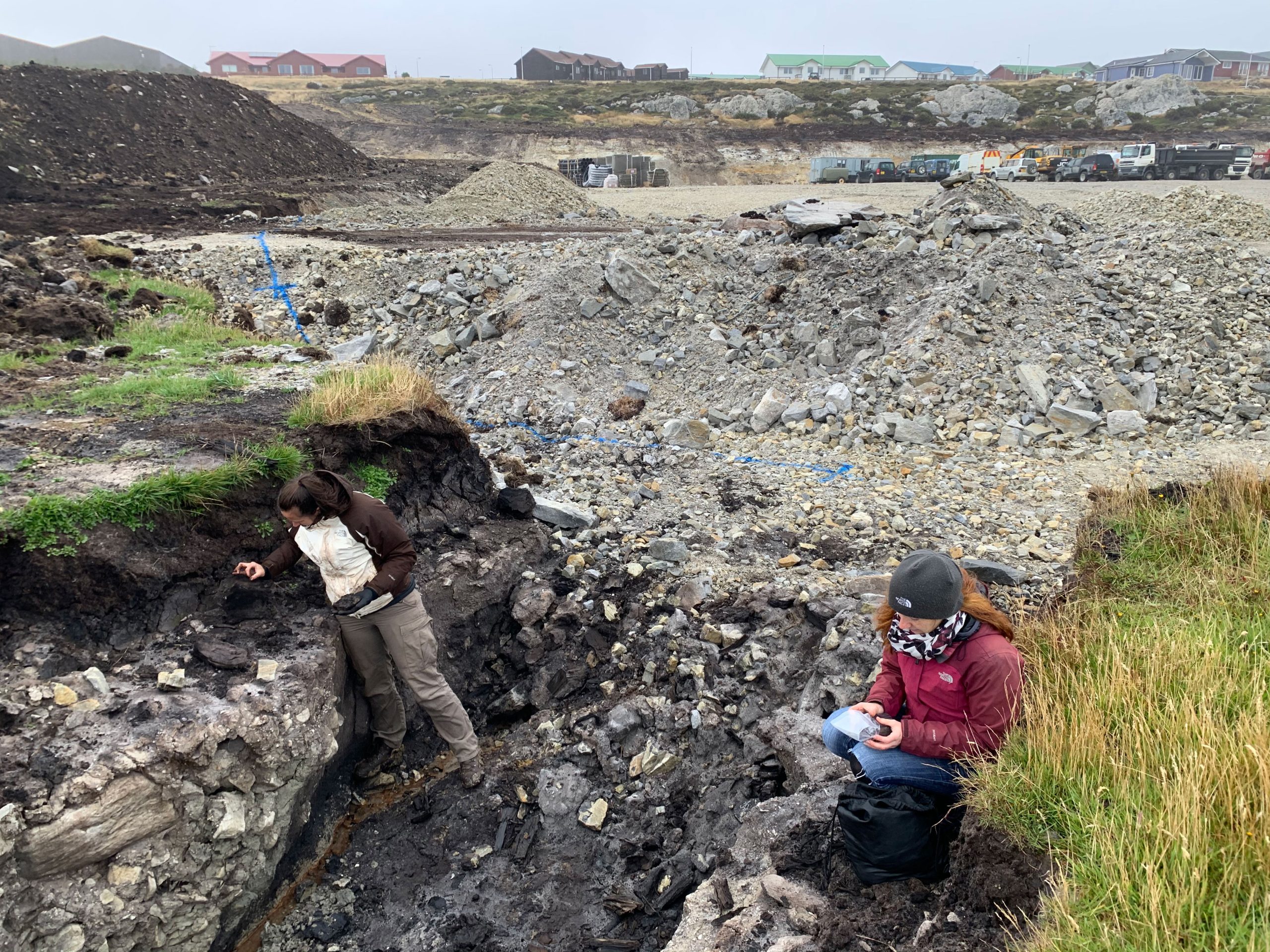
Dr. Thomas added: “We found a clear pattern – major peat growth occurred at the same time the winds shifted north or south, coinciding with changing atmospheric levels of carbon dioxide.”
Recent climate observations show the Southern Westerly Winds are shifting again – this time in the opposite direction towards the South Pole due to climate change.
If this trend continues, Dr. Thomas warned, it could severely disrupt the ocean’s ability to capture carbon.
She said: “This southerly shift has already led to increases in continental droughts and wildfires across the southern landmasses.”
Co-author Dr. Haidee Cadd, from the University of Wollongong in Australia, added: “If the planet’s largest carbon sink becomes less effective, it will accelerate the rate at which CO2 accumulates in the atmosphere, amplifying global warming trends.”
Reference: “Westerly wind shifts drove Southern Hemisphere mid-latitude peat growth since the last glacial” by Zoë A. Thomas, Haidee Cadd, Chris Turney, Lorena Becerra-Valdivia, Heather A. Haines, Chris Marjo, Christopher Fogwill, Stefanie Carter and Paul Brickle, 11 November 2025, Nature Geoscience.
DOI: 10.1038/s41561-025-01842-w
Never miss a breakthrough: Join the SciTechDaily newsletter.
Follow us on Google and Google News.