
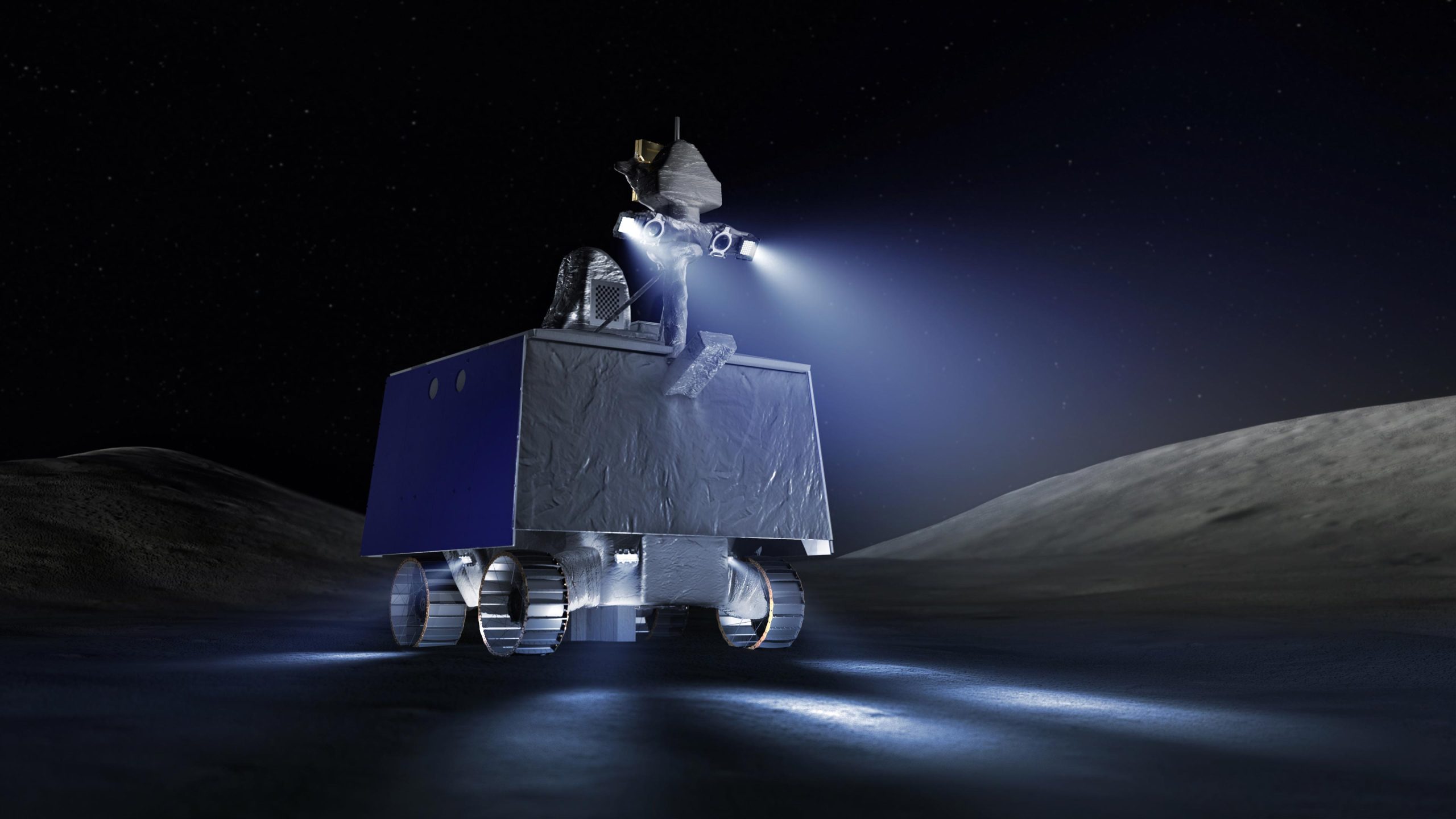
NASA’s VIPER rover is halfway built and nearing a major milestone. Most instruments are installed, delays from supply chain woes are behind them, and the team is fixing surprise issues as they arise—readying for final tests before Moon launch prep.
NASA’s VIPER team is making exciting progress on the lunar rover that’s set to touch down on the Moon just one year from now. The rover is already halfway through its build, and you can follow along in real time. Through livestreams and behind-the-scenes updates, viewers can see the engineering in action and hear directly from the experts bringing this mission to life.
Another major achievement: nearly all of the science instruments are already installed on the rover. These cutting-edge tools were delivered by teams across the project and are now in the hands of VIPER’s Systems Integration and Test team. With only one more instrument left to install, this marks a huge summer milestone—and a moment many space missions struggle to reach smoothly. Getting to this point is no small feat.
Overcoming Pandemic Supply Chain Delays
The VIPER team has also received most of the critical hardware from their external suppliers. This is a particularly meaningful step forward. Like many projects in recent years, VIPER faced supply chain delays rooted in the pandemic. Some components arrived much later than expected, which added extra pressure to an already complex schedule. Now, with those pieces finally in place, the focus can shift to assembling the full rover and preparing it for the Moon’s challenging environment.
Troubleshooting Real-World Rover Challenges
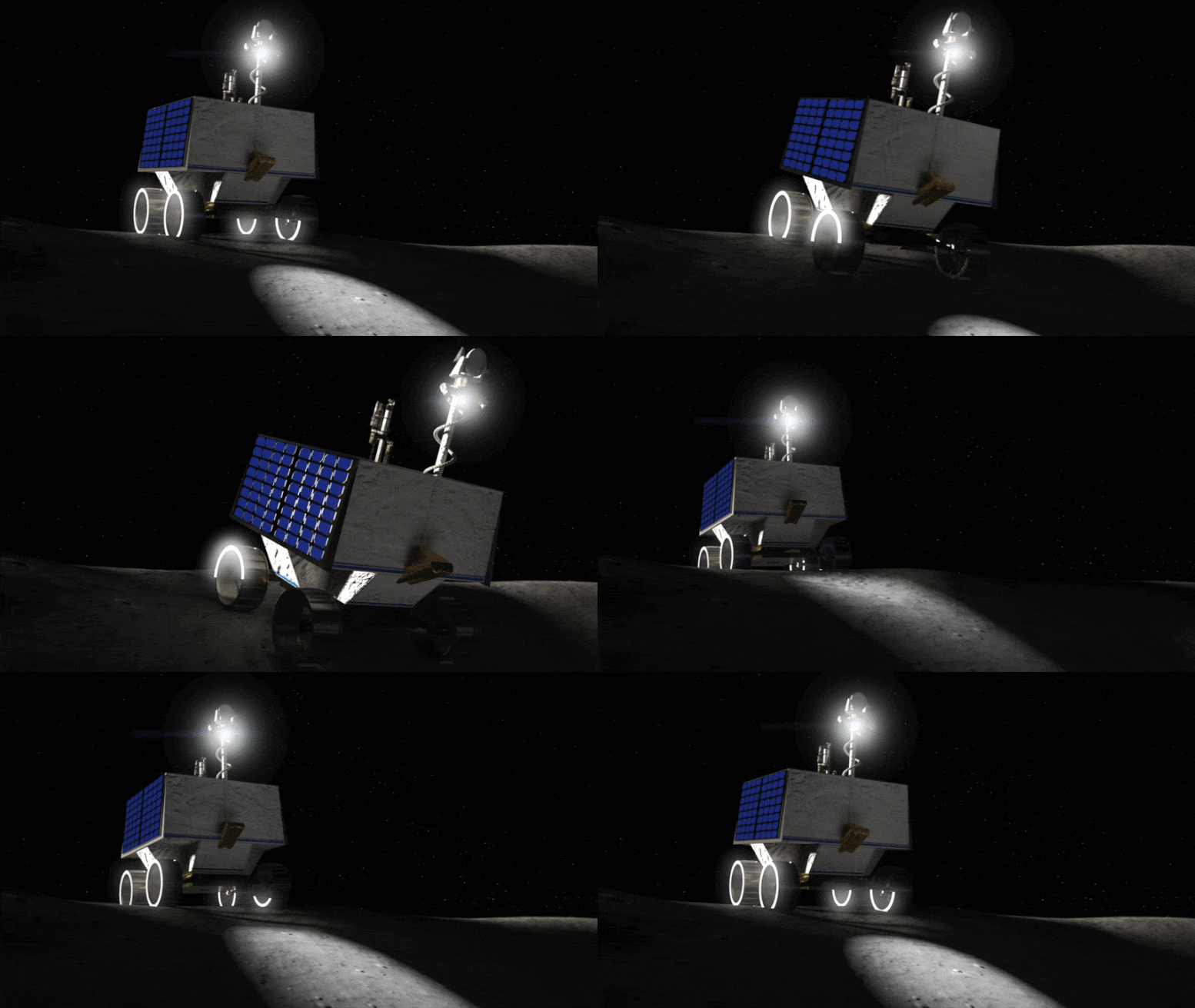
So now that we are building the flight article, we are able to see precisely how well our design plans are working in reality. There have been some reveals in the first half of the rover build, which we’ve had to navigate, including connector issues from vendors, where we’ve discovered and corrected some design and Foreign Object Debris issues, which prevented connectors from reliably working.
We’ve also found some unexpected performance characteristics revealed by some vendor hardware, which we have had to then fold into our plans for how we operate VIPER…These issues and solutions are all part of the challenging process of building a flight article, and ensuring it can survive the very harsh environment of launch, landing, and operations on the lunar surface.
Preparing for Moon Mission Testing in 2024
Once the team completes the flight rover assembly, the next step will be to test that rover in the kinds of environments it will see on the mission. This activity will be our primary focus in 2024, and our final step prior to delivering VIPER for launch integration.
Go VIPER!
Written by Dan Andrews, VIPER Project Manager.
Never miss a breakthrough: Join the SciTechDaily newsletter.
Follow us on Google and Google News.
3 Comments
NASA had rovers on the Moon 52 years ago. With people in them. Why should we get excited over this one?
Space exploration lover
Exploring space is my hobby