
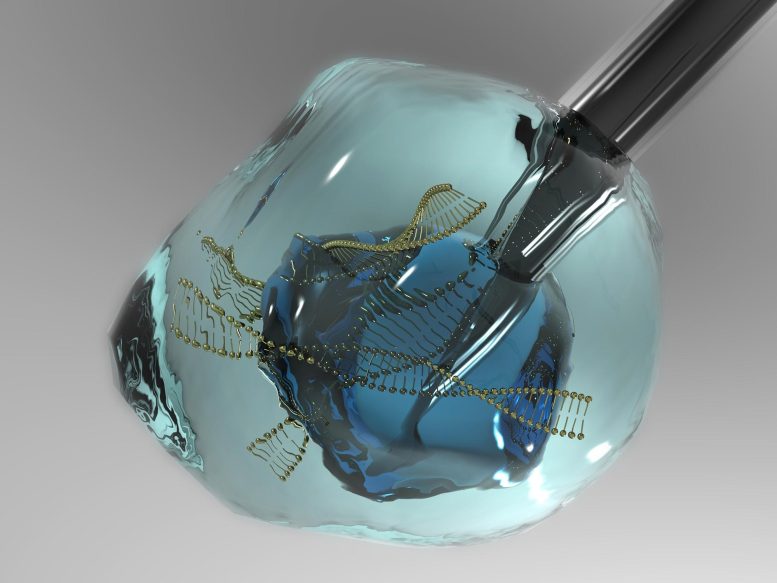
Researchers have identified factors required to generate naïve stem cells by reprogramming.
Researchers from the Babraham Institute’s Epigenetics research program have been able to learn more about naïve stem cell reprogramming following a genome wide functional screen. Their research, published today in Science Advances, describes the critical regulators of reprogramming and offers opportunities for a more efficient, faster way to generate human naïve pluripotent stem cells.
Human pluripotent stem cells (PSCs) are a useful tool for researchers investigating how cells specialize to make every tissue of our body. They come in two different states, primed and naïve. Both types of PSC can self-renew and differentiate into new cell types but they have distinct functions and molecular characteristics.
Group leader Peter Rugg-Gunn explained the importance of these cells: “Human PSCs in the naïve state replicate the key molecular and cellular characteristics of cells in a pre-implantation stage embryo. Importantly, when naïve PSCs are encouraged to self-organize in particular conditions, they form structures that resemble an early blastocyst stage of development. By growing these cells in the lab, we can learn about the key events that happen during human development, and they have potential uses in personalized medicine. But we need to create high-quality, stable stem cell populations to be able to conduct our experiments.”
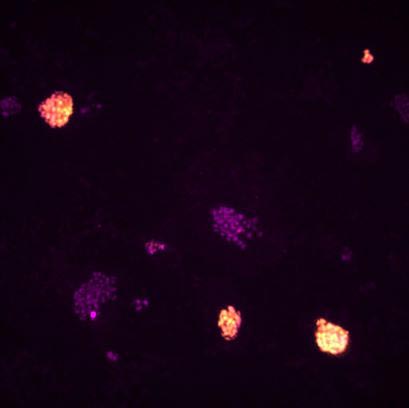
Reprogramming Primed to Naïve Stem Cells
Pluripotent stem cells are formed either from embryos or using Nobel Prize-winning methods to remove cell identity from specialized cells. The majority of reprogramming experiments generate primed PSCs, which are more developmentally advanced than naïve PSCs. Naïve PSCs can be collected directly from human pre-implantation embryos, or more commonly researchers expose primed PSCs to conditions that induces them to become naïve PSCs. Existing methods for reprogramming were inefficient and slow, preventing researchers’ from quickly producing the numbers of high-quality stem cells they needed.
Adam Bendall, PhD student and a lead researcher on the study, said: “Very little was known about what genetic and epigenetic factors are required for naïve cell reprogramming, and this knowledge gap limited the design of reprogramming conditions.”
The low efficiency of naïve reprogramming suggests the presence of barriers that limit cells in reaching the naïve state. Adam and his colleagues honed in on these barriers by performing a large-scale genetic screen to identify genes that hinder and help reprogramming. They were able to identify a large number of genes that have a crucial role in naïve PSC programming that had not been previously linked to the process.
PRC1.3 Complex: A Key Reprogramming Factor
The team focused on one epigenetic complex in particular, the PRC1.3 complex, that regulates gene expression without altering the underlying DNA sequence, and which they found to be essential for the formation of naïve PSCs. Without this complex, the cells undergoing reprogramming become a completely different type of cell rather than naïve PSCs. This suggests that the activity of PRC1.3 could encourage more cells to reprogram properly, in effect lowering the barrier.
After identifying factors that promote reprogramming, the researchers also looked at factors that impede reprogramming, exemplified in their study by an epigenetic protein called HDAC2. Dr. Amanda Collier, first author on the paper, explained: “Excitingly, when we inhibited one of these factors using selective chemicals, then naïve PSC reprogramming occurred more efficiently and rapidly. We’re able to look at it from both sides; we can remove the barriers and introduce the factors that push cells towards state change.”
Not only does this research improve scientists’ ability to produce human naïve PSCs, it provides details on the molecular events that occur during the cell state transition itself, some of which are conserved in developmental regulation in human embryos.
The Rugg-Gunn lab are putting together the pieces of a bigger puzzle — the best understanding of the formation and control of naïve stem cells. Their previous research has identified molecular factors that help to maintain cells in a naïve stage. Group leader, Peter Rugg-Gunn said: “By building up our tools for manipulating pluripotent stem cells, we can spend more time asking important questions about the pre-implantation embryo. In the longer term, further improvements in working with naïve PSCs might open up the possibility for using these cells in personalized disease models or cell therapies, although this will require more research on how to differentiate naïve PSCs into specialized cell types.”
Reference: “Genome-wide screening identifies Polycomb repressive complex 1.3 as an essential regulator of human naïve pluripotent cell reprogramming” by Amanda J. Collier, Adam Bendall, Charlene Fabian, Andrew A. Malcolm, Katarzyna Tilgner, Claudia I. Semprich, Katarzyna Wojdyla, Paola Serena Nisi, Kamal Kishore, Valar Nila Roamio Franklin, Bahar Mirshekar-Syahkal, Clive D’Santos, Kathrin Plath, Kosuke Yusa and Peter J. Rugg-Gunn, 25 March 2022, Science Advances.
DOI: 10.1126/sciadv.abk0013
Never miss a breakthrough: Join the SciTechDaily newsletter.
Follow us on Google and Google News.