
Close Menu
    Facebook X (Twitter) Instagram
    SciTechDaily
    • Biology
    • Chemistry
    • Earth
    • Health
    • Physics
    • Science
    • Space
    • Technology
    Facebook X (Twitter) Pinterest YouTube RSS
    SciTechDaily
    Home»Earth»Extreme Isolation in Antarctica, for Science
    Earth

    Extreme Isolation in Antarctica, for Science

    By European Space Agency (ESA)November 28, 20217 Comments2 Mins Read
    Facebook Twitter Pinterest Telegram LinkedIn WhatsApp Email Reddit
    Share
    Facebook Twitter LinkedIn Pinterest Telegram Email Reddit
    Isolation in Antarctica
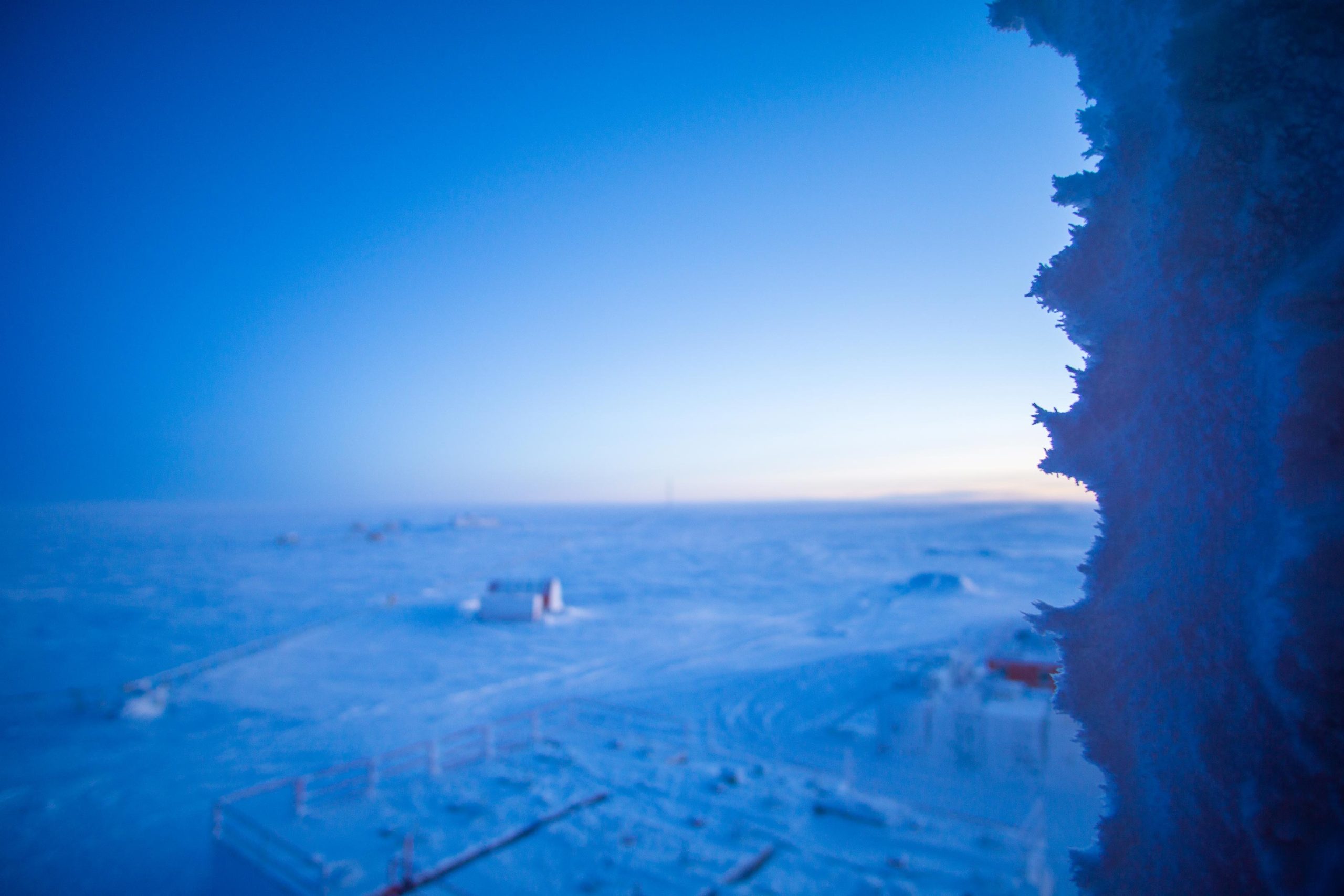
    Concordia research station in Antarctica. Credit: ESA/IPEV/PNRA-N.Smith

    Applications are now open for the role of ESA-sponsored research medical doctor at Concordia research station in Antarctica for the 2023 winter over season. Do you have a medical degree, an interest in space exploration, and the fortitude to spend almost a year in isolation in the world’s largest desert? Apply today for this unique post.

    The Blank Backdrop

    Located at the mountain plateau called Dome C in Antarctica, the French-Italian base is one of only three that is inhabited all year long.

    Between the extreme altitude – 3,233 m (10,606 ft) above sea level means the crew experience chronic hypobaric hypoxia or lack of oxygen in the brain – four months of total darkness during the winter, and temperatures as low as –80°C (-112°F), the base is fertile ground to research the effects of isolated, confined, and extreme environments on the human body and mind.

    For this reason, each year ESA sponsors a medical doctor to oversee biomedical experiments at the base.

    The 2021 winter over doctor, Nick Smith from the UK, is on his way back home after a successful year in Antarctica. Taking his place is Hannes Hagson from Sweden. He arrived with his crew of 12 in early November and will oversee research such as how isolation changes people’s brains, sleep, and their immune systems.

    Summer in December

    Concordia is currently hosting the summer season of researchers. About 60 researchers flock to the station to check equipment, set up sensors, and run experiments for a few weeks. The last of the summer crew is expected to leave in February, and then the isolation begins. The 13-member crew will spend the next nine months with only each other for company as the sun begins to set, returning after four months.

    If you think you have what it takes, apply for the position of ESA research doctor by January 21, 2022.

    Good luck to Hannes and the DC 18 crew! Follow Hannes’ year on the Chronicles from Concordia blog.

    Never miss a breakthrough: Join the SciTechDaily newsletter.
    Follow us on Google and Google News.

    Antarctica European Space Agency
    Share. Facebook Twitter Pinterest LinkedIn Email Reddit

    Related Articles

    Is the Brunt Ice Shelf in Antarctica on the Brink?

    Ozone Hole Over the Antarctic Is One of the Largest and Deepest in Recent Years

    Disintegration Fears Grow As Worsening Rifts and Fractures Spotted at Two of Antarctica’s Most Important Glaciers

    “Worst-Case Climate Scenario” – Ice Sheets in Greenland and Antarctica Loss Rates Rapidly Increasing

    After Four Months of Darkness, the Sun Finally Rises at Concordia Research Station

    Worst-Case Climate Change Scenario: Greenland and Antarctica Losing Ice 6x Faster Than Expected

    Massive Iceberg 5 Times Larger Than Manhattan Shatters Into Pieces – Satellite Video

    CryoSat Discovers Antarctica’s Biggest Glacier’s Ice Loss Pattern Is Evolving

    GOCE Gravity Mapper Reveals What’s Going on Deep Below Antarctica

    7 Comments

    1. R Rytter on November 29, 2021 12:37 am

      What a strange study. Pretty scaring to find yourself isolated one long year with a permanent lack of oxygene. What exactly is the purpose of that? Preparing for future missions in space?

      Reply
    2. Cynthia Binder on November 29, 2021 1:44 pm

      Not a doctor that has to be a chilly 365days🥶🥶🥶🥶🌬🌬❄good luck

      Reply
    3. Paladine on November 29, 2021 6:23 pm

      I’ve seen the shining.

      Reply
    4. Christian Brandon Maya on November 29, 2021 7:15 pm

      How and where do I apply.will there be adequate food?

      Reply
    5. Stephan on November 29, 2021 7:44 pm

      Easy I’ve been doing it my whole life 😭

      Reply
    6. Michael on December 1, 2021 10:57 am

      What about “The Thing”..?

      Reply
    7. Me on December 2, 2021 7:07 pm

      Dude I’m down.

      Reply
    Leave A Reply Cancel Reply

    • Facebook
    • Twitter
    • Pinterest
    • YouTube

    Don't Miss a Discovery

    Subscribe for the Latest in Science & Tech!

    Trending News

    Scientists Discover Game-Changing New Way To Treat High Cholesterol

    This Small Change to Your Exercise Routine Could Be the Secret to Living Longer

    Scientists Discover 430,000-Year-Old Wooden Tools, Rewriting Human History

    AI Could Detect Early Signs of Alzheimer’s in Under a Minute – Far Before Traditional Tests

    What if Dark Matter Has Two Forms? Bold New Hypothesis Could Explain a Cosmic Mystery

    This Metal Melts in Your Hand – and Scientists Just Discovered Something Strange

    Beef vs. Chicken: Surprising Results From New Prediabetes Study

    Alzheimer’s Breakthrough: Scientists Discover Key Protein May Prevent Toxic Protein Clumps in the Brain

    Follow SciTechDaily
    • Facebook
    • Twitter
    • YouTube
    • Pinterest
    • Newsletter
    • RSS
    SciTech News
    • Biology News
    • Chemistry News
    • Earth News
    • Health News
    • Physics News
    • Science News
    • Space News
    • Technology News
    Recent Posts
    • Milk Nanoparticles Could Revolutionize Treatment for Deadly Bile Duct Cancer
    • Largest-Ever Study Finds Medicinal Cannabis Ineffective for Anxiety, Depression, PTSD
    • Scientists Reveal Why a Common Drug Causes Birth Defects and Autism
    • A Medieval Japanese Diary Just Helped Scientists Detect a Dangerous Solar Event
    • Humans Returned to Britain 500 Years Earlier Than Scientists Thought
    Copyright © 1998 - 2026 SciTechDaily. All Rights Reserved.
    • Science News
    • About
    • Contact
    • Editorial Board
    • Privacy Policy
    • Terms of Use

    Type above and press Enter to search. Press Esc to cancel.