
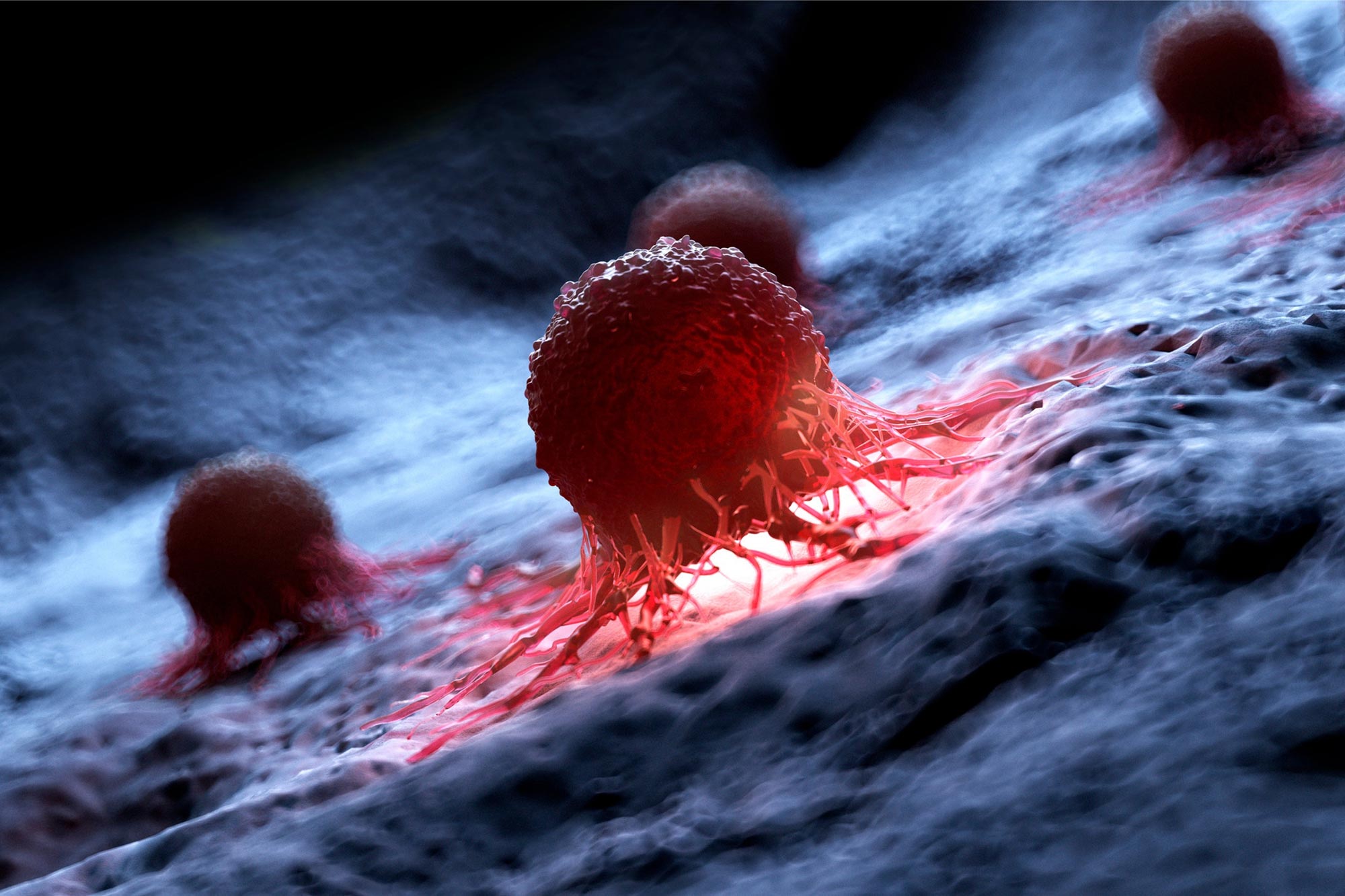
Scientists found linoleic acid from seed oils promotes triple-negative breast cancer growth by activating a specific protein pathway.
Linoleic acid, an omega-6 fatty acid found in seed oils like soybean and safflower oil, as well as in animal products such as pork and eggs, has been shown to promote the growth of the difficult-to-treat “triple-negative” breast cancer subtype, according to a preclinical study conducted by investigators at Weill Cornell Medicine. This finding could pave the way for new dietary and pharmaceutical approaches to combat breast cancer and other types of cancer.
The study, published on March 14 in Science, reveals that linoleic acid activates a key growth pathway in tumor cells by binding to a protein known as FABP5. When comparing different breast cancer subtypes, the researchers found that this growth pathway activation occurs in triple-negative tumor cells, where FABP5 is particularly abundant, but not in other hormone-sensitive subtypes. In a mouse model of triple-negative breast cancer, a diet rich in linoleic acid accelerated tumor growth.
“This discovery helps clarify the relationship between dietary fats and cancer, and sheds light on how to define which patients might benefit the most from specific nutritional recommendations in a personalized manner,” said study senior author Dr. John Blenis, the Anna-Maria and Stephen Kellen Professor of Cancer Research in the Department of Pharmacology and a member of the Sandra and Edward Meyer Cancer Center at Weill Cornell Medicine.
Role of Linoleic Acid and the Western Diet
Omega-6 linoleic acid is a diet-derived nutrient that is considered essential in mammals for supporting multiple bodily processes. However, the abundance of this fat in ‘Western-style’ diets has increased significantly since the 1950s, coinciding with the increased usage of seed oils in fried and ultra-processed foods. This has led to concerns that excessive omega-6 intake might be one of the explanations for rising rates of certain diseases, including breast cancers. But decades of studies have yielded mixed and inconclusive results, and have never uncovered any biological mechanism tying omega-6s to cancers.
In the new study, the researchers sought to resolve this confusion by initially looking at breast cancer, which has been linked to modifiable factors such as obesity. They looked at the ability of omega-6 fatty acids—particularly linoleic acid, the dominant one in the Western diet—to drive an important, nutrient-sensing growth pathway called the mTORC1 pathway.
A key initial finding was that linoleic acid does indeed activate mTORC1 in cell and animal models of breast cancers, but only in triple-negative subtypes. (The term “triple negative” refers to the absence of three receptors, including estrogen receptors, that are often expressed by breast tumor cells and can be targeted with specific treatments.) The scientists discovered that this subtype-specific effect occurs because the polyunsaturated fatty acid forms a complex with FABP5, which is produced at high levels in triple-negative breast tumors but not in other subtypes, leading to the assembly and activation of mTORC1, a major regulator of cell metabolism and cancer cell growth.
Study Results and Implications
Feeding mice that model triple-negative breast cancer a high-linoleic-acid diet increased FABP5 levels, mTORC1 activation, and tumor growth. The researchers also found increased levels of FABP5 and linoleic acid in the tumors and blood samples from newly diagnosed triple-negative patients.
The findings show that linoleic acid can have a role in breast cancer, though in a more targeted and defined context than previously appreciated. The study also is thought to be the first to establish a specific mechanism through which this common dietary ingredient influences disease.
The illumination of FABP5’s importance in this process suggests, moreover, that it could be a good “biomarker” to guide more personalized nutritional and therapeutic interventions for patients with triple negative breast cancer, which currently lacks any targeted therapy.
The researchers have only begun to investigate the effects of omega-6-FABP5-mTORC1 signaling in other diseases, but in the study, they showed that the same pathway can enhance the growth of some prostate cancer subtypes.
“There may be a broader role for FABP5-mTORC1 signaling in other cancer types and even in common chronic diseases such as obesity and diabetes,” said study first author Dr. Nikos Koundouros, a postdoctoral research associate in the Blenis laboratory.
Reference: “Direct sensing of dietary ω-6 linoleic acid through FABP5-mTORC1 signaling” by Nikos Koundouros, Michal J. Nagiec, Nayah Bullen, Evan K. Noch, Guillermo Burgos-Barragan, Zhongchi Li, Long He, Sungyun Cho, Bobak Parang, Dominique Leone, Eleni Andreopoulou and John Blenis, 14 March 2025, Science.
DOI: 10.1126/science.adm9805
Never miss a breakthrough: Join the SciTechDaily newsletter.
Follow us on Google and Google News.
6 Comments
If you really want to address breast cancer, try attacking the hormone supplements doctors freely prescribe to women during menopause. I believe it is rare that this kind of fat could be linked to breast cancer.
Naw
YES!!!
Oh no dear. Hormone does have a role in some breast cancers BUT THIS IS DUE TO THE GMO SEED!
I had this cancer. I’m still suffering.
ANYTHING OF A CHEMICAL NATURE THAT IS ADDED TO ANYTHING WE PUT ON OUR SKIN, HAIR, AND INGEST WILL HAVE AN ADVERSE AFFECT ON THE BODY. OUR SKIN, HAIR AND INTESTINES ABSORB PEOPLE AND THESE CHEMICALS ARE DISTRIBUTED THROUGH THE INSIDE OF OUR BODIES. THINK ABOUT IT…..