

Researchers studying pro fighters discovered that repeated head impacts can overload and eventually weaken the brain’s waste-disposal network.
MRI biomarkers showed that cognitively impaired athletes initially had unusually high glymphatic activity that later collapsed with continued trauma. This decline may accelerate the buildup of harmful proteins tied to dementia.
Glymphatic Decline From Repeated Head Impacts
The brain’s ability to clear waste appears to weaken after repeated blows to the head, according to a new investigation involving professional boxers and mixed martial arts fighters who were already experiencing cognitive difficulties. These results are scheduled to be shared next week at the annual meeting of the Radiological Society of North America (RSNA).
Sports-related traumatic brain injuries make up as much as 30% of all brain injury cases, with boxing and mixed martial arts among the most common sources. Sustaining head impacts again and again increases the likelihood of developing neurodegenerative and neuropsychiatric conditions.
The glymphatic system is a network of fluid-filled pathways that helps remove waste from the brain. Its role is similar to that of the lymphatic system found throughout the rest of the body.
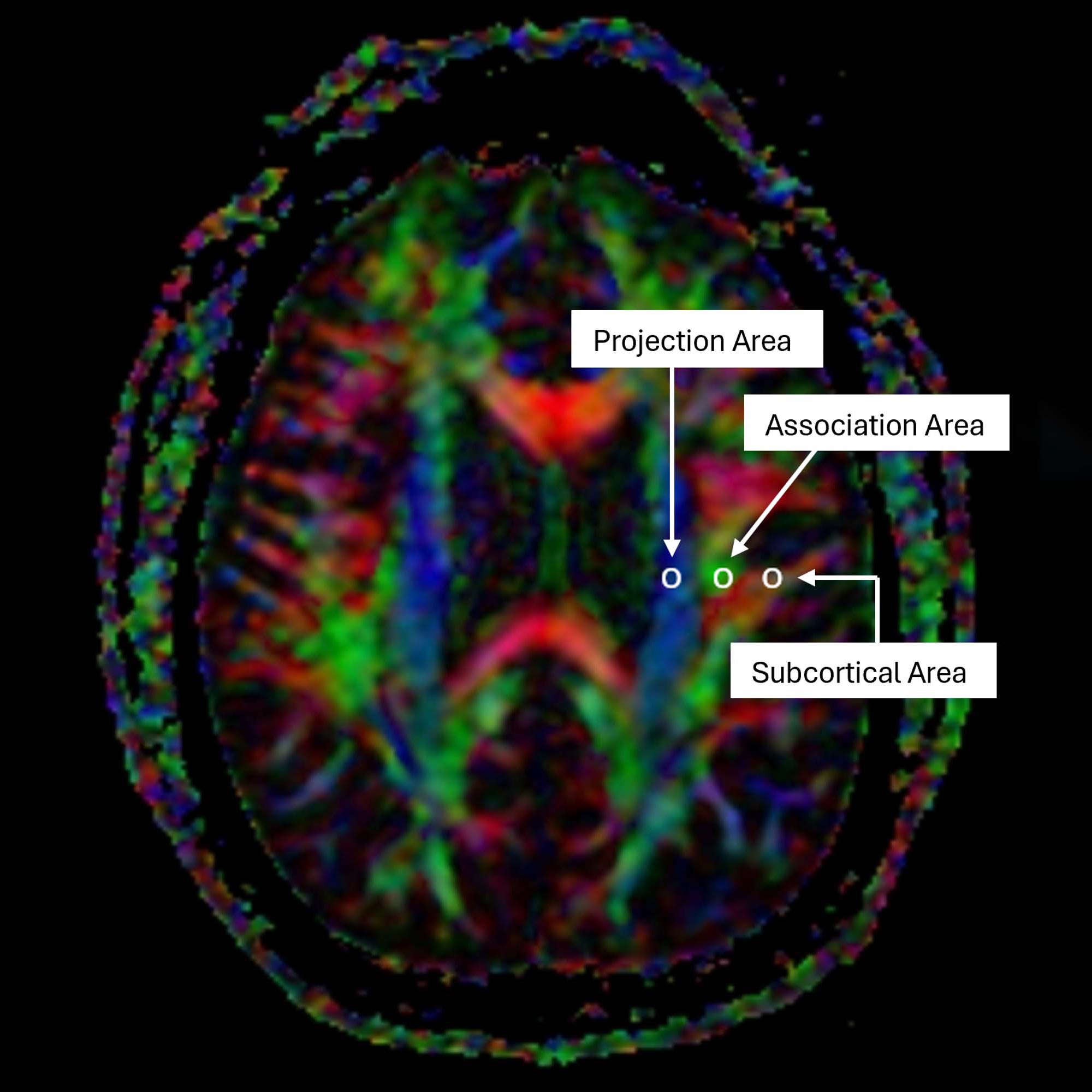
Brain’s “Plumbing System” and Its Critical Role
“The recently discovered glymphatic system is like the brain’s plumbing and garbage disposal system,” said Dhanush Amin, M.D., lead author of the study conducted by researchers from the University of Alabama at Birmingham and Cleveland Clinic Nevada. “It’s vital for helping the brain flush out metabolites and toxins.”
Diffusion tensor imaging along the perivascular space (DTI-ALPS) is a specialized MRI method that tracks how water moves in and around the spaces surrounding the glymphatic system’s channels. These areas act as drainage routes and also help maintain fluid balance, deliver nutrients and immune cells, and shield the brain from injury.
MRI Biomarkers Reveal Hidden Brain Damage
The DTI-derived ALPS index offers a non-invasive way to measure how well the glymphatic system is functioning. A reduced ALPS index may indicate cognitive decline and has been linked to the advancement of disorders such as Alzheimer’s and Parkinson’s disease.
“When this system doesn’t work properly, damaging proteins can accumulate, which have been linked to Alzheimer’s and other forms of dementia,” said Dr. Amin, now an assistant professor of neuroradiology at the University of Arkansas for Medical Sciences. “Studying this system gives us a new window into understanding and possibly slowing memory loss.”
For this work, researchers examined baseline data from Cleveland Clinic’s Professional Athletes Brain Health Study (PABHS), a long-term project that tracks about 900 active fighters. Roughly 300 of these athletes have been monitored for at least three years. The analysis for the current study focused on 280 fighters, including 95 who showed cognitive impairment at the start and 20 healthy individuals matched for demographic factors.
Longitudinal Fighter Data Exposes Clear Patterns
DTI-ALPS was computed on the athletes and controls. Using the DTI-ALPS method, the researchers assessed the athletes’ glymphatic activity over time and the correlation between the DTI-derived ALPS index and the number of knockouts experienced. They also measured the difference in glymphatic activity between cognitively impaired and non-impaired athletes.
“We thought repeated head impacts would cause lower ALPS in cognitively impaired fighters compared to non-impaired fighters,” Dr. Amin said. “We also expected the ALPS measurement to be significantly correlated with the total number of knockouts in the impaired fighters.”
Contrary to their hypothesis, the researchers observed a significantly higher glymphatic index among impaired fighters that deteriorated over time with the total number of knockouts. In athletes with continued trauma, glymphatic function significantly declined.
Brain Overload: When Cleanup Systems Collapse
“We believe that the glymphatic index was initially high in the impaired athlete group because the brain initially responds to repeated head injuries by ramping up its cleaning mechanism, but eventually, it becomes overwhelmed,” Dr. Amin said. “After a certain point, the brain just gives up.”
Non-impaired fighters had a significantly lower right and total glymphatic index compared to impaired fighters. The relationship between the glymphatic index and knockout history was significantly different between the two groups.
Dr. Amin said that understanding the impact of repeated head impacts on the glymphatic system is crucial for the early detection and management of neurodegenerative risk in athletes participating in contact sports.
Early Detection Could Protect Athletes’ Brain Health
“If we can spot glymphatic changes in the fighters before they develop symptoms, then we might be able to recommend rest or medical care or help them make career decisions to protect their future brain health,” he said.
Meeting: 111th Scientific Assembly and Annual Meeting of the Radiological Society of North America (RSNA)
Co-authors are Gaurav Nitin Rathi, M.S., Charles Bernick, M.D., and Virendra Mishra, Ph.D.
Never miss a breakthrough: Join the SciTechDaily newsletter.
Follow us on Google and Google News.
2 Comments
Hitting the head should be banned. In our school we had a simple rule, when boxing, never hit the head. Then later when we got a TV set, I was shocked seeing a boxing match on TV, where the fighters were hitting each other’s heads. So I saw that in professional boxing this is legal. But it should be banned.
Hitting the head should be banned. In our school we had a simple rule, when boxing, never hit the head. Then later when we got a TV set, I was shocked seeing a boxing match on TV, where the fighters were hitting each other’s heads. So I saw that in professional boxing this is legal. But it should be banned. It is clearly dangerous for the brain.