
Close Menu
    Facebook X (Twitter) Instagram
    SciTechDaily
    • Biology
    • Chemistry
    • Earth
    • Health
    • Physics
    • Science
    • Space
    • Technology
    Facebook X (Twitter) Pinterest YouTube RSS
    SciTechDaily
    Home»Space»From 15 Billion Miles Away: NASA’s Voyager 1 Springs Back to Life
    Space

    From 15 Billion Miles Away: NASA’s Voyager 1 Springs Back to Life

    By Jet Propulsion LaboratoryJune 15, 20245 Comments3 Mins Read
    Facebook Twitter Pinterest Telegram LinkedIn WhatsApp Email Reddit
    Share
    Facebook Twitter LinkedIn Pinterest Telegram Email Reddit
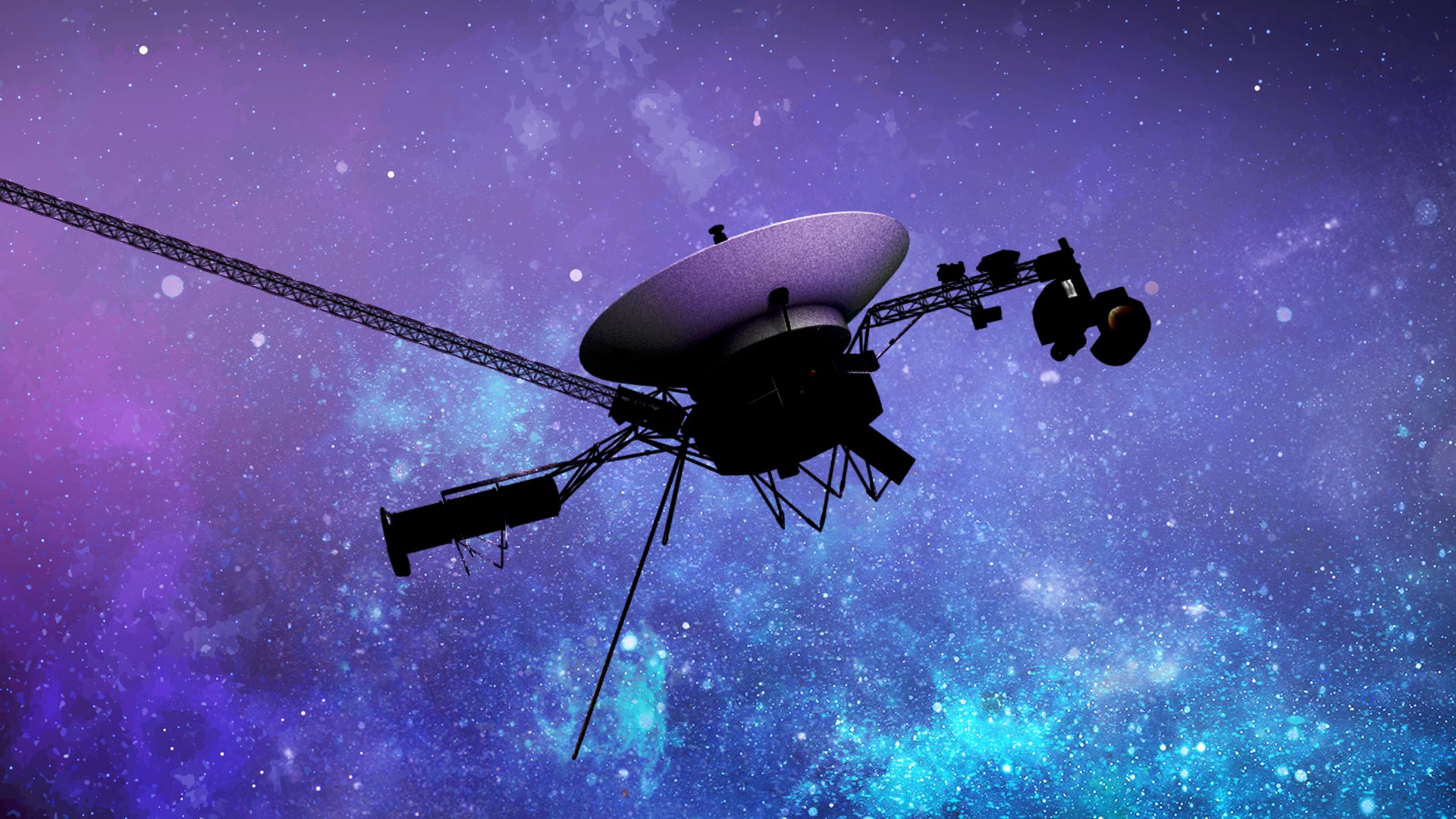
    NASA Voyager Spacecraft Illustration
    NASA’s Voyager 1 has overcome a technical setback from November 2023, successfully resuming normal operations and data transmission by May 2024. All four of its science instruments are active again, studying space beyond our solar system. Credit: Caltech/NASA-JPL

    After resolving technical issues, Voyager 1 has returned to normal operations, with all instruments fully functional and continuing to study interstellar space.

    Maintenance is ongoing to ensure data accuracy and system stability. Voyager 1, along with Voyager 2, continues to be a critical part of NASA’s deep-space exploration.

    Resolving Voyager 1’s Technical Issues

    NASA’s Voyager 1 spacecraft is conducting normal science operations for the first time following a technical issue that arose in November 2023.
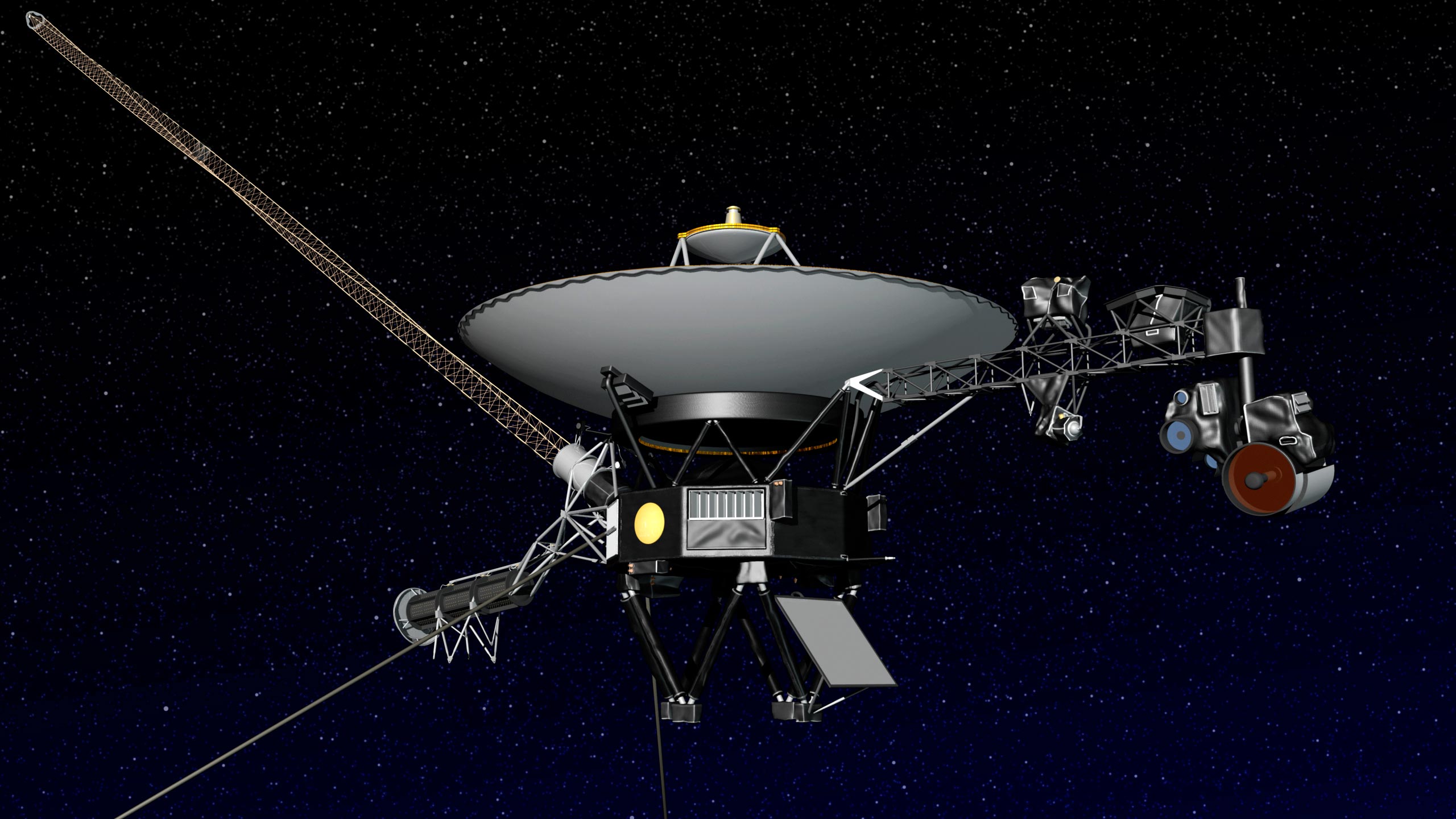
    NASA Voyager 2 Space Probe
    Artist’s concept of NASA’s Voyager spacecraft. Credit: NASA/JPL-Caltech

    Restoration of Science Instruments

    The mission team partially resolved the issue in April when they prompted the spacecraft to begin returning engineering data, which includes information about the health and status of the spacecraft. On May 19, the team executed the second step of that repair process and beamed a command to the spacecraft to begin returning science data. Two of the four science instruments returned to their normal operating modes immediately. Two other instruments required some additional work, but now, all four are returning usable science data.

    Continuing Voyager Missions

    The four instruments study plasma waves, magnetic fields, and particles. Voyager 1 and Voyager 2 are the only spacecraft to directly sample interstellar space, which is the region outside the heliosphere — the protective bubble of magnetic fields and solar wind created by the Sun.

    Ongoing Maintenance and Milestones

    While Voyager 1 is back to conducting science, additional minor work is needed to clean up the effects of the issue. Among other tasks, engineers will resynchronize timekeeping software in the spacecraft’s three onboard computers so they can execute commands at the right time. The team will also perform maintenance on the digital tape recorder, which records some data for the plasma wave instrument that is sent to Earth twice per year. (Most of the Voyagers’ science data is sent directly to Earth and not recorded.)

    Voyager 1 is more than 15 billion miles (24 billion kilometers) from Earth, and Voyager 2 is more than 12 billion miles (20 billion kilometers) from the planet. The probes will mark 47 years of operations later this year. They are NASA’s longest-running and most-distant spacecraft. Both spacecraft flew past Jupiter and Saturn, while Voyager 2 also flew past Uranus and Neptune.

    The Voyager missions, consisting of Voyager 1 and Voyager 2, are NASA’s twin space probes launched in 1977 to explore the outer planets and beyond. Voyager 1 focused on Jupiter and Saturn, while Voyager 2 explored Jupiter, Saturn, Uranus, and Neptune. After their primary missions, both probes continued on to study the outer reaches of the solar system and now travel through interstellar space, sending valuable data about the heliosphere and the wider universe beyond our solar system. These missions have significantly expanded our understanding of the solar system and remain among the farthest-reaching human-made objects in space.

    Never miss a breakthrough: Join the SciTechDaily newsletter.
    Follow us on Google and Google News.

    Astronomy JPL NASA Popular Voyager
    Share. Facebook Twitter Pinterest LinkedIn Email Reddit

    Related Articles

    NASA’s Longest-Lived Mission: Voyager Probes Log 45 Years in Space

    NASA’s Voyager 1 Spacecraft Mystery: Engineers Investigating Telemetry Data

    ‘Pale Blue Dot’ Revisited – Iconic View of Earth From 3.7 Billion Miles Away Updated

    Voyager 2 Illuminates Boundary of Interstellar Space 11 Billion Miles From Earth

    Heat from Within the Planet Powers Saturn’s Jet Streams

    Cassini Detects Methane Lakes on Titan

    Fermi Detects the Highest-Energy Light Ever Associated With an Eruption on the Sun

    Black Hole Rips Apart a Helium Rich Star

    Searching for “Bubbles” in the Milky Way

    5 Comments

    1. Fred Nix on June 17, 2024 7:00 am

      Voyager l and ll were not made in China. Know one ever expected these twins to be so successful except scientist close to thee project and after 47 years many of them are no longer alive.

      Reply
      • Don E.Johnson on June 17, 2024 9:51 am

        Difficult to imagine a 47 yr old Voyager II still in operating condition 15,billion miles from 🌎 and now in my comfortable retirement years it continues to send usable info out into the vast eternity of space.

        Reply
    2. Al Normand on June 17, 2024 12:20 pm

      Voyager 1 and 2 are monumental instruments for NASA. I’m very sure they aren’t beyond learning much more about other solar systems far beyond reaches we ever thought possible.

      Reply
    3. Raudel on June 18, 2024 10:47 am

      Fake

      Reply
    4. Mehmet Bakraclar on June 23, 2024 1:38 pm

      Hello I want to join your newsletter to hear/learn more of your very interesting news and articles. Thank you.

      Reply
    Leave A Reply Cancel Reply

    • Facebook
    • Twitter
    • Pinterest
    • YouTube

    Don't Miss a Discovery

    Subscribe for the Latest in Science & Tech!

    Trending News

    One of the Universe’s Largest Stars May Be Getting Ready To Explode

    Scientists Discover Enzyme That Could Supercharge Ozempic-Like Weight Loss Drugs

    Popular Sweetener Linked to DNA Damage – “It’s Something You Should Not Be Eating”

    Ancient “Rock” Microbes May Reveal How Complex Life Began

    Researchers Capture Quantum Interference in One of Nature’s Rarest Atoms

    “A Plague Is Upon Us”: The Mass Death That Changed an Ancient City Forever

    Scientists Discover Game-Changing New Way To Treat High Cholesterol

    This Small Change to Your Exercise Routine Could Be the Secret to Living Longer

    Follow SciTechDaily
    • Facebook
    • Twitter
    • YouTube
    • Pinterest
    • Newsletter
    • RSS
    SciTech News
    • Biology News
    • Chemistry News
    • Earth News
    • Health News
    • Physics News
    • Science News
    • Space News
    • Technology News
    Recent Posts
    • Scientists Rethink Extreme Warming After Surprising Ocean Discovery
    • The Surprising Role of Asteroids in the Origin of Life
    • Scientists Raise Concerns Over Newly Recognized Pollutant Found Everywhere in the Air
    • New Study Challenges 40-Year Puzzle About Childhood Body Fat
    • 20-Year Study Finds Daily Multivitamins Don’t Extend Lifespan
    Copyright © 1998 - 2026 SciTechDaily. All Rights Reserved.
    • Science News
    • About
    • Contact
    • Editorial Board
    • Privacy Policy
    • Terms of Use

    Type above and press Enter to search. Press Esc to cancel.