
Close Menu
    Facebook X (Twitter) Instagram
    SciTechDaily
    • Biology
    • Chemistry
    • Earth
    • Health
    • Physics
    • Science
    • Space
    • Technology
    Facebook X (Twitter) Pinterest YouTube RSS
    SciTechDaily
    Home»Earth»From African Dust to Atlantic Storms: NASA’s CPEX-CV Mission Finds Clues to How Hurricanes Form
    Earth

    From African Dust to Atlantic Storms: NASA’s CPEX-CV Mission Finds Clues to How Hurricanes Form

    By Kathryn Cawdrey, NASA’s Earth Science News TeamMay 25, 2023No Comments5 Mins Read
    Facebook Twitter Pinterest Telegram LinkedIn WhatsApp Email Reddit
    Share
    Facebook Twitter LinkedIn Pinterest Telegram Email Reddit
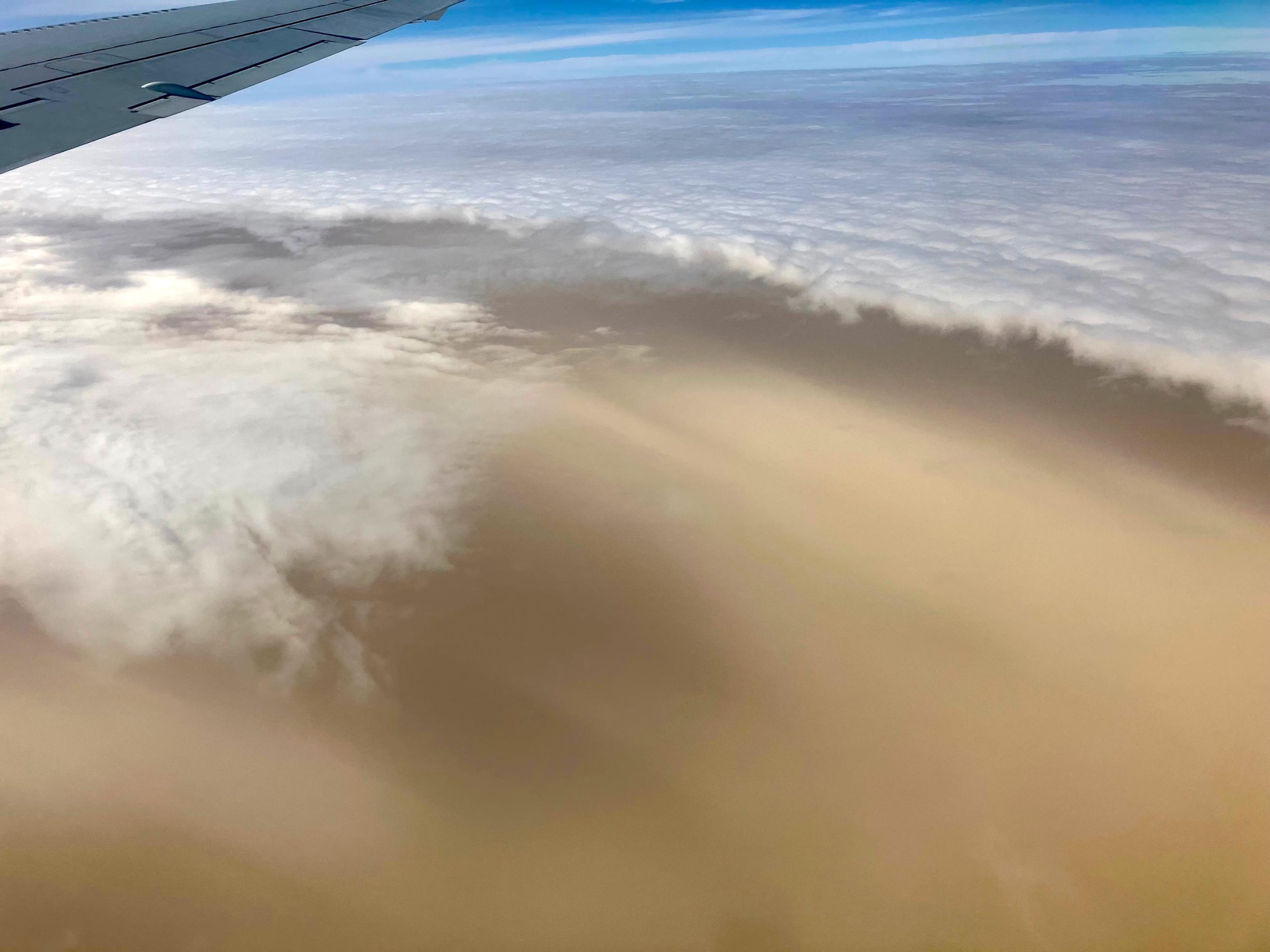
    CPEX-CV Dust Layer
    A layer of dust layered atop a cloud, as seen from the window of the DC-8 Airborne Laboratory. Credit: NASA/Kris Bedka

    NASA’s CPEX-CV mission in September 2022 gathered extensive data on the early stages of hurricane formation off Africa’s northwestern coast, providing insight into how dust, moisture, clouds, and the ocean interact to influence storm development. This publicly available data, which includes detailed profiles of meteorological elements and documentation of a major dust event, is expected to significantly aid future research and weather forecasting.

    When the dust that wafts off the Sahel and Sahara regions of Africa mixes with tropical clouds, it creates what’s known as a rainy “disturbance” in the eastern Atlantic. These disturbances are hurricanes in their youngest form, and as they travel across the ocean, they can either dissipate or grow into powerful storms.

    To study these infant storms, a group of NASA scientists in September 2022 spent a month flying off the northwestern coast of Africa aboard NASA’s DC-8 research plane. Each day, the team took off from Cabo Verde, an island nation off the west coast of Africa, logging roughly 100 hours altogether. The mission, known as the Convective Processes Experiment – Cabo Verde (CPEX-CV) released its data publicly on April 1.
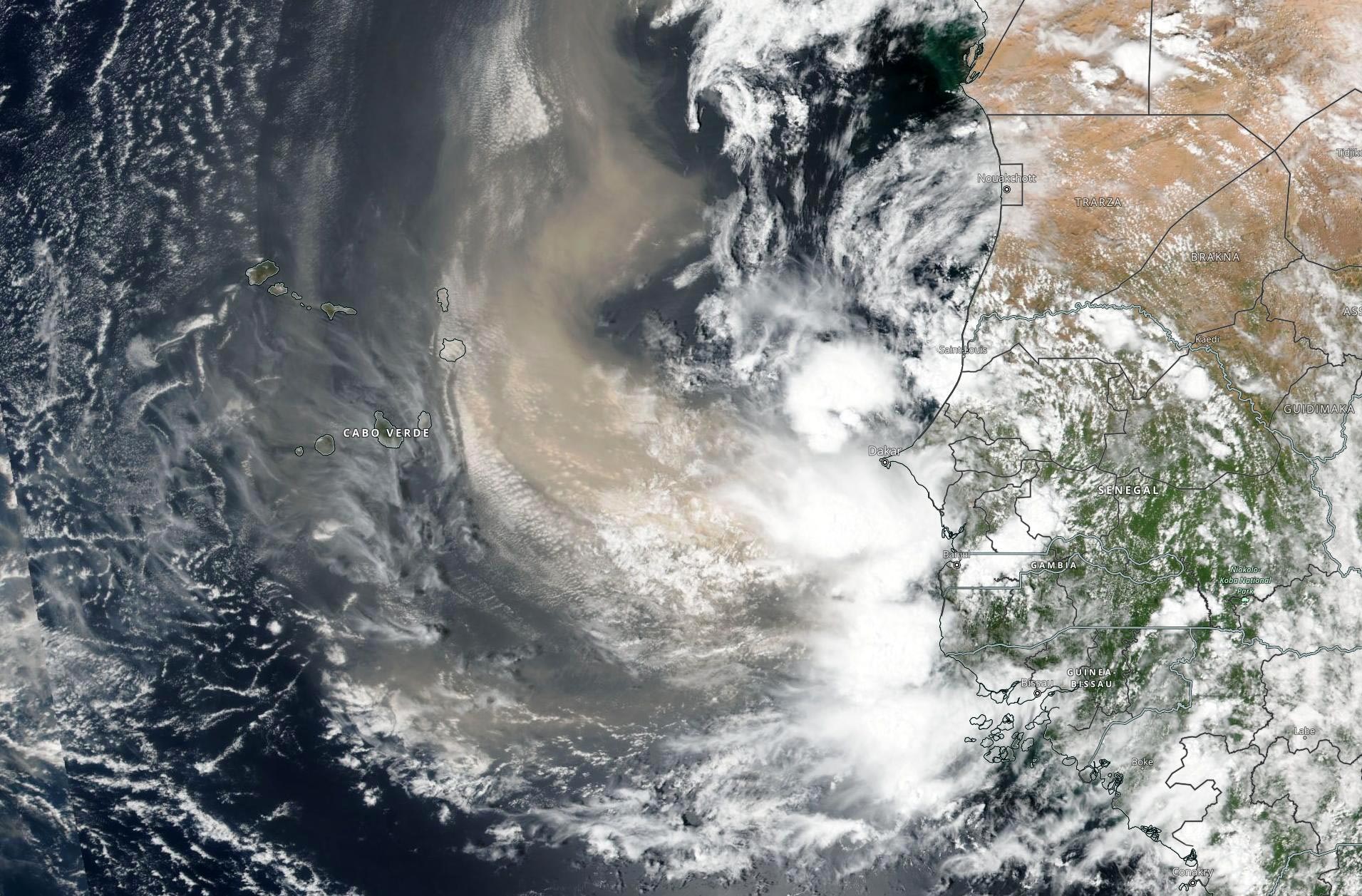
    CPEX Campaign Dust Event
    On September 22, 2022, the CPEX campaign encountered and measured one of the largest dust events that NASA has ever sampled. While the DC-8 Airborne Laboratory captured data with its instruments, the Visible Infrared Imaging Radiometer Suite (VIIRS) affixed to the Suomi NPP spacecraft captured the event from space as pictured above. Credit: NASA

    The CPEX-CV team operated from September 1-30, 2022. Using state-of-the-art remote-sensing lidars, radars, radiometers, and dropsondes—11-inch, lightweight tubes equipped with a parachute that is dropped from the plane to measure wind, temperature, and humidity—scientists captured and logged data for each flight. This month, the instrument teams have submitted data to their respective NASA data archive centers, the NASA Atmospheric Science Data Center, and the Global Hydrometeorology Resource Center.
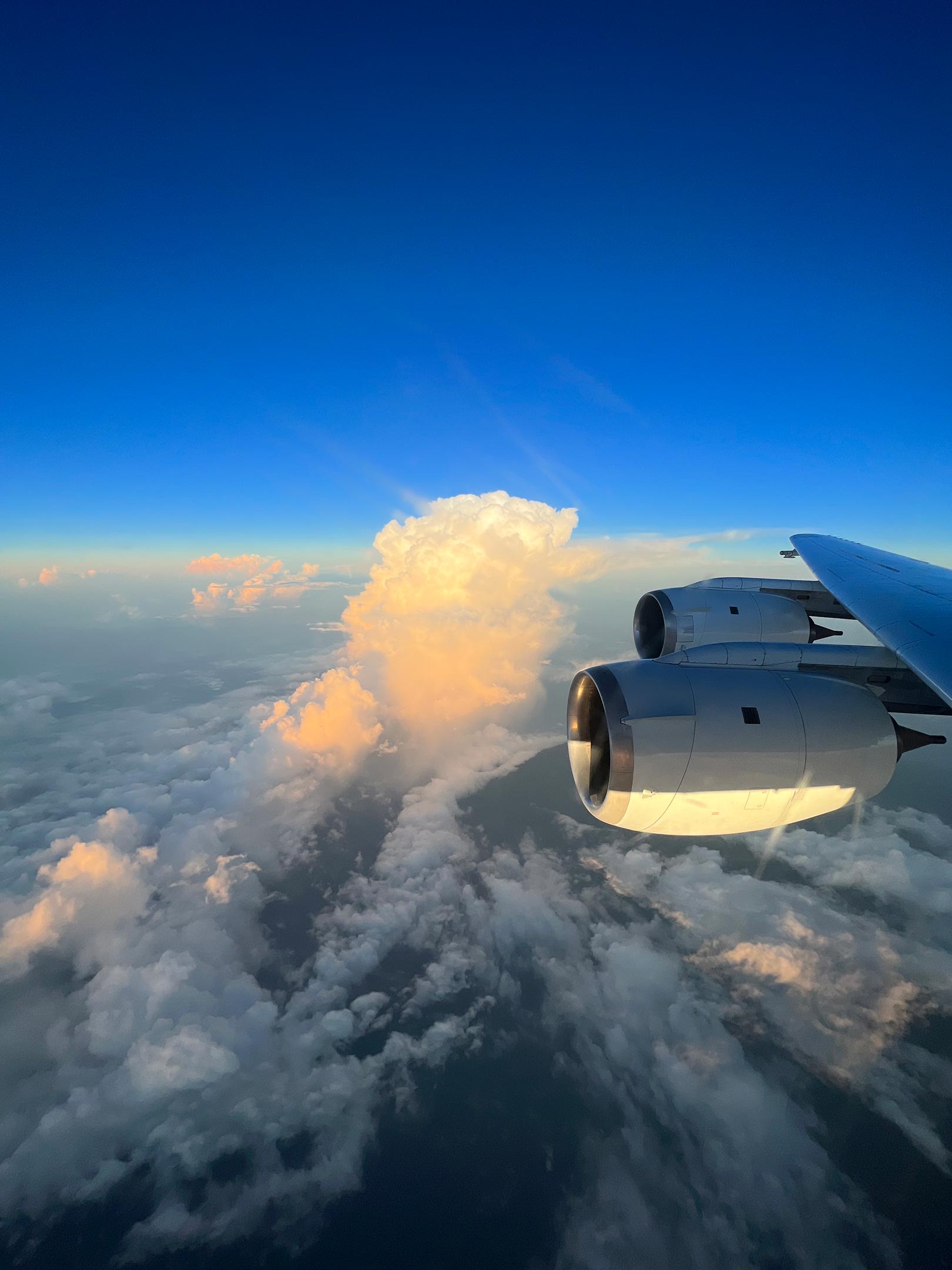
    CPEX DC-8 Aircraft
    The DC-8 aircraft engines are visible through the passenger window. Each day, the team took off from Cabo Verde, an island nation in the east tropical North Atlantic Ocean, logging roughly 100 hours altogether. Credit: NASA/Amin Nehrir

    “Combined with the global picture that satellites provide, this data offers finer details that only an airplane outfitted with instrumentation can measure,” said Will McCarty, CPEX program scientist based at NASA Headquarters in Washington, DC.

    Unlocking the Interactions Between Dust, Clouds, and Storms

    These observations provide a window into how dust, moisture, clouds, and the ocean interact to either build or prevent intensification of the rainy disturbances that have the potential to become hurricanes. This data, which is open and available to the public, will benefit researchers and weather forecasters, especially those in the atmospheric science community, according to Amin Nehrir, a research scientist based at NASA’s Langley Research Center, in Virginia.

    “This can be considered discovery data,” Nehrir said. “It will inevitably help answer questions in years to come that haven’t been asked yet.”

    As the plane flew, sensors on the wingtips of the aircraft measured properties of the dust and clouds. Once the plane was above the clouds, onboard remote sensing instruments captured detailed profiles of Saharan dust, wind speed and direction, temperature, moisture, and the structure of convection and rain within clouds. Together these measurements provide an overall, multidimensional view of what’s in the air over the northeast Atlantic, shedding light onto how those variables influence weather systems in their infancy stage.

    Multiple times in the campaign the DC-8 soared through the Intertropical Convergence Zone (ITCZ), the region where the northeast and southeast trade winds come together. The ITCZ is known by sailors as “the calms” because of its windless weather. Some of the most remote oceans of the world make up the ITCZ, Nehrir said.
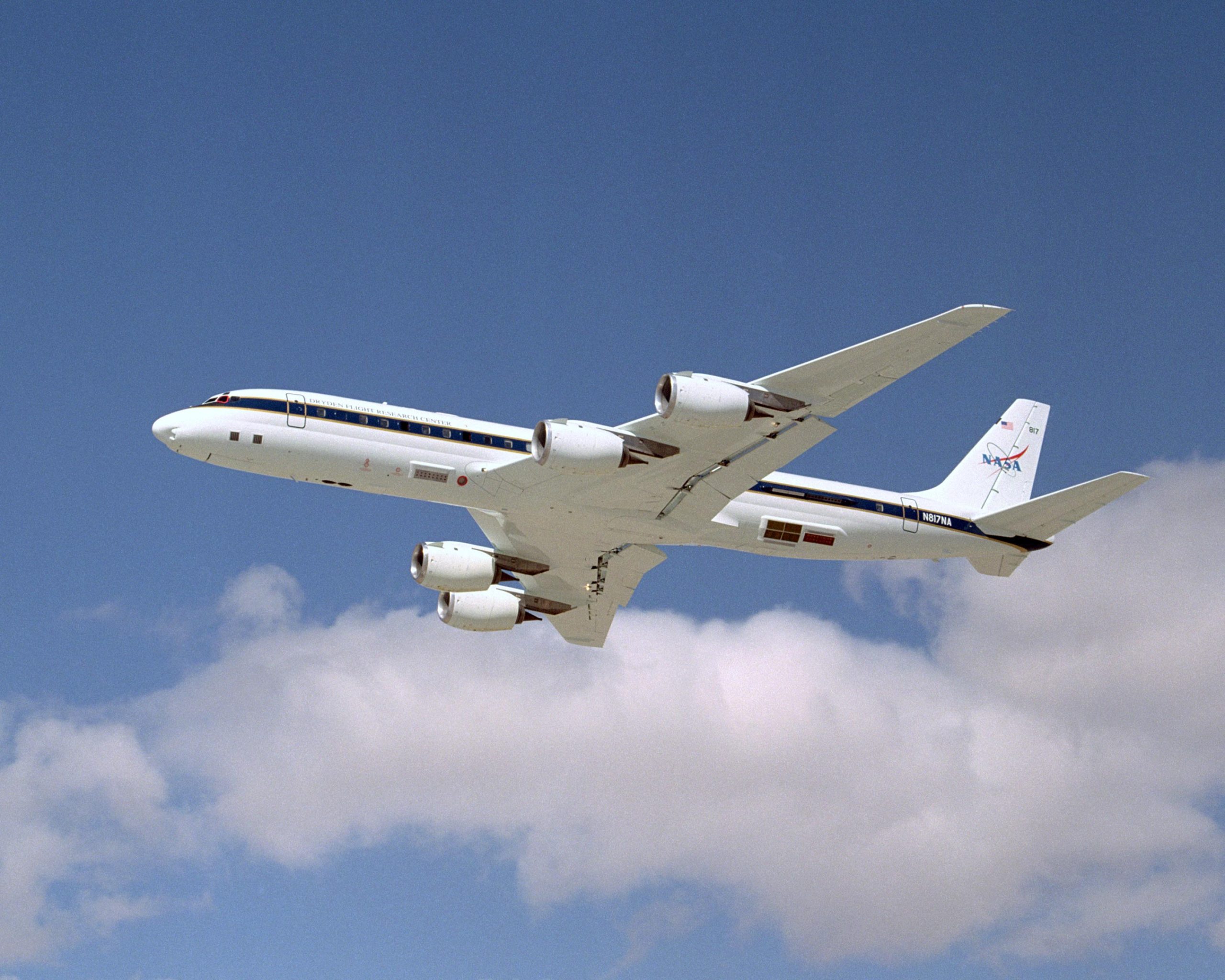
    NASA DC-8 Airborne Laboratory
    NASA’s DC-8 Airborne Laboratory—a highly modified McDonnell Douglas DC-8 jetliner—collects data for experiments in support of scientific projects serving the world’s scientific community. The CPEX team outfitted the flying lab with various remote-sensing lidars, radars, radiometers, and dropsondes to study interactions between Saharan dust and tropical clouds. Credit: NASA/Tony Landis

    “What was most striking to me was being able to look out the window and see how the clouds changed as far as the eye could see from the faint, puffy clouds to cloud streets to convective systems,” he said. “You get to see the progression of convective systems all in one shot.”

    On September 22, 2022, the CPEX campaign encountered and measured one of the largest dust events that NASA has ever sampled.

    “We called it the epic dust day,” Nehrir said. “You could see the strength of these atmospheric waves that propagate off the African shore and pick up air and dust.”
    These “waves” then interact with clouds and convection to influence the early stages of tropical cyclone genesis, which may or may not turn into a hurricane.
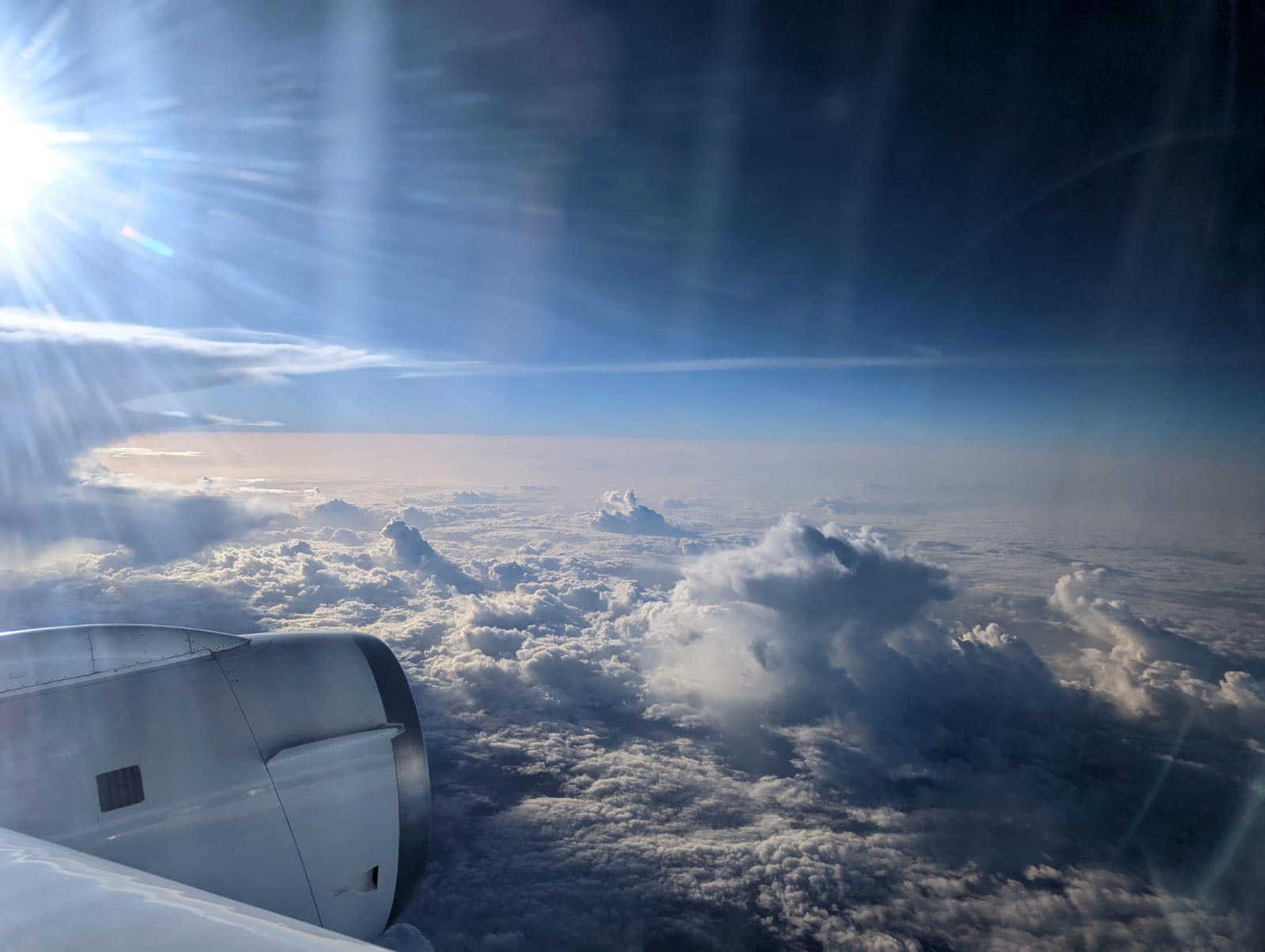
    CPEX-CV Observations
    The CPEX-CV observations offer a window into how dust, moisture, clouds, and the ocean interact to either build or prevent intensification of the rainy disturbances that have the potential to become hurricanes. This data, which is open and available to the public, will benefit researchers and weather forecasters, especially those in the atmospheric science community. Credit: NASA/Amin Nehrir

    The 2022 CPEX-CV campaign was preceded by CPEX in 2017 and CPEX – Aerosols & Winds in 2021. Data from the previous campaigns is also available to the public.

    “Nine science projects and 10 instrument and support teams were funded under this campaign, so those investigators helped plan the mission, and now they will take that data back to their home institutions to learn what they can,” McCarty said. “Now it’s off to the races.”

    Never miss a breakthrough: Join the SciTechDaily newsletter.
    Follow us on Google and Google News.

    Hurricane NASA Storms Weather
    Share. Facebook Twitter Pinterest LinkedIn Email Reddit

    Related Articles

    Hurricane Ian Enters the Gulf of Mexico – Headed Toward the West Coast of Florida

    Hurricane Fiona & Typhoon Nanmadol: Powerful Storms Hit Puerto Rico and Japan

    Hurricane Ida Leaves a Trail of Oil in the Gulf of Mexico

    A Changed Landscape in Southern Louisiana After Hurricane Ida: Large New Patches of Open Water

    NASA Satellite Observes Massive Power Outages in New Orleans

    Stunning NASA Image Captures Tropical Storm Ida at It Passes Over the Southern U.S.

    Dramatic NASA Satellite Video Examines Hurricane Ida’s Eye in 3D

    Hurricane Ida Batters Louisiana: 5th-Strongest Storm Ever To Make Landfall in the Continental U.S.

    Incredible View of Tropical Storm Elsa Captured From Space

    Leave A Reply Cancel Reply

    • Facebook
    • Twitter
    • Pinterest
    • YouTube

    Don't Miss a Discovery

    Subscribe for the Latest in Science & Tech!

    Trending News

    Enormous Prehistoric Insects Puzzle Scientists

    Scientists Develop Bioengineered Chewing Gum That Could Help Fight Oral Cancer

    After 37 Years, the World’s Longest-Running Soil Warming Experiment Uncovers a Startling Climate Secret

    NASA Satellite Captures First-Ever High-Res View of Massive Pacific Tsunami

    ADHD Isn’t Just a Deficit: Study Reveals Powerful Hidden Strengths

    Scientists Discover Stem Cells That Could Regrow Teeth and Bone

    Early Cannabis Use May Stall Key Brain Skills in Teens

    Popular Vitamin D Supplement Has “Previously Unknown” Negative Effect, Study Finds

    Follow SciTechDaily
    • Facebook
    • Twitter
    • YouTube
    • Pinterest
    • Newsletter
    • RSS
    SciTech News
    • Biology News
    • Chemistry News
    • Earth News
    • Health News
    • Physics News
    • Science News
    • Space News
    • Technology News
    Recent Posts
    • Rewriting Dinosaur Evolution: Scientists Unearth Remarkable 150-Million-Year-Old Stegosaur Skull
    • Scientists Identify Two Simple Treatments for Cancer-Related Cognitive Impairment
    • Omega-3 Supplements Linked to Cognitive Decline in Surprising New Study
    • One in Five at Risk: Scientists Identify a Hidden Blood Particle Linked to Higher Risk of Stroke and Death
    • Darwin’s Islands Still Evolving: Giant Daisies Rewrite the Rules of Evolution
    Copyright © 1998 - 2026 SciTechDaily. All Rights Reserved.
    • Science News
    • About
    • Contact
    • Editorial Board
    • Privacy Policy
    • Terms of Use

    Type above and press Enter to search. Press Esc to cancel.