
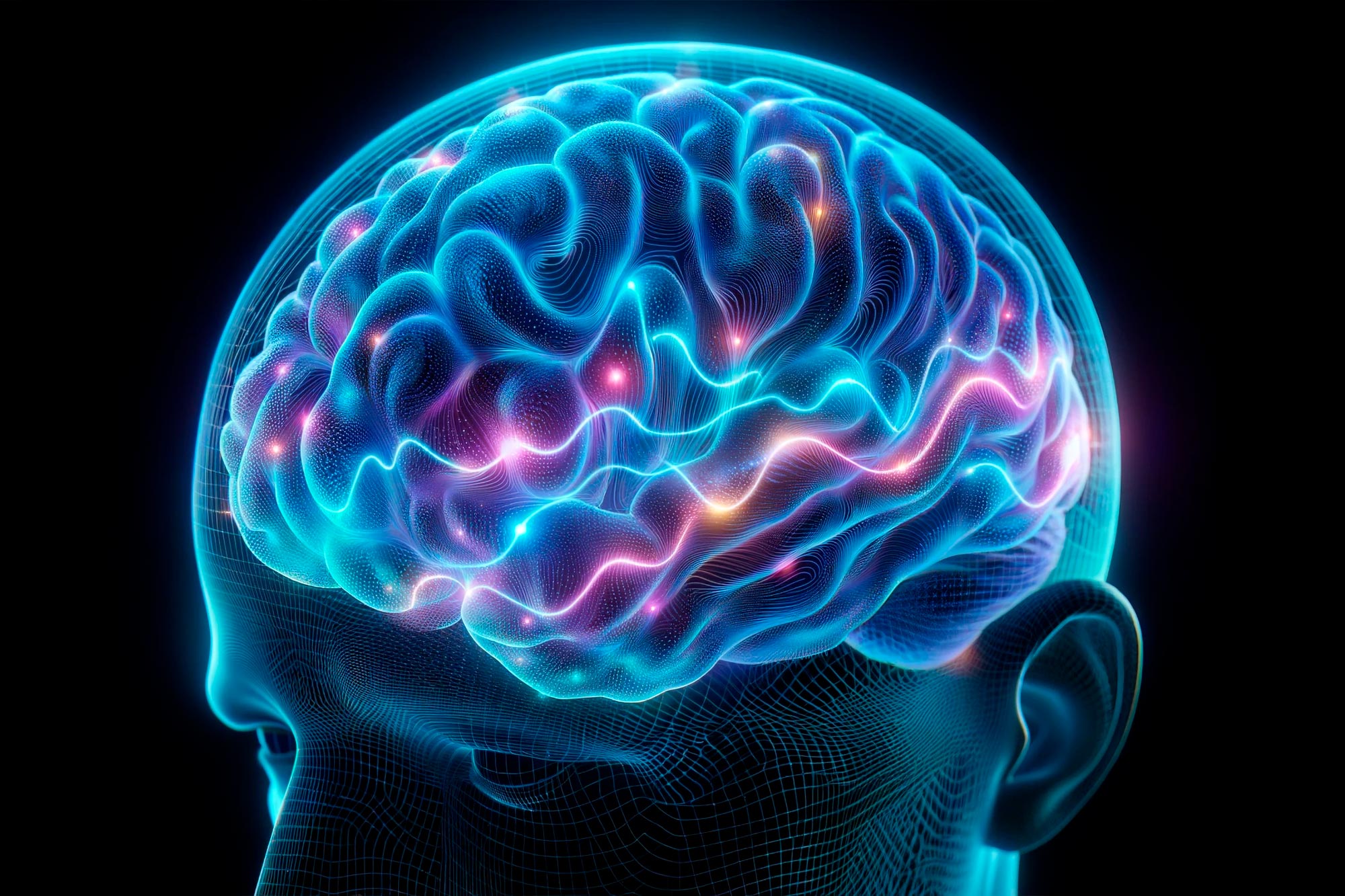
According to a groundbreaking study, the daily impacts of sleep, exercise, heart rate, and mood—both positive and negative—can resonate in our brains for more than two weeks.
A unique study tracked a single individual’s brain function over several months, revealing that daily life impacts such as sleep quality and physical exercise influence brain activity over time. The findings suggest prolonged effects on cognition and memory.
In a pioneering, longitudinal study, researchers from Aalto University and the University of Oulu monitored the brain and behavioral activity of a single individual over five months, employing brain scans alongside data gathered from wearable devices and smartphones.
Understanding Brain Responses Over Time
“We wanted to go beyond isolated events,” says research leader Ana Triana. “Our behavior and mental states are constantly shaped by our environment and experiences. Yet, we know little about the response of brain functional connectivity to environmental, physiological, and behavioral changes on different timescales, from days to months.”
The study found that our brains do not respond to daily life in immediate, isolated bursts. Instead, brain activity evolves in response to sleep patterns, physical activity, mood, and respiration rate over many days. This suggests that even a workout or a restless night from last week could still affect your brain — and therefore your attention, cognition, and memory — well into next week.
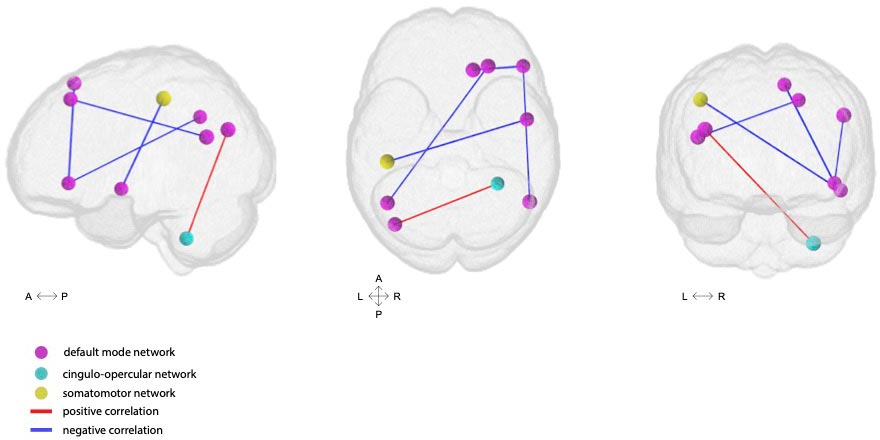
The research also revealed a strong link between heart rate variability — a measure of the heart’s adaptability — and brain connectivity, particularly during rest. This suggests that impacts on our body’s relaxation response, like stress management techniques, could shape our brain’s wiring even when we are not actively concentrating on a task. Physical activity was also found to positively influence the way brain regions interact, potentially impacting memory and cognitive flexibility. Even subtle shifts in mood and heart rate left lasting imprints for up to fifteen days.
Role of Wearable Technology in Brain Research
The research is unusual in that few brain studies involve detailed monitoring over days and weeks. “The use of wearable technology was crucial,” says Triana. “Brain scans are useful tools, but a snapshot of someone lying still for half an hour can only show so much. Our brains do not work in isolation.”
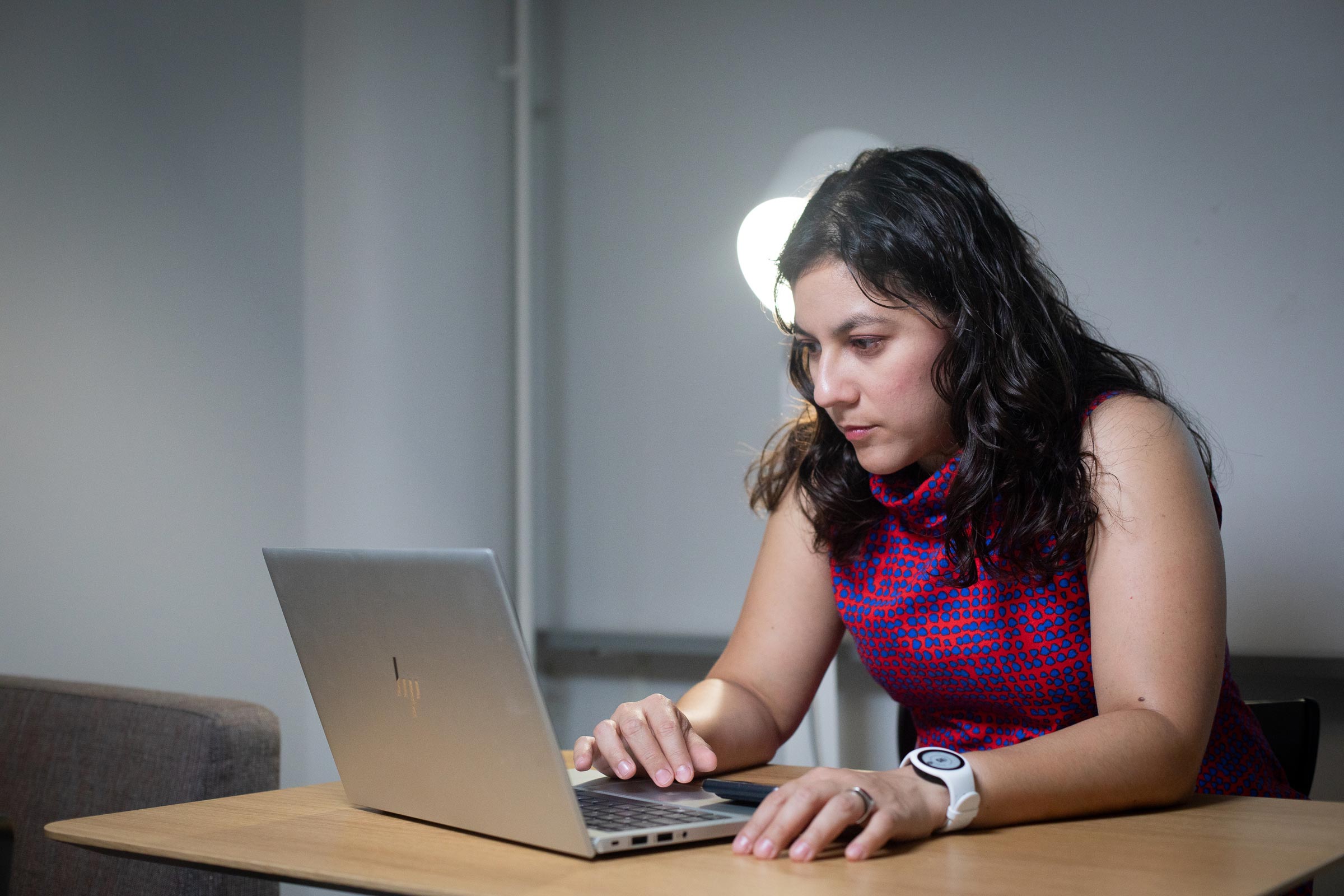
Triana was herself the subject of the research, monitored as she went about her daily life. Her unique role as both lead author and study participant added complexity, but also brought firsthand insights into how best to maintain research integrity over several months of personalized data collection.
“At the beginning, it was exciting and a bit stressful. Then, routine settles in and you forget,” says Triana. Data from the devices and twice-weekly brain scans were complemented by qualitative data from mood surveys.
Analyzing Response Patterns in Brain Activity
The researchers identified two distinct response patterns: a short-term wave lasting under seven days and a long-term wave up to fifteen days. The former reflects rapid adaptations, like how focus is impacted by poor sleep, but it recovers quickly. The long wave suggests more gradual, lasting effects, particularly in areas tied to attention and memory.
The researchers hope their innovative approach will inspire future studies that combine brain data with everyday life to help personalize mental health treatment.
“We must bring data from daily life into the lab to see the full picture of how our habits shape the brain, but surveys can be tiring and inaccurate,” says study co-author, neuroscientist, and physician Dr. Nick Hayward. “Combining concurrent physiology with repeated brain scans in one person is crucial. Our approach gives context to neuroscience and delivers very fine detail to our understanding of the brain.”
Pioneering Personalized Brain Research
The study is also a proof-of-concept for patient research. Tracking brain changes in real-time could help detect neurological disorders early, especially mental health conditions where subtle signs might be missed.
“Linking brain activity with physiological and environmental data could revolutionize personalized healthcare, opening doors for earlier interventions and better outcomes,” says Triana.
The results will be published today (October 8) in PLOS Biology.
Reference: “Longitudinal single-subject neuroimaging study reveals effects of daily environmental, physiological, and lifestyle factors on functional brain connectivity” by Ana María Triana, Juha Salmi, Nicholas Mark Edward Alexander Hayward, Jari Saramäki and Enrico Glerean, 8 October 2024, PLOS Biology.
DOI: 10.1371/journal.pbio.3002797
Never miss a breakthrough: Join the SciTechDaily newsletter.
Follow us on Google and Google News.
1 Comment
We should not aside we are able to modify, or direct, what systemic repair systems were enabled during pre natal development.
Rhe brain, as created, is superior to all other brains in life created.
Abuse intentional or accidental of inborn mechanisms will naturally yield negative results. KISS.