
Close Menu
    Facebook X (Twitter) Instagram
    SciTechDaily
    • Biology
    • Chemistry
    • Earth
    • Health
    • Physics
    • Science
    • Space
    • Technology
    Facebook X (Twitter) Pinterest YouTube RSS
    SciTechDaily
    Home»Biology»Traumatic Memories Manipulated in Sleeping Mice
    Biology

    Traumatic Memories Manipulated in Sleeping Mice

    By SciTechDailyOctober 18, 2012No Comments2 Mins Read
    Facebook Twitter Pinterest Telegram LinkedIn WhatsApp Email Reddit
    Share
    Facebook Twitter LinkedIn Pinterest Telegram Email Reddit
    mice-memory-erasure
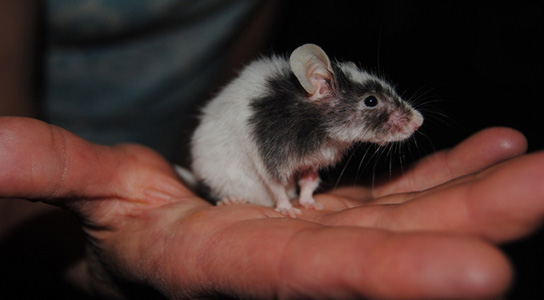
    Researchers have developed sleep-based therapies to address traumatic memories. Credit: Image by angeladellatorre under Creative Commons license

    Researchers at Stanford University have been able to provide sleep-based therapies to deal with traumatic memories, which could reduce fearful responses during waking hours.

    The scientists presented their findings at the Society for Neuroscience meeting in New Orleans, Louisiana. Sleep-based therapies could help treat conditions like post-traumatic stress disorder. One of the most common treatments for PTSD requires the patient to recall the original trauma in a controlled environment. With repeated exposures to the memory, patients can learn how to deal with it and avoid further flashbacks.

    lecomte-du-nouy
    A Eunuch’s Dream by Jean-Jules-Antoine Lecomte du Nouÿ, via Wikimedia Commons.

    Many patients who undergo that therapy eventually relapse. As an alternative, the scientists have been trying to see if they could manipulate memories during the sleep cycle. They trained mice to fear the smell of jasmine by repeatedly pairing puffs of amyl acetate with weak electric shocks delivered to their feet. After 24 hours, the mice would freeze upon smelling the chemical.

    The researchers administered a protein blocker into the basolateral amygdala, the area of the brain associated with the storage of fearful memories, just before the mice went to sleep. Then, while the mice slept, they were repeatedly exposed to the odor puffs. Upon waking up, the animals showed a reduced fear response to the chemical odor puffs that carried over to new environments.

    It’s causing a reactivation of the same neurons that encoded the information during wakefulness, states Gina Poe, a sleep researcher at the University of Michigan. She thinks that the protein synthesis drug doesn’t allow the memory to be restored in the same way as it was before.

    This drug isn’t safe for humans, but existing anti-anxiety medications could potentially have similar effects when paired with sleep-based exposure therapy. Further tests are needed to uncover the exact cellular mechanisms of the treatment.

    Never miss a breakthrough: Join the SciTechDaily newsletter.
    Follow us on Google and Google News.

    Brain Memory Manipulation Neuroscience PTSD Sleep Science
    Share. Facebook Twitter Pinterest LinkedIn Email Reddit

    Related Articles

    Scientists Discover a New Daily Rhythm Providing Insight Into How Brain Activity Is Fine-Tuned

    Unlocking the Power of Our Emotional Memory To Cure Mental Health Disorders Like Depression and PTSD

    Scientists Find Protein That Indicates Whether Emotional Memories Can Be Changed or Forgotten

    Evidence of Sleep-Dependent Brain Activity in Clearing Toxic Proteins and Preventing Alzheimer’s Disease

    Scientists Uncover Brain Mechanism That May Explain Why Sleep Helps You Learn

    Unlocking the Neuroscience of How Experiencing Traumatic Stress Leads to Aggression

    Healthy Sleep Linked to Earthquake-Like Brain-Wave Bursts of Intrinsic Arousal Activations

    Intense Brain Activity Drives Need for Sleep, Not Just How Long You’ve Been Awake

    Scientists Discover Link Between TBI and PTSD

    Leave A Reply Cancel Reply

    • Facebook
    • Twitter
    • Pinterest
    • YouTube

    Don't Miss a Discovery

    Subscribe for the Latest in Science & Tech!

    Trending News

    Just a Few Breathless Minutes a Day Could Slash Your Risk of 8 Major Diseases

    This Simple Habit Could Cut Your Risk of Dementia by 30%

    Scientists Debunk Rattlesnake Myth That Fooled Hikers and Doctors for Decades

    Scientists Discover Plants Can “Count” – and May Be Smarter Than We Thought

    New Research Reveals Ancient Mars May Have Been Warm, Wet – and Possibly Alive

    This Surprising Daily Habit Could Cut Dementia Risk by 35%

    Just 10 Minutes a Day: Scientists Say This Ancient Chinese Practice Shows Powerful Blood Pressure Benefits

    Scientists Say This Popular Food Could Help Your Body Get Rid of Microplastics

    Follow SciTechDaily
    • Facebook
    • Twitter
    • YouTube
    • Pinterest
    • Newsletter
    • RSS
    SciTech News
    • Biology News
    • Chemistry News
    • Earth News
    • Health News
    • Physics News
    • Science News
    • Space News
    • Technology News
    Recent Posts
    • What Causes Chronic Pain? Scientists Identify Key Culprit in the Brain
    • Semaglutide Shows Surprising Mental Health Benefits in Massive 100,000-Person Study
    • This Little-Known Japanese Fruit Could Help Stop Lung Cancer Before It Starts
    • Scientists Uncover Giant Lava Fields From an Active Underwater Volcano
    • Baffling Geologists for 150 Years: New Study Finally Solves Green River Mystery
    Copyright © 1998 - 2026 SciTechDaily. All Rights Reserved.
    • Science News
    • About
    • Contact
    • Editorial Board
    • Privacy Policy
    • Terms of Use

    Type above and press Enter to search. Press Esc to cancel.