
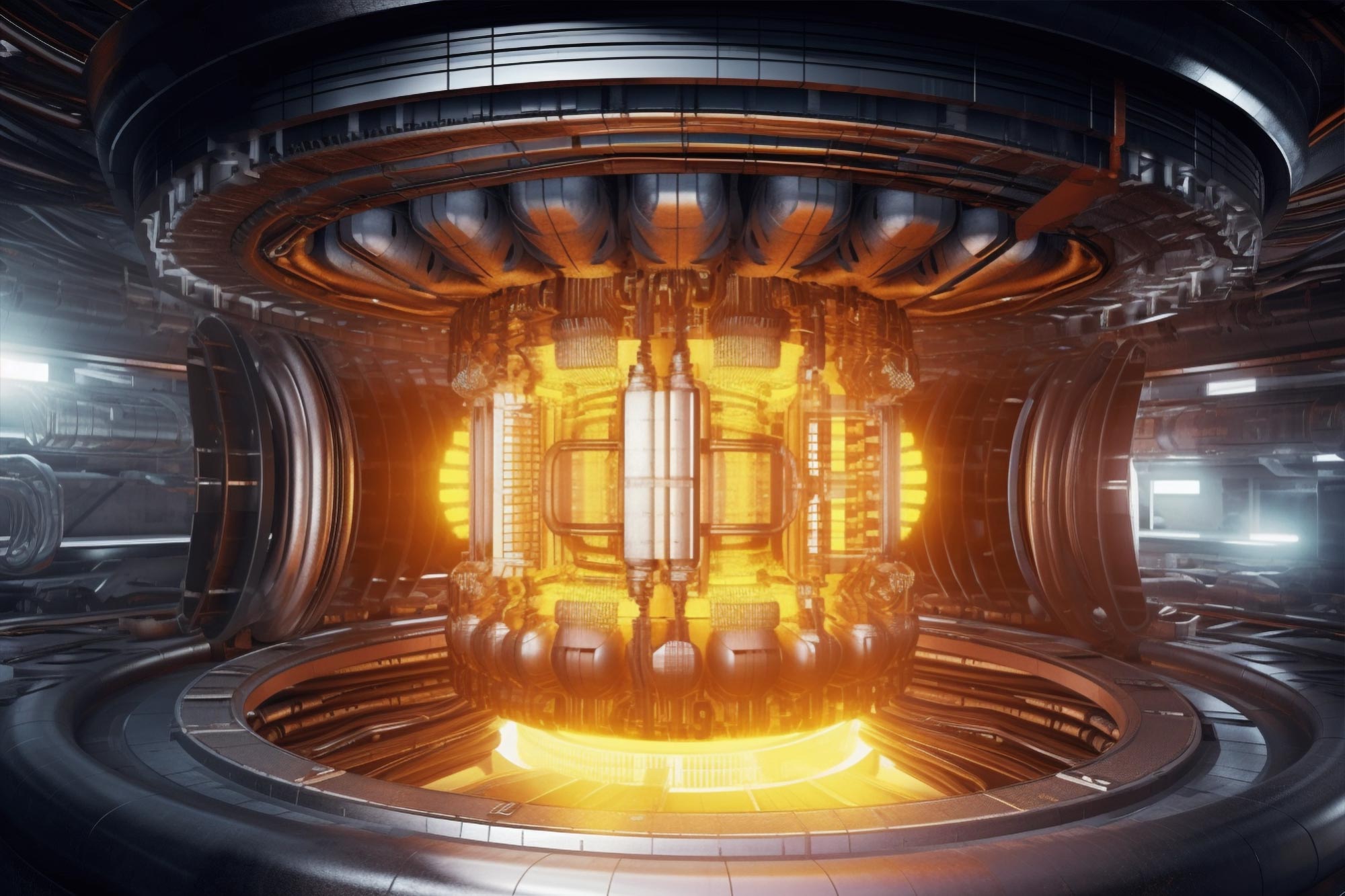
Fusion’s success as a renewable energy depends on the creation of an industry to support it, and academia is vital to that industry’s development.
A new study suggests that universities have an essential role to fulfill in the continued growth and success of any modern high-tech industry, and especially the nascent fusion industry; however, the importance of that role is not reflected in the number of fusion-oriented faculty and educational channels currently available. Academia’s responsiveness to the birth of other modern scientific fields, such as aeronautics and nuclear fission, provides a template for the steps universities can take to enable a robust fusion industry.
Insights from Experts
Authored by Dennis Whyte, the Hitachi America Professor of Engineering and director of the Plasma Science and Fusion Center at MIT; Carlos Paz-Soldan, associate professor of applied physics and applied mathematics at Columbia University; and Brian D. Wirth, the Governor’s Chair Professor of Computational Nuclear Engineering at the University of Tennessee, the paper was recently published in the journal Physics of Plasmas as part of a special collection titled “Private Fusion Research: Opportunities and Challenges in Plasma Science.”
With contributions from authors in academia, government, and private industry, the collection outlines a framework for public-private partnerships that will be essential for the success of the fusion industry.
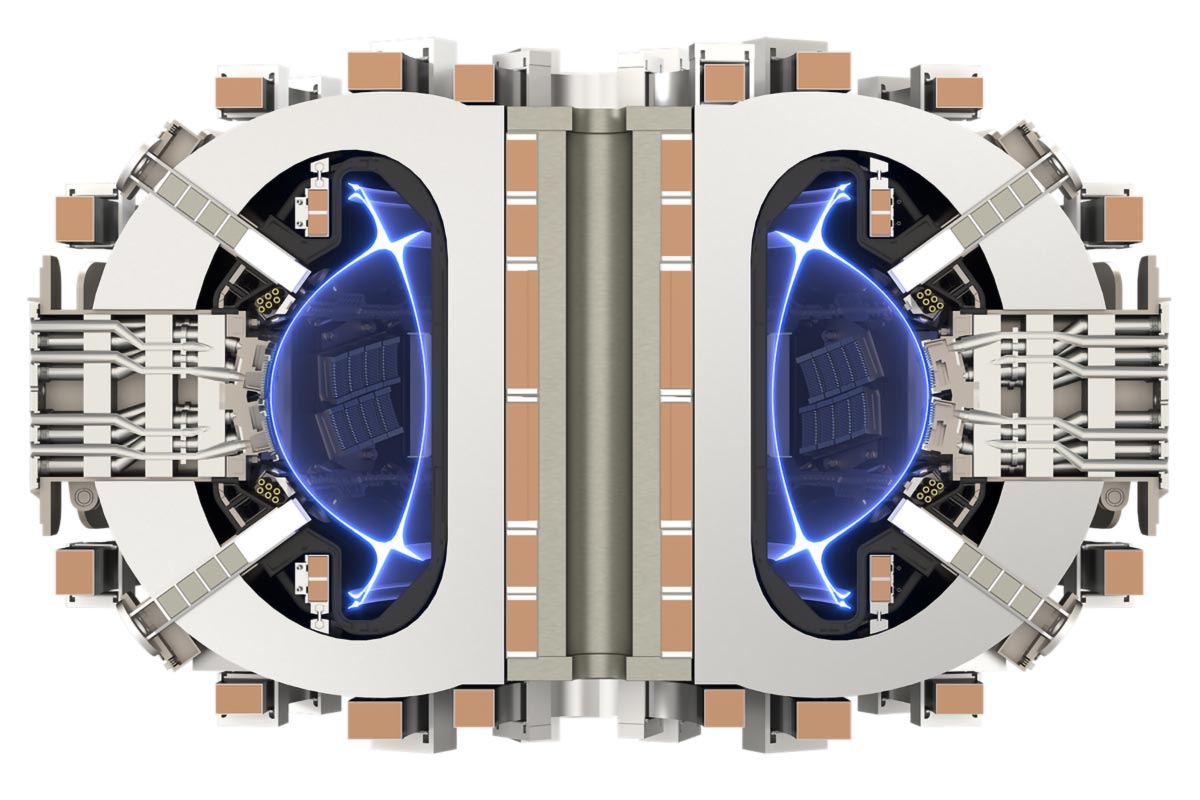
Fusion Energy: A Green Revolution
Now being seen as a potential source of unlimited green energy, fusion is the same process that powers the sun — hydrogen atoms combine to form helium, releasing vast amounts of clean energy in the form of light and heat.
The excitement surrounding fusion’s arrival has resulted in the proliferation of dozens of for-profit companies positioning themselves at the forefront of the commercial fusion energy industry. In the near future, those companies will require a significant network of fusion-fluent workers to take on varied tasks requiring a range of skills.
Academia and Industry: A Symbiotic Relationship
While the authors acknowledge the role of private industry, especially as an increasingly dominant source of research funding, they also show that academia is and will continue to be critical to industry’s development, and it cannot be decoupled from private industry’s growth. Despite the evidence of this burgeoning interest, the size and scale of the field’s academic network at U.S.-based universities is sparse.
According to Whyte, “Diversifying the [fusion] field by adding more tracks for master’s students and undergraduates who can transition into industry more quickly is an important step.”
An analysis found that while there are 57 universities in the United States active in plasma and fusion research, the average number of tenured or tenure-track plasma/fusion faculty at each institution is only two. By comparison, a sampling of US News and World Report’s top 10 programs for nuclear fission and aeronautics/astronautics found an average of nearly 20 faculty devoted to fission and 32 to aero/astro.
“University programs in fusion and their sponsors need to up their game and hire additional faculty if they want to provide the necessary workforce to support a growing U.S. fusion industry,” adds Paz-Soldan.
Interdisciplinary Approach and Practical Examples
The growth and proliferation of those fields and others, such as computing and biotechnology, were historically in lockstep with the creation of academic programs that helped drive the fields’ progress and widespread acceptance. Creating a similar path for fusion is essential to ensuring its sustainable growth, and as Wirth notes, “that this growth should be pursued in a way that is interdisciplinary across numerous engineering and science disciplines.”
At MIT, an example of that path is seen at the Plasma Science and Fusion Center.
The center has deep historical ties to government research programs, and the largest fusion company in the world, Commonwealth Fusion Systems (CFS), was spun out of the PSFC by Whyte’s former students and an MIT postdoc. Whyte also serves as the primary investigator in collaborative research with CFS on SPARC, a proof-of-concept fusion platform for advancing tokamak science that is scheduled for completion in 2025.
“Public and private roles in the fusion community are rapidly evolving in response to the growth of privately funded commercial product development,” says Michael Segal, head of open innovation at CFS. “The fusion industry will increasingly rely on its university partners to train students, work across diverse disciplines, and execute small and midsize programs at speed.”
Academia’s Unique Position and Wider Implications
According to the authors, another key reason academia will remain essential to the continued growth and development of fusion is because it is unconflicted. Whyte comments, “Our mandate is sharing information and education, which means we have no competitive conflict and innovation can flow freely.” Furthermore, fusion science is inherently multidisciplinary: “[It] requires physicists, computer scientists, engineers, chemists, etc. and it’s easy to tap into all those disciplines in an academic environment where they’re all naturally rubbing elbows and collaborating.”
Creating a new energy industry, however, will also require a workforce skilled in disciplines other than STEM, say the authors. As fusion companies continue to grow, they will need expertise in finance, safety, licensing, and market analysis. Any successful fusion enterprise will also have major geopolitical, societal, and economic impacts, all of which must be managed.
Strategies for Building Academia-Industry Connections
Ultimately, there are several steps the authors identify to help build the connections between academia and industry that will be important going forward: The first is for universities to acknowledge the rapidly changing fusion landscape and begin to adapt. “Universities need to embrace the growth of the private sector in fusion, recognize the opportunities it provides, and seek out mutually beneficial partnerships,” says Paz-Soldan.
The second step is to reconcile the mission of educational institutions — unconflicted open access — with condensed timelines and proprietary outputs that come with private partnerships. At the same time, the authors note that private fusion companies should embrace the transparency of academia by publishing and sharing the findings they can through peer-reviewed journals, which will be a necessary part of building the industry’s credibility.
The last step, the authors say, is for universities to become more flexible and creative in their technology licensing strategies to ensure ideas and innovations find their way from the lab into industry.
“As an industry, we’re in a unique position because everything is brand new,” Whyte says. “But we’re enough students of history that we can see what’s needed to succeed; quantifying the status of the private and academic landscape is an important strategic touchstone. By drawing attention to the current trajectory, hopefully we’ll be in a better position to work with our colleagues in the public and private sector and make better-informed choices about how to proceed.”
Reference: ” The academic research ecosystem required to support the development of fusion energy” by D. G. Whyte, C. Paz-Soldan and B. Wirth, 29 September 2023, Physics of Plasmas.
DOI: 10.1063/5.0167369
Never miss a breakthrough: Join the SciTechDaily newsletter.
Follow us on Google and Google News.
2 Comments
While the authors acknowledge the role of private industry, especially as an increasingly dominant source of research funding, they also show that academia is and will continue to be critical to industry’s development, and it cannot be decoupled from private industry’s growth. The academic community can explain all the questions faced by nuclear physics via having two sets of cobalt 60 rotate in reverse. This is what the Physics Review Letters (PRL) have already done and are currently doing.
There are underground chamber carved like the inside of a tokamak,like the inside of a torroid, like the inside of a donut.
They must be fusion chambers!!!