
Close Menu
    Facebook X (Twitter) Instagram
    SciTechDaily
    • Biology
    • Chemistry
    • Earth
    • Health
    • Physics
    • Science
    • Space
    • Technology
    Facebook X (Twitter) Pinterest YouTube RSS
    SciTechDaily
    Home»Space»Galactic Bloodlines: The Surprising Ancestry of Nearby Star Clusters
    Space

    Galactic Bloodlines: The Surprising Ancestry of Nearby Star Clusters

    By University of ViennaJune 21, 2024No Comments6 Mins Read
    Facebook Twitter Pinterest Telegram LinkedIn WhatsApp Email Reddit
    Share
    Facebook Twitter LinkedIn Pinterest Telegram Email Reddit
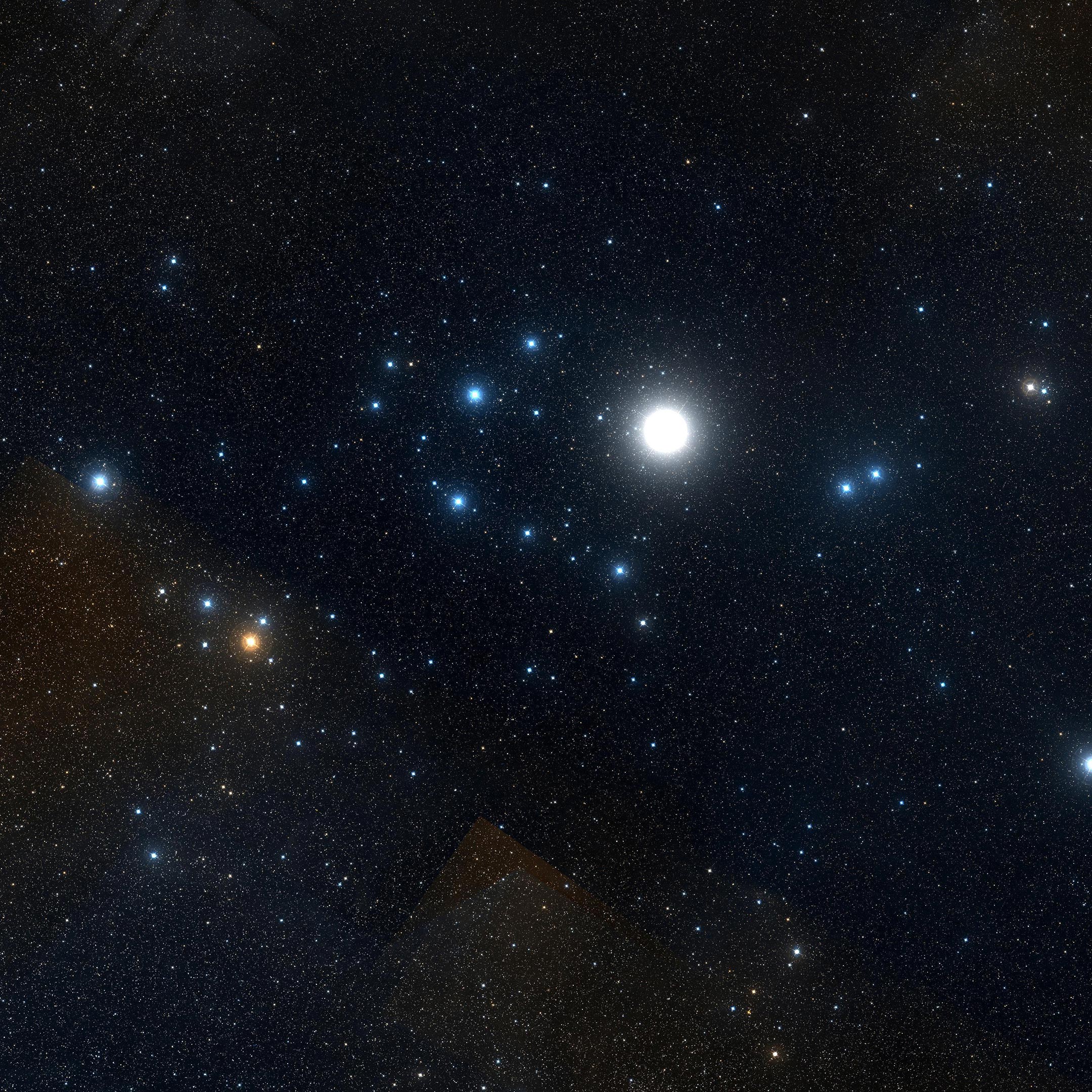
    Alpha Persei Star Cluster
    The Alpha Persei star cluster: An optical image of the Alpha Persei star cluster from the second Digitized Sky Survey (DSS-II). This cluster is one of the earliest formed in the Alpha Persei family and is the namesake of the family. Credit: ESO/STScI Digitized Sky Survey II

    Many nearby star clusters, originating from just three “families,” have a formation history marked by supernova explosions that also left traces on Earth.

    Astronomers from the University of Vienna traced the origins of nearby young star clusters to three massive star-forming regions. Using Gaia mission data, they found that supernova explosions significantly shaped our Milky Way’s gas structures, including the Local Bubble around our solar system.
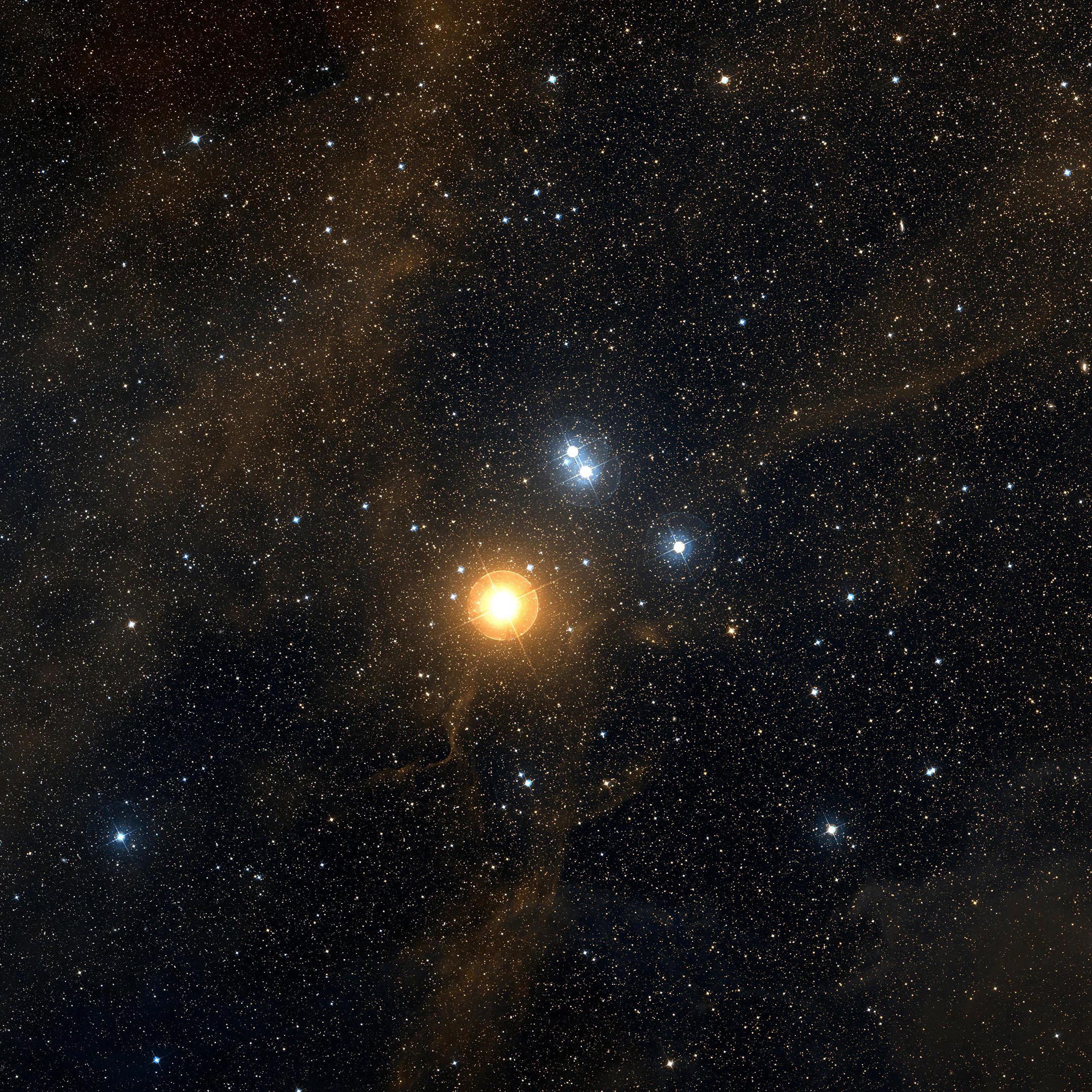
    Collinder 135 Star Cluster
    The Collinder 135 star cluster: An optical image of the Collinder 135 star cluster from the second Digitized Sky Survey (DSS-II). This cluster is one of the earliest formed in the Collinder 135 family and is the namesake of the family. Credit: ESO/STScI Digitized Sky Survey II

    Many Nearby Star Clusters Originate From Only Three “Families”

    An international team of astronomers led by the University of Vienna has deciphered the formation history of young star clusters, some of which we can see with the naked eye at night. The team, led by Cameren Swiggum and João Alves from the University of Vienna and Robert Benjamin from the University of Wisconsin-Whitewater, reports that most nearby young star clusters belong to only three families, which originate from very massive star-forming regions.

    This research also provides new insights into the effects of supernovae (violent explosions at the end of the life of very massive stars) on the formation of giant gas structures in galaxies like our Milky Way. The results were published recently in the renowned journal Nature.
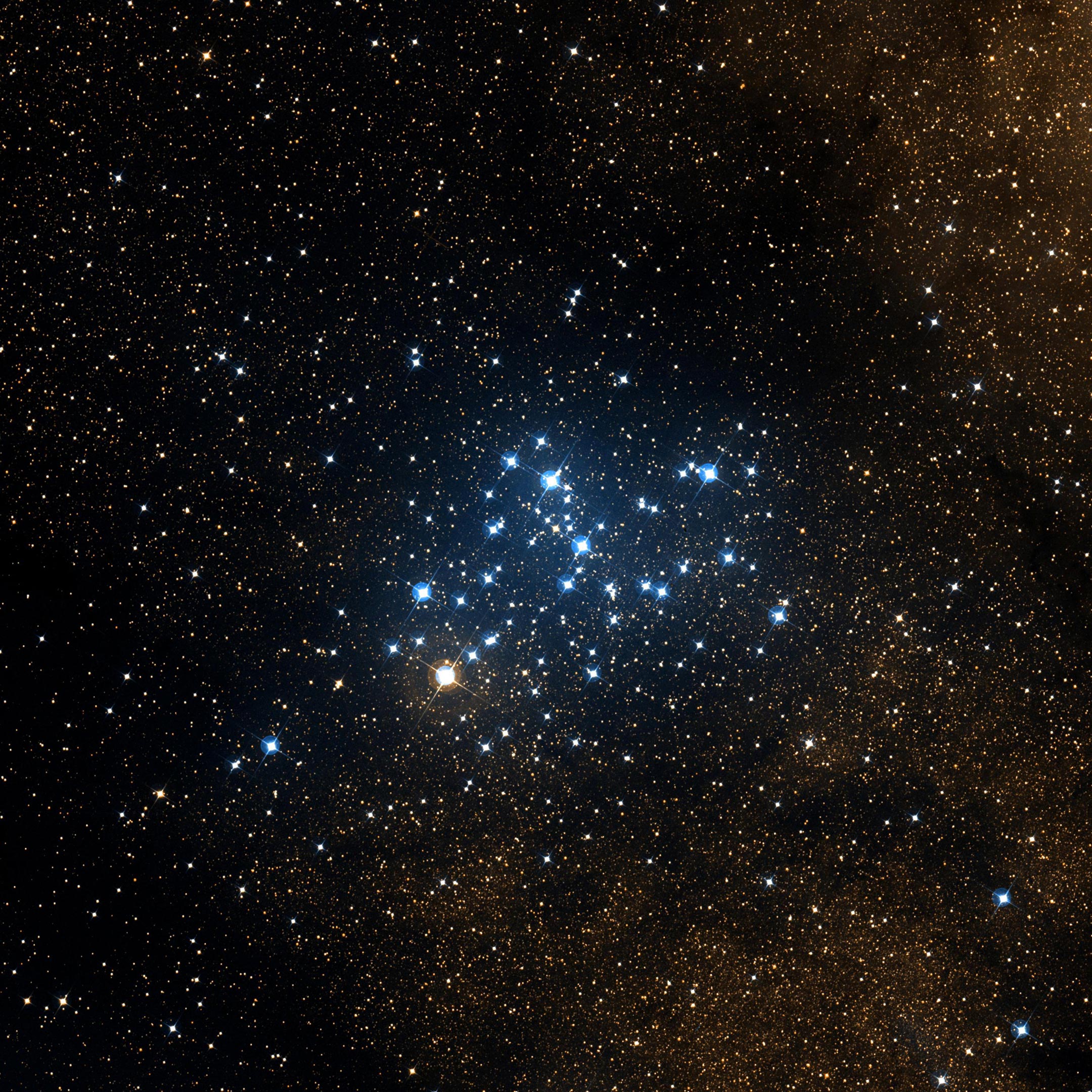
    Messier 6 Star Cluster
    The Messier 6 star cluster: An optical image of the Messier 6 star cluster, also known as the “Butterfly cluster”, from the second Digitized Sky Survey (DSS-II). This cluster is one of the earliest formed in the Messier 6 family and is the namesake of the family. Credit: ESO/STScI Digitized Sky Survey II

    Exploring the Milky Way’s Structure

    “Young star clusters are excellent for exploring the history and structure of the Milky Way. By studying their movements in the past and thus their origin, we also gain important insights into the formation and evolution of our galaxy,” says João Alves from the University of Vienna, co-author of the study.

    Using precise data from the European Space Agency’s (ESA) Gaia mission and spectroscopic observations, the team traced the origins of 155 young star clusters within a radius of about 3,500 light-years around the Sun. Their analysis shows that these star clusters can be divided into three families with common origins and formation conditions.
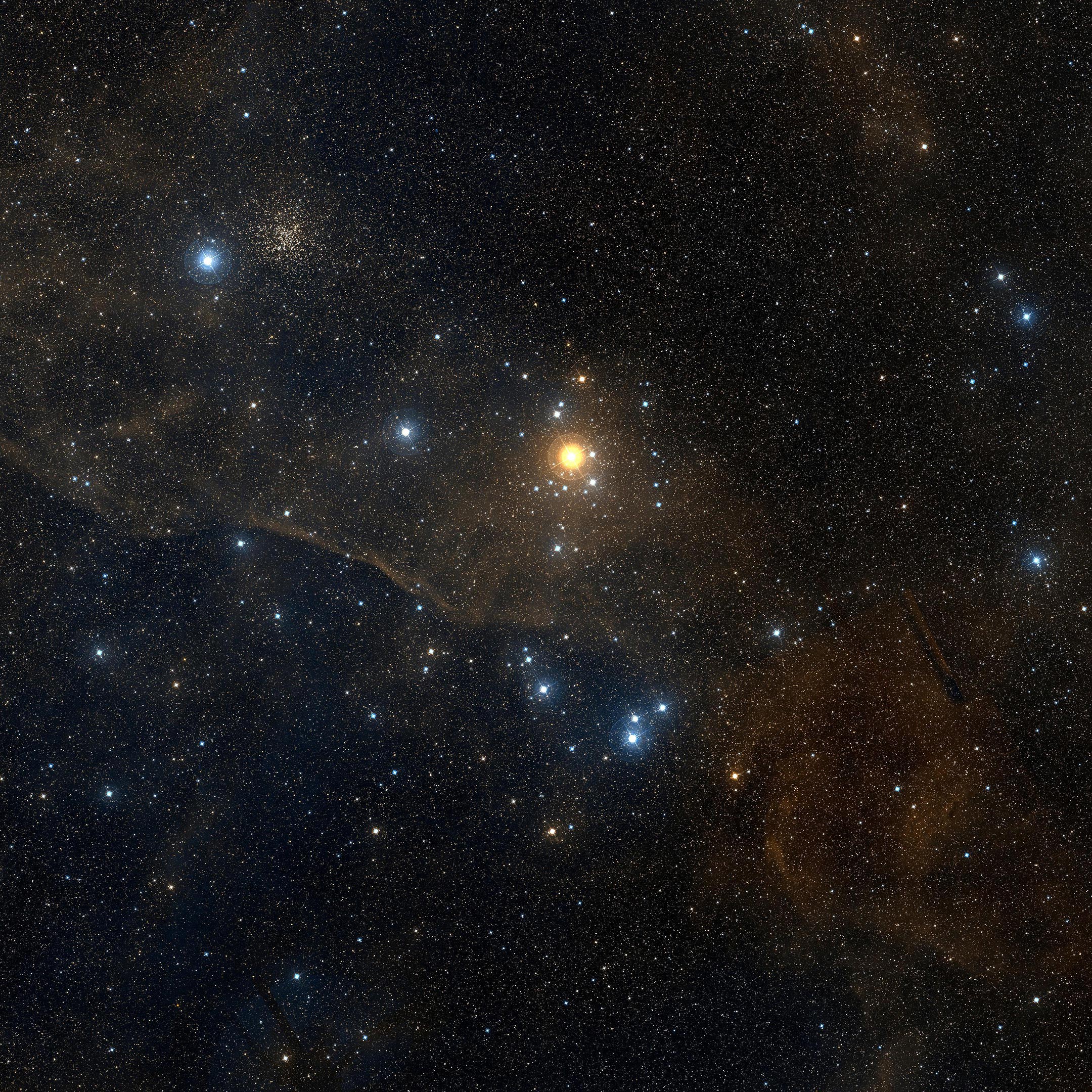
    NGC 2451A Star Cluster
    The NGC 2451A star cluster: An optical image of the NGC 2415A star cluster from the second Digitized Sky Survey (DSS-II). It is a member of the Messier 6 family. Credit: ESO/STScI Digitized Sky Survey II

    “This indicates that the young star clusters originate from only three very active and massive star-forming regions,” says Alves. These three star families are named after their most prominent star clusters: Collinder 135 (Cr135), Messier 6 (M6), and Alpha Persei (αPer).

    “These findings offer a clearer understanding of how young star clusters in our galactic neighborhood are interconnected, much like members of a family or ‘bloodlines’,” says lead author Cameren Swiggum, a doctoral student at the University of Vienna. “By examining the 3D movements and past positions of these star clusters, we can identify their common origins and locate the regions in our galaxy where the first stars in these respective star clusters formed up to 40 million years ago.”
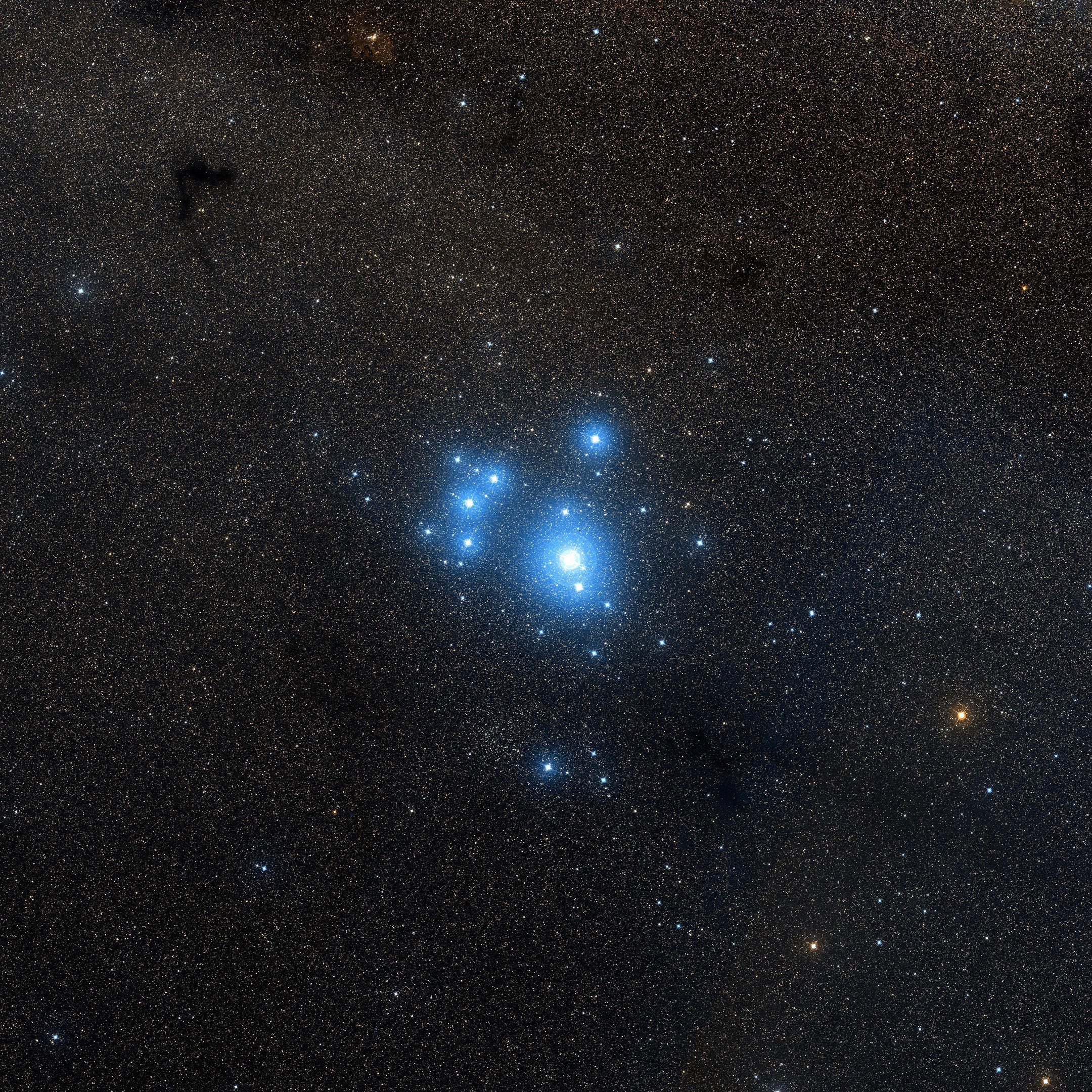
    IC 2602 Star Cluster
    The IC 2602 star cluster: An optical image of the IC 2602 star cluster, also known as the “Southern Pleiades”, from the second Digitized Sky Survey (DSS-II). It is a member of the Alpha Persei family. Credit: ESO/STScI Digitized Sky Survey II

    These Massive Explosions Likely Also Created Our “Local Bubble”

    The study found that over 200 supernova explosions must have occurred within these three star cluster families, releasing enormous amounts of energy into their surroundings. The authors concluded that this energy likely had a significant impact on the gas distribution in the local Milky Way.

    “This could explain the formation of a superbubble, a giant bubble of gas and dust with a diameter of 3,000 light-years around the Cr135 family,” explains Swiggum.
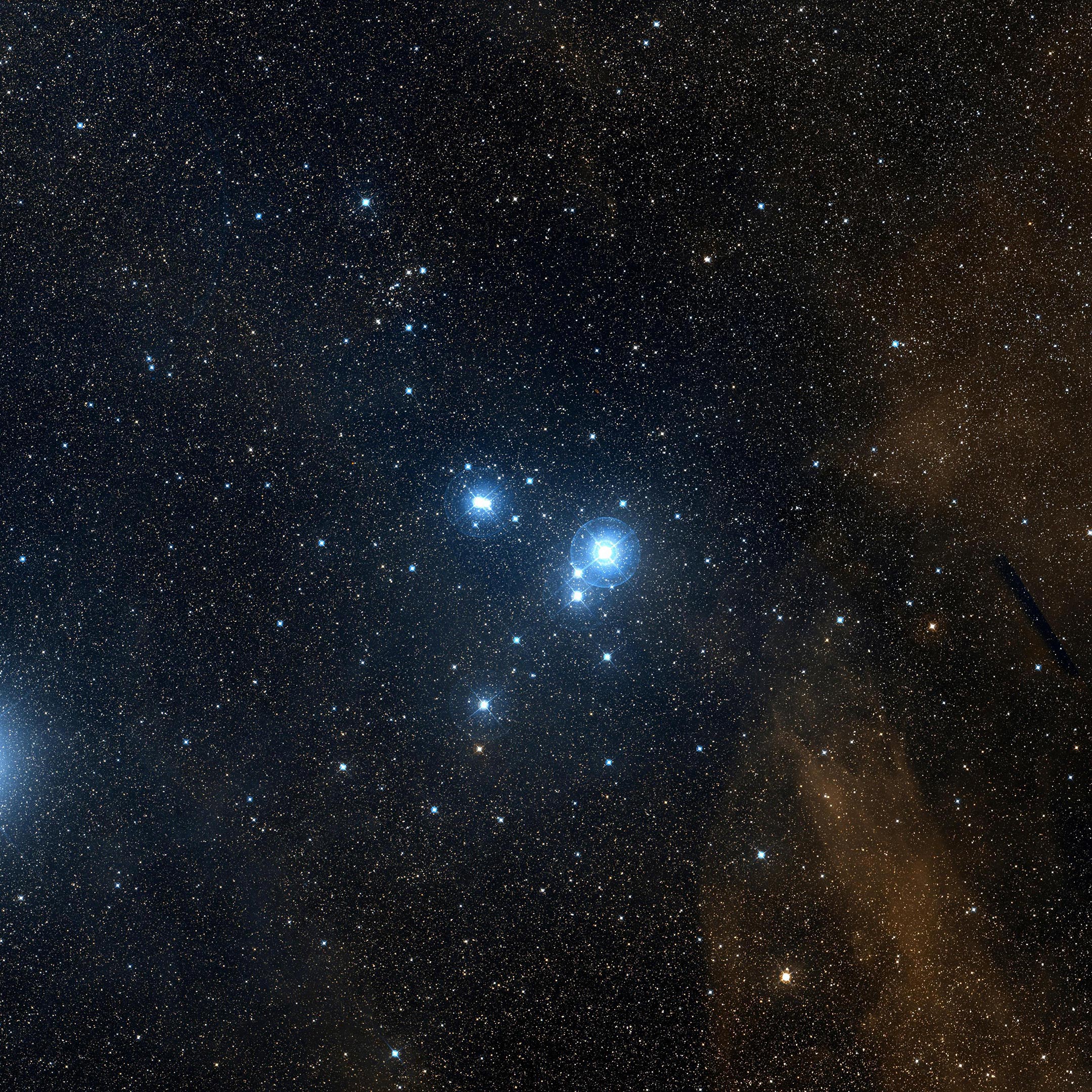
    IC 2391 Star Cluster
    The IC 2391 star cluster: An optical image of the IC 2391 star cluster, also known as the “Omicron Velorum cluster”, from the second Digitized Sky Survey (DSS-II). It is a member of the Messier 6 family. Credit: ESO/STScI Digitized Sky Survey II

    Our solar system is also embedded in such a bubble, the so-called Local Bubble, which is filled with very thin and hot gas. “The Local Bubble is probably also linked to the history of one of the three star cluster families,” adds Swiggum. “And it has likely left traces on Earth, as suggested by measurements of iron isotopes (60Fe) in the Earth’s crust.”
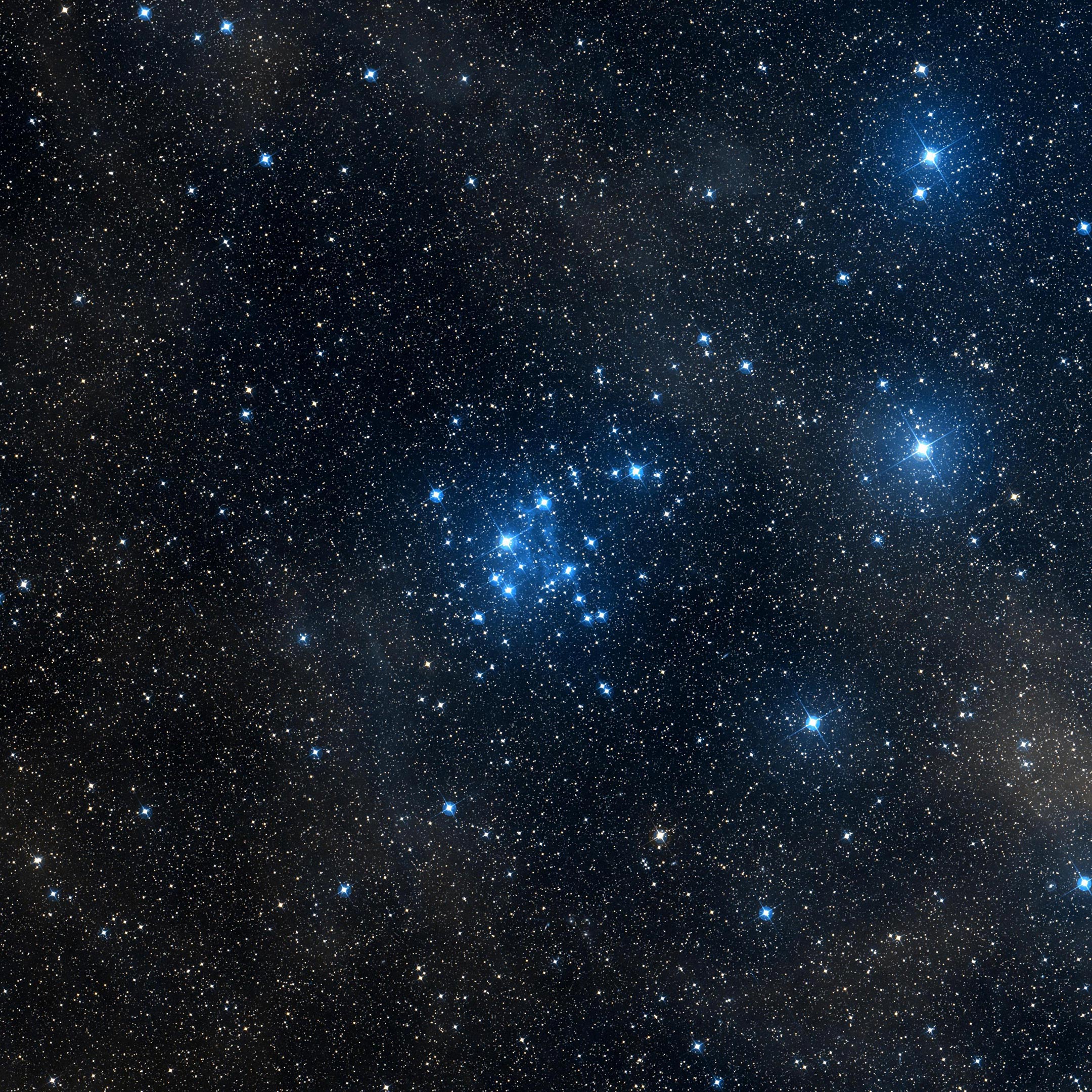
    NGC 2547 Star Cluster
    The NGC 2547 star cluster: An optical image of the NGC 2547 star cluster from the second Digitized Sky Survey (DSS-II). It is a member of the Collinder 135 family. Credit: ESO/STScI Digitized Sky Survey II

    “We can practically turn the sky into a time machine that allows us to trace the history of our home galaxy,” says João Alves. “By deciphering the genealogy of star clusters, we also learn more about our own galactic ancestry.” In the future, João Alves’ team plans to investigate more precisely whether and how our solar system has interacted with interstellar matter in our home galaxy, the Milky Way.

    Reference: “Most nearby young star clusters formed in three massive complexes” by Cameren Swiggum, João Alves, Robert Benjamin, Sebastian Ratzenböck, Núria Miret-Roig, Josefa Großschedl, Stefan Meingast, Alyssa Goodman, Ralf Konietzka, Catherine Zucker, Emily L. Hunt and Sabine Reffert, 10 June 2024, Nature.
    DOI: 10.1038/s41586-024-07496-9

    This research was supported by the ERC Advanced Grant ISM-FLOW (Alves), the Austrian Research Promotion Agency (FFG), the German Research Foundation (DFG), and NASA.

    Never miss a breakthrough: Join the SciTechDaily newsletter.
    Follow us on Google and Google News.

    Astronomy Astrophysics Popular University of Vienna
    Share. Facebook Twitter Pinterest LinkedIn Email Reddit

    Related Articles

    Scientists Uncover a Galactic Encounter That May Have Changed Earth’s Climate

    How Special Are We? New Clues to the Formation of Our Solar System

    From the Big Bang to the Present: Gravity Is Why the Universe Is So Uniform

    Popular Theory About the Early Solar System Called Into Doubt by Meteorite Evidence

    Massive Hunt for Extraterrestrial Life Completed: What Astronomers Found in Search of 10 Million Star Systems for Alien Technology

    Closing In on Source of Fast Radio Bursts: VLBA Makes First Direct Distance Measurement to Magnetar

    A White Dwarf’s Surprise Planetary Companion: First-of-Its-Kind Exoplanet Detected Around Dead Star

    The Evolving Volatile Chemistry of Protoplanetary Disks

    How Fast Is the Universe Expanding? Measuring Cosmic Expansion With Radio Astronomy and Gravitational Waves

    Leave A Reply Cancel Reply

    • Facebook
    • Twitter
    • Pinterest
    • YouTube

    Don't Miss a Discovery

    Subscribe for the Latest in Science & Tech!

    Trending News

    Your Blood Pressure Reading Could Be Wrong Because of One Simple Mistake

    Astronomers Stunned by Ancient Galaxy With No Spin

    Physicists May Be on the Verge of Discovering “New Physics” at CERN

    Scientists Solve 320-Million-Year Mystery of Reptile Skin Armor

    Scientists Say This Daily Walking Habit May Be the Secret to Keeping Weight Off After Dieting

    New Therapy Rewires the Brain To Restore Joy in Depression Patients

    Giant Squid Detected off Western Australia in Stunning Deep-Sea Discovery

    Popular Sugar-Free Sweetener Linked to Liver Disease, Study Warns

    Follow SciTechDaily
    • Facebook
    • Twitter
    • YouTube
    • Pinterest
    • Newsletter
    • RSS
    SciTech News
    • Biology News
    • Chemistry News
    • Earth News
    • Health News
    • Physics News
    • Science News
    • Space News
    • Technology News
    Recent Posts
    • Key Magic Mushroom Ingredient Increases Laziness and Reduces Aggression
    • Researchers Solve 15-Year Mystery Behind Cancer-Causing Gut Toxin
    • One of the World’s Most Popular Weedkillers May Be Fueling Deadly Superbugs
    • Scientists Create Laser “Whirlpools” That Spin Tiny Cells Without Touching Them
    • Scientists Discover “Hidden” Materials That Could Transform Clean Energy and Batteries
    Copyright © 1998 - 2026 SciTechDaily. All Rights Reserved.
    • Science News
    • About
    • Contact
    • Editorial Board
    • Privacy Policy
    • Terms of Use

    Type above and press Enter to search. Press Esc to cancel.