
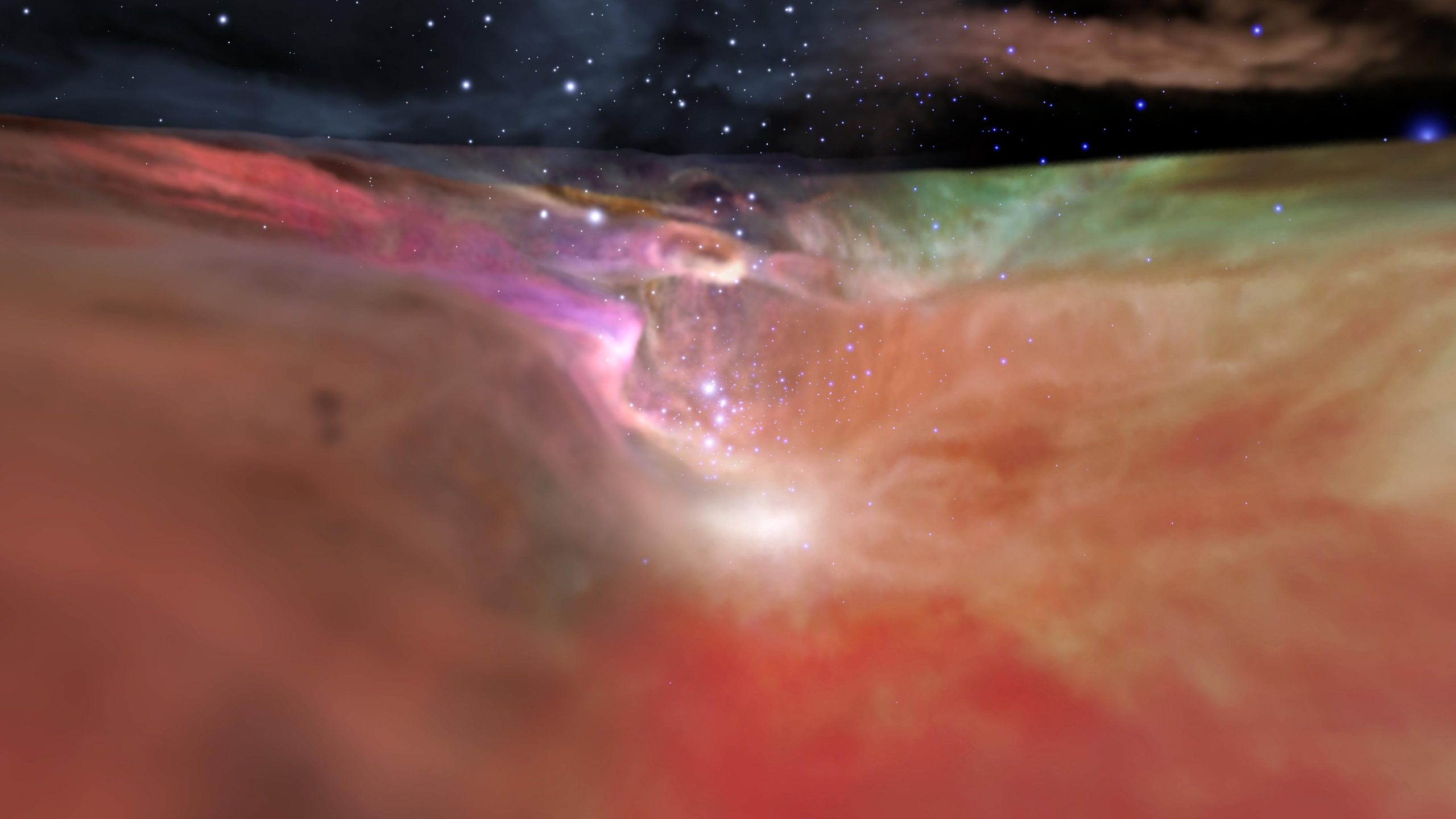
Millions of years ago, our Solar System sailed through the Orion Complex, part of the vast Radcliffe Wave structure.
This cosmic journey may have influenced Earth’s climate by compressing the heliosphere and increasing interstellar dust, possibly leaving traces in geological records. Using data from ESA’s Gaia mission, scientists pinpointed this passage and linked it to the Middle Miocene Climate Transition, a major shift in Earth’s climate history.
Solar System’s Journey Through the Orion Complex
A team of international researchers, led by scientists from the University of Vienna, has discovered that our Solar System passed through the Orion star-forming complex, part of the larger Radcliffe Wave, approximately 14 million years ago.
This journey through a dense region of space may have compressed the heliosphere, the protective bubble surrounding our Solar System, and increased the flow of interstellar dust. Scientists believe this could have influenced Earth’s climate and left traces in geological records.
Their findings, published recently in Astronomy & Astrophysics, highlight an intriguing connection between astrophysics, paleoclimatology, and geology.
Tracing the Sun’s Galactic Path
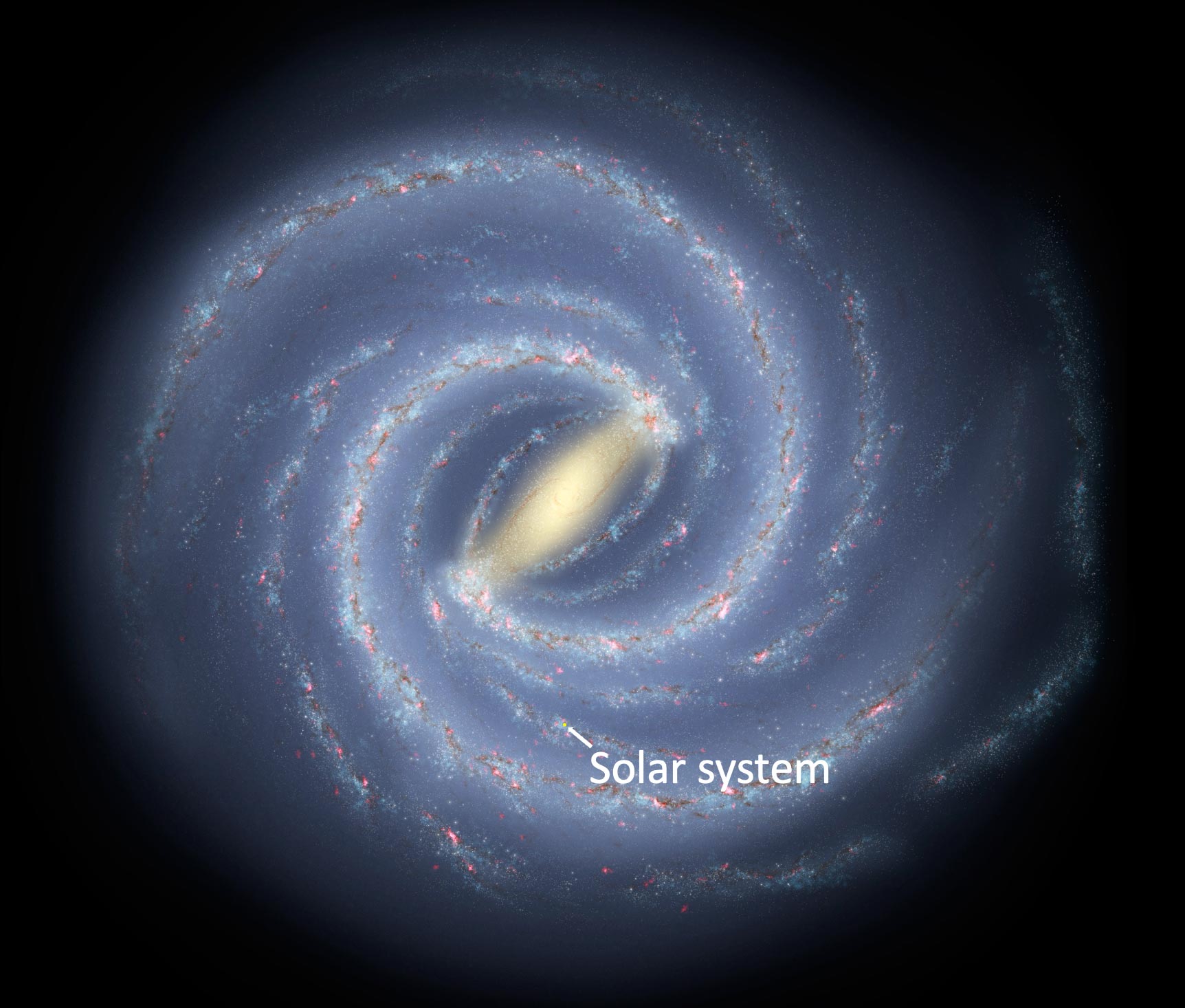
As the Solar System orbits the center of the Milky Way, it moves through different galactic environments. “Imagine it like a ship sailing through varying conditions at sea,” explains Efrem Maconi, lead author and doctoral student at the University of Vienna. “Our Sun encountered a region of higher gas density as it passed through the Radcliffe Wave in the Orion constellation.”
Using data from the European Space Agency’s (ESA) Gaia mission and spectroscopic observations, the team pinpointed the Solar System’s passage through the Radcliffe Wave in the Orion region about 14 million years ago. “This discovery builds upon our previous work identifying the Radcliffe Wave,” says João Alves, professor of astrophysics at the University of Vienna and co-author of the study. The Radcliffe Wave is a vast, thin structure of interconnected star-forming regions, including the renowned Orion complex, which the Sun traversed, as established in this study.

The Orion Complex and the Night Sky
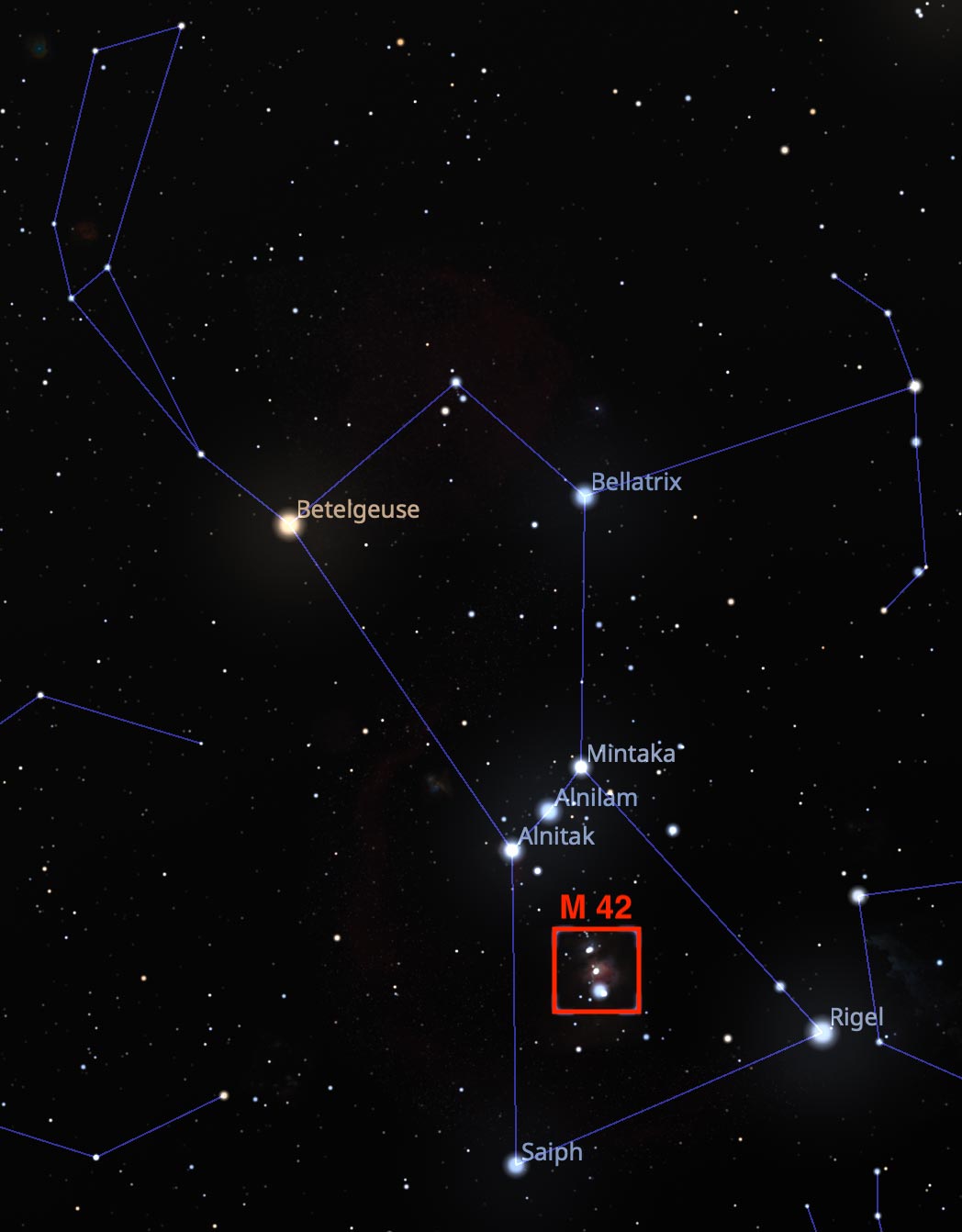
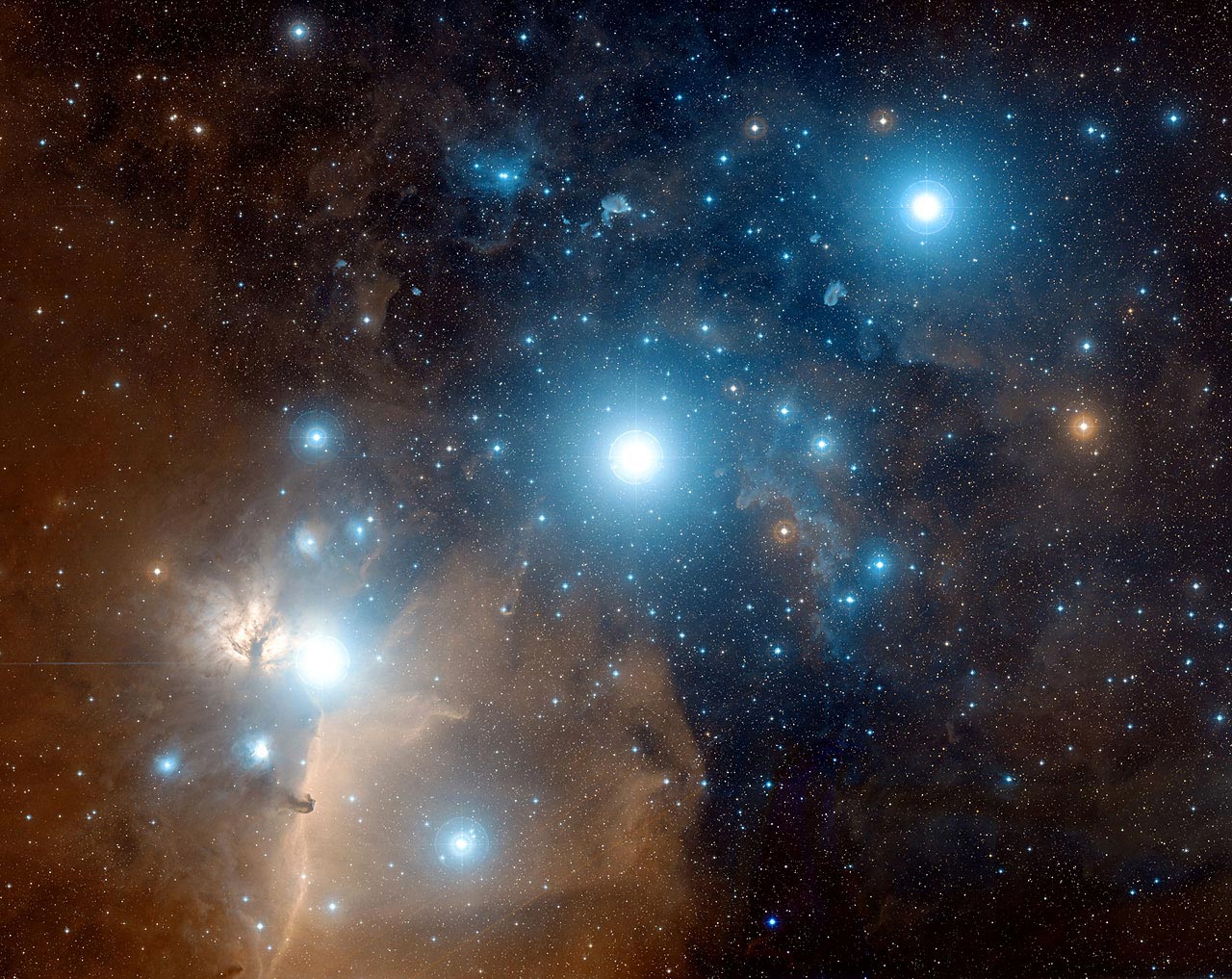
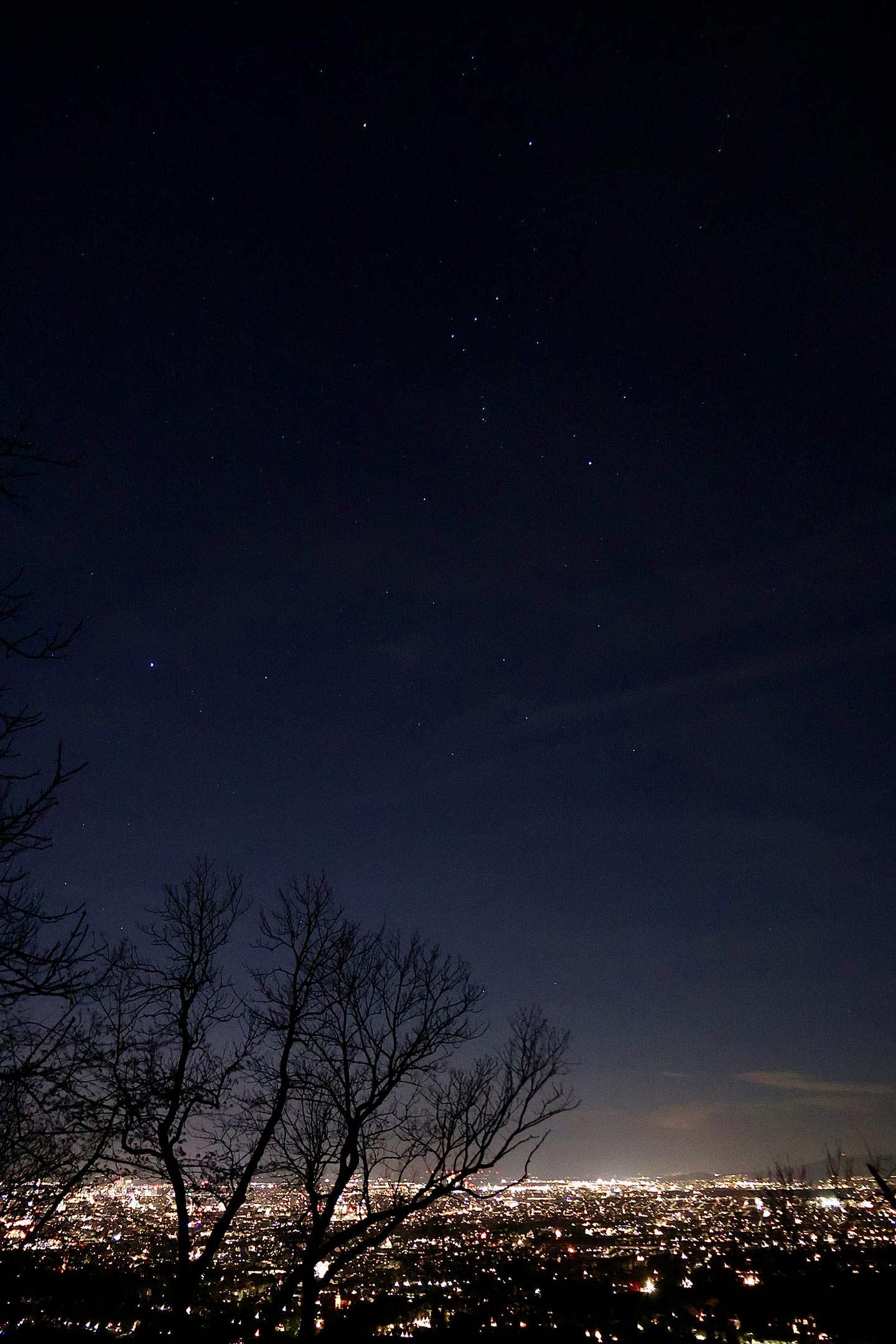
“We passed through the Orion region as well-known star clusters like NGC 1977, NGC 1980, and NGC 1981 were forming,” Alves notes. “This region is easily visible in the winter sky in the Northern Hemisphere and summer in the Southern Hemisphere. Look for the Orion constellation and the Orion Nebula (Messier 42)—our solar system came from that direction!”
The increased dust from this galactic encounter could have had several effects. It may have penetrated the Earth’s atmosphere, potentially leaving traces of radioactive elements from supernovae in geological records. “While current technology may not be sensitive enough to detect these traces, future detectors could make it possible,” Alves suggests.
A Possible Link to Earth’s Climate
The team’s research indicates the Solar System’s passage through the Orion region occurred between approximately 18.2 and 11.5 million years ago, with the most likely time between 14.8 and 12.4 million years ago. This timeframe aligns well with the Middle Miocene Climate Transition, a significant shift from a warm variable climate to a cooler climate, leading to the establishment of a continental-scale prototype Antarctic ice sheet configuration.
While the study raises the possibility of a link between the past traverse of the solar system through its galactic neighborhood and Earth’s climate via interstellar dust, the authors emphasize that a causal connection requires further investigation.
Not Comparable to Today’s Climate Change
“While the underlying processes responsible for the Middle Miocene Climate Transition are not entirely identified, the available reconstructions suggest that a long-term decrease in the atmospheric greenhouse gas carbon dioxide concentration is the most likely explanation, although large uncertainties exist. However, our study highlights that interstellar dust related to the crossing of the Radcliffe Wave might have impacted Earth’s climate and potentially played a role during this climate transition. To alter the Earth’s climate the amount of extraterrestrial dust on Earth would need to be much bigger than what the data so far suggest,” says Maconi.
“Future research will explore the significance of this contribution. It’s crucial to note that this past climate transition and current climate change are not comparable since the Middle Miocene Climate Transition unfolded over timescales of several hundred thousand years. In contrast, the current global warming evolution is happening at an unprecedented rate over decades to centuries due to human activity.”
Mapping the Solar System’s Place in the Milky Way
This study is important because it adds a small puzzle piece to the recent history of the Solar System, helping to place it in the context of the Milky Way.
“We are inhabitants of the Milky Way,” says Alves, “The European Space Agency’s Gaia Mission has given us the means to trace our recent route in the Milky Way’s interstellar sea, allowing astronomers to compare notes with geologists and paleoclimatologists. It’s very exciting.”
In the future, the team led by João Alves plans to study in more detail the Galactic environment encountered by the Sun while sailing through our Galaxy.
Reference: “The Solar System’s passage through the Radcliffe wave during the middle Miocene” by E. Maconi, J. Alves, C. Swiggum, S. Ratzenböck, J. Großschedl, P. Köhler, N. Miret-Roig, S. Meingast, R. Konietzka, C. Zucker, A. Goodman, M. Lombardi, G. Knorr, G. Lohmann, J. C. Forbes, A. Burkert and M. Opher, 11 February 2025, Astronomy & Astrophysics.
DOI: 10.1051/0004-6361/202452061
Never miss a breakthrough: Join the SciTechDaily newsletter.
Follow us on Google and Google News.
1 Comment
По конфигурациям галактик и потоков звездных систем, распространению пыли неоднородного по времени образования и составу, получается, невозможность единого Большого Взрыва. Возможно Это идет непрерывно в Каждом Кластере Галактик. Связано с критическим, для каждого случая пределом Массы? Пространства? Или Время? Или столкновениями в конечном итоге сверхмассивных Черных Дыр?