
Close Menu
    Facebook X (Twitter) Instagram
    SciTechDaily
    • Biology
    • Chemistry
    • Earth
    • Health
    • Physics
    • Science
    • Space
    • Technology
    Facebook X (Twitter) Pinterest YouTube RSS
    SciTechDaily
    Home»Science»“Get Out of the Water!” Monster Shark Movies Massacre Shark Conservation Efforts
    Science

    “Get Out of the Water!” Monster Shark Movies Massacre Shark Conservation Efforts

    By University of South AustraliaJuly 16, 20211 Comment2 Mins Read
    Facebook Twitter Pinterest Telegram LinkedIn WhatsApp Email Reddit
    Share
    Facebook Twitter LinkedIn Pinterest Telegram Email Reddit
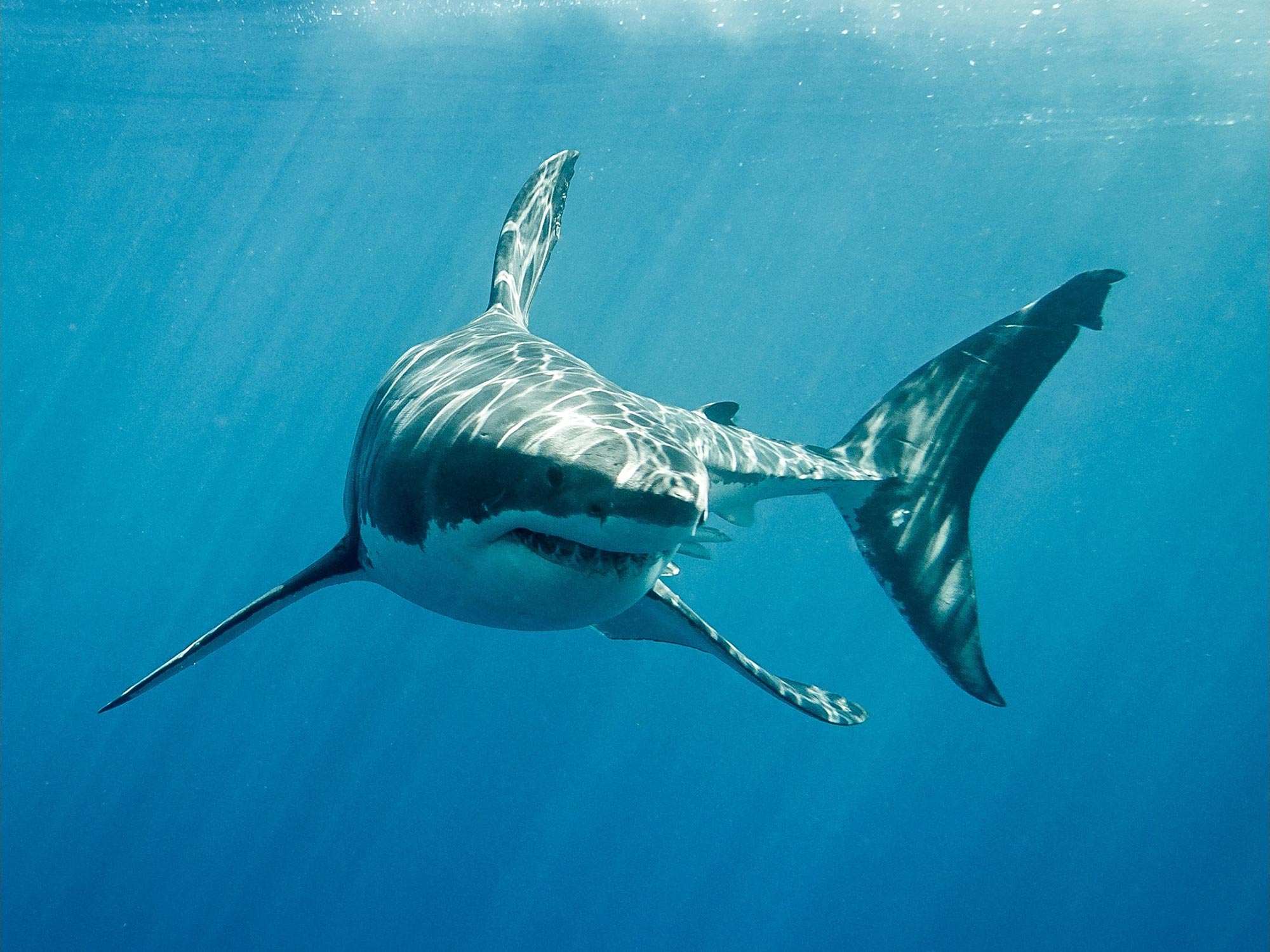
    Great White Shark Underwater
    96% of shark movies overtly portray sharks as a threat to humans.

    Shark films distort reality and endanger conservation by promoting fear instead of facts.

    Undeniably the shark movie to end all shark movies, the 1975 blockbuster, Jaws, not only smashed box office expectations, but forever changed the way we felt about going into the water – and how we think about sharks.

    Now, more than 40 years (and 100+ shark movies) on, people’s fear of sharks persists, with researchers at the University of South Australia concerned about the negative impact that shark movies are having on conservation efforts of this often-endangered animal.

    In a world-first study, conservation psychology researchers, UniSA’s Dr. Briana Le Busque and Associate Professor Carla Litchfield have evaluated how sharks are portrayed in movies, finding that 96 percent of shark films are overtly portraying sharks as a threat to humans.

    Dr. Le Busque says sensationalized depictions of sharks in popular media can unfairly influence how people perceive sharks and harm conservation efforts.

    Misinformation Undermines Shark Conservation

    “Most of what people know about sharks is obtained through movies, or the news, where sharks are typically presented as something to be deeply feared,” Dr. Le Busque says.

    “Since Jaws, we’ve seen a proliferation of monster shark movies – Open Water, The Meg, 47 Meters Down, Sharknado – all of which overtly present sharks as terrifying creatures with an insatiable appetite for human flesh. This is just not true. 

    “Sharks are at much greater risk of harm from humans, than humans from sharks, with global shark populations in rapid decline, and many species at risk of extinction.

    “Exacerbating a fear of sharks that’s disproportionate to their actual threat, damages conservation efforts, often influencing people to support potentially harmful mitigation strategies.

    “There’s no doubt that the legacy of Jaws persists, but we must be mindful of how films portray sharks to capture movie-goers. This is an important step to debunk shark myths and build shark conservation.”

    Reference: “Sharks on film: an analysis of how shark-human interactions are portrayed in films” by Brianna Le Busque and Carla Litchfield, 7 July 2021, Human Dimensions of Wildlife.
    DOI: 10.1080/10871209.2021.1951399

    Never miss a breakthrough: Join the SciTechDaily newsletter.
    Follow us on Google and Google News.

    Behavioral Science Conservation Sharks University of South Australia
    Share. Facebook Twitter Pinterest LinkedIn Email Reddit

    Related Articles

    Endangered Sharks Found in U.S. Grocery Store Seafood, Study Warns

    Unprecedented Footage Reveals Boat-Strike Impact on Endangered Basking Shark

    Shark Scares vs. Safety: Just When You Thought It Was Safe To Get Back in the Water…

    Miami’s Close Encounters With Sharks: They May Be Closer Than You Think

    Pets, Touch and COVID-19: Why Our Cats, Dogs and Other Furry Friends Are Lifesavers

    Special Fishing Weights Could Help Save Hammerhead Sharks

    New Zealand Beach Hosts Battle Between Killer Whales and Sharks

    Endangered Orangutans Digest Their Own Muscles for Survival

    The Less Birds Know, The Better

    1 Comment

    1. Cinema HD on September 21, 2023 1:47 am

      Monster shark movies, while entertaining, have the unintended consequence of negatively influencing public perception and shark conservation efforts. It is crucial for filmmakers and the media to take responsibility for how they portray these magnificent creatures. By promoting accurate information and fostering a greater understanding of sharks, we can work towards a future where both humans and sharks coexist in harmony, ensuring the health of our oceans and ecosystems.

      Reply
    Leave A Reply Cancel Reply

    • Facebook
    • Twitter
    • Pinterest
    • YouTube

    Don't Miss a Discovery

    Subscribe for the Latest in Science & Tech!

    Trending News

    Your Blood Pressure Reading Could Be Wrong Because of One Simple Mistake

    Astronomers Stunned by Ancient Galaxy With No Spin

    Physicists May Be on the Verge of Discovering “New Physics” at CERN

    Scientists Solve 320-Million-Year Mystery of Reptile Skin Armor

    Scientists Say This Daily Walking Habit May Be the Secret to Keeping Weight Off After Dieting

    New Therapy Rewires the Brain To Restore Joy in Depression Patients

    Giant Squid Detected off Western Australia in Stunning Deep-Sea Discovery

    Popular Sugar-Free Sweetener Linked to Liver Disease, Study Warns

    Follow SciTechDaily
    • Facebook
    • Twitter
    • YouTube
    • Pinterest
    • Newsletter
    • RSS
    SciTech News
    • Biology News
    • Chemistry News
    • Earth News
    • Health News
    • Physics News
    • Science News
    • Space News
    • Technology News
    Recent Posts
    • Key Magic Mushroom Ingredient Increases Laziness and Reduces Aggression
    • Researchers Solve 15-Year Mystery Behind Cancer-Causing Gut Toxin
    • One of the World’s Most Popular Weedkillers May Be Fueling Deadly Superbugs
    • Scientists Create Laser “Whirlpools” That Spin Tiny Cells Without Touching Them
    • Scientists Discover “Hidden” Materials That Could Transform Clean Energy and Batteries
    Copyright © 1998 - 2026 SciTechDaily. All Rights Reserved.
    • Science News
    • About
    • Contact
    • Editorial Board
    • Privacy Policy
    • Terms of Use

    Type above and press Enter to search. Press Esc to cancel.