
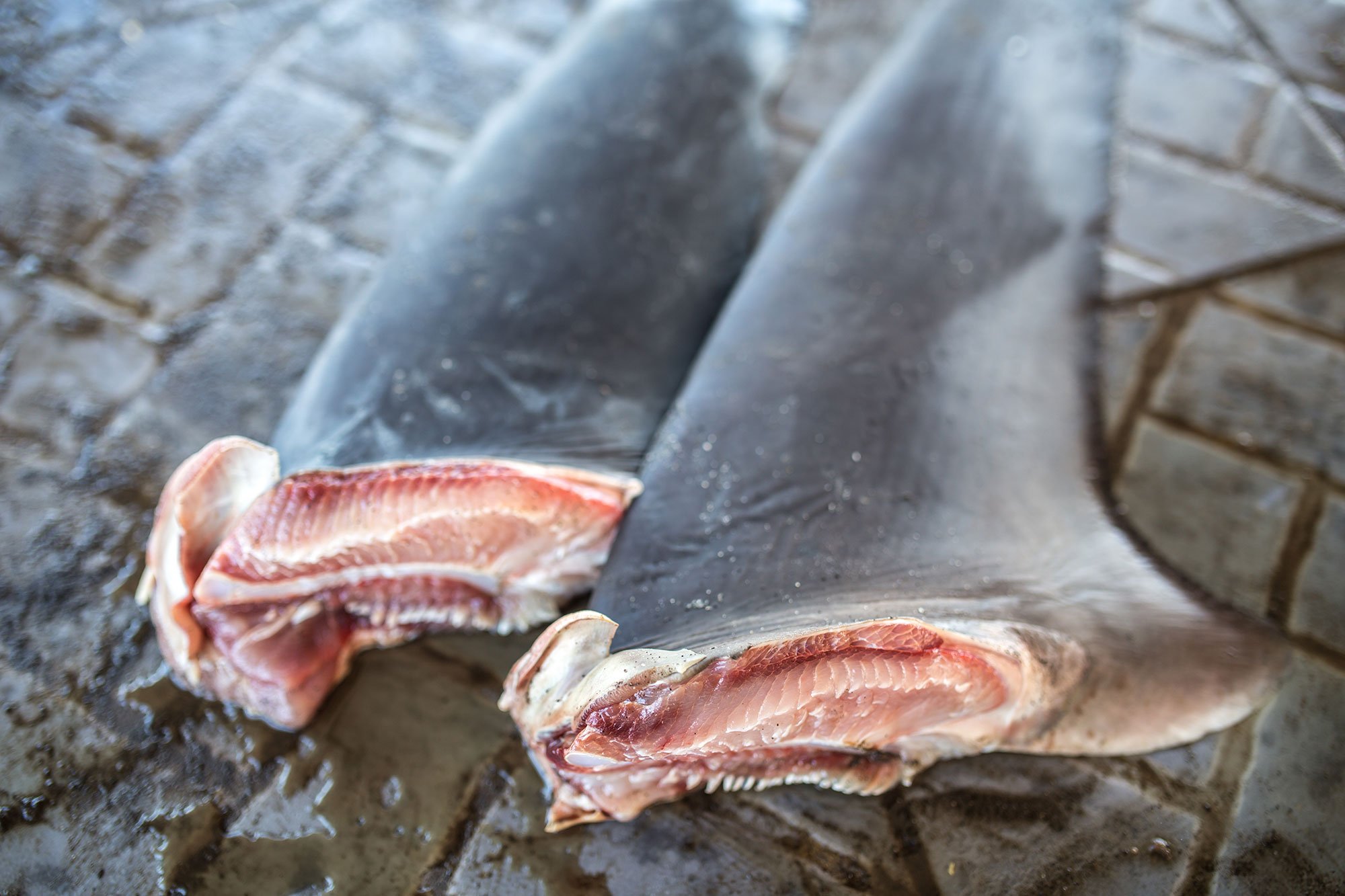
A study uncovered widespread mislabeling of shark meat in U.S. markets, with endangered species sold cheaply under vague labels.
A recent investigation by researchers at the University of North Carolina at Chapel Hill has revealed a troubling trend in the U.S. seafood market. Shark meat sold in grocery stores, fish markets, and even online is not only frequently mislabeled but also often comes from species at risk of extinction.
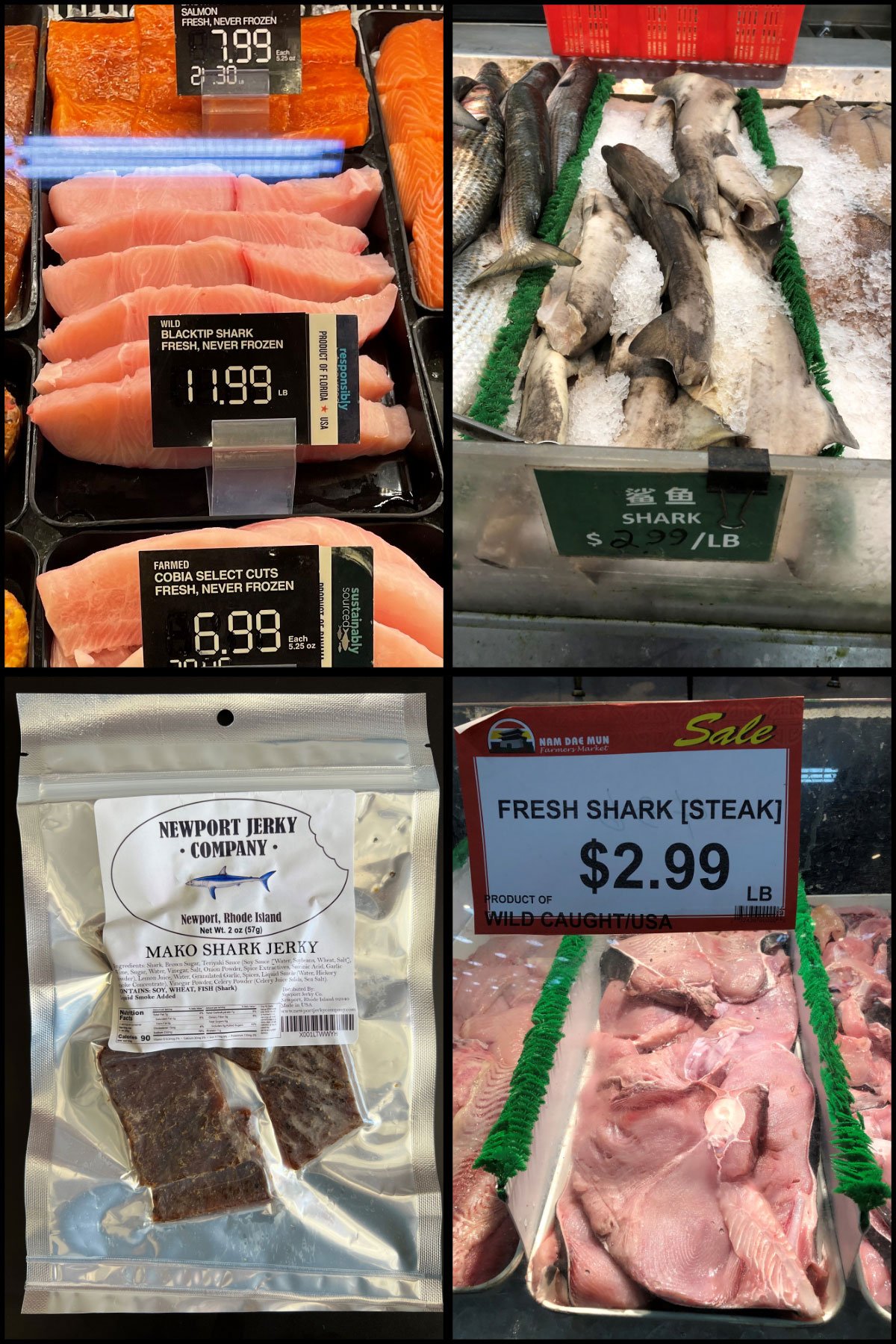
The team analyzed 29 samples using DNA barcoding to confirm what type of shark was being sold. Their results showed that 93% of the products were labeled in vague or misleading ways, and the meat came from 11 different species.
Alarmingly, some of the samples were identified as great hammerhead and scalloped hammerhead, both of which the International Union for Conservation of Nature (IUCN) classifies as critically endangered. Despite their precarious status and worldwide population declines, meat from these sharks was available to American buyers for as little as $2.99 per pound.
“Mislabeling and ambiguous labeling remove consumers’ ability to choose what they are putting in their bodies,” said Savannah Ryburn, Ph.D., first author of the study and co-instructor of the seafood forensics class that conducted the research. “For example, two species in our study, scalloped hammerhead and great hammerhead, were ambiguously labeled as ‘shark,’ even though they are strongly advised against consumption due to their very high mercury levels. Without accurate and precise labeling, consumers cannot avoid purchasing these products.”
Health Risks of Mislabeled Shark Meat
The researchers found that of the 29 products tested, 27 were labeled simply as “shark” or “mako shark” without a species designation. Even among the two products that were labeled with a species name, one turned out to be incorrect. These findings highlight a major gap in seafood transparency and consumer safety.
“The United States should require seafood distributors to provide species-specific names for the products being sold,” said John Bruno, Ph.D., distinguished professor and co-instructor of the seafood forensics class.
Shark meat is known to contain high levels of mercury, which can pose serious risks to human health, particularly for children and pregnant people. The researchers emphasize that accurate labeling is essential not only for conservation but also for consumer protection.
“Sharks such as great and scalloped hammerheads are the ocean’s equivalent of lions, and we were shocked by how cheaply the meat of these rare, long-lived apex predators was sold,” added Ryburn. “Some samples were only $2.99 per pound.”
The study, which contributes to a limited but growing body of research using DNA barcoding to investigate the accuracy of shark product labeling in the U.S., calls for stronger regulations and oversight of seafood labeling practices.
Reference: “Sale of critically endangered sharks in the United States” by Savannah J. Ryburn, Tammy Yu, Kelly J. Ong, Eldridge Wisely, Meggan A. Alston, Ella Howie, Peyton LeRoy, Sarah Elizabeth Giang, William Ball, Jewel Benton, Robert Calhoun, Isabella Favreau, Ana Gutierrez, Kayla Hallac, Dakota Hanson, Teagan Hibbard, Bryson Loflin, Joshua Lopez, Gracie Mock, Kailey Myers, Andrés Pinos-Sánchez, Alejandra Maria Suarez Garcia, Adriana Retamales Romero, Audrey Thomas, Rhiannon Williams, Anabel Zaldivar and John F. Bruno, 5 August 2025, Frontiers in Marine Science.
DOI: 10.3389/fmars.2025.1604454
Never miss a breakthrough: Join the SciTechDaily newsletter.
Follow us on Google and Google News.