
The Enduring Fear of Sharks in Popular Culture
The iconic tagline from Spielberg’s Jaws series has etched sharks into popular culture as ruthless predators. But beyond the horror generated by the series, a persistent fear of sharks remains, with consequences that extend into reality.
In South Australia, following encounters between humans and sharks, this fear has led the Education Department to prohibit sea-related activities in schools for the rest of the term. And while safety is at the core of such decisions, we should be cautious of scaremongering, says UniSA shark expert Dr Brianna Le Busque.
Media Sensationalism and the ‘Jaws Effect’
“When we hear about shark “attacks”, it definitely puts people on edge, especially when interactions and sightings are sensationalized by the media,” Dr. Le Busque says.
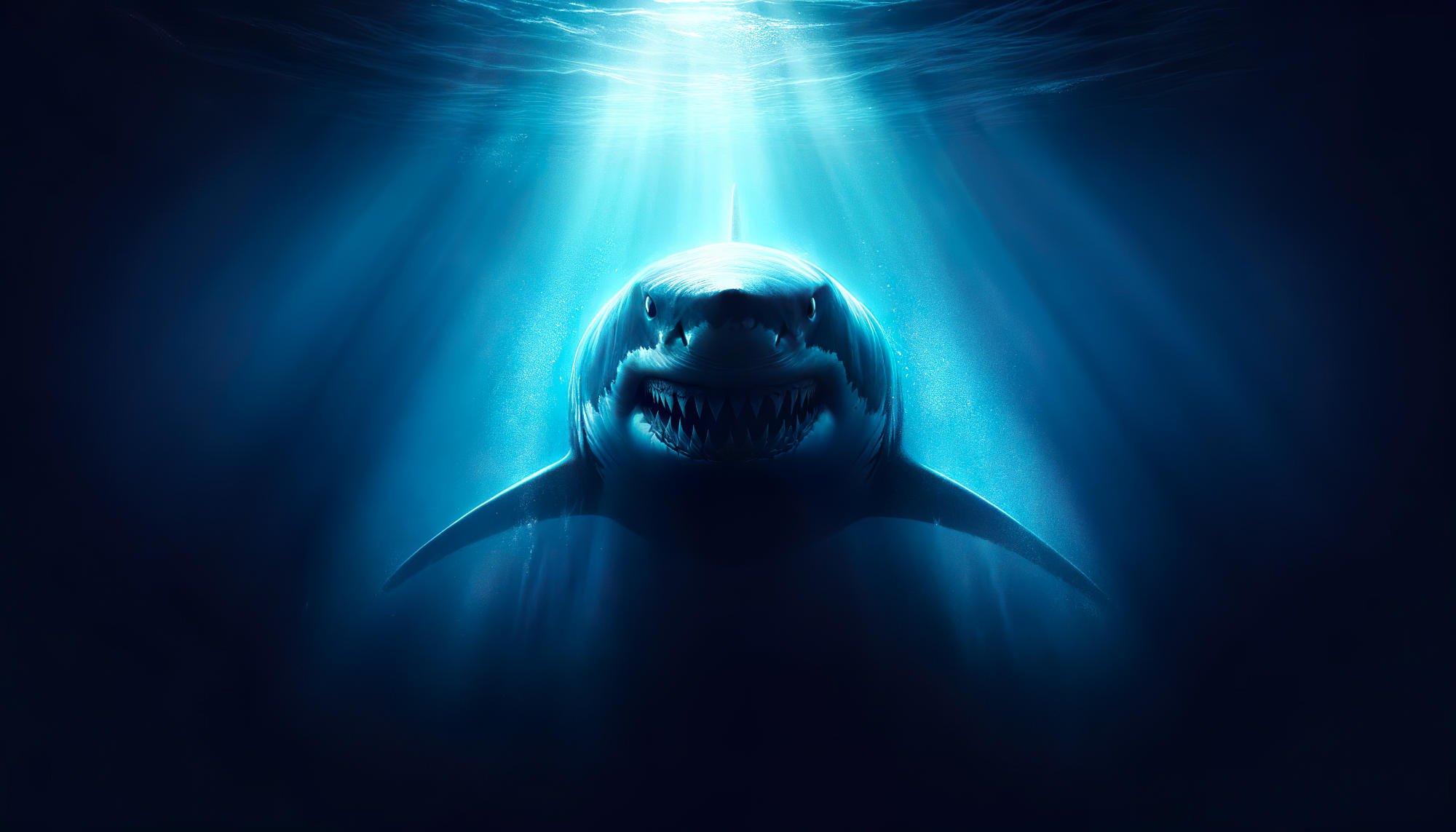
“As most people do not have personal interactions with sharks, most of what we know about sharks comes from what we see on TV or in movies. Movies such as Jaws, The Meg, or The Shallows depict sharks as purposely hunting and attacking humans, which not only creates excessive fear but strengthens any negative views people may already hold.
“This is called the ‘The Jaws Effect’ – a known phenomenon where people are excessively and irrationally scared of sharks – today, nearly 50 years after the first Jaws movie, it still influences people’s perceptions of sharks, impacts conservation efforts, and affects policy decisions.
“That’s what we’ve seen with the current bans on sea-based water activities. And the problem is that it could have negative impacts on children’s ideas of water and beach safety.”
Sharks in Films: A Distorted Reality
In a new UniSA world-first study, Dr Le Busque shows how over-represented sharks are in the realm of ‘creature features’ – a subgenre of science fiction, horror, or action films where the creatures are the villains in the plot.
“Sharks are commonplace in ‘creature feature’ films – they overrepresented, being the most common animal in this film category. Further, of all films that depict sharks (in various genres) 96% overtly portrayed shark-human interactions as threatening.”
Decline in Shark Populations and the Need for Balance
In the past 50 years, oceanic sharks have declined by more than 70%, with one in three species now threatened by extinction.
Dr Le Busque says while she believes the bans on school activities are currently unwarranted, she welcomes the early deployment of aerial shark patrols.
“Earlier shark monitoring is a good move to protect beachgoers, but we need a balance between people’s safety and access to the ocean,” Dr Le Busque says.
“No one wants a shark attack to occur, but these bans are just creating the same fear as generated on the ill-fated Amity Island in Jaws. It’s just not the right way to go.”
CEO Surf Life Saving SA, Damien Marangon, says the ban on beach-based aquatic programs, without consultation or understanding of facts and broader impact, was disappointing.
“Whilst the shark attack is incredibly unfortunate, it’s also important to remember that tragically, far more people sadly drown every year in South Australian waters, than there are shark attacks,” Marangon says.
“Over the past 20 years, we’ve averaged just over one instance per year. Despite the incidents over the last month or so, our data shows that we have not seen an increase in shark numbers.
“We were concerned about the impact this would have on the 3,899 students, from 47 schools who were enrolled in that program for the remainder of this term, who would not have had the opportunity to learn vital water safety skills, jeopardizing their future safety in and around the water.
“Decisions like this, made in isolation, also, unfortunately, promote a fear of the ocean, which could have wide-ranging and long-lasting impacts on our communities, local traders, family businesses, and the travel industry, by unnecessarily exacerbating fear of our ocean, and will impact visitors to our beaches and our State.
“We’re actively working with the Water Safety Unit within the Department for Education on strategies to continue to ensure that all participants can complete these aquatic education programs at the beach safely, and continue to make informed decisions based on data, research, and stakeholder engagement.”
Reference: “Sharks, spiders, snakes, oh my: A review of creature feature films” by Brianna Le Busque and Carla Litchfield, 31 August 2023, Journal of Environmental Media.
DOI: 10.1386/jem_00096_1
Never miss a breakthrough: Join the SciTechDaily newsletter.
Follow us on Google and Google News.