
Close Menu
    Facebook X (Twitter) Instagram
    SciTechDaily
    • Biology
    • Chemistry
    • Earth
    • Health
    • Physics
    • Science
    • Space
    • Technology
    Facebook X (Twitter) Pinterest YouTube RSS
    SciTechDaily
    Home»Health»Global Health Threat: Deadly Antibiotic-Resistant “Superbug” Spreading in Malaysia
    Health

    Global Health Threat: Deadly Antibiotic-Resistant “Superbug” Spreading in Malaysia

    By University of BirminghamApril 7, 20251 Comment3 Mins Read
    Facebook Twitter Pinterest Telegram LinkedIn WhatsApp Email Reddit
    Share
    Facebook Twitter LinkedIn Pinterest Telegram Email Reddit
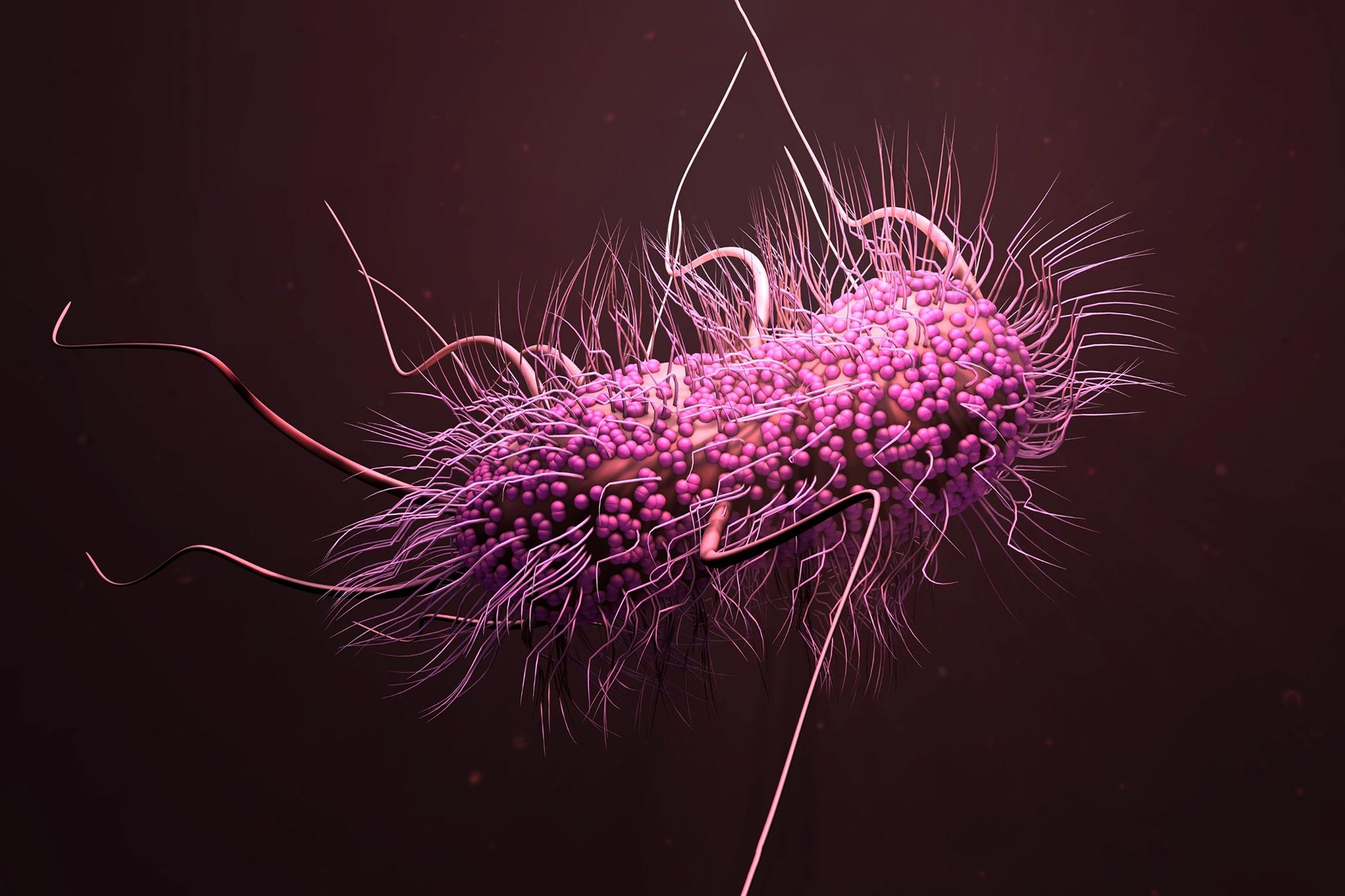
    Bacterial Superbug Concept
    A highly drug-resistant strain of Acinetobacter baumannii, mainly of the globally dominant GC2 lineage, has been found circulating in a Malaysian hospital, raising major public health concerns. Researchers found most samples resistant to key antibiotics, including carbapenems, with 97% carrying plasmids that spread resistance, highlighting the urgent need for global surveillance and treatment strategies.

    A drug-resistant strain of A. baumannii is spreading in a Malaysian hospital, posing a global health threat due to its resistance to key antibiotics and lack of surveillance in low-income regions.

    A highly virulent, antibiotic-resistant “superbug” strain has been identified in a Malaysian hospital, posing serious concerns for global public health, according to a new study.

    Researchers analyzed a decade of data from the main tertiary hospital in Terengganu, Malaysia, and found that the majority of Acinetobacter baumannii infections belonged to Global Clone 2 (GC2)—the most widespread and clinically significant lineage worldwide.

    The study examined 126 bacterial samples collected between 2011 and 2020. Results showed that most A. baumannii strains were resistant to multiple antibiotics, with a high prevalence of resistance to carbapenems, the frontline drugs typically used to treat A. baumannii infections.

    Publishing their findings in Microbial Genomics, the international research team also found that 97% of the bacterial samples carried plasmids – tiny DNA ‘toolkits’ – that help spread antibiotic resistance.

    Experts Emphasize the Urgency of Surveillance

    Co-author Dr David Cleary, from the University of Birmingham, commented: “Our study provides further evidence that the same dangerous family of A. baumannii bacteria keeps spreading in hospitals. Despite its importance, there is very little information on A. baumannii from low- and middle-income countries.

    “Understanding how the disease evolves is critical in helping to prevent the spread of disease, as well as developing and optimizing treatments. A. baumannii keeps evolving new resistance tricks and low- and middle-income countries need more tools to track it.

    “There’s an urgent need for continuous surveillance and development of effective treatment protocols to combat the spread of MDR A. baumannii. The predominance of the GC2 lineage and the high incidence of carbapenem resistance pose a significant threat to public health.”

    International Collaboration is Key

    Prof Chew Chieng Yeo, the principal investigator from Universiti Sultan Zainal Abidin (UniSZA), adds: “Our study shows the importance of international research collaboration to tackle the pressing issue of the spread of multidrug-resistant bacteria, more so when there is scarcity of data from certain parts of the world.”

    A. baumannii can cause infections in blood, lungs, urinary tracts, and wounds. It typically causes these in healthcare settings, such as hospitals. Owing to its ability to resist antibiotic treatment, it has been listed by the World Health Organization (WHO) as a critical priority antibiotic-resistant pathogen.

    Reference: “Whole-genome sequencing of Acinetobacter baumannii clinical isolates from a tertiary hospital in Terengganu, Malaysia (2011–2020), revealed the predominance of the Global Clone 2 lineage Open Access” by Nurul Saidah Din, Farahiyah Mohd. Rani, Ahmed Ghazi Alattraqchi, Salwani Ismail, Nor Iza A. Rahman, David W. Cleary, Stuart C. Clarke and Chew Chieng Yeo, 5 February 2025, Microbial Genomics.
    DOI: 10.1099/mgen.0.001345

    Never miss a breakthrough: Join the SciTechDaily newsletter.
    Follow us on Google and Google News.

    Antibiotics Bacteria Infectious Diseases Popular Public Health Superbug University of Birmingham
    Share. Facebook Twitter Pinterest LinkedIn Email Reddit

    Related Articles

    Scientists Uncover Dangerous Drug-Resistant Strains of Deadly Superbug in Saudi Arabia

    Virulent New “Super-Strain” of Bacteria Is Rapidly Spreading in Asia

    ‘Last Resort’ Antibiotic Kills Bacteria by Popping Them Like Balloons

    Simple Oral Hygiene – Such As Using Mouthwash – Could Help Reduce COVID-19 Severity

    “Hidden” Genes in Bacteriophages Could Be Key in Development of New Antibiotics

    With COVID-19 Exacerbating the Threat of Superbugs, Researchers ID New Chemical Weapon

    Infectious Diseases Experts: Superbugs on Track to Kill More People Than COVID-19

    Medieval Medicine Remedy – Found in 9th Century Bald’s Leechbook – Could Provide New Treatment for Modern Day Infections

    New Killing Mechanism Discovered in Potent Natural Antibiotic – Hailed a “Game Changer”

    1 Comment

    1. Christian like Darwin on April 9, 2025 4:05 pm

      New discovery recently announced that the artificial sweetener sacrin is absorbed by bacteria and becomes misshapened, which allows antibiotics to penetrate the thinner walls of the misshapened part of the bacteria thus killing it . Also sacrin prevents the mucus like accumulation that surrounds some bacteria to protect it, thus making it easier to kill.

      Reply
    Leave A Reply Cancel Reply

    • Facebook
    • Twitter
    • Pinterest
    • YouTube

    Don't Miss a Discovery

    Subscribe for the Latest in Science & Tech!

    Trending News

    Collapsing Plasma May Hold the Key to Cosmic Magnetism

    This Breakthrough Solar Panel Generates Power From Both Sunlight and Raindrops

    Scientists Uncover New Metabolic Effects Beyond Weight Loss of Mounjaro

    Scientists Discover Cancer Tumors Are “Addicted” to This Common Antioxidant

    1,800 Miles Down: Scientists Uncover Mysterious Movements at the Edge of Earth’s Core

    Scientists Discover Hidden “Good Fats” in Green Rice That Could Transform Nutrition

    Your Child’s Clothes Could Contain Toxic Lead, Study Finds

    Researchers Break a 150-Year-Old Math Law With a Surprising Donut Discovery

    Follow SciTechDaily
    • Facebook
    • Twitter
    • YouTube
    • Pinterest
    • Newsletter
    • RSS
    SciTech News
    • Biology News
    • Chemistry News
    • Earth News
    • Health News
    • Physics News
    • Science News
    • Space News
    • Technology News
    Recent Posts
    • Natural Oils vs. Antibiotics: The Swine Study That Could Change Farming
    • The Biggest Volcanic Event in Earth’s History Transformed an Entire Oceanic Plate
    • Scientists Warn: Humanity Has Pushed the Planet Past Its Limits
    • Stronger Flu Shot Linked to Nearly 55% Lower Alzheimer’s Risk, Study Finds
    • Researchers Say That Eating Mango With Avocado Offers Surprising Heart Benefits
    Copyright © 1998 - 2026 SciTechDaily. All Rights Reserved.
    • Science News
    • About
    • Contact
    • Editorial Board
    • Privacy Policy
    • Terms of Use

    Type above and press Enter to search. Press Esc to cancel.