
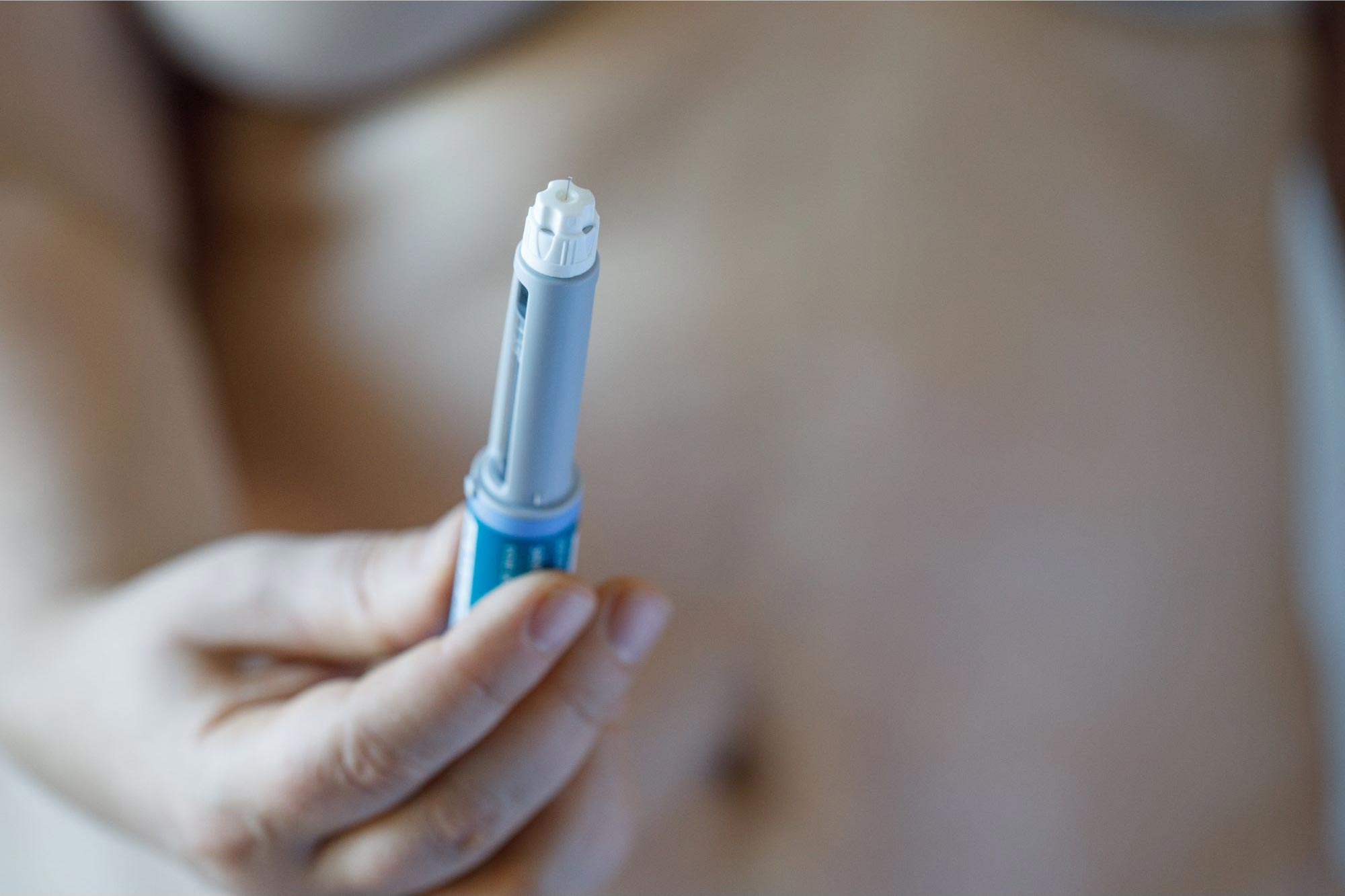
Three new Cochrane reviews find evidence that GLP-1 drugs lead to clinically meaningful weight loss, though industry-funded studies raise concerns.
Three new reviews from Cochrane have found that GLP-1 medications can lead to significant weight loss, though questions remain about the influence of industry-funded research. Commissioned by the World Health Organization (WHO), these reviews will help shape forthcoming global guidelines on using these drugs to treat obesity.
The analyses focused on three medications known as GLP-1 receptor agonists and concluded that each produced clinically meaningful weight loss when compared with a placebo. However, researchers noted that data on long-term effects, side effects, and possible conflicts of interest are still uncertain or incomplete.
Glucagon-like peptide-1 (GLP-1) receptor agonists were first developed in the mid-2000s to help manage type 2 diabetes. In patients with this condition, particularly those with heart or kidney disease, the drugs improved blood sugar control, lowered the risk of related complications, aided in weight reduction, and decreased the likelihood of premature death.
In recent years, these drugs have also been tested in people with obesity. By mimicking a natural hormone that slows digestion and promotes a sense of fullness, they can help reduce food intake. In the United Kingdom, GLP-1 receptor agonists are now approved for weight management in individuals with obesity, or in those who are overweight with health conditions linked to excess weight, when combined with a calorie-controlled diet and physical activity.
GLP-1 Drugs: Generic [and Brand Names]:
- Semaglutide [Ozempic, Wegovy, Rybelsus]
- Liraglutide [Victoza, Saxenda]
- Dulaglutide [Trulicity]
- Exenatide [Byetta, Bydureon]
- Tirzepatide (GLP-1/GIP dual agonist) [Mounjaro, Zepbound]
GLP-1 drugs show promise for weight management
Across the reviews, tirzepatide, semaglutide, and liraglutide each led to significant weight loss compared to placebo after one to two years, with these effects likely to be sustained while treatment continues.
- Tirzepatide (administered once weekly) resulted in approximately a 16% weight reduction after 12 to 18 months. Evidence from 8 randomized controlled trials (6,361 participants) also suggested these effects could be maintained for up to 3.5 years, although long-term safety data were limited.
- Semaglutide (also injected weekly) reduced body weight by around 11% after 24 to 68 weeks, with effects likely sustained up to two years, drawing on 18 randomized controlled trials (27,949 participants). The drug increased the likelihood of achieving at least 5% body weight loss but was associated with higher rates of mild-to-moderate gastrointestinal side effects.
- Liraglutide (a daily injection) resulted in a more modest average weight reduction of around 4–5%, based on 24 trials (9,937 participants), but still increased the proportion of people achieving meaningful weight loss compared with placebo. Evidence for longer-term effects beyond two years was more limited.
Across the reviews, there was little to no difference between these drugs and placebo for major cardiovascular events, quality of life, or mortality. However, adverse events, particularly nausea and digestive symptoms, were more common among participants taking GLP-1 drugs, and some stopped treatment due to side effects.
“These drugs have the potential to bring about substantial weight loss, particularly in the first year,” says Juan Franco, co-lead researcher from Heinrich Heine University Düsseldorf, Germany. “It’s an exciting moment after decades of unsuccessful attempts to find effective treatments for people living with obesity.”
Independent research and equitable access are key
Most included studies were funded by the drug manufacturers, who were substantially involved in the planning, conduct, analysis, and reporting of the results. This raises concerns about potential conflicts of interest and the need for independent research.
The authors also emphasized that the wider use of these drugs should consider social and commercial determinants of health, including access, affordability, and insurance coverage, to avoid deepening existing health inequities among people living with obesity. The high prices of semaglutide and tirzepatide currently limit access, while liraglutide’s expired patent has allowed for more affordable generic versions to become available. Semaglutide’s patent will also expire in 2026.
Studies included in all three reviews were conducted mainly in middle- and high-income countries, with limited or no representation from regions such as Africa, Central America, and Southeast Asia. Considering the diversity in body composition, diet, and health behaviors across populations, the authors note the importance of assessing how these drugs perform in different global contexts.
“We need more data on the long-term effects and other outcomes related to cardiovascular health, particularly in lower-risk individuals,” says Eva Madrid, co-lead researcher from the Universidad de Valparaíso, Chile. “Weight regain after stopping treatment may affect the long-term sustainability of the observed benefits. More independent studies from a public health perspective are needed.”
The reviews stress that independent, long-term investigations are essential to inform clinical and public policy decisions and to better establish the role of GLP-1 receptor agonists in long-term weight management.
Commissioned by the World Health Organization, these reviews will inform forthcoming WHO guidelines on the use of GLP-1 receptor agonists for treating obesity. The guidelines are expected to launch soon, following a public consultation held in September.
References:
“Liraglutide for adults living with obesity” by Nicolás Meza, Javier Bracchiglione, Camila Micaela Escobar Liquitay, Eva Madrid, Lucia B Varela, Yang Guo, Gerard Urrútia, Selcuk Er, Sandra Tiller, Kamyar Shokraee, Felipe Alvarez Busco, Ivan Solà, Miranda Ocara Vargas, Victoria Novik A, Daniel Poloni and Juan VA Franco, 30 October 2025, Cochrane Database of Systematic Reviews.
DOI: 10.1002/14651858.CD016017
“Semaglutide for adults living with obesity” by Javier Bracchiglione, Nicolás Meza, Juan VA Franco, Camila Micaela Escobar Liquitay, Victoria Novik A, Miranda Ocara Vargas, Gabriel Lazcano, Daniel Poloni, Francisca Rinaldi Langlotz, Marta Roqué-Figuls, Sergio R Munoz and Eva Madrid, 30 October 2025, Cochrane Database of Systematic Reviews.
DOI: 10.1002/14651858.CD015092.pub2
“Tirzepatide for adults living with obesity” by Juan VA Franco, Yang Guo, Lucia B Varela, Zakariya Aqra, Murad Alhalahla, Mauricio Medina Rodriguez, Edison Leonardo Salvador Oscco, Bernarda Patiño Araujo, Susan Banda, Camila Micaela Escobar Liquitay, Javier Bracchiglione, Nicolás Meza and Eva Madrid, 30 October 2025, Cochrane Database of Systematic Reviews.
DOI: 10.1002/14651858.CD016018
Never miss a breakthrough: Join the SciTechDaily newsletter.
Follow us on Google and Google News.
2 Comments
These drugs are quite literally killing (most often slowly but sometimes much faster) anyone who takes them.
These are not medicines, these are not inteded to help heal or fix an issue.
They are dangerous drugs with serious “side effects” (rather consequences) that merely address symptoms to cover up the root cuases.
Ignore Tennisguy and his fear mongering. These meds work and do a whole lot more than just weight loss. Heart, kidney, liver function are all improved. Lipids are drastically improved, including the critical Apo(B) parameter. They also tend to break bad habits like booze and drugs.
Most folks might experience burping and some initial GI discomfort. It almost always fades fairly quickly. A few experience skin sensitivity, that also fades. There are risks for more severe issues such as gallbladder, but that comes from rapid weight loss and not the meds. Work with your doctor to get access. If they don’t support these type of meds because they aren’t natural, get a new doctor.