Close Menu
    Facebook X (Twitter) Instagram
    SciTechDaily
    • Biology
    • Chemistry
    • Earth
    • Health
    • Physics
    • Science
    • Space
    • Technology
    Facebook X (Twitter) Pinterest YouTube RSS
    SciTechDaily
    Home»Space»“Go for Launch” – NOAA’s GOES-T Satellite Cleared for Tuesday Launch
    Space

    “Go for Launch” – NOAA’s GOES-T Satellite Cleared for Tuesday Launch

    By NASAFebruary 28, 2022No Comments3 Mins Read
    Facebook Twitter Pinterest Telegram LinkedIn WhatsApp Email Reddit
    Share
    Facebook Twitter LinkedIn Pinterest Telegram Email Reddit
    ULA Atlas V GOES-T
    The National Oceanic and Atmospheric Administration’s (NOAA) Geostationary Operational Environmental Satellite-T (GOES-T) satellite is cleared to proceed with launch from Cape Canaveral Space Force Station.

    Following a successful Launch Readiness Review at NASA’s Kennedy Space Center in Florida, the National Oceanic and Atmospheric Administration’s (NOAA) Geostationary Operational Environmental Satellite-T (GOES-T) satellite is cleared to proceed with Tuesday’s launch from Cape Canaveral Space Force Station.
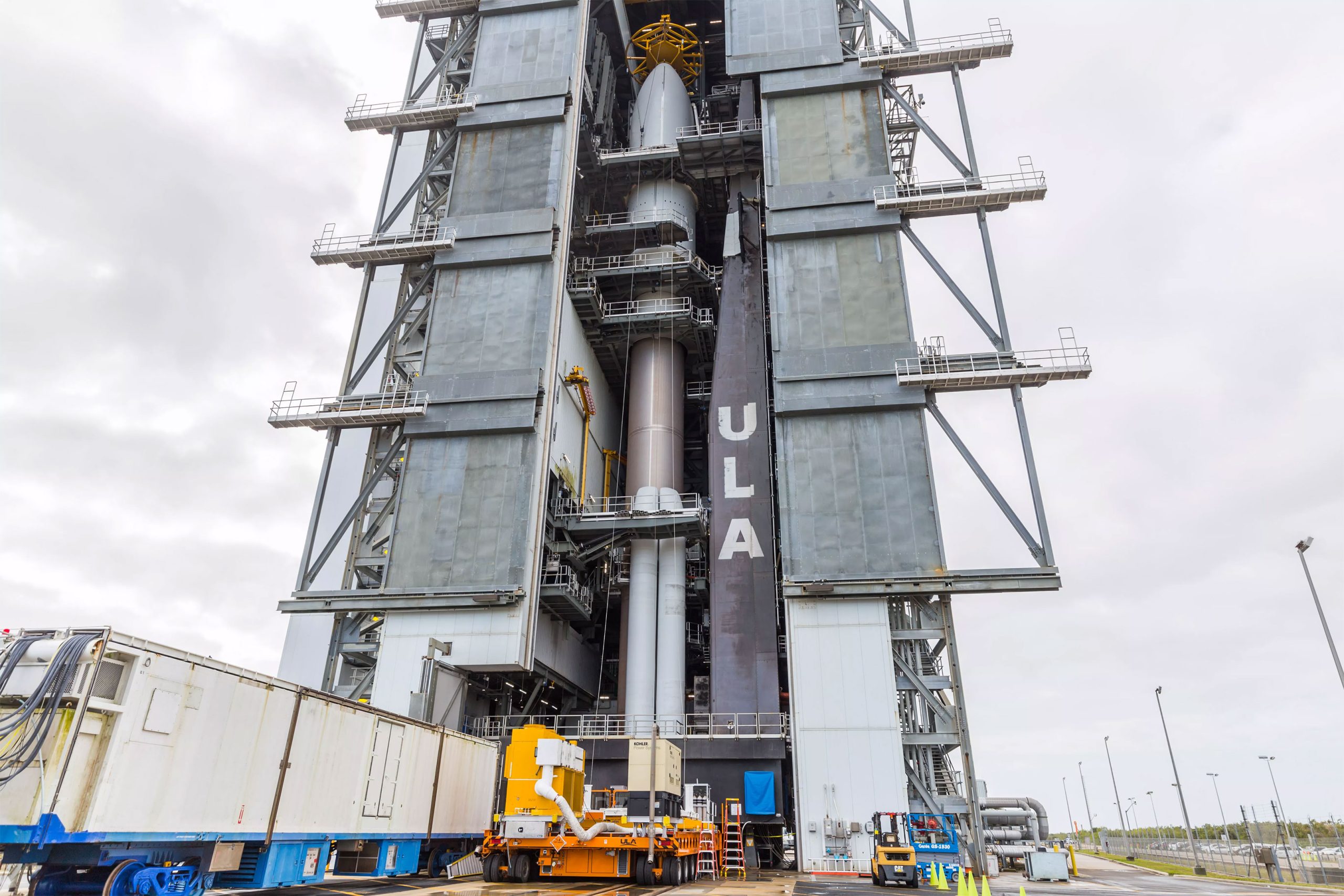
    NOAA GOES-T Satellite Mounted Atop Atlas V Rocket
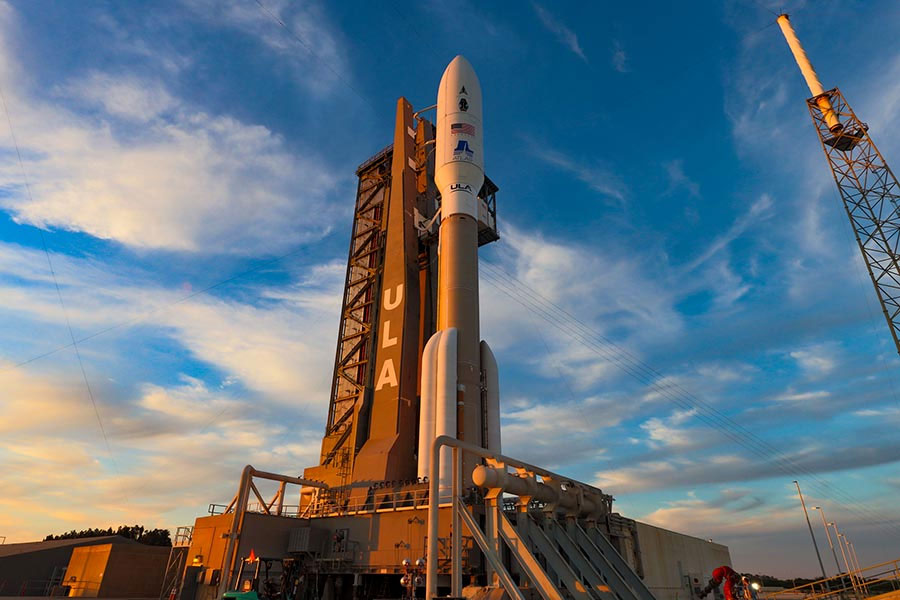
    NOAA’s GOES-T satellite is mounted atop its ride to space, the United Launch Alliance (ULA) Atlas V rocket, on February. 17, 2022. Credit: United Launch Alliance

    Liftoff is targeted for 4:38 p.m. EST on Tuesday, March 1, on a United Launch Alliance Atlas V 541 rocket, from Cape Canaveral Space Force Station’s Launch Complex 41. There is a two-hour window for the launch, which is being managed by NASA’s Launch Services Program, based at Kennedy.

    Weather officials with Cape Canaveral Space Force Station’s 45th Weather Squadron predict a 70% chance of favorable weather conditions for Tuesday afternoon’s launch of the National Oceanic and Atmospheric Administration’s (NOAA) Geostationary Operational Environmental Satellite-T (GOES-T) satellite from Florida’s Space Coast, with the cumulus cloud rule serving as the primary weather concern.
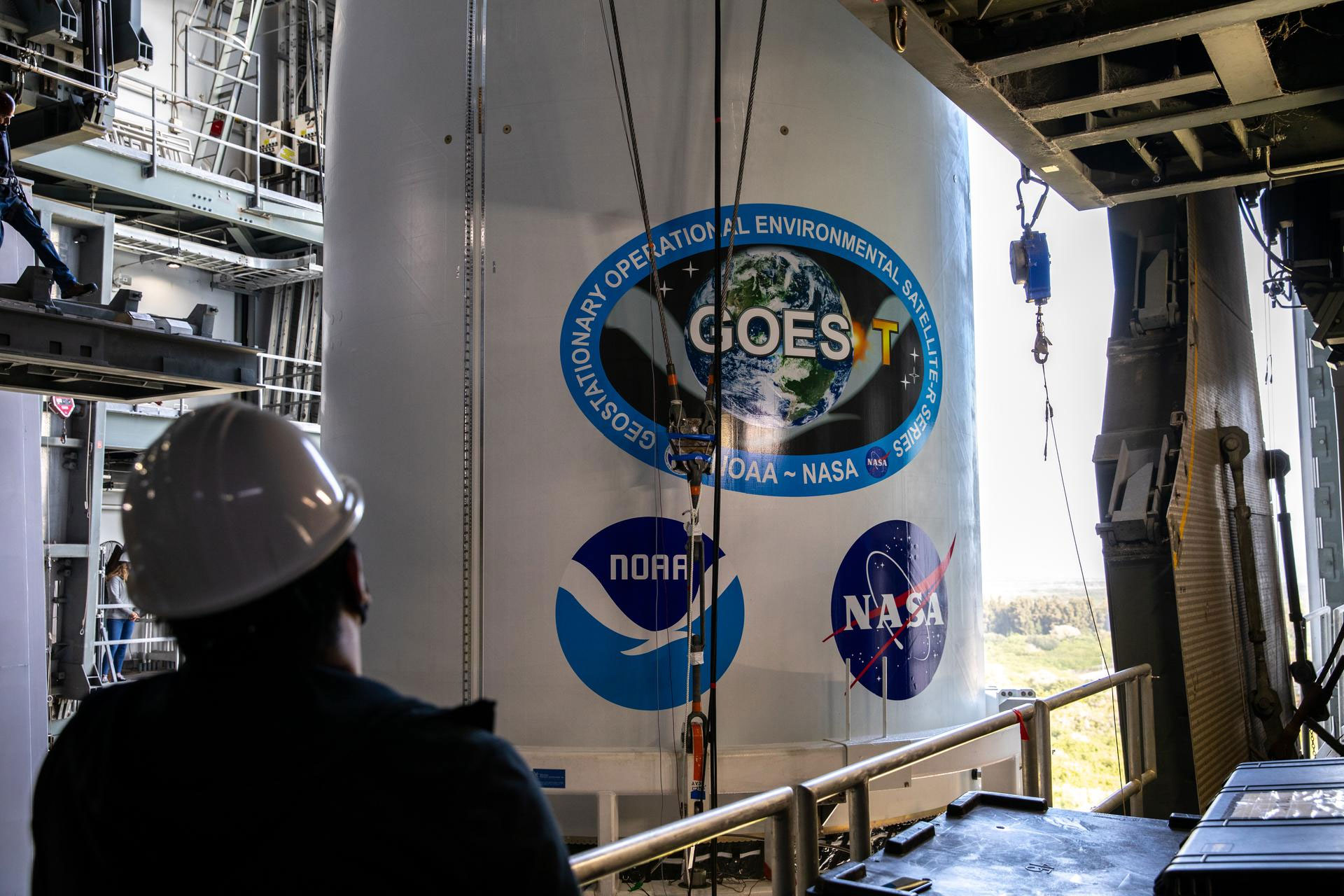
    GOES-T United Launch Alliance Technician
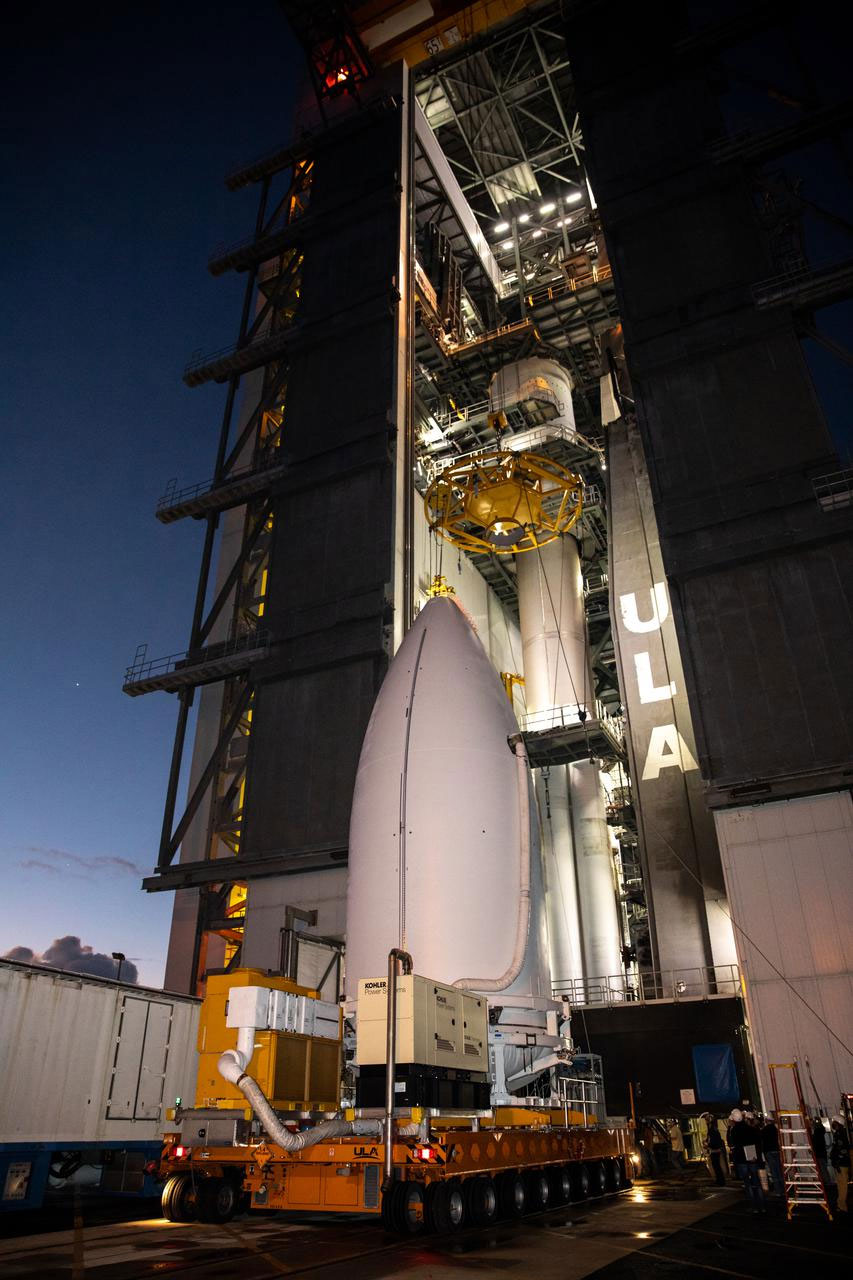
    A United Launch Alliance technician monitors the progress as the National Oceanic and Atmospheric Administration’s (NOAA) Geostationary Operational Environmental Satellite-T (GOES-T) is moved into United Launch Alliance’s Vertical Integration Facility at Space Launch Complex 41 at Cape Canaveral Space Force Station in Florida. Credit: NASA/Kim Shiflett

    At 10 a.m. on Monday, February 28, NASA EDGE will host the GOES-T rollout show. The broadcast will air live on NASA TV and YouTube. Coverage of launch day events begins at 4 p.m. Tuesday, March 1. Follow along right here on the blog, or tune in to the live show on NASA TV, the NASA app, or the agency’s website.

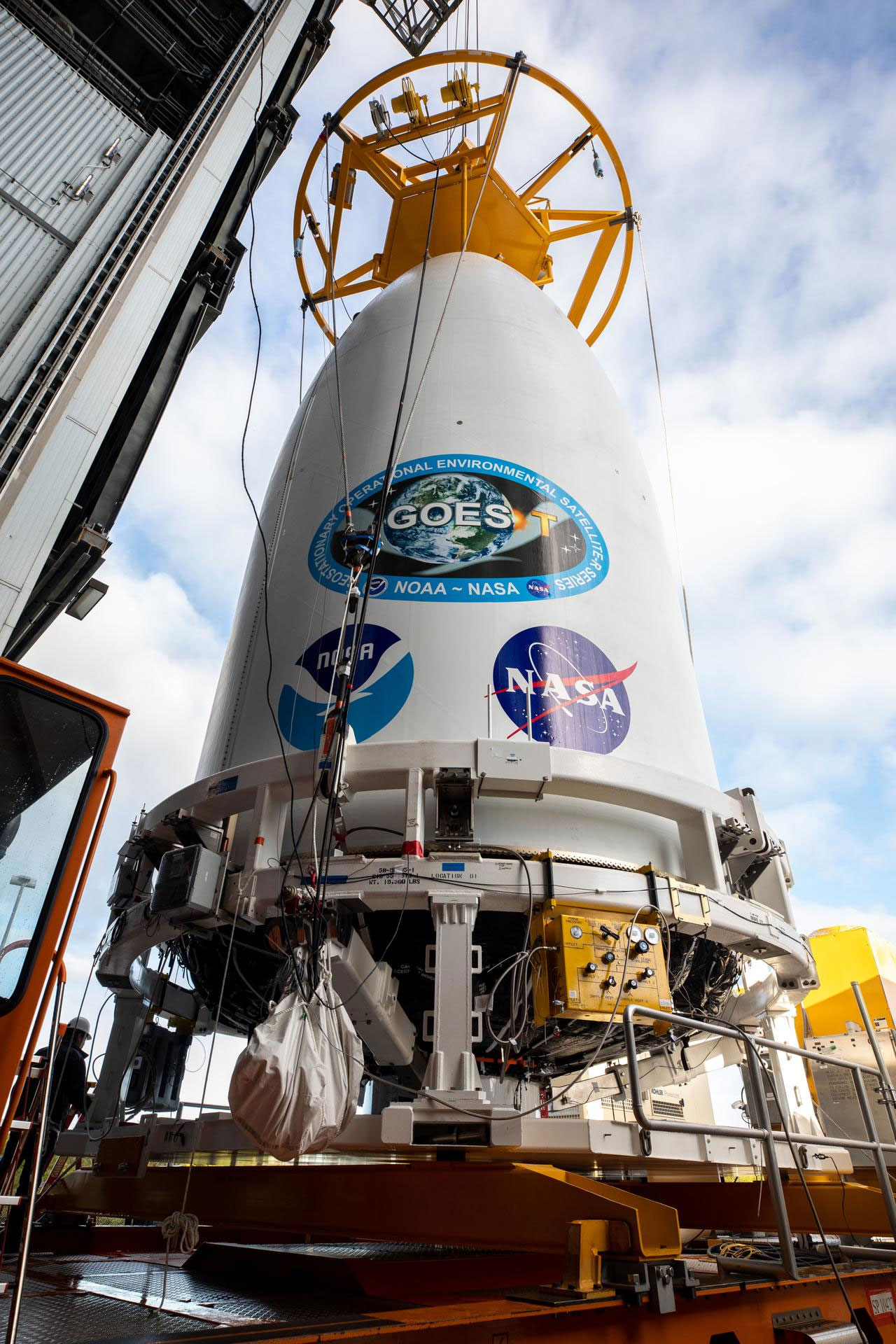
    GOES-T Satellite Payload Fairing
    A technician performs an inspection of the United Launch Alliance Atlas V payload fairings as they are secured around NOAA’s Geostationary Operational Environmental Satellite-T (GOES-T) inside the Astrotech Space Operations facility in Titusville, Florida, on Feb. 7, 2022. The payload fairings will secure and protect the satellite during launch. Credit: NASA/Ben Smegelsky
    GOES-T Satellite Fairing Crane
    A crane is attached to NOAA’s Geostationary Operational Environmental Satellite-T (GOES-T) satellite for its lift into the Vertical Integration Facility at Space Launch Complex 41 at Cape Canaveral Space Force Station in Florida. Credit: NASA/Kim Shiflett
    GOES-T Satellite Fairing
    GOES-T Liftoff is targeted for Tuesday, March 1, at 4:38 p.m. EST. There is a two-hour window for the launch. Credit: NASA/Kim Shiflett

    GOES-T is the third satellite in the Geostationary Operational Environmental Satellites (GOES) – R Series, the Western Hemisphere’s most sophisticated weather observing and environmental monitoring system. The GOES-R Series provides advanced imagery and atmospheric measurements, real-time mapping of lightning activity, and space weather monitoring.

    After GOES-T launches, it will be renamed GOES-18 once it reaches geostationary orbit. Following a successful on-orbit checkout of its instruments and systems, NOAA plans to put GOES-T immediately into operational service, replacing GOES-17 as GOES West.
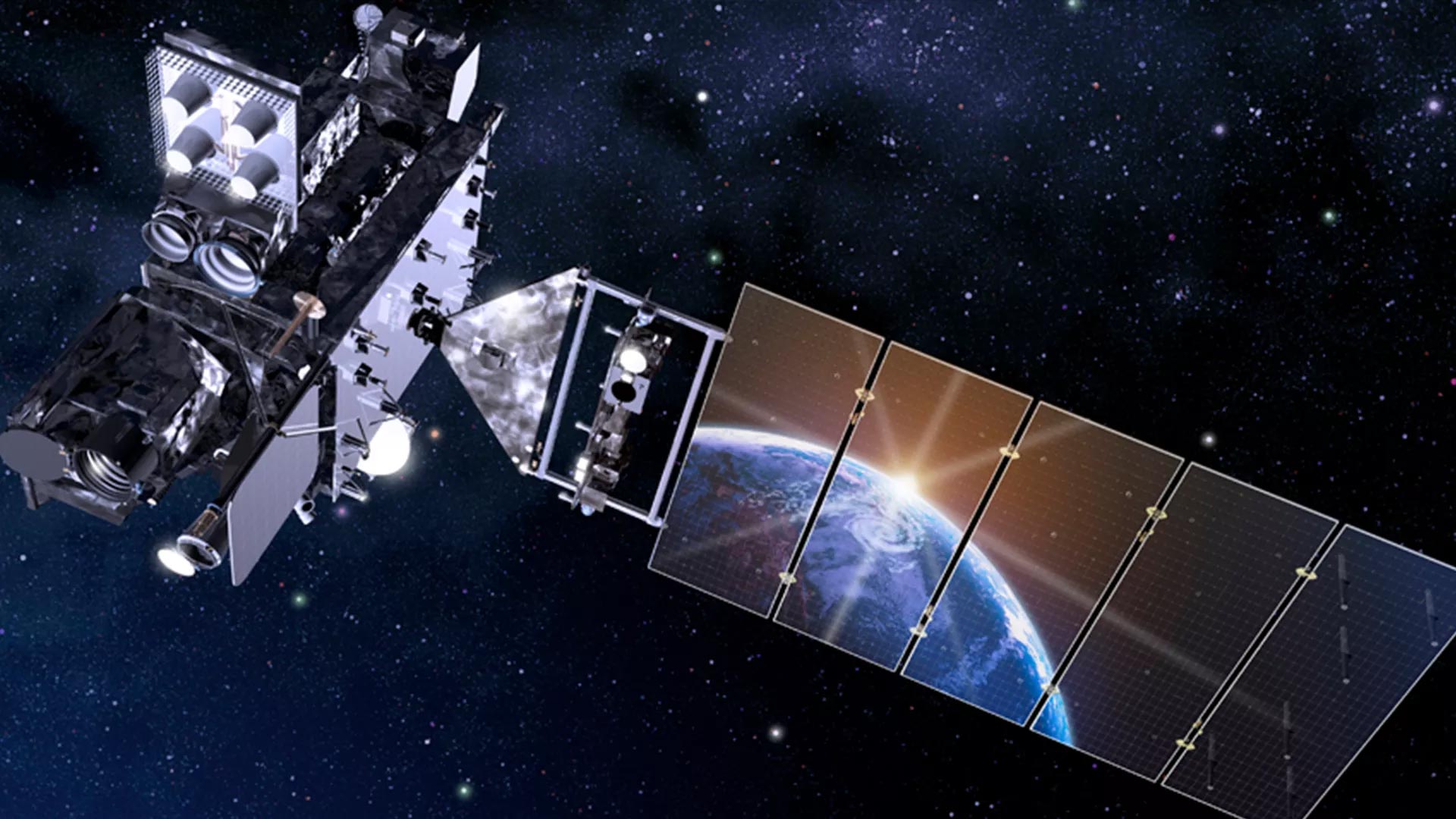
    NOAA GOES-T Satellite
    NOAA’s GOES-T is the third satellite in the Geostationary Operational Environmental Satellites (GOES) – R Series, the Western Hemisphere’s most sophisticated weather-observing and environmental-monitoring system. The GOES-R Series provides advanced imagery and atmospheric measurements, real-time mapping of lightning activity, and monitoring of space weather. Credit: NOAA

    The National Oceanic and Atmospheric Administration’s (NOAA) Geostationary Operational Environmental Satellite T (GOES-T) satellite is the third satellite in the GOES-R Series, the Western Hemisphere’s most advanced weather observing and environmental monitoring system. GOES-T will provide advanced imagery and atmospheric measurements, real-time mapping of lightning activity, and monitoring of space weather.

    GOES-T is scheduled to launch March 1, 2022, on a United Launch Alliance Atlas V 541 rocket from Space Launch Complex-41 at Cape Canaveral Space Force Station in Florida. NASA’s Launch Services Program (LSP), based at Kennedy Space Center, is managing the launch.

    Never miss a breakthrough: Join the SciTechDaily newsletter.
    Follow us on Google and Google News.

    NASA NOAA Rocket
    Share. Facebook Twitter Pinterest LinkedIn Email Reddit

    Related Articles

    NASA, ULA Launch GOES-T: NOAA’s Newest Earth Observing Satellite

    ULA Atlas V Rocket Topped Off With NOAA’s GOES-T Satellite – Ready for Launch

    NASA Readies for Future Artemis Moon Missions With SLS Rocket Engine Test Series

    Solar Cycle 25 Has Begun. Experts From NASA and NOAA Explain What It Means

    NOAA’s GOES-S Satellite is Ready for Today’s Launch, Watch It Live

    FORTIS Rocket Ready for Launch, Set to Study Extra-Galactic Dust

    Unmanned Orbital Sciences Corp Spacecraft Explodes During Launch

    NOAA Solar Eruption Classifications

    NASA Confiscates Stolen Rocket Engine

    Leave A Reply Cancel Reply

    • Facebook
    • Twitter
    • Pinterest
    • YouTube

    Don't Miss a Discovery

    Subscribe for the Latest in Science & Tech!

    Trending News

    Scientists Warn That This Common Pet Fish Can Wreck Entire Ecosystems

    Scientists Make Breakthrough in Turning Plastic Trash Into Clean Fuel Using Sunlight

    This Popular Supplement May Interfere With Cancer Treatment, Scientists Warn

    Scientists Finally Solved One of Water’s Biggest Mysteries

    Could This New Weight-Loss Pill Disrupt the Entire Market? Here’s What You Should Know About Orforglipron

    Earth’s Crust Is Tearing Open in Africa, and It Could Form a New Ocean

    Breakthrough Bowel Cancer Trial Leaves Patients Cancer-Free for Nearly 3 Years

    Natural Compound Shows Powerful Potential Against Rheumatoid Arthritis

    Follow SciTechDaily
    • Facebook
    • Twitter
    • YouTube
    • Pinterest
    • Newsletter
    • RSS
    SciTech News
    • Biology News
    • Chemistry News
    • Earth News
    • Health News
    • Physics News
    • Science News
    • Space News
    • Technology News
    Recent Posts
    • Kratom Use Explodes in the US, With Life-Changing Consequences
    • Scientists Uncover Fatal Weakness in “Zombie Cells” Linked to Cancer
    • World-First Study Reveals Human Hearts Can Regenerate After a Heart Attack
    • Why Your Dreams Feel So Real Sometimes and So Strange Other Times
    • Scientists Debunk 100-Year-Old Belief About Brain Cells, Rewriting Textbooks
    Copyright © 1998 - 2026 SciTechDaily. All Rights Reserved.
    • Science News
    • About
    • Contact
    • Editorial Board
    • Privacy Policy
    • Terms of Use

    Type above and press Enter to search. Press Esc to cancel.