
New research indicates that a ketogenic diet could delay early Alzheimer’s symptoms in mice by boosting beta-hydroxybutyrate levels, improving memory and cognitive functions.
The ketogenic diet is a low-carbohydrate, high-fat, and moderate protein diet, which shifts the body’s metabolism from using glucose as the main fuel source to burning fat and producing ketones for energy. Previously, University of California, Davis researchers discovered that mice lived 13% longer on ketogenic diets.
In a new study, which follows up on their previous research, they found that a ketogenic diet significantly delays the early stages of Alzheimer’s-related memory loss in mice. This early memory loss is comparable to mild cognitive impairment in humans that precedes full-blown Alzheimer’s disease. Their findings were recently published in the Nature Group journal Communications Biology.
Key Findings on Alzheimer’s and Ketogenesis
The researchers found that the molecule beta-hydroxybutyrate, or BHB, plays a pivotal role in preventing early memory decline. It increases almost sevenfold on the ketogenic diet.
“The data support the idea that the ketogenic diet in general, and BHB specifically, delays mild cognitive impairment and it may delay full blown Alzheimer’s disease,” said co-corresponding author Gino Cortopassi, a biochemist and pharmacologist with the UC Davis School of Veterinary Medicine. “The data clearly don’t support the idea that this is eliminating Alzheimer’s disease entirely.”

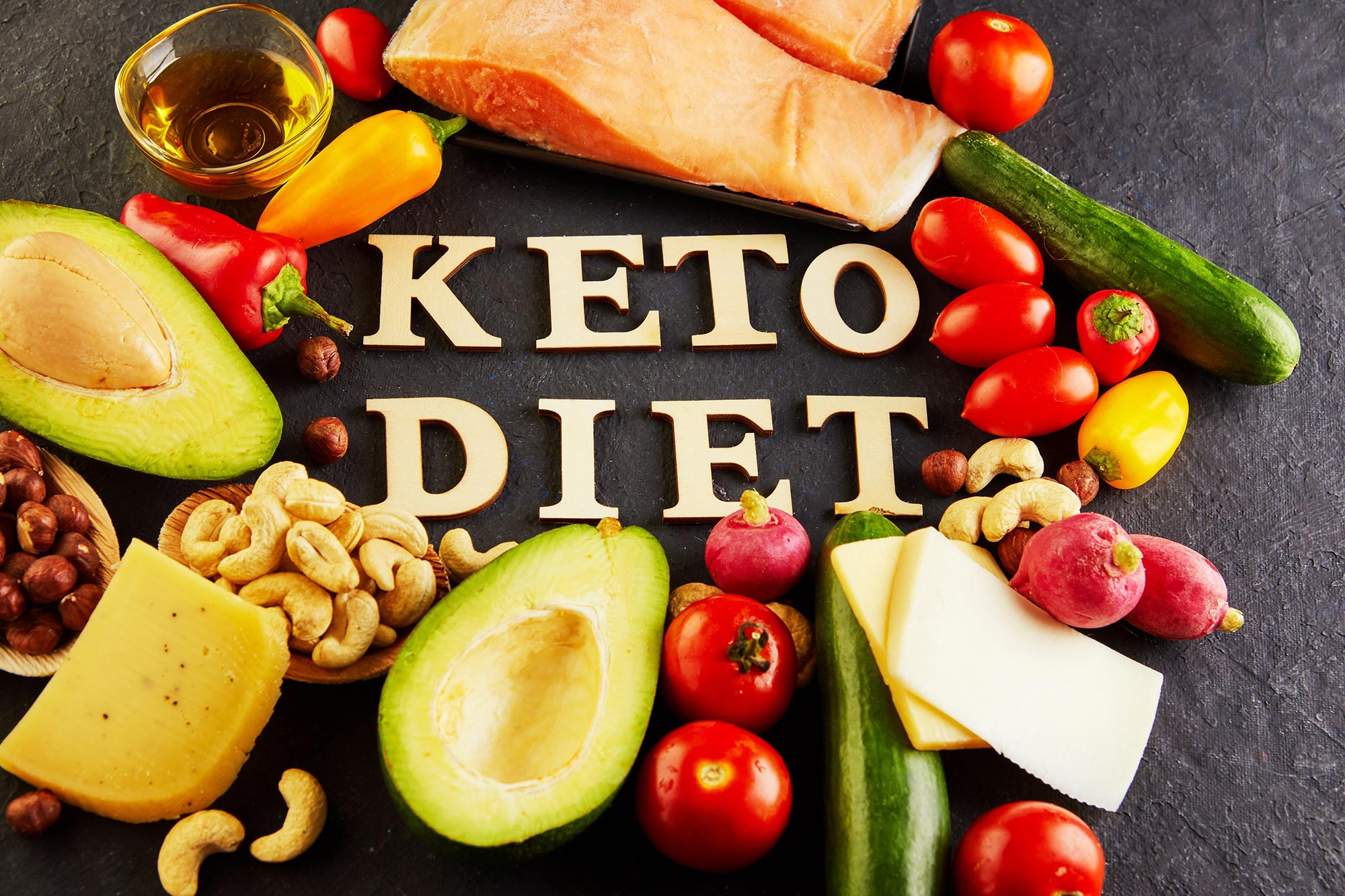
The ketogenic diet is a high-fat, low-carbohydrate eating plan designed to shift the body’s metabolism from burning glucose (derived from carbohydrates) to burning fat for energy. This metabolic state, known as ketosis, occurs when carbohydrate intake is significantly reduced, prompting the liver to convert fats into ketones, which serve as an alternative fuel source for the body and brain. The diet typically includes foods such as meats, fatty fish, eggs, butter, oils, nuts, seeds, and low-carb vegetables while minimizing or eliminating foods high in carbohydrates like grains, sugars, fruits, and starchy vegetables. Originally developed to manage epilepsy, particularly in children, the ketogenic diet has gained popularity for its potential benefits in weight loss, improved blood sugar control, and enhanced mental clarity, though it requires careful planning and monitoring to maintain nutritional balance and avoid potential side effects.
Benefits of BHB in Cognitive Function
Scientists gave mice enough BHB to simulate the benefits of being on the keto diet for seven months.
“We observed amazing abilities of BHB to improve the function of synapses, small structures that connect all nerve cells in the brain. When nerve cells are better connected, the memory problems in mild cognitive impairment are improved,” said co-corresponding author Izumi Maezawa, professor of pathology at the UC Davis School of Medicine.
Cortopassi noted that BHB is also available as a supplement for humans. He said a BHB supplement could likely support memory in mice, but that hasn’t yet been shown.
Gender-Specific Responses and Future Research
Researchers found that the ketogenic diet mice exhibited significant increases in the biochemical pathways related to memory formation. The keto diet also seemed to benefit females more than males and resulted in higher levels of BHB in females.
“If these results translated to humans, that could be interesting since females, especially those bearing the ApoE4 gene variant, are at significantly higher risk for Alzheimer’s,” Cortopassi said.
The research team is optimistic about the potential impact on healthy aging and plans to delve further into the subject with future studies.
Reference: “Ketogenic diet and BHB rescue the fall of long-term potentiation in an Alzheimer’s mouse model and stimulates synaptic plasticity pathway enzymes” by Jacopo Di Lucente, Giuseppe Persico, Zeyu Zhou, Lee-Way Jin, Jon J. Ramsey, Jennifer M. Rutkowsky, Claire M. Montgomery, Alexey Tomilov, Kyoungmi Kim, Marco Giorgio, Izumi Maezawa and Gino A. Cortopassi, 16 February 2024, Communications Biology.
DOI: 10.1038/s42003-024-05860-z
Funding: The study was funded by the National Institute on Aging, a unit of the National Institutes of Health.
Never miss a breakthrough: Join the SciTechDaily newsletter.
Follow us on Google and Google News.
3 Comments
Well, who’d have thought it? The brain works better and you’ll likely live longer if you choose a keto diet rich in animal fats.
What better reason could our eugenicist lords and masters have for driving cattle and dairy farmers to the wall!
More importantly, Michael, despite years of personal efforts to share my lay findings with thousands of professional others (e.g., first, US FDA in October of 2005, with replies), most healthcare professionals and researchers remain ignorant and incompetent of practically harmless individual nearly subclinical non-IgE-mediated food allergy reactions to proteins (e.g., Dr. Arthur F. Coca, “The Pulse Test,” 1956; free online in PDF format, https://soilandhealth.org/wp-content/uploads/02/0201hyglibcat/020108.coca.pdf) aggravated (or not) with officially (FDA in the US) approved food poisoning (e.g., soy and added artificially cultured “free” MSG, minimally). Not only does limiting proteinaceous allergens allow individual allergy reactions the time to spontaneously resolve to prevent them from becoming ‘chronic,’ and mitigate brain damage, so does providing longer intervals between dietary dosing with such (e.g., ‘intermittent fasting’). Again, the research focuses on merely treating cheaply and easily prevented chronic diseases in long-term progress instead of preventing them in the first place. Hopefully, this research can lead to helping some people already seriously diminished with memory loss.
High-fat diet exacerbates cognitive decline in mouse models of Alzheimer’s disease and mixed dementia in a sex-dependent manner