
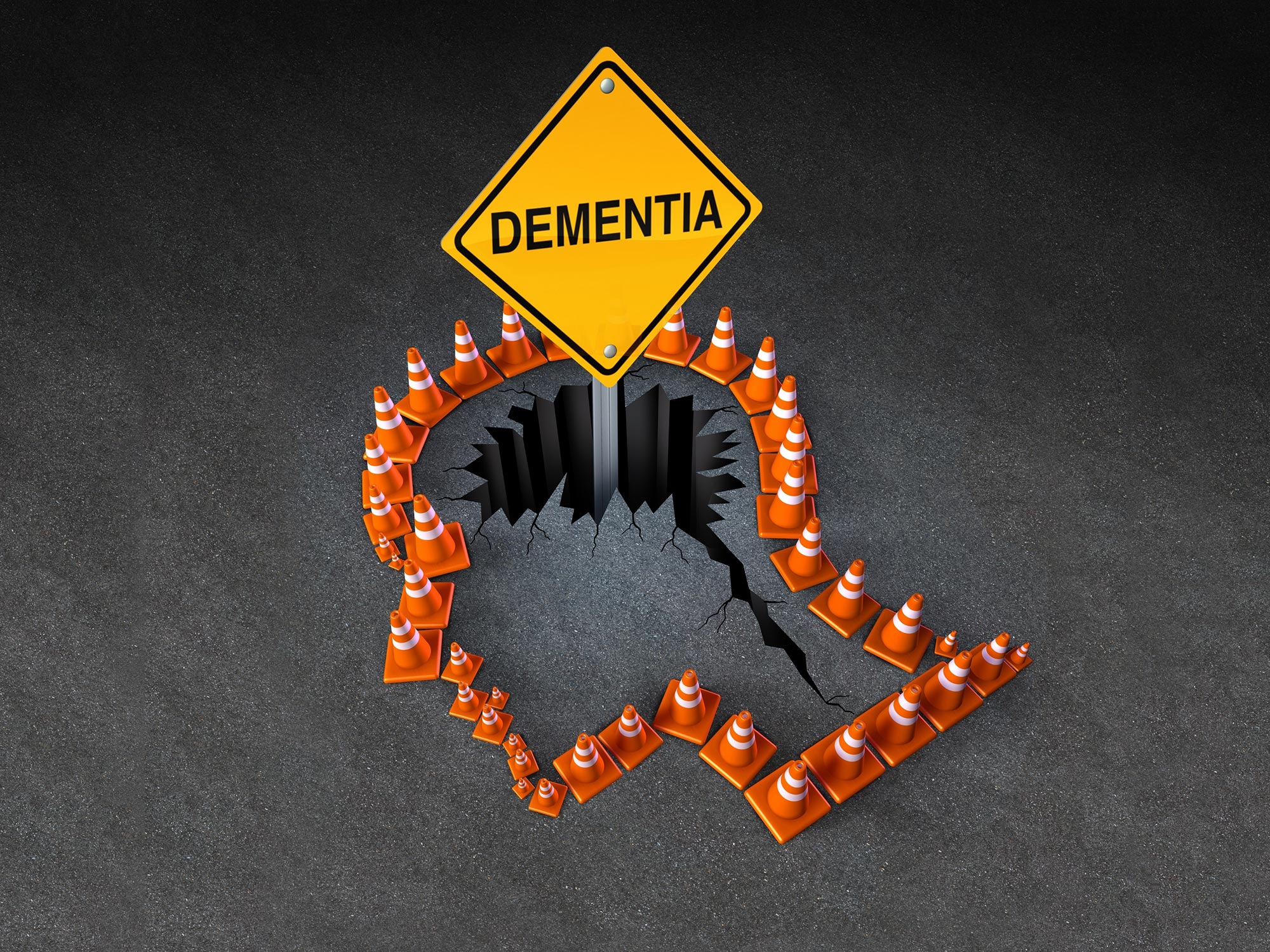
A recent study by the University of Southern Denmark has found a correlation between the loss of hearing and an increased risk of dementia.
Individuals with hearing impairments exert more effort in listening, which subsequently detracts from their capacity to perform other cognitive tasks. Cognitive tasks refer to the brain’s functions that allow for thinking, problem-solving, and various other mental activities.
In a new study featuring data from 573,088 people, researchers from the Department of Clinical Research at the University of Southern Denmark have found a link between hearing loss and the development of dementia. The study is the largest of its kind to date.
There is already an increase in the number of people with dementia. This is mainly due to the aging of the population as a whole, but there are also other risk factors, such as lifestyle and hearing.
“Previous studies have suggested that there could be a link between hearing loss and dementia. Our study is larger than the previous studies, and we have demonstrated a link between hearing loss and dementia,” says Assistant Professor Manuella Lech Cantuaria from the Department of Clinical Research at the University of Southern Denmark.
Good news for hearing aid users
The results of the study show that people affected by hearing loss have up to a 13% higher risk of developing dementia compared to people with normal hearing. The high risk is especially seen in people with severe hearing loss.
The researchers also studied whether there was a difference in the risk depending on whether or not people wear hearing aids.
“We found that the risk of developing dementia was 20% higher for people who didn’t wear hearing aids compared to people with normal hearing. People who used hearing aids had a 6% increased risk of developing dementia. This suggests that wearing a hearing aid can prevent or delay the development of dementia,” explains Manuella Lech Cantuaria.
About the study
The study is a so-called cohort study that follows a group of people with common characteristics over a longer period of time. In this study, all of the people were above 50 years of age and from the Region of Southern Denmark between 2003–2017. People diagnosed with dementia before the commencement of the study were excluded. The researchers compared data on people’s hearing with data on the development of dementia during the period. The researchers have found a significant – that is, clear – correlation between hearing loss and the development of dementia.
- The greatest risk of developing dementia was especially seen in people with severe hearing loss
- Hearing loss causes a 7% increased risk of developing dementia
- People with severe hearing loss have up to a 20% increased risk of developing dementia compared to people without hearing loss
Reference: “Hearing Loss, Hearing Aid Use, and Risk of Dementia in Older Adults” by Manuella Lech Cantuaria, Ellen Raben Pedersen, Frans Boch Waldorff, Lene Wermuth, Kjeld Møller Pedersen, Aslak Harbo Poulsen, Ole Raaschou-Nielsen, Mette Sørensen and Jesper Hvass Schmidt, 4 January 2024, JAMA Otolaryngology–Head & Neck Surgery.
DOI: 10.1001/jamaoto.2023.3509
Never miss a breakthrough: Join the SciTechDaily newsletter.
Follow us on Google and Google News.
1 Comment
I don’t know. It’s a big study, 573088 people, finding 7% higher risk of dementia with hearing loss, 13% higher again without using hearing aids. This study crossreferences the Hearing Examinations in Southern Denmark database for hearing loss, with “national databases” for dementia. That won’t have information on people who use new non-prescription hearing aids, or people who were prescribed hearing-aids but don’t wear or forget to wear them, or people with medically-untreated dementia. The demographics of the study are unknown, apart from having been over 50 in Denmark. Anyone of that age can tell you how inaccurate healthcare databases are, and these databases are totally unspecified. The hypothesis is very logical, but I’ve been burned way too many times on this site by studies funded by hearing-aid salesmen. This study doesn’t even mention funding. With all the abuse of this hypothesis, I’m going to need more than 460 words and crossreferenced mystery databases to consider it.