
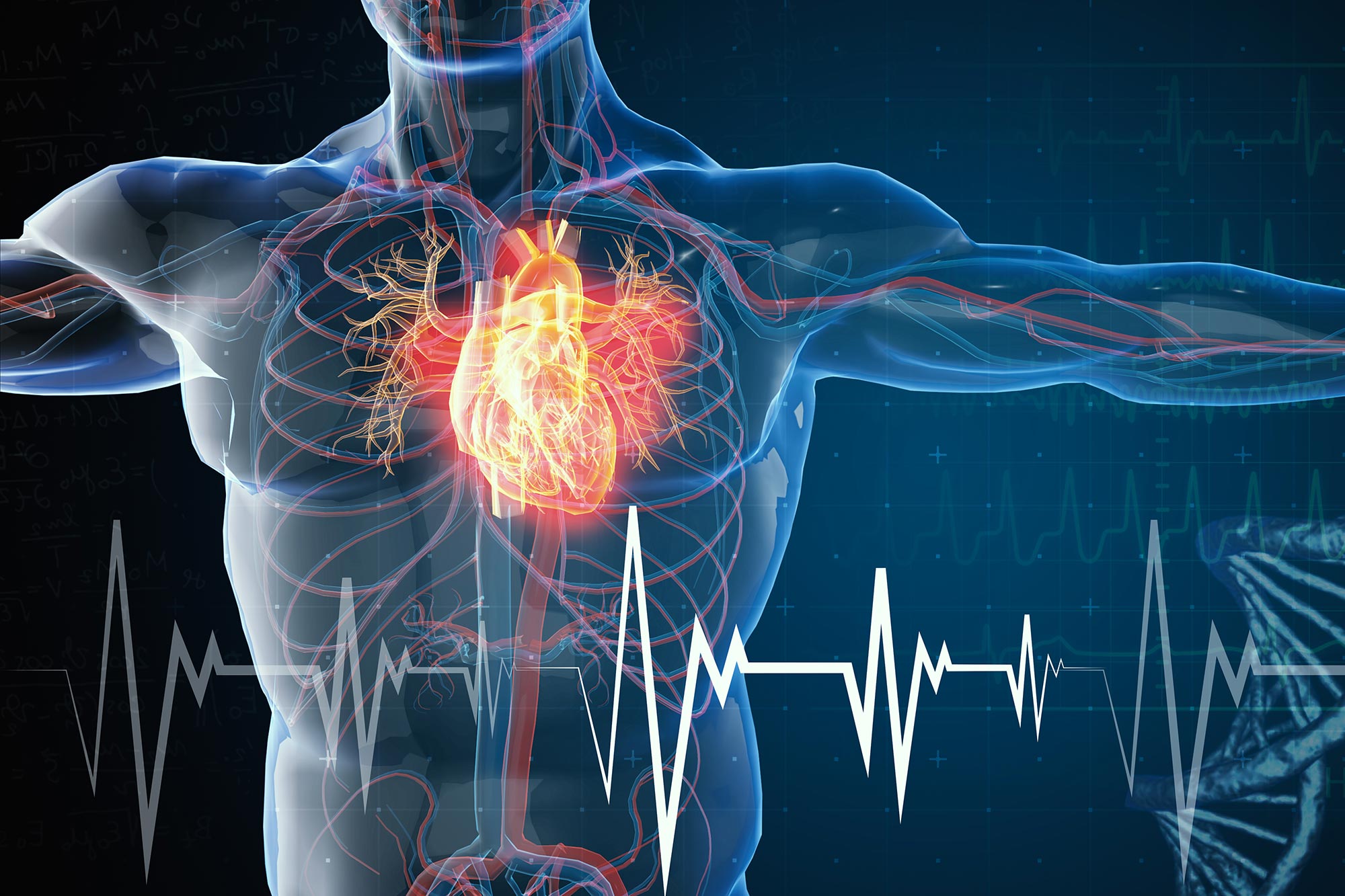
Scientists have uncovered evidence that heart attacks may actually be sparked by infection.
Hidden bacterial biofilms can lurk silently inside arterial plaques for decades, shielded from the immune system, until a viral illness or other trigger awakens them. Once activated, the bacteria fuel inflammation that ruptures plaques and blocks blood flow — leading to heart attacks.
Myocardial Infarction May Be Infectious
Recent findings suggest that infections could play a role in triggering myocardial infarction. Researchers using advanced techniques discovered that in coronary artery disease, cholesterol-rich atherosclerotic plaques may contain a jelly-like biofilm created by bacteria. These biofilms can develop silently over many years without causing symptoms. The bacteria inside remain inactive and are protected from both the body’s immune defenses and antibiotics, as neither can penetrate the dense biofilm structure.
Biofilms Activated by Viral Triggers
The study indicates that a viral infection or another outside factor can awaken the dormant biofilm. Once activated, the bacteria begin to multiply, sparking inflammation. This immune reaction has the potential to weaken and rupture the fibrous covering of the plaque, which can then lead to clot formation and ultimately a heart attack.
Professor Pekka Karhunen, the study’s lead author, explains that until now it was widely believed that coronary artery disease was primarily driven by oxidised low-density lipoprotein (LDL), which the body identifies as a foreign substance.
Bacterial DNA Found in Arteries
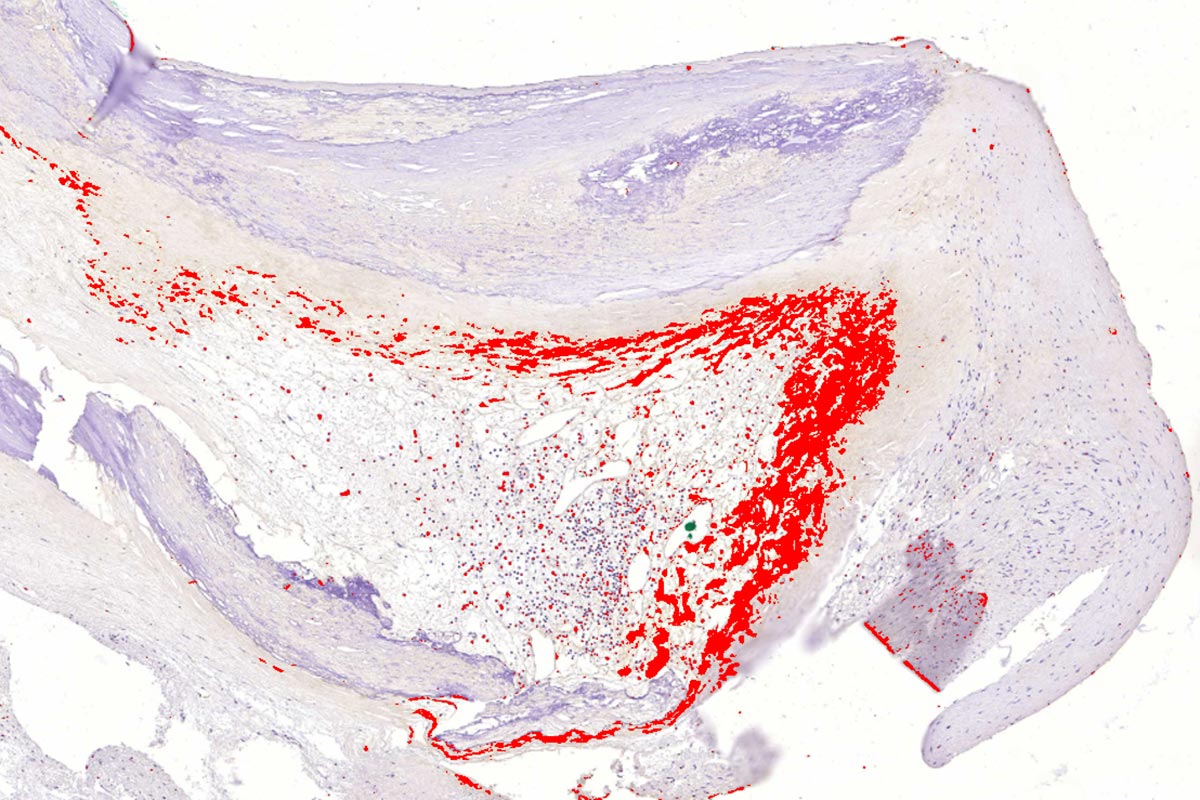
“Bacterial involvement in coronary artery disease has long been suspected, but direct and convincing evidence has been lacking. Our study demonstrated the presence of genetic material – DNA – from several oral bacteria inside atherosclerotic plaques,” Karhunen explains.
The findings were validated by developing an antibody targeted at the discovered bacteria, which unexpectedly revealed biofilm structures in arterial tissue. Bacteria released from the biofilm were observed in cases of myocardial infarction. The body’s immune system had responded to these bacteria, triggering inflammation, which ruptured the cholesterol-laden plaque.
Toward Vaccines and Novel Therapies
The observations pave the way for the development of novel diagnostic and therapeutic strategies for myocardial infarction. Furthermore, they advance the possibility of preventing coronary artery disease and myocardial infarction by vaccination.
Reference: “Viridans Streptococcal Biofilm Evades Immune Detection and Contributes to Inflammation and Rupture of Atherosclerotic Plaques” by Pekka J. Karhunen, Tanja Pessi, Sohvi Hörkkö, Vesa Karhunen, Sirkka Goebeler, Anne‐Mari Louhelainen, Mika Martiskainen, Teppo Haapaniemi, Johanna Lappeteläinen, Tommi Ijäs, Leo‐Pekka Lyytikäinen, Emma Raitoharju, Thanos Sioris, Sari Tuomisto, Heini Huhtala, Chunguang Wang, Claudia Monaco, Niku Oksala, Terho Lehtimäki and Reijo Laaksonen, 6 August 2025, Journal of the American Heart Association.
DOI: 10.1161/JAHA.125.041521
The study was conducted by Tampere and Oulu Universities, Finnish Institute for Health and Welfare and the University of Oxford. Tissue samples were obtained from individuals who had died from sudden cardiac death, as well as from patients with atherosclerosis who were undergoing surgery to cleanse carotid and peripheral arteries.
The research is part of an extensive EU-funded cardiovascular research project involving 11 countries. Significant funding was also provided by the Finnish Foundation for Cardiovascular Research and Jane and Aatos Erkko Foundation.
Never miss a breakthrough: Join the SciTechDaily newsletter.
Follow us on Google and Google News.