
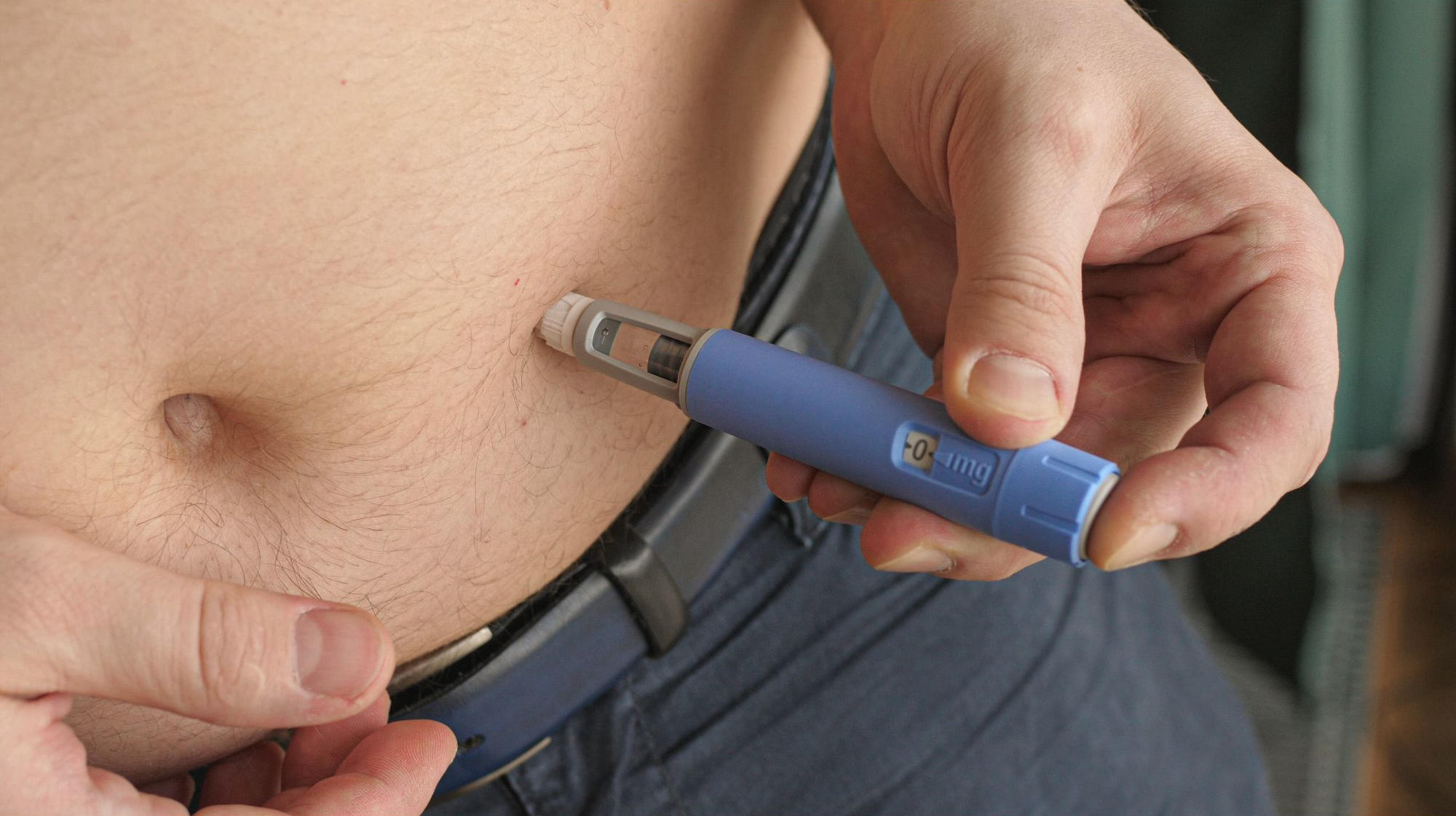
Recent findings indicate that widely used weight-loss medications might lead to muscle loss, including vital heart muscle, potentially leading to serious health complications over time.
Experts call for more research and a cautious approach to using these drugs, stressing the need for proper diet and exercise to mitigate risks.
New Study Raises Concerns About Weight-Loss Drugs
Popular weight-loss drugs that have gained attention for helping people shed pounds may also be causing unintended muscle loss, including in the heart, according to a new study from the University of Alberta. Researchers warn that these findings should serve as a “cautionary tale” about the potential long-term health risks of these medications.
“If people have been prescribed these drugs, then the benefits should likely far exceed the risks,” says Jason Dyck, lead author on the study, pediatrics professor in the Faculty of Medicine & Dentistry, and a member of the Women and Children’s Health Research Institute.
“However, the growing number of people who may be taking these drugs who do not meet the eligibility criteria and who are not at risk have a different risk-reward calculation that they should be made aware of.”
Unintended Effects on Muscles
Dyck and his team focused their research on Ozempic, a widely used weight-loss medication, to better understand its reported side effect of skeletal muscle loss.
Ozempic, known medically as semaglutide, was originally designed to help adult patients with type 2 diabetes control their blood sugar. However, this drug — and a host of others in this class of medication — are also being touted for their effectiveness as an anti-obesity medication.
Long-Term Health Risks Explored
Using mice for the study, the researchers found that heart muscle also decreased in both obese and lean mice. The systemic effect observed in mice was then confirmed in cultured human heart cells.
Dyck, who is the Canada Research Chair in Molecular Medicine and heads up the Cardiovascular Research Centre, says his team did not observe any detrimental functional effects in the hearts of mice with smaller hearts and thus would not expect any overt health effects in humans. But he adds that there may be more impact over the long term, or some forms of cardiac stress may have a detrimental effect that wasn’t observed at rest.
“Given the growing number of people taking this drug who have no cardiovascular disease or who are not classified as obese, we suggest that cardiac structure and function be carefully evaluated in previous and ongoing clinical studies.”
Dyck’s study comes on the heels of a commentary published in the November issue of The Lancet by an international team of researchers from the U of A, McMaster, and Louisiana State University who examined emerging research showing that up to 40 percent of the weight lost by people using weight-loss drugs is actually muscle.
Importance of Muscle Preservation
Carla Prado, a nutrition researcher in the Faculty of Agricultural, Life & Environmental Sciences and lead author on the commentary, explains this rate of muscle decline is significantly higher than what is typically observed with calorie-reduced diets or normal aging and could lead to a host of long-term health issues — including decreased immunity, increased risk of infections and poor wound healing.
“Muscle does much more than just help us move or lift things. It is a powerful organ that keeps us healthy in a number of ways,” she says.
For example, muscle stores important building blocks — amino acids — that the body uses when we’re sick, stressed or injured to repair itself and stay strong. It also plays a huge role in managing blood sugar, which helps prevent diabetes.
As well, Prado notes muscle releases special molecules called myokines that signal other parts of the body to help fight infections and support our immune system.
“That’s why preserving muscle is so important, especially during weight-loss treatments — it’s not just about staying strong, but about keeping our whole body resilient and healthy.”
In the commentary, the authors suggest that muscle loss due to weight reduction may also exacerbate conditions like sarcopenic obesity — characterized by a combination of high body fat and low skeletal muscle mass — which contributes to poorer health outcomes, including cardiovascular disease and higher mortality rates.
Though the short-term effects of muscle loss on physical strength and function remain unclear, the commentary calls for future research to explore how reductions in muscle mass might improve muscle mass and composition.
Nutrition and Exercise for Muscle Health
To keep muscle strong while losing weight, Prado says it is essential to focus on two main things: nutrition and exercise. Proper nutrition means getting enough high-quality protein, essential vitamins and minerals, and other “muscle-building” nutrients. Sometimes, this can include protein supplements to make sure the body has what it needs.
“Exercise is just as important — specifically resistance training like lifting weights or using resistance bands,” said Prado, who was recently named Canada Research Chair in Integrative Nutrition, Body Composition and Energy Metabolism.
“This type of exercise helps keep muscle from breaking down during weight loss and maintains strength.”
She adds that for anyone using weight loss medications, it’s best to follow a balanced program that includes both enough protein and resistance training.
“This can help people lose fat while minimizing muscle loss, which helps them get the full health benefits of treatment and stay strong.”
Reference: “Semaglutide Reduces Cardiomyocyte Size and Cardiac Mass in Lean and Obese Mice” by Matthew D. Martens, Yasser Abuetabh, Mya A. Schmidt, Matthieu C.P. Zolondek, Heidi L. Silver, Jody L. Levasseur, Mourad Ferdaoussi and Jason R.B. Dyck, 16 October 2024, JACC: Basic to Translational Science.
DOI: 10.1016/j.jacbts.2024.07.006
Prado, who is a member of the Cancer Research Institute of Northern Alberta, the Women and Children’s Health Research Institute, the Alberta Diabetes Institute, the Alberta Transplant Institute, and the Institute of Sensory Motor Rehabilitative Technology, is collaborating with Dyck to explore the mechanisms and impact of various forms of muscle wasting in relation to this class of medication.
Never miss a breakthrough: Join the SciTechDaily newsletter.
Follow us on Google and Google News.
1 Comment
This just proves that there is no magic bullet. The only safe way to lose weight is eat less and exercise more.