
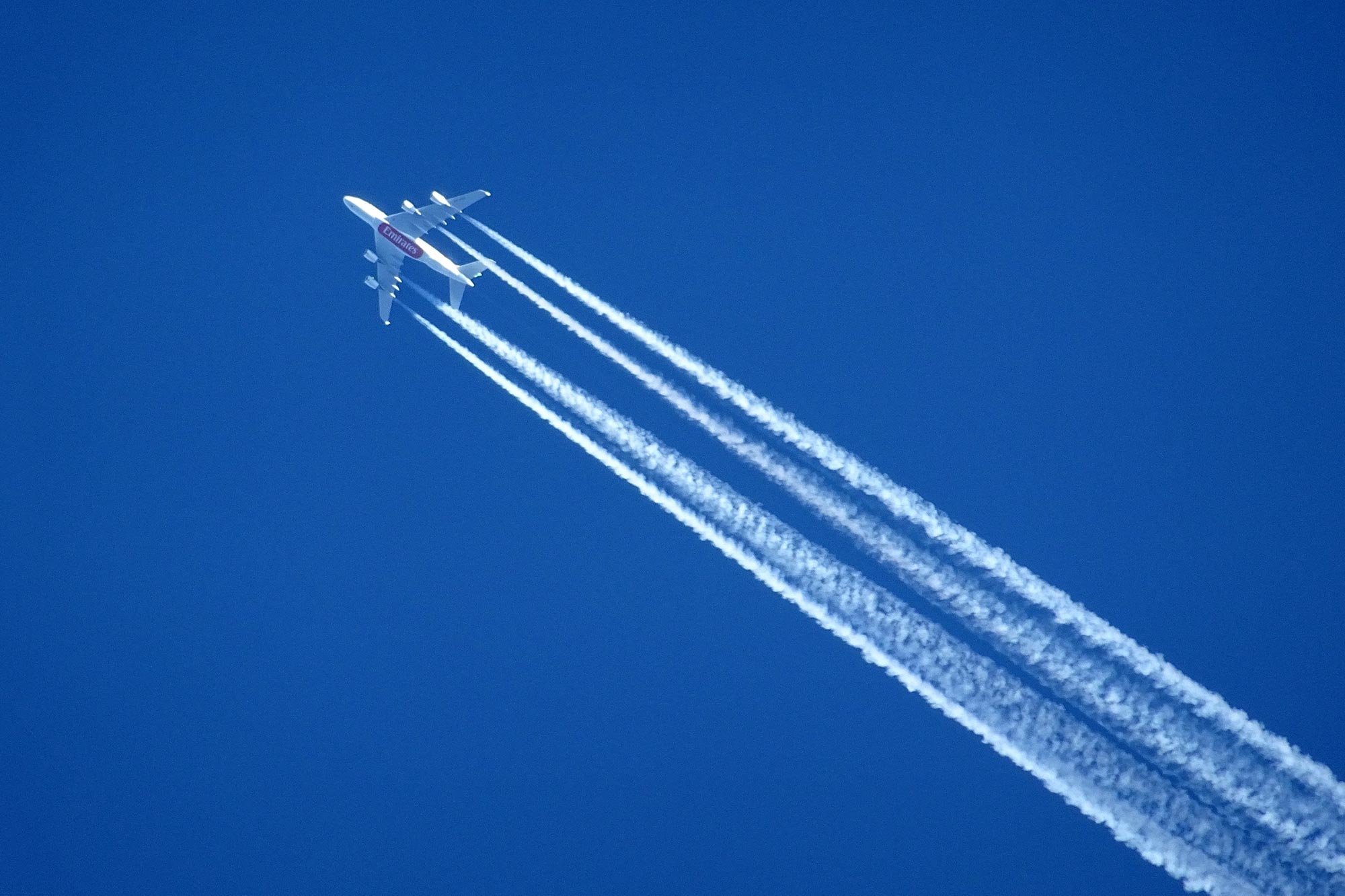
NASA and Boeing’s joint research focuses on how sustainable aviation fuels can mitigate the environmental impact of contrails, aiming to advance greener aviation practices.
Contrails, the lines of clouds from high-flying aircraft that crisscross the skies, are familiar sights, but they may have an unseen effect on the planet – trapping heat in the atmosphere. Working with Boeing, and other partners, NASA researchers are collecting data to see how new, greener aviation fuels can help reduce the problem.
NASA-Boeing Research Campaign
During October, NASA and Boeing partnered to conduct a contrail research campaign in Washington state through the company’s ecoDemonstrator program. The campaign focused on generating and analyzing data about sustainable aviation fuel’s capacity to benefit the environment.
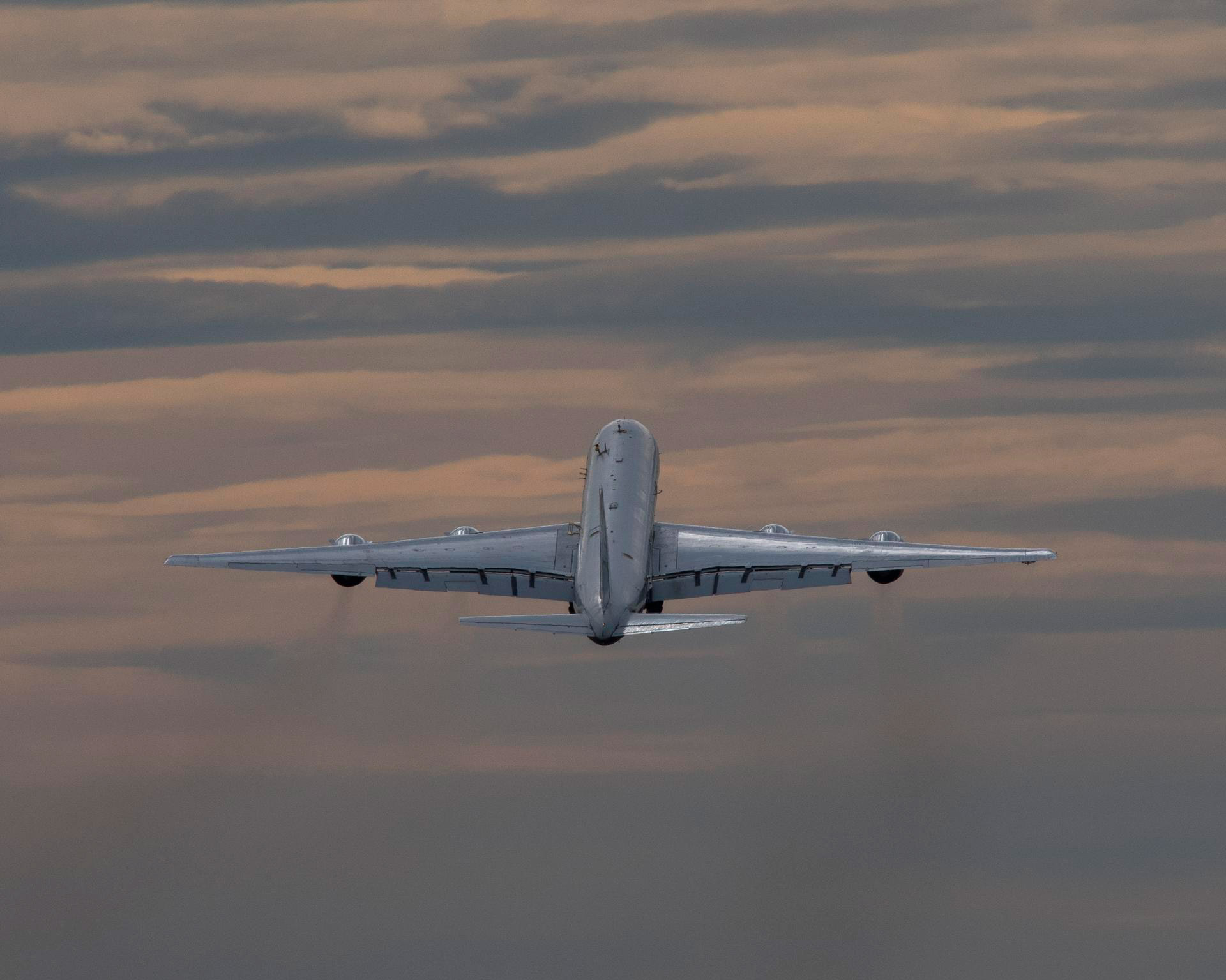
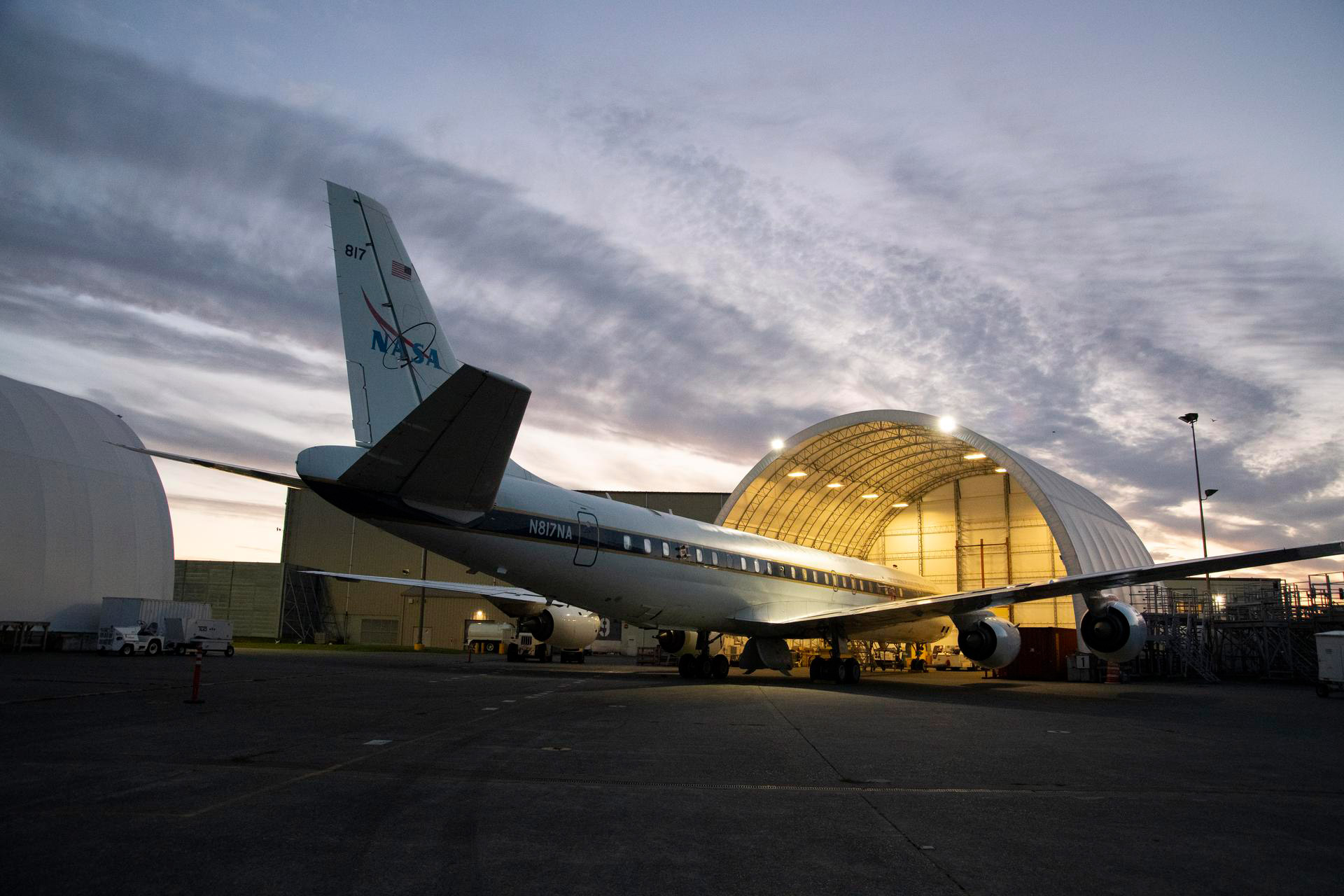
Boeing’s second ecoDemonstrator Explorer aircraft, a 737-10, conducted test flights switching between tanks filled either with 100% sustainable aviation fuel or a low-sulfur version of conventional jet fuel. NASA’s DC-8 aircraft, the world’s largest flying science laboratory, followed, measuring emissions and contrail ice formation from each type of fuel. The data collected by the DC-8’s special instrumentation will help determine whether sustainable aviation fuels help reduce the formation of contrails.
Research Focus and Collaboration
“Contrails are believed to be a major source of pollution,” said Rich Moore, a research physical scientist in NASA’s Langley Aerosol Research Group Experiment and principal investigator for the campaign. “With this flight campaign, we’re looking not so much at correcting contrails, but at preventing them.”
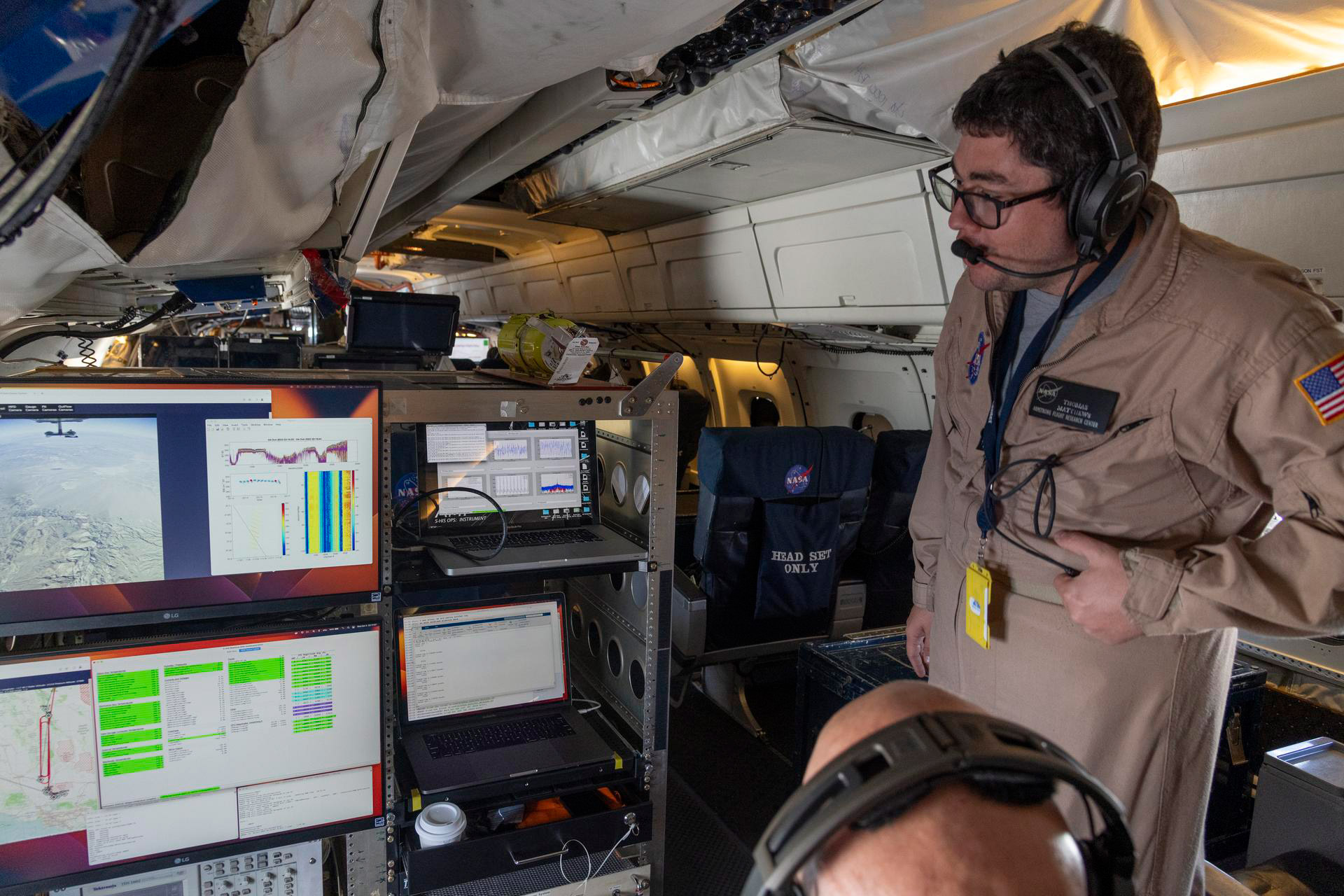
In addition to the DC-8, which is based at NASA’s Armstrong Flight Research Center in Edwards, California, the agency contributed other critical capabilities, including a mobile laboratory for ground testing. Other collaborators for the flight campaign included GE Aerospace, the German Aerospace Center, the Federal Aviation Administration, United Airlines, and many other contributors.
Within a year, the researchers will publish their results.
“One of the most amazing things about this collaboration is that this data will be released publicly to the world,” Moore said.
Contrails and Climate Impact
Contrail clouds can have both localized cooling or warming effects depending on conditions and timing, but researchers’ computer estimates say their warming effect is greater on a global scale. Over the past several years, NASA has worked with partners to match those models with observations, working to understand how and when contrails form, and their impact on the environment.
Jet engine exhaust includes water vapor and soot particles. Contrails form when aircraft operate in the cold temperatures at high altitudes. The water vapor in their exhaust cools and condenses, and when it interacts with either the soot or other particles in the air, it forms ice crystals. Those contrails can linger in the upper atmosphere for hours, producing localized temperature impacts, which over time can affect climate change.
Sustainable Aviation Fuels
Alternative fuels, including sustainable aviation fuels, can release fewer soot particles. Research models find that should result in fewer crystals, and the ones that do form will be larger, falling and melting in the warmer air below – reducing contrails’ environmental impact.
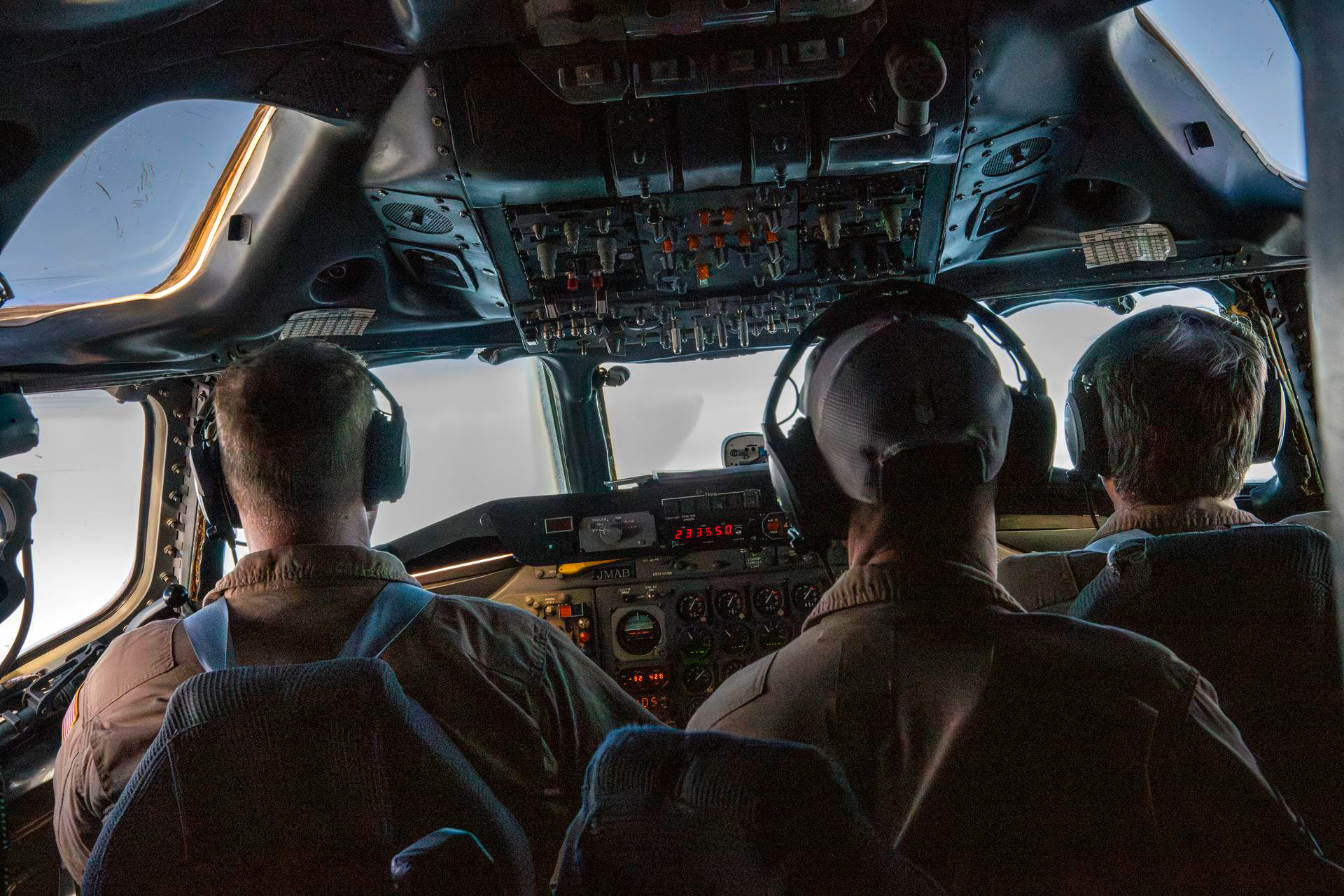
In addition to this newest ecoDemonstrator partnership, NASA and the German Aerospace Center conducted a joint flight research campaign known as ND-MAX. The campaign involved the DC-8 testing contrails left by an A320 airliner operated by the German Aerospace Center that used biofuels. In 2013 and 2014, NASA led a series of research flight programs utilizing smaller, business-class jets called Alternative Fuel Effects on Contrails and Cruise Emissions.
Over the past decade, NASA-funded research has shown that sustainable aviation fuels have significant benefits for reducing engine particle emissions that can influence local air quality near airports and contribute to the formation of contrails. Efforts to develop and evaluate sustainable aviation fuels focus on delivering the performance of conventional jet fuel without releasing new carbon dioxide into the environment. These fuels can be derived from sustainable sources such as feedstocks and waste resources.
NASA’s sustainable aviation fuel research is part of the agency’s work to advance the U.S. goal of net-zero aviation greenhouse gas emissions by 2050.
Importance of Flight Testing
Flight testing remains the gold standard for understanding aerospace innovations and their environmental impacts, making partnerships like ecoDemonstrator and research aircrafts like NASA’s DC-8 important sources for data that can help make aviation more sustainable, protecting the environment and improving life on Earth.
Never miss a breakthrough: Join the SciTechDaily newsletter.
Follow us on Google and Google News.