
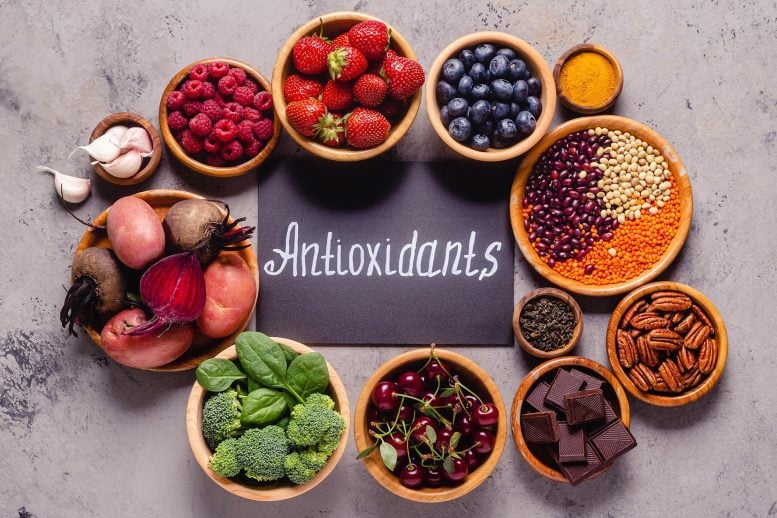
People with higher levels of antioxidants in their blood may be less likely to develop dementia, according to research published in the May 4, 2022, online issue of Neurology, the medical journal of the American Academy of Neurology.
The study found that people with the highest levels of the antioxidants lutein and zeaxanthin and beta-cryptoxanthin in their blood were less likely to develop dementia decades later than people with lower levels of the antioxidants. Lutein and zeaxanthin are found in leafy, green vegetables such as spinach, kale, broccoli, summer squash, and peas. Beta-cryptoxanthin is found in fruits such as oranges, mangoes, papaya, tangerines, peaches, and persimmons.
“Extending people’s cognitive functioning is an important public health challenge,” said study author May A. Beydoun, PhD, MPH, of the National Institutes of Health’s National Institute on Aging in Baltimore, Maryland. “Antioxidants may help protect the brain from oxidative stress, which can cause cell damage. Further studies are needed to test whether adding these antioxidants can help protect the brain from dementia.”
The study involved 7,283 people who were at least 45 years old at the beginning of the study. They had a physical exam, interview, and blood tests for antioxidant levels at the beginning of the study. They were then followed for an average of 16 years to see who developed dementia.
The participants were divided into three groups based on their levels of antioxidants in the blood. People with the highest amounts of lutein and zeaxanthin were less likely to develop dementia than those with lower levels. Every standard deviation increase in lutein and zeaxanthin levels, approximately 15.4 micrograms/deciliter, was associated with a 7% decrease in risk of dementia. For beta-cryptoxanthin, every standard deviation increase in levels, approximately 8.6 micrograms/deciliter, was associated with a 14% reduced risk of dementia.
“It’s important to note that the effect of these antioxidants on the risk of dementia was reduced somewhat when we took into account other factors such as education, income, and physical activity, so it’s possible that those factors may help explain the relationship between antioxidant levels and dementia,” Beydoun said.
A limitation of the study is that antioxidant levels were based on one measurement of blood levels and may not reflect people’s levels over their lifetime.
Reference: “Association of Serum Antioxidant Vitamins and Carotenoids With Incident Alzheimer Disease and All-Cause Dementia Among US Adults” by May A. Beydoun, Hind A Beydoun, Marie T. Fanelli-Kuczmarski, Jordan Weiss, Sharmin Hossain, Jose Atilio Canas, Michele Kim Evans and Alan B. Zonderman, 4 May 2022, Neurology.
DOI: 10.1212/WNL.0000000000200289
The study was supported by the National Institute on Aging, part of the National Institutes of Health.
Never miss a breakthrough: Join the SciTechDaily newsletter.
Follow us on Google and Google News.
1 Comment
As both a senior lay American male with a family history of dementia and a personal history of reversal of some temporary short-term memory loss more than a decade ago, I can state with some certainty that the article is generally right because the true nature of dementia involves long-term chronic inflammation. While the true nature of the chronic inflammation is still in dispute and/or a mystery to most professional others, I’ve already been writing on the basic cause of it for sixteen years and counting, updating as possible; chronic subclinical non-IgE-antibody-mediated food sensitivities (allergies not yet recognized and/or researched as such by mainstream medicine) aggravated with FDA approved food poisoning, namely added ‘cultured’ monosodium glutamate, since 1980, and modified soy protein mostly processed more cheaply with toxic hexane with some residue, since the early 1970s.
Two significant aspects of the problem are: 1) in the absence of adequate dietary supplies the body will deny and/or rob the bones, ‘nerves’ (myelin sheath?) and/or teeth of calcium to try to maintain the blood at an optimal pH, with slightly alkaline being the published healthy normal and, therefore, 2) standard blood serum testing for calcium is unreliable. That is especially important to know for mothers (higher rates of dementia?), due to pregnancy and childbirth making such heavy demands on a woman’s calcium, also known in combination with magnesium to be ‘natural tranquilizers,’ with postpartum depression possibly being a good indicator of future dementia in women with diets lacking in adequate calcium (minimally).