
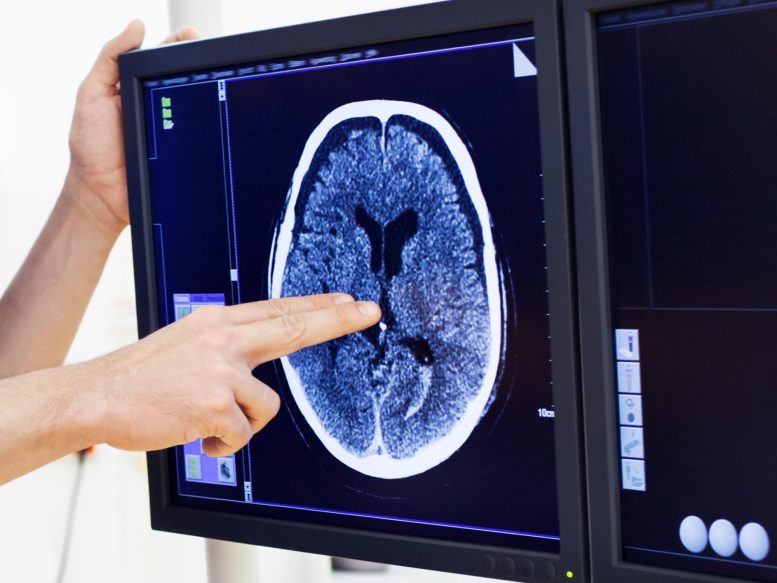
- People with high blood pressure diagnosed before age 55 had smaller brains compared to people who had normal blood pressure, and people who developed high blood pressure in early adulthood had the greatest reduction in brain size, according to a new study analyzing data from the UK Biobank.
- People diagnosed with high blood pressure between ages 35 and 44 were 61% more likely to develop dementia during the study’s follow-up period 8-10 years later, compared to individuals who had normal blood pressure during the same years.
- The results suggest that initiating efforts to prevent and control blood pressure in early adulthood may help prevent dementia.
Early-Onset Hypertension Linked to Brain Shrinkage and Dementia Risk
Individuals who are diagnosed with high blood pressure at ages 35-44 have smaller brain size and are more likely to develop dementia compared to people who have normal blood pressure, according to new research published today in Hypertension, an American Heart Association journal.
The results raise the possibility that taking steps in young adulthood to control or delay the onset of high blood pressure may reduce the risk of dementia.
“Hypertension is very common in middle-aged people (45-64 years), and early onset high blood pressure is becoming more common. Although the association among hypertension, brain health, and dementia in later life has been well-established, it was unknown how age at the onset of hypertension may affect this association. If this is proven, it would provide some important evidence to suggest earlier intervention to delay the onset of hypertension, which may, in turn, be beneficial in preventing dementia,” said Mingguang He, M.D., Ph.D., senior author of the study and professor of ophthalmic epidemiology at the University of Melbourne in Melbourne, Australia.
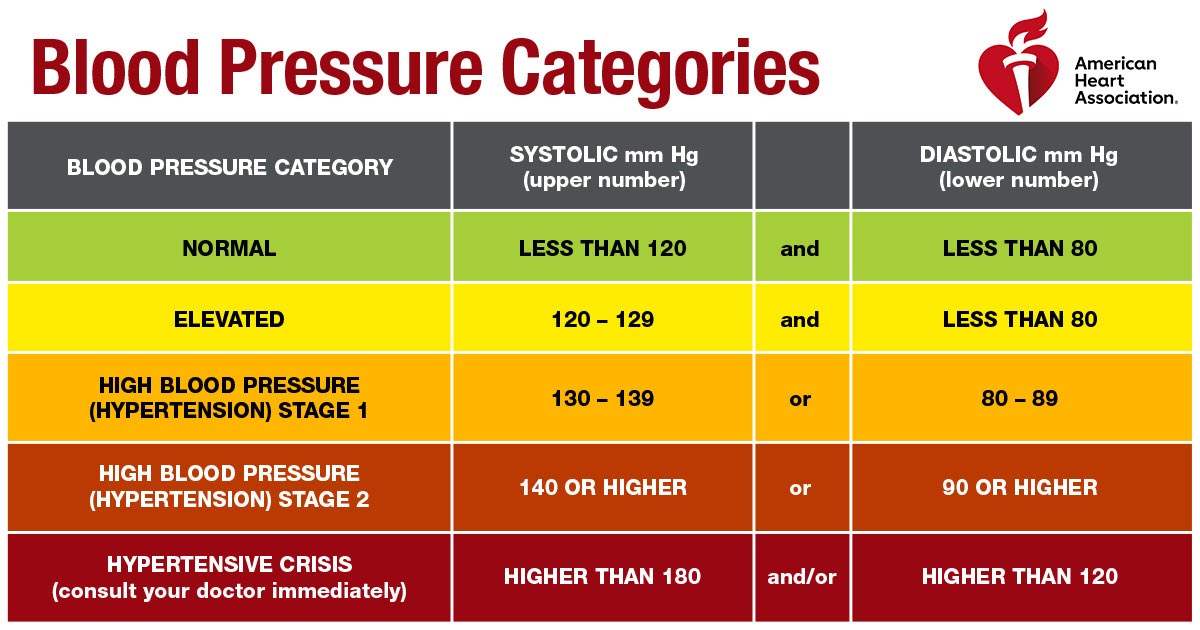
The researchers analyzed data from participants in the UK Biobank, a large database containing detailed anonymous health information of about half a million volunteer participants in the United Kingdom. To determine brain changes, they compared magnetic resonance imaging (MRI) measurements of brain volume between two large groups of adults in the database: 11,399 people with high blood pressure diagnosed at different ages (younger than age 35; 35-44 years; and 45-54 years), and 11,399 participants who did not have high blood pressure, matched for age and multiple health-related variables. Participants entered the databank between 2006 and 2010, and they had MRI brain scans between 2014 and 2019. Hypertension in this study was defined as reporting a diagnosis of hypertension (told by a doctor) or inpatient records using the codes for international classification diseases. The blood pressure reading at the time of their MRI scans was controlled in the analysis.
From the MRI scans, the investigators found:
- In each diagnostic age category (from 35 to 54), the total brain volume was smaller in people diagnosed with high blood pressure, and the brain volume of several regions were also smaller compared to the participants who did not have high blood pressure;
- Hypertension diagnosed before age 35 was associated with the largest reductions in brain volume compared with controls; and
- Among people with normal blood pressure readings at the time of their MRI scans, those who were previously diagnosed with hypertension at <35 years old had smaller total brain volume compared to people with normal blood pressure who had never been diagnosed with hypertension.
“Individuals who had hypertension diagnosed at younger ages had smaller brain volumes on these one-time measurements. Future research with brain volumes measured at multiple time points could confirm whether hypertension diagnosed at a younger age is associated with a greater decrease in brain volume over time,” said Xianwen Shang, Ph.D., M.P.H., lead author of the study and a research fellow at the Guangdong Provincial People’s Hospital in Guangzhou, China.

Dementia Risk Tied to Age of Hypertension Diagnosis
To evaluate dementia, the investigators examined how many participants developed dementia from any cause over a 11.9-year follow-up period, comparing 124,053 people with high blood pressure and 124,053 matched adults who did not have high blood pressure. During the follow-up period (up to 14 years; median of 11.9 years), 4,626 people developed some form of dementia. Analyzing the occurrence of dementia in relation to blood pressure diagnosis, the researchers found:
- The risk of dementia from any cause was significantly higher (61%) in people diagnosed with high blood pressure between the ages of 35 and 44 compared to participants who did not have high blood pressure.
- The risk of vascular dementia (a common form of dementia resulting from impaired blood flow to parts of the brain, as might happen after one or more small strokes) was 45% higher in the adults diagnosed with hypertension between ages 45-54 and 69% higher in those diagnosed between ages 35-44, compared to participants of the same age without high blood pressure.
- Although vascular dementia risk was 80% higher in those diagnosed with high blood pressure before age 35, there were fewer cases of dementia among the younger participants, and the association with high blood pressure was not statistically significant, whereas the risk association was meaningful for individuals ages 45-54 with high blood pressure.
- In contrast to vascular dementia, no relationship was found between age at hypertension diagnosis and the risk of Alzheimer’s disease, a type of dementia linked to proteins that disrupt brain function.
“Our study’s results provide evidence to suggest an early age at onset of hypertension is associated with the occurrence of dementia and, more importantly, this association is supported by structural changes in brain volume,” said Shang. The findings raise the possibility that better prevention and control of high blood pressure in early adulthood could help prevent dementia.
“An active screening program to identify individuals with early hypertension and provide earlier, intensive high blood pressure treatment might help reduce the risk of developing dementia in the future,” said He.
In future research, the investigators are planning to examine medical records to detect whether the onset of dementia was preceded by other medical conditions with previously established connections to dementia risk, such as diabetes or stroke, in people who developed high blood pressure during young adulthood or middle age. Results from this study of a predominantly Caucasian population are not necessarily generalizable to people from other racial or ethnic groups.
Reference: “The Association of Age at Diagnosis of Hypertension With Brain Structure and Incident Dementia in the UK Biobank” by Xianwen Shang, Edward Hill, Zhuoting Zhu, Jiahao Liu, B. Zongyuan Ge, Wei Wang and Mingguang He, 4 October 2021, Hypertension.
DOI: 10.1161/HYPERTENSIONAHA.121.17608
Co-authors are Edward Hill, Ph.D.; Zhuoting Zhu, M.D., PhD.; Jiahao Liu, B.Sc.; Zongyuan Ge, Ph.D.; and Wei Wang, M.D., Ph.D. Authors’ disclosures are listed in the manuscript.
The study was funded by the Fundamental Research Funds of the State Key Laboratory of Ophthalmology, Project of Investigation of Health Status of Employees of Financial Industry in Guangzhou, China; and the Science and Technology Program of Guangzhou, China.
Never miss a breakthrough: Join the SciTechDaily newsletter.
Follow us on Google and Google News.