
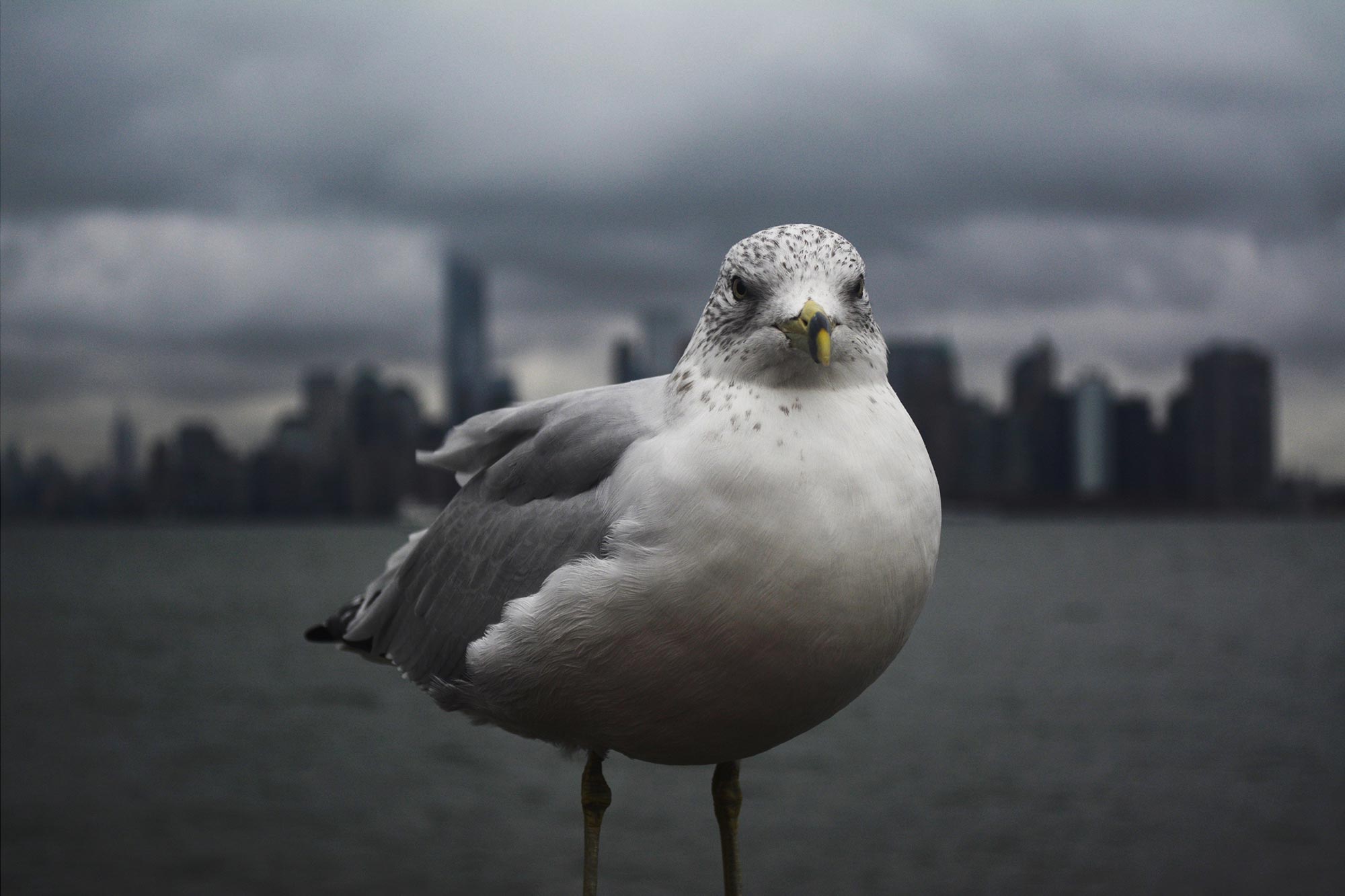
NYC wild birds carry H5N1 avian influenza, as revealed by a study involving local students. The research highlights urban zoonotic risks and the role of wildlife centers in surveillance, stressing the need for public awareness and safe wildlife handling.
According to new research, a small number of New York City wild birds carry highly pathogenic H5N1 avian influenza. The scientific paper was published today (May 15) in the Journal of Virology, a journal of the American Society for Microbiology.
The study highlights that the interface between animals and humans that may give rise to zoonotic infections or even pandemics is not limited to rural environments and commercial poultry operations, but extends into urban centers.
Urban Avian Influenza Research
“To my knowledge, this is the first large-scale U.S. study of avian influenza in an urban area, and the first with active community involvement,” said study co-author Christine Marizzi, PhD, principal investigator of the New York City Virus Hunters (NYCVH) Program, and BioBus director of community science, Harlem, New York City.
“Birds are key to finding out which influenza and other avian viruses are circulating in the New York City area, as well as important for understanding which ones can be dangerous to both other birds and humans. And we need more eyes on the ground—that’s why community involvement is really critical.”
Community Involvement in Avian Influenza Monitoring
The study came out of a program to monitor wild birds, which is a partnership between BioBus, the Icahn School of Medicine at Mount Sinai and the Wild Bird Fund. Through the program, local high school students partake in the research and communication efforts as paid interns under expert mentorship.
Wearing appropriate protective gear, the students collect bird fecal samples in urban parks and green spaces. Additional samples from wild urban birds are submitted to the study by local animal rehabilitation centers such as the Wild Bird Fund and Animal Care Centers of New York. Students then help screen all samples in the Krammer laboratory at the Icahn School of Medicine at Mount Sinai for viruses.
Findings and Significance
In the study, the NYCVH collected and screened 1927 samples between January 2022 and November 2023 and picked up the H5N1 signal by detecting it in 6 city birds representing 4 different species. All the positive samples came from the urban wildlife rehabilitation centers, stressing the critical role such centers can play in viral surveillance.
By comparing the genetic makeup of the samples to each other and other available H5N1 viruses in a public database, the researchers found that they were slightly different and belonged to 2 different genotypes, which are both a mix of Eurasian H5N1 2.3.4.4.b clade virus and local North American avian influenza viruses. New York City is a popular stopover location for migrating wild birds during their remarkable journey.
Public Awareness and Safety
“It is important to mention that, because we found H5N1 in city birds, this does not signal the start of a human influenza pandemic. We know that H5N1 has been around in New York City for about 2 years and there have been no human cases reported,” Marizzi said.
Marizzi said that in their outreach, they spread awareness about H5N1 in city birds and provide information about what people can do to protect themselves. “It’s smart to stay alert and stay away from wildlife. This also includes preventing your pets from getting in close contact with wildlife,” said Marizzi. If one must handle wildlife, it is important to always use safe practices any time when handling a sick or injured bird or other animals.
Reference: “Detection of clade 2.3.4.4b highly pathogenic H5N1 influenza virus in New York City” by Philip S. Meade, Pooja Bandawane, Kaitlyn Bushfield, Irene Hoxie, Karla R. Azcona, Daneidy Burgos, Sadia Choudhury, Adama Diaby, Mariama Diallo, Kailani Gaynor, Aaron Huang, Kadiatou Kante, Shehryar N. Khan, William Kim, Paul Kehinde Ajayi, Ericka Roubidoux, Sasha Nelson, Rita McMahon, Randy A. Albrecht, Florian Krammer and Christine Marizzi, 15 May 2024, Journal of Virology.
DOI: 10.1128/jvi.00626-24
Never miss a breakthrough: Join the SciTechDaily newsletter.
Follow us on Google and Google News.