
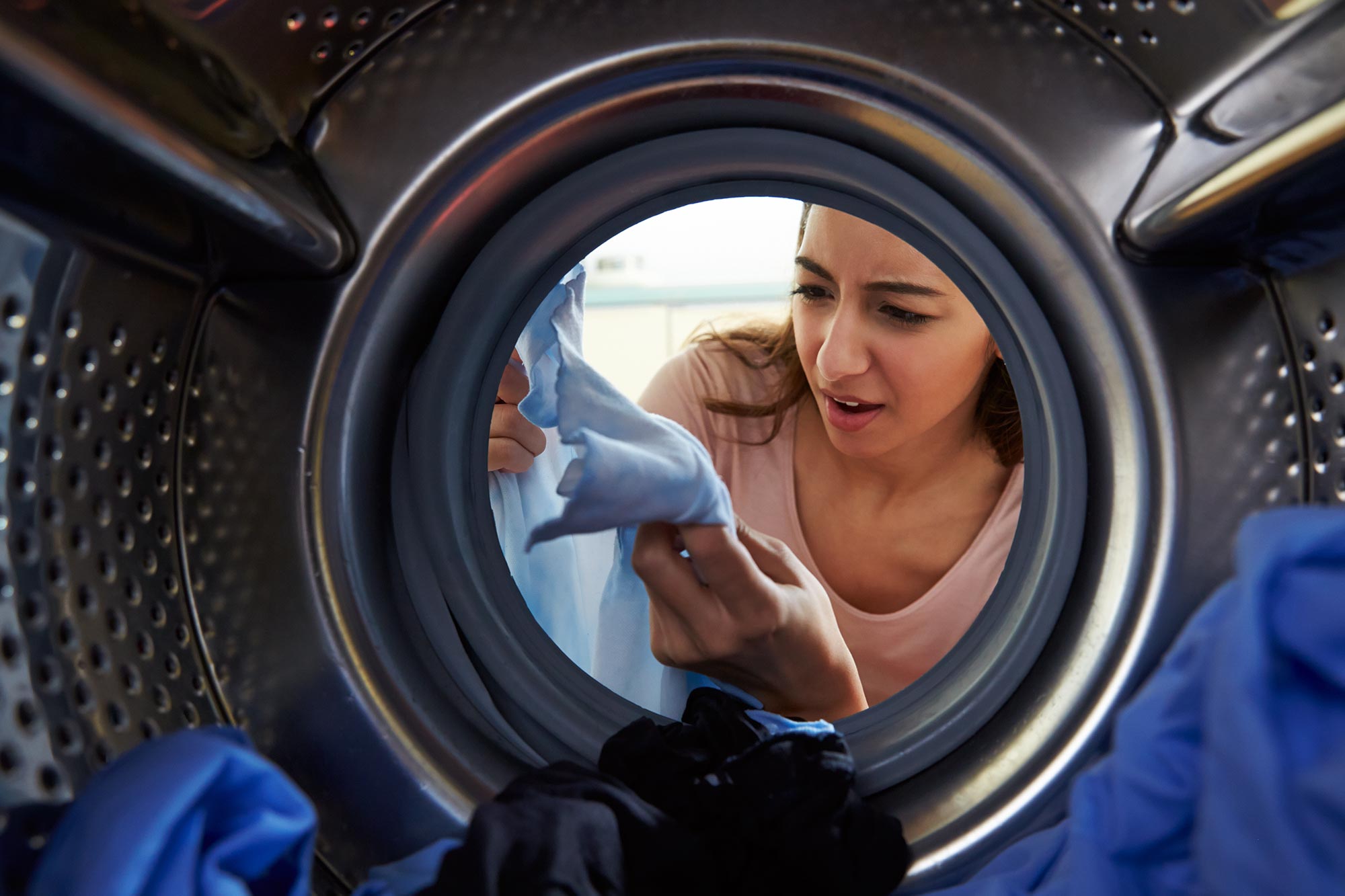
First research into impact of wash cycle times shows benefits of shorter, cooler washes.
Those nice new clothes you got might just last longer, thanks to advice from scientists researching the impact washing machines have on clothes and the environment.
Academics from the University of Leeds and specialists from Procter & Gamble, makers of Ariel, Daz, Bold, Fairy, and Lenor, have wrung out new insight into how laundering clothing affects fading, color runs, and microfiber release.
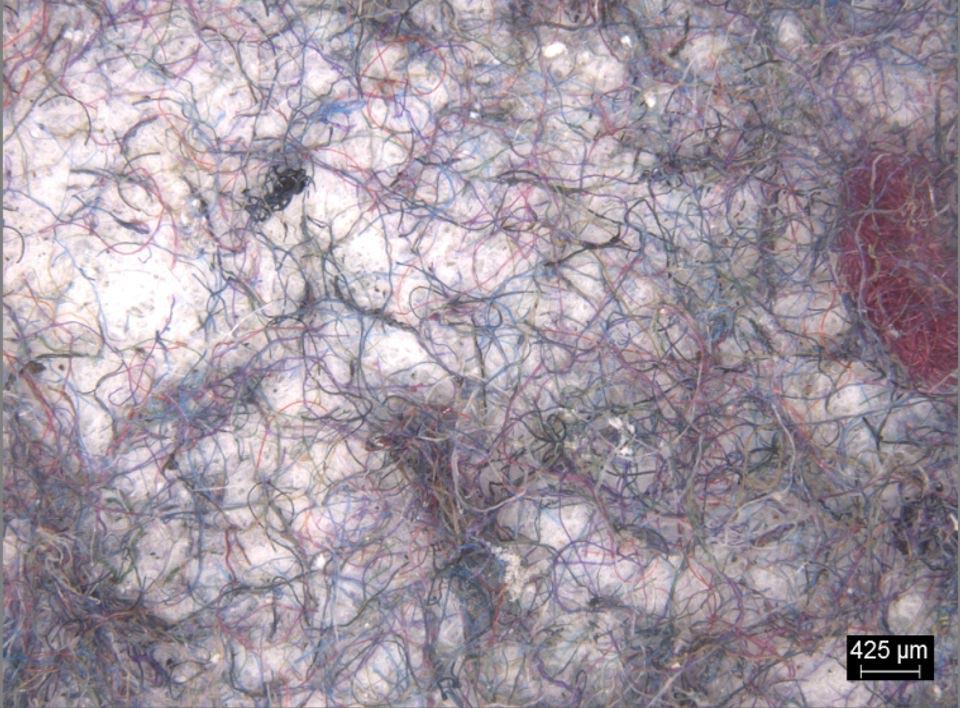
Every load of washing releases hundreds of thousands of microfibers — tiny strands that are flushed down the drain. Many reach beaches and oceans where they can remain for many years and be swallowed by sea creatures.
In what is the first research into wash cycle duration that used both laboratory and real consumer testing, they found that reducing both washing cycle length and water temperature can significantly extend the life of garments and reduce the quantity of dye and microfibers shed into the environment.
Report lead author Lucy Cotton, from the University’s School of Design, said: “We are increasingly familiar with the environmental threat posed by throwaway fast fashion, but we also know that consumers claim their clothes can lose their fit, softness, and color after fewer than five washes — this means it’s more likely they will ditch them long before they are worn out.
“Using shorter, cooler washes is a simple way everyone can make their clothes last longer and keep them out of the landfill.”
Dr. Cotton worked with Dr. Adam Hayward and Dr. Neil Lant from P&G’s Newcastle Innovation Centre, as well as Leeds colleague Dr. Richard Blackburn. Their findings are published today in the journal Dyes and Pigments.
Mimicking average household loads, they washed 12 dark and eight brightly-colored t-shirts, together with white fabric squares to test color-fastness.
Conventional domestic washing machines and Ariel pods of biological detergent were used, comparing 30-minute cycles at 25°C (77°F), and 85-minute cycles at 40°C (104°F) (both with 1,600rpm spins) for 16 cycles each. The research was repeated and validated with authentic loads of dirty laundry provided by UK consumers.
A series of tests were carried out on the garments and fabric squares, and the washing machine waste water was analyzed. Chemical analysis distinguished individual dyes washed out of the clothing, and microfibers were collected and weighed.
The tests established:
- There was significantly less color loss in the t-shirts that were washed using the cooler, quicker cycle;
- Quicker, cooler washes decreased dye transfer from colored washing;
- Significantly less microfibers were released into wastewater during the quicker, cooler wash.
The researchers found washing with a quicker, cooler cycle reduced the amount of microfiber released into the environment by up to 52%, and cut dye release by up to 74%.
Dr. Blackburn, who heads the Sustainable Materials Research Group at Leeds, said: “Our findings can help tackle the issue of ‘invisible’ plastics in the environment.
“Synthetic microfibers are released every time textiles are washed and account for more than a third of all plastic reaching the ocean. But microfibers from cotton and other natural sources are found in even greater numbers in the sea, and we’re worried about their impact too.
“Our research shows that consumers can actively reduce the number of microfibers released from their own clothing simply by washing in quicker, cooler cycles.”
What is more, washing clothes at 20°C (68°F) rather than 40°C saves approximately 66% of the energy used per load — according to the Energy Saving Trust, providing even more reason to use quicker, cooler cycles to reduce energy use and CO2 emissions.
Dr. Lant, a Procter & Gamble Research Fellow, added: “Advances in detergent technology, especially in sustainable ingredients such as enzymes, are allowing consumers to get excellent cleaning results in colder and quicker washes.
“It’s well known that these cycles reduce our energy bills and carbon footprint, but our partnership with the University of Leeds is helping us understand how they also slow down the aging of clothes — keeping us looking smart, saving us money replacing garments and helping the environment. It’s a real win-win-win.”
Reference: “Improved garment longevity and reduced microfibre release are important sustainability benefits of laundering in colder and quicker washing machine cycles” by Lucy Cotton, Adam S. Hayward, Neil J. Lant and Richard S. Blackburn, 14 January 2019, Dyes and Pigments.
DOI: 10.1016/j.dyepig.2019.108120
The research was funded by Procter & Gamble and the Engineering and Physical Sciences Research Council, which provided an industrial CASE studentship to Dr. Cotton to allow her to conduct her Ph.D. studies.
Never miss a breakthrough: Join the SciTechDaily newsletter.
Follow us on Google and Google News.
1 Comment
a