
Close Menu
    Facebook X (Twitter) Instagram
    SciTechDaily
    • Biology
    • Chemistry
    • Earth
    • Health
    • Physics
    • Science
    • Space
    • Technology
    Facebook X (Twitter) Pinterest YouTube RSS
    SciTechDaily
    Home»Science»Humans Were Changing the Planet 4,000 Years Earlier Than We Thought
    Science

    Humans Were Changing the Planet 4,000 Years Earlier Than We Thought

    By University of QueenslandAugust 30, 2019No Comments3 Mins Read
    Facebook Twitter Pinterest Telegram LinkedIn WhatsApp Email Reddit
    Share
    Facebook Twitter LinkedIn Pinterest Telegram Email Reddit
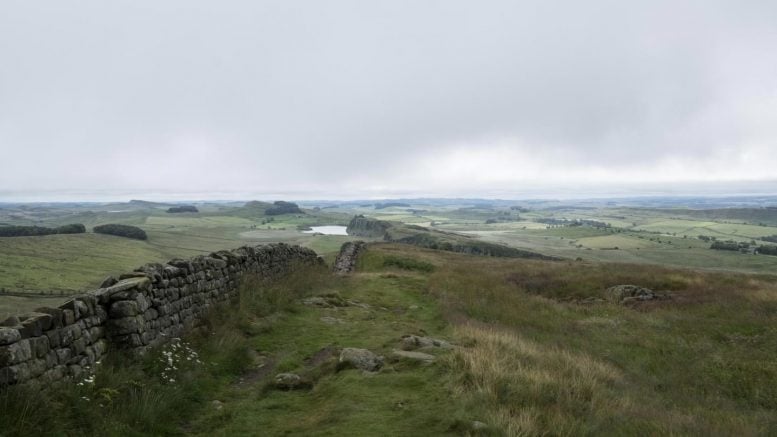
    Hadrian's Wall, United Kingdom
    Hadrian’s Wall, United Kingdom — one of many examples where humans had significantly changed the Earth’s surface nearly 2000 years ago. Credit: Lucas Stephens

    Humans had caused significant landcover change on Earth up to 4000 years earlier than previously thought, University of Queensland researchers have found.

    The School of Social Sciences‘ Dr. Andrea Kay said some scientists defined the Anthropocene as starting in the 20th century, but the new research showed human-induced landcover change was globally extensive by 2000BC.

    The Anthropocene – the current geological age – is viewed as the period in which human activity has been the dominant influence on Earth’s climate and environment.

    “The activities of farmers, pastoralists, and hunter-gatherers had significantly changed the planet four millennia ago,‘‘ Dr. Kay said.

    The ArchaeoGLOBE project used an online survey to gather land-use estimates over the past 10,000 years from archaeologists with regional expertise.

    ‘‘The modern rate and scale of anthropogenic global change is far greater than those of the deep past, but the long-term cumulative changes that early food producers wrought on Earth are greater than many people realize,“ Dr. Kay said.

    “Even small-scale, shifting agriculture can cause significant change when considered at large scales and over long time periods.“
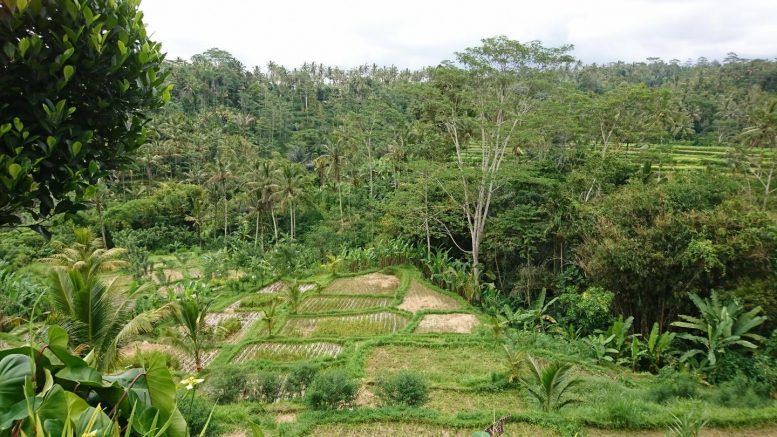
    Rice terraces, Ubud, Bali
    Rice terraces, Ubud, Bali — farmers like them around the world have been modifying the Earth’s surface for thousands of years. Credit: Andrea Kay

    Fellow researcher Dr. Nicole Boivin said the innovative crowdsourcing-from-experts approach to pooling archaeological data had provided the project with a unique perspective.

    ‘‘Archaeologists possess critical datasets for assessing long-term human impacts on the natural world, but these remain largely untapped in terms of global-scale assessments,“ Dr. Boivin said.

    Another researcher on the team, Dr. Alison Crowther, said the study could help plan for future climate scenarios.

    “This research and the collaborative approach we used means we can better understand early land use as a driver of long-term global environmental changes across the Earth‘s system,“ Dr. Crowther said.

    For more on this topic, see Ancient Civilizations Were Already Messing Up the Planet.

    Reference: “Archaeological assessment reveals Earth’s early transformation through land use” by Lucas Stephens, Dorian Fuller, Nicole Boivin, Torben Rick, Nicolas Gauthier, Andrea Kay, Ben Marwick, Chelsey Geralda, et al., 30 August 2019, Science.
    DOI: 10.1126/science.aax1192

    Dr. Kay, Dr. Boivin, Dr. Crowther, and UQ Senior Research Fellow Dr. Patrick Roberts each have joint appointments at UQ and The Max Planck Institute for the Science of Human History’s Department of Archaeology.

    Other researchers on the team were UQ’s head of archaeology, Associate Professor Andrew Fairbairn, and archaeologists from Australian National University, the University of Melbourne, University of Sydney, Flinders University, and LaTrobe University.

    Never miss a breakthrough: Join the SciTechDaily newsletter.
    Follow us on Google and Google News.

    Archaeology University of Queensland
    Share. Facebook Twitter Pinterest LinkedIn Email Reddit

    Related Articles

    Tracking Gigantic Carnivorous Dinosaurs From Australia’s Jurassic Park

    Researchers Stunned to Discover Ancient Crocodiles That Walked on Two Legs

    Mystery Surrounding Dinosaur Footprints on a Cave Ceiling Finally Solved

    Ancient Murals in Guatemala Offer Glimpse of Mayan Astronomy

    Reproductive Cycle Put Dinosaurs at a Disadvantage

    Million-Year-Old Ash in South African Cave Yields Evidence of Cooking

    Exposing 8,000 Years of Civilization With Satellites

    Humans Implicated in Africa’s Deforestation 3,000 Years Ago

    Archaeologists Inch Closer to Understanding Stonehenge

    Leave A Reply Cancel Reply

    • Facebook
    • Twitter
    • Pinterest
    • YouTube

    Don't Miss a Discovery

    Subscribe for the Latest in Science & Tech!

    Trending News

    Scientists Uncover Potential Brain Risks of Popular Fish Oil Supplements

    Scientists Discover a Surprising Way To Make Bread Healthier and More Nutritious

    After 60 Years, Scientists Uncover Unexpected Brain Effects of Popular Diabetes Drug Metformin

    New Research Uncovers Hidden Side Effects of Popular Weight-Loss Drugs

    Scientists Rethink Extreme Warming After Surprising Ocean Discovery

    Landmark Study Links Never Marrying to Significantly Higher Cancer Risk

    Researchers Discover Unknown Beetle Species Just Steps From Their Lab

    Largest-Ever Study Finds Medicinal Cannabis Ineffective for Anxiety, Depression, PTSD

    Follow SciTechDaily
    • Facebook
    • Twitter
    • YouTube
    • Pinterest
    • Newsletter
    • RSS
    SciTech News
    • Biology News
    • Chemistry News
    • Earth News
    • Health News
    • Physics News
    • Science News
    • Space News
    • Technology News
    Recent Posts
    • Early Warning Signals of Esophageal Cancer May Be Hiding in Plain Sight
    • Researchers Have Discovered a THC-Free Cannabis Compound That May Replace Opioids
    • Common Blood Pressure Drug Shows Surprising Power Against Deadly Antibiotic-Resistant Superbug
    • Students Build Dark Matter Detector and Set New Experimental Limits
    • Scientists Discover Caffeine Can Repair Key Memory Circuits After Sleep Loss
    Copyright © 1998 - 2026 SciTechDaily. All Rights Reserved.
    • Science News
    • About
    • Contact
    • Editorial Board
    • Privacy Policy
    • Terms of Use

    Type above and press Enter to search. Press Esc to cancel.