
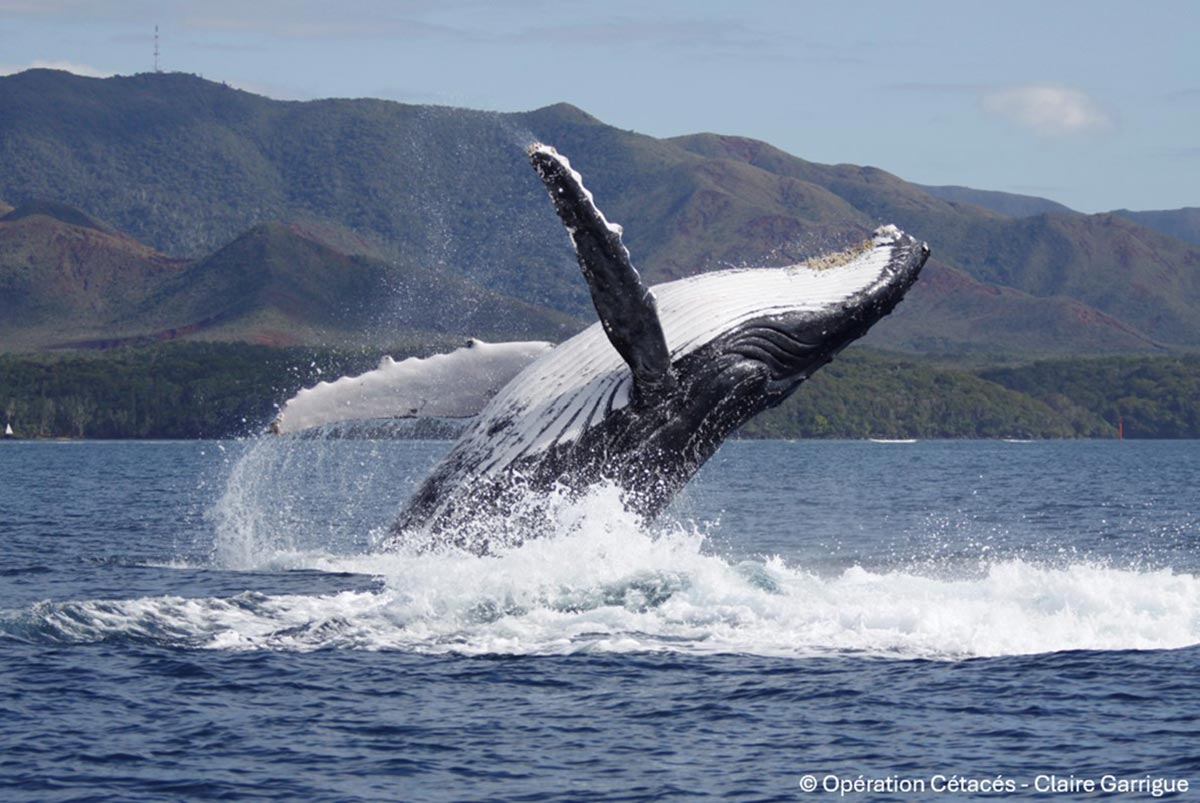
Recovering humpback whale populations are revealing a hidden shift: older males are increasingly outcompeting younger rivals to father calves.
New research from the University of St Andrews, published today (February 27) in Current Biology, reveals that age now plays a different role in male humpback whale reproduction as populations rebound from centuries of commercial whaling.
Whaling once pushed many large whale species close to extinction. While overall numbers have improved in recent decades, the effects of that intense exploitation did not end when hunting stopped. The legacy of whaling continues to influence whale populations, shaping not only how many whales are alive today, but also which males are most likely to father calves.
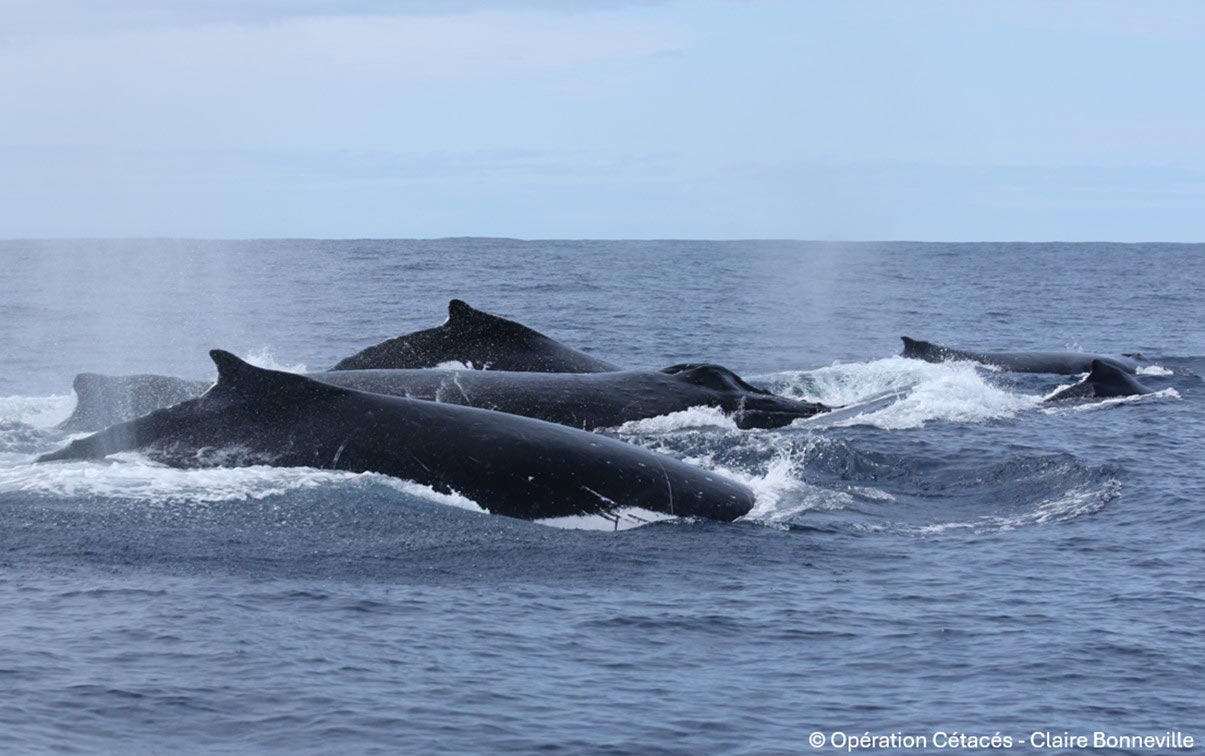
Humpback Whale Recovery and Changing Age Structure
The study draws on nearly 20 years of data from humpback whales that breed near New Caledonia in the South Pacific. Using long-term monitoring by the NGO Opération Cétacés, researchers tracked shifts in the population’s age makeup, male behavior, and genetic paternity.
In the early stages of recovery, most of the males in the breeding grounds were young. As the population steadily grew, the balance began to even out, with more older males returning. Over time, those older whales were increasingly more successful at siring calves than their younger competitors.
New Caledonia humpback whale song. Credit: University of St Andrews
DNA and Epigenetics Reveal Hidden Paternity
Humpback whales have never been directly observed mating in the wild, so identifying a calf’s father has long been a mystery.
To solve this, the international team led by the Sea Mammal Research Unit at the University of St Andrews used genetic testing to determine paternity. They also relied on a technique known as an ‘epigenetic molecular clock’ to estimate each whale’s age. Both pieces of information came from analyzing a small skin sample collected from the animals.
Whale Songs, Competition, and Experience
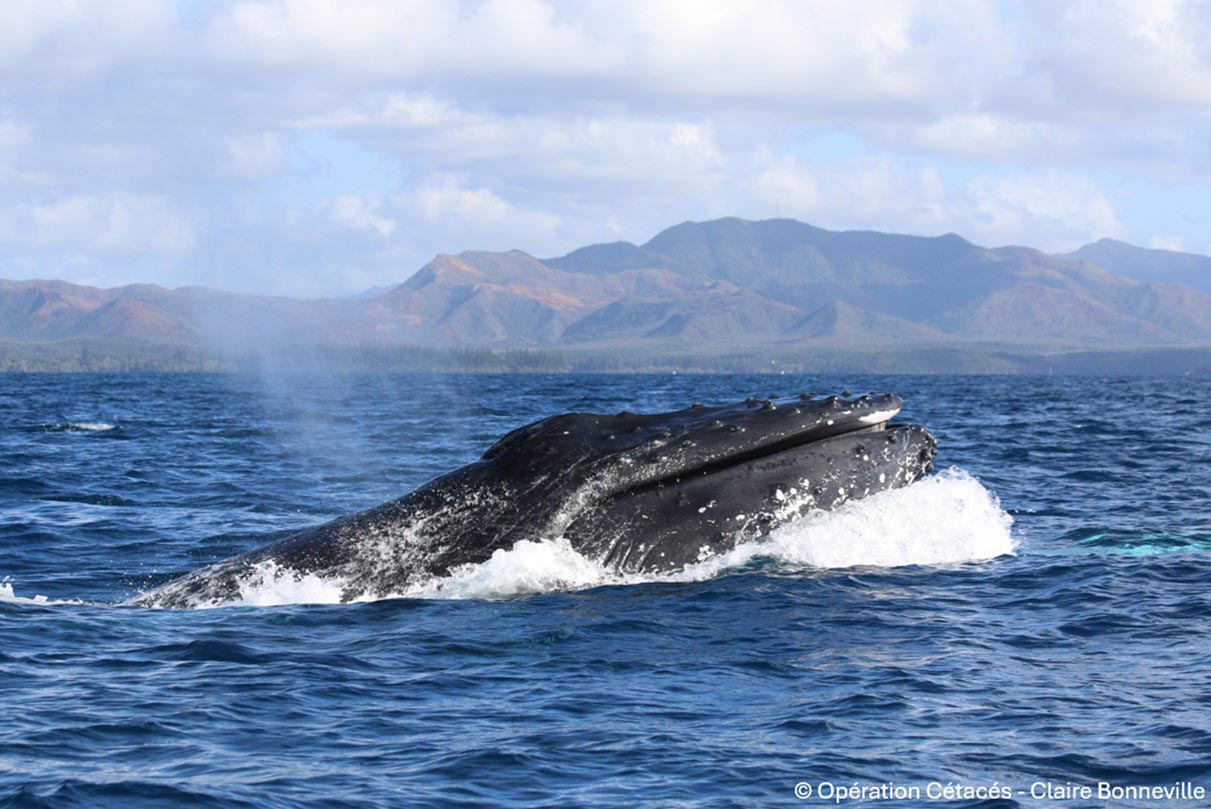
Male humpback whales are well known for their complex songs, some of the most intricate vocal displays in the animal kingdom. These songs can travel across vast breeding areas and are believed to play a key role in attracting mates. Males also compete by escorting females and sometimes engaging in intense physical confrontations with rivals.
Senior author Dr. Ellen Garland of the Sea Mammal Research Unit explained, “Mating behavior, and who was successful at mating, changed with these shifts in age structure. As the population recovered, there were more older males than expected singing, escorting females, and successfully fathering calves compared to younger animals.”
The findings indicate that male humpbacks may need years to develop and refine their songs and competitive strategies. With time, experience appears to provide a clear reproductive advantage. As populations expand, females may also become more selective, increasing the chances that males with stronger displays or other favorable traits succeed.
The Lasting Impact of Whaling on Whale Behavior
The research underscores the importance of long-term monitoring of recovering whale populations. Understanding how past exploitation continues to influence behavior, competition, and reproduction is essential for interpreting how these animals are changing over time.
It also highlights a major limitation in what scientists previously understood. Much of modern whale research was conducted during or after the era of commercial whaling, meaning researchers have only studied populations that had already been dramatically altered.
Dr. Franca Eichenberger, lead author of the study from the Sea Mammal Research Unit at the University of St Andrews, said, “It is only now, as whale populations recover and new analytical tools become available, that we are beginning to understand how far-reaching the consequences of whaling truly are. The impacts extend beyond population size — they shape behavior, competition, and reproduction.”
Dr. Eichenberger added, “Virtually all populations of whales have changed due to whaling; our work shows that they continue to change as they recover. This is why the continued long-term monitoring of previously exploited whale populations is so important. Humpback whales have shown a remarkable comeback over recent years. Now is the time we can learn so much more about their behavior and life history. We just need to keep looking.”
Reference: “Changes in age-related sexual selection in a humpback whale population recovering from exploitation” by Franca Eichenberger, Emma L. Carroll, Claire Garrigue, Simon Jarman, Debbie J. Steel, Jooke Robbins, Luke Rendell and Ellen C. Garland, 27 February 2026, Current Biology.
DOI: 10.1016/j.cub.2026.01.018
Never miss a breakthrough: Join the SciTechDaily newsletter.
Follow us on Google and Google News.