
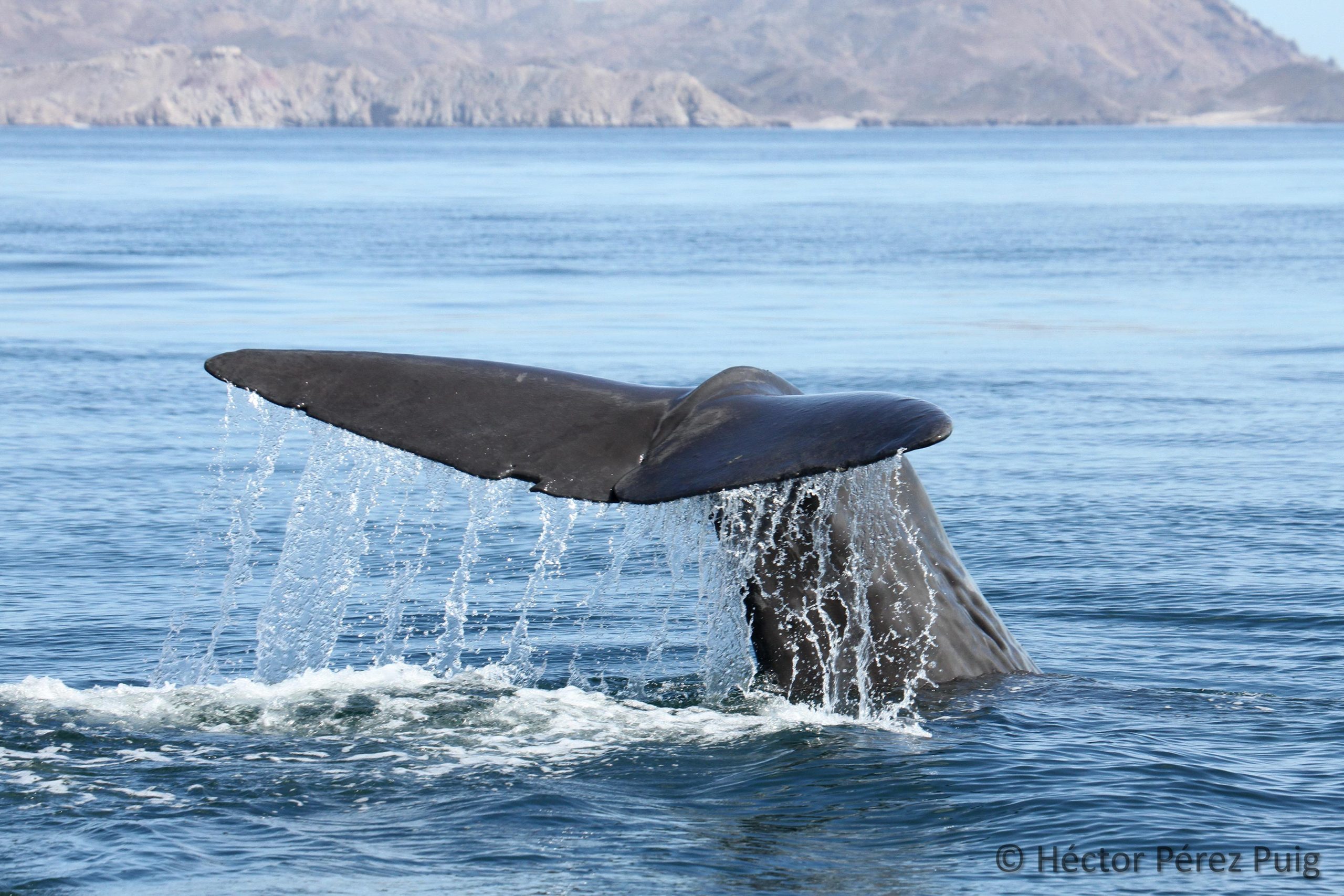
Researchers have uncovered a significant migration of sperm whales away from the Gulf of California, correlating with the collapse of their primary food source, the jumbo squid.
This shift is attributed to drastic changes in the marine environment, including warmer waters and more frequent El Niño events, impacting the entire ecosystem and signaling critical ecological shifts.
Sperm Whale Migration and Ecosystem Indicators
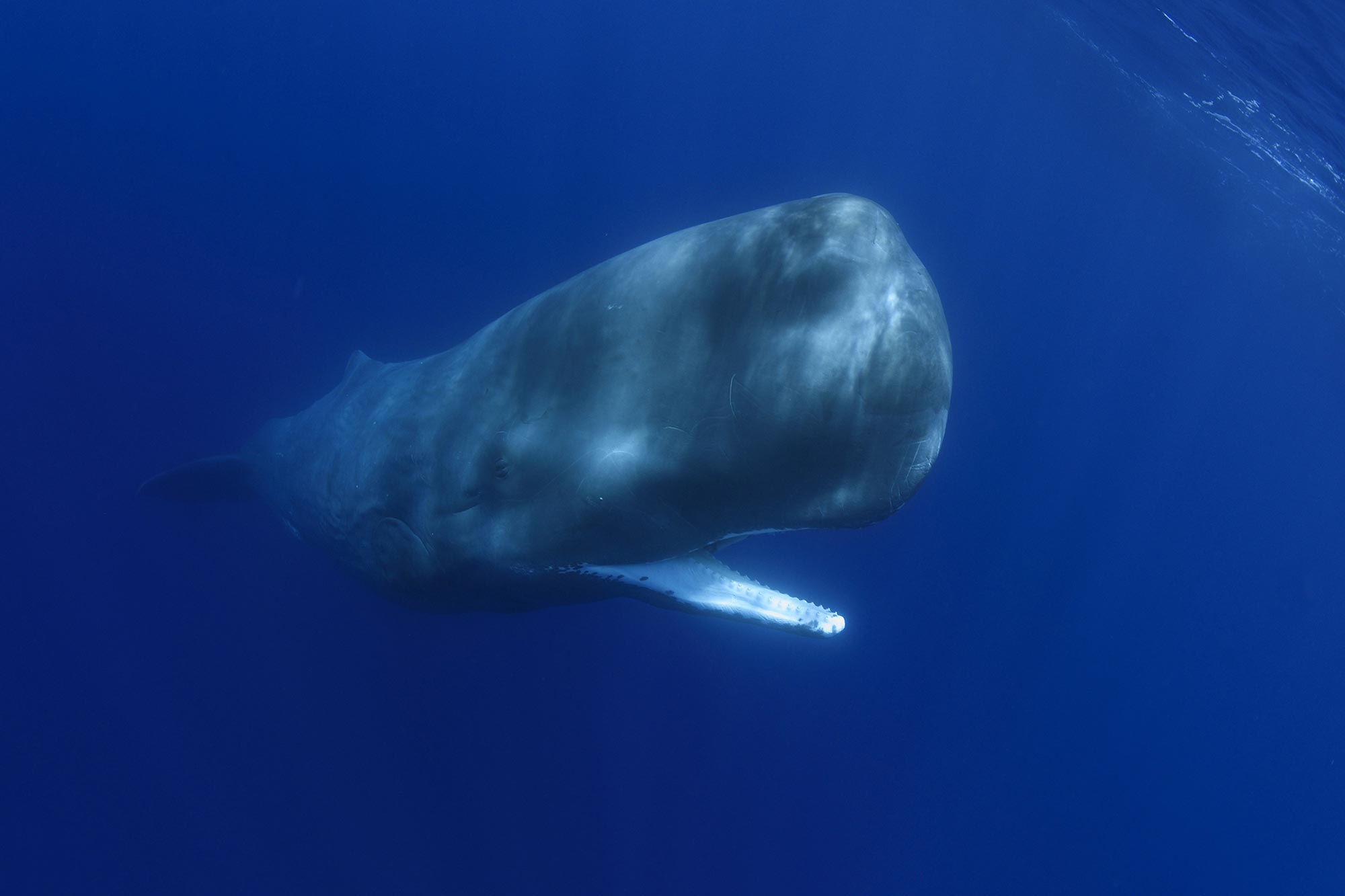
A PeerJ Life and Environment study has uncovered a significant departure of sperm whales (Physeter macrocephalus) from the central portion of the Gulf of California, correlating with the collapse of the jumbo squid (Dosidicus gigas) population, their primary food source. Led by researchers Msc. Héctor Pérez-Puig and Dr. Alejandro Arias Del Razo, the study sheds light on the intricate relationships between apex marine predators and their habitats, showcasing sperm whales as vital indicators of ocean health.
Study Findings and Methodology
Conducted over a nine-year span in the eastern Midriff Islands Region of the Gulf of California, the research employed extensive survey data and photo-identification techniques to monitor sperm whale populations. The findings reveal a pronounced correlation between the decline in jumbo squid populations and the vanishing sperm whales in the area, with no sightings reported from 2016 to 2018.
Key Findings
- Population Decline: Between 2009 and 2015, the population of sperm whales in the central Gulf of California ranged between 20 and 167 individuals, with a total “super population” of 354 whales. However, from 2016 to 2018, sperm whale sightings ceased entirely.
- Impact of Jumbo Squid Collapse: General additive models show a positive relationship (R² = 0.644) between sperm whale sightings and jumbo squid landings, indicating that as squid populations dwindled, sperm whales left the region.
- Environmental Drivers: The decline of both species is attributed to environmental changes, including sustained ocean warming and intensified El Niño events, which have shifted the ecosystem dynamics in the Gulf of California. The jumbo squid population has been particularly affected, showing a shift to smaller phenotypes, which may no longer sustain larger predators like sperm whales.
Ecosystem Implications
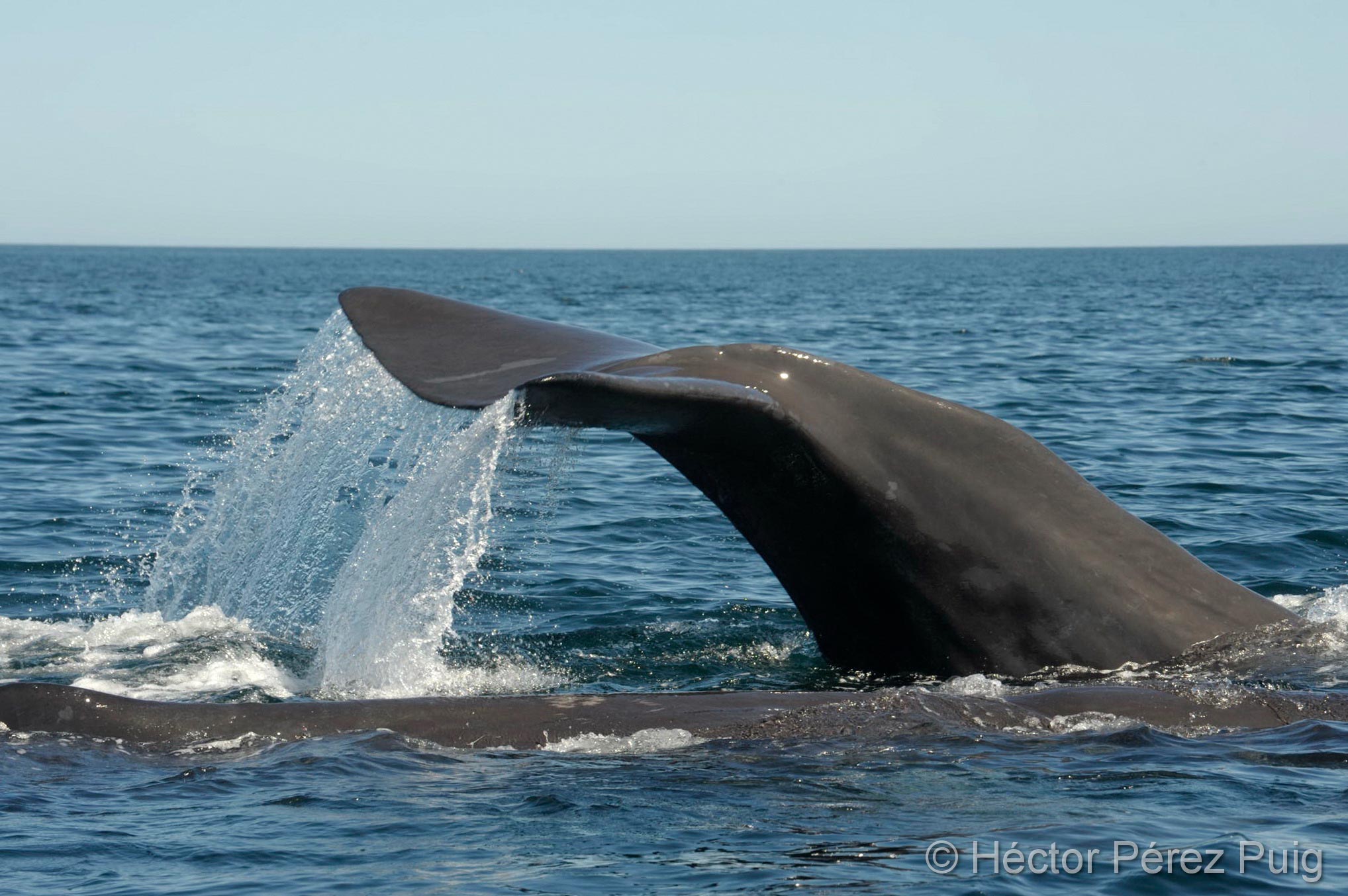
Sperm whales, as apex predators, play a crucial role in controlling energy flow within marine ecosystems. Their departure from the Gulf of California suggests broader ecosystem changes and raises concerns about the long-term health of the region. The study underscores the importance of long-term data collection in understanding population trends and the effects of climate change on marine species.
Lead author Héctor Pérez-Puig emphasized the broader ecological implications of the findings: “The departure of sperm whales from the Gulf of California serves as a sentinel signal, reflecting significant shifts in marine ecosystems. As the environment changes, so too does the delicate balance between predators and prey.”
Conclusion: Future Directions in Marine Research
The study calls for a more detailed analysis to fully understand the movements of sperm whales and their prey, particularly in light of the ongoing “tropicalization” of the Gulf of California. Researchers recommend continued monitoring to assess the impact of environmental changes on marine species and the overall health of the ecosystem.
This research offers a vital contribution to the field of marine biology and ecology, with implications for the conservation of both sperm whales and the larger marine environment in the Gulf of California.
Reference: “The departure of sperm whales (Physeter macrocephalus) in response to the declining jumbo squid (Dosidicus gigas) population in the central portion of the Gulf of California” by Héctor Pérez-Puig, Alejandro Arias Del Razo, Daniela Ahuatzin Gallardo and Jaime Bolaños, 8 October 2024, PeerJ.
DOI: 10.7717/peerj.18117
Never miss a breakthrough: Join the SciTechDaily newsletter.
Follow us on Google and Google News.
1 Comment
could over fishing by Pacific entities be the cause of the loss of squid ? I think so . the fishing boats are gove funded factories stripping the oceans