
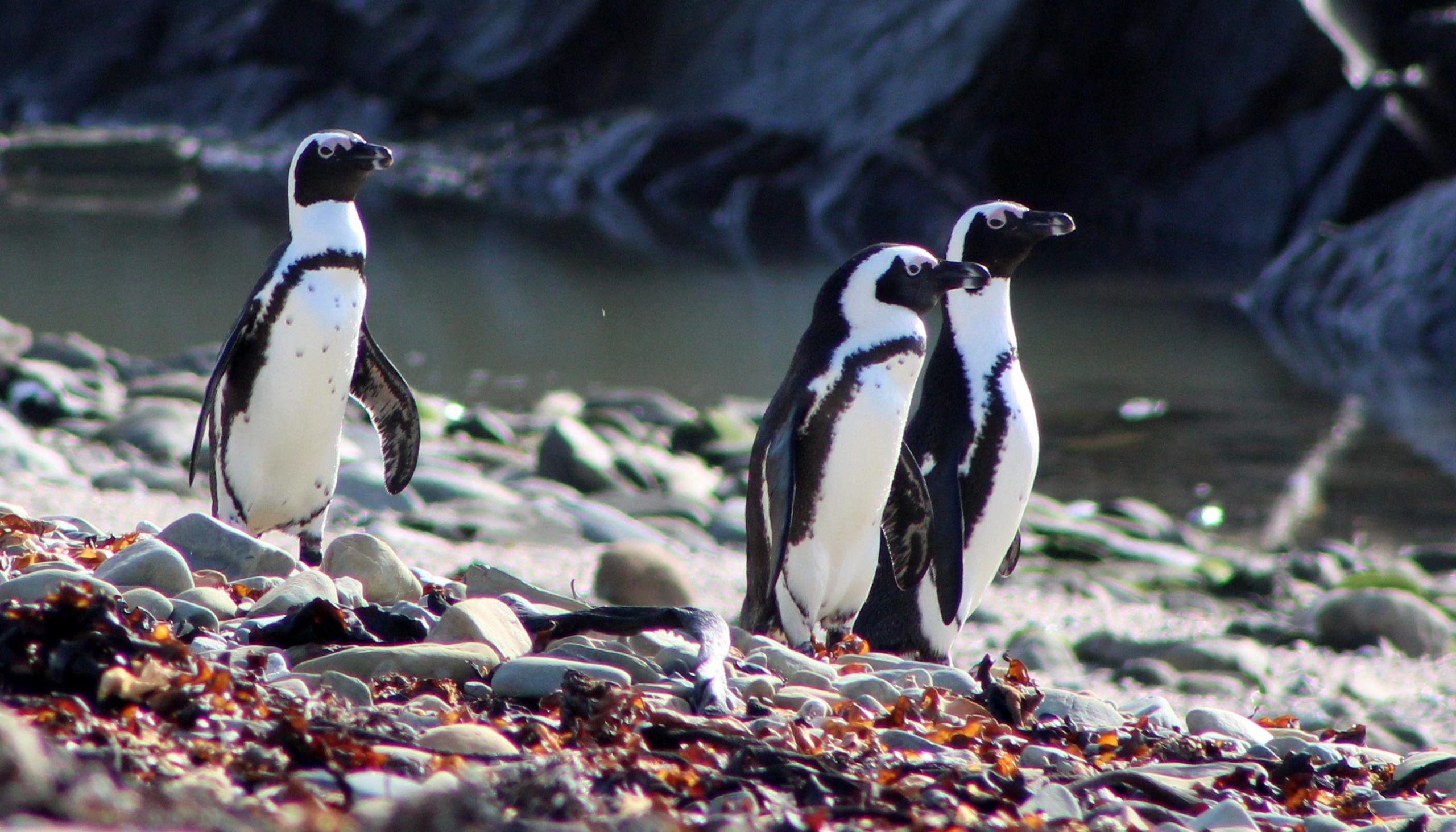
As fish disappear, African penguins are being pushed into direct competition with fishing fleets, deepening their fight for survival.
Researchers led by the University of St Andrews have found that Critically Endangered African penguins (Spheniscus demersus) are much more likely to search for food in the same waters as commercial fishing vessels during years when fish populations are low. This increased overlap raises competition for prey and adds new strain to a species already facing a serious decline.
Recently published in the Journal of Applied Ecology, the study introduces a new measurement known as “overlap intensity.” This approach goes beyond mapping shared ocean space by estimating how many penguins are directly affected when fishing vessels operate in the same areas.
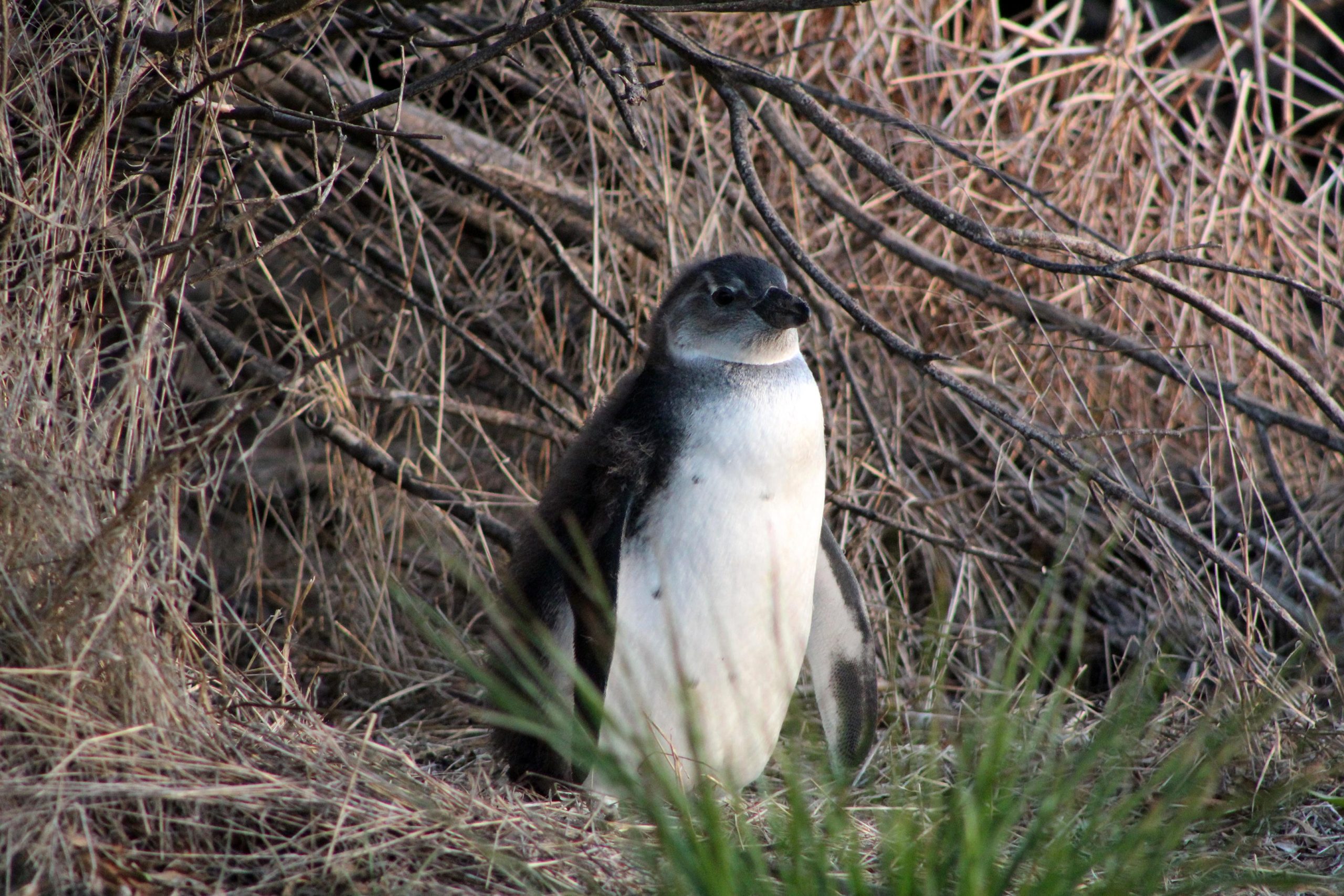
Steep Population Declines and Key Food Sources
African penguin numbers have dropped by nearly 80% over the last thirty years. One contributing factor has been competition with local fisheries that harvest sardines and anchovies, which are a crucial food source for the penguins.
These fisheries use purse-seine gear, a fishing method that captures schools of fish by surrounding them with a large net.
Dr. Jacqueline Glencross of the Scottish Oceans Institute at the University of St Andrews, who led the study, explained the motivation behind the research. “We wanted a better way to assess how many penguins are potentially impacted when fisheries operate nearby — not just where the overlap occurs,” she said.
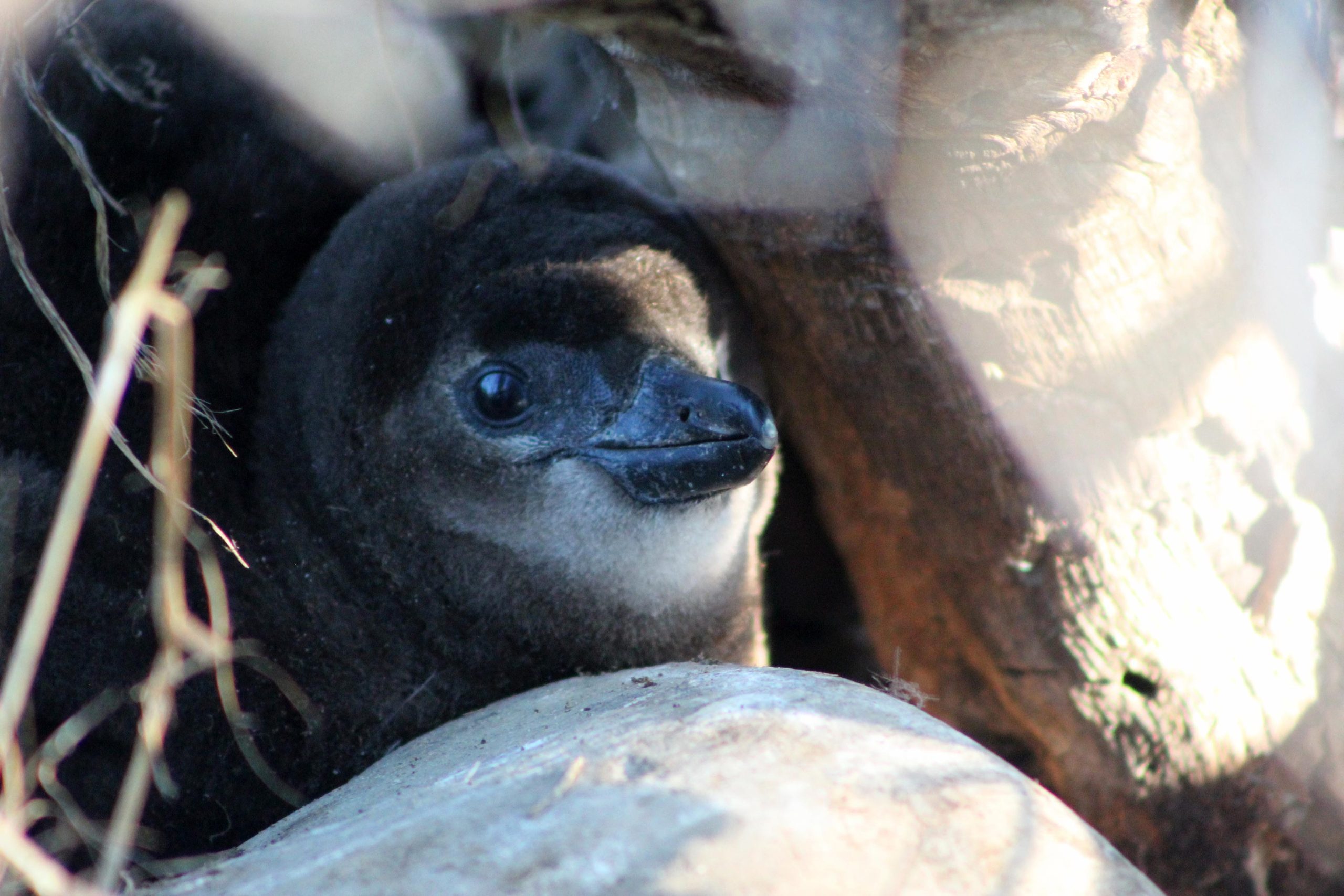
Tracking Penguins During Low-Fish Years
The research team analyzed tracking data from penguins living on Robben and Dassen Island. The project included scientists from the University of Exeter, the South African Department of Forestry, Fisheries and the Environment, and BirdLife South Africa. Their results showed that overlap between penguins and fishing vessels rose sharply when food was limited.
In 2016, a year marked by low fish biomass, about 20% of penguins were feeding in the same areas as active fishing vessels. During years with more abundant fish stocks, that figure dropped to roughly 4%.
The findings indicate that competition between penguins and fisheries becomes more intense when prey is scarce. The risks are especially high during chick-rearing, when adult penguins must locate food quickly to meet the demands of their growing young.
Guiding Conservation and Fishery Management
By measuring overlap intensity across entire penguin populations, the study offers a new way to assess ecological risk and support ecosystem-based fishery management. The approach may also help guide the creation of dynamic marine protected areas that can adjust as predator and prey movements change over time.
Court Rulings and New Fishing Restrictions
The African penguin has recently been at the center of a major South African court case that challenged the absence of biologically meaningful fishing closures near breeding colonies.
Earlier this year, conservation groups and representatives from the fishing industry reached a high court settlement recognizing the need for fishing restrictions around penguin colonies. As a result, the South African government reinstated more biologically meaningful no-fishing zones around Robben Island, one of the key colonies included in the study.
Dr. Glencross said the findings help explain why these measures matter. “This research highlights why those closures are necessary. Previously unprotected areas with high overlap intensity are where the penguins were most at risk.”
Reference: “Spatial overlap alone downplays the level of interaction between a central place forager and the local fishery” by Jacqueline S. Glencross, Andrew J. Glencross, Jennifer L. Grigg, Stephen D. J. Lang, Azwianewi B. Makhado, Leshia Upfold, Debbie J. F. Russell, Andrew S. Brierley and Richard B. Sherley, 16 November 2025, Journal of Applied Ecology.
DOI: 10.1111/1365-2664.70199
Never miss a breakthrough: Join the SciTechDaily newsletter.
Follow us on Google and Google News.