
Close Menu
    Facebook X (Twitter) Instagram
    SciTechDaily
    • Biology
    • Chemistry
    • Earth
    • Health
    • Physics
    • Science
    • Space
    • Technology
    Facebook X (Twitter) Pinterest YouTube RSS
    SciTechDaily
    Home»Biology»Hypothalamic Agrp Neurons Also Control Compulsive Behaviors
    Biology

    Hypothalamic Agrp Neurons Also Control Compulsive Behaviors

    By Karen N. Peart, Yale UniversityMarch 6, 2015No Comments2 Mins Read
    Facebook Twitter Pinterest Telegram LinkedIn WhatsApp Email Reddit
    Share
    Facebook Twitter LinkedIn Pinterest Telegram Email Reddit
    Study Shows Hunger Neurons also Control Compulsive Behaviors
    Yale researchers found that appetite-controlling neurons initiate OCD-like behaviors in the absence of food.

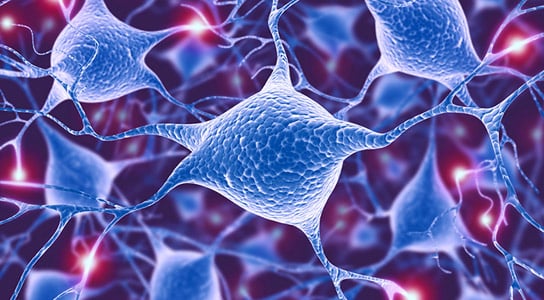
    A newly published study from Yale University shows that in the absence of food, Agrp neurons trigger foraging and repetitive behaviors in mice.

    In the absence of food, neurons that normally control appetite initiate complex, repetitive behaviors seen in obsessive-compulsive disorder (OCD), and anorexia nervosa, according to a new study by Yale School of Medicine researchers.

    The findings are published in the March 5 online issue of the journal Cell.

    Neural circuits are responsible for flexible goal-oriented behaviors. The Yale team investigated how a population of neurons in the hypothalamus that control food intake are also involved in other behaviors. Known as Agrp neurons, these cells also control repetitive, stereotypic behaviors in mice when food is not available, the researchers discovered.

    The team tested the behavior of mice after the Agrp neurons were activated. They found that in the absence of food, mice engaged in repetitive behaviors, such as grooming and marble burying. They further demonstrated that these behaviors were goal-oriented and not related to anxiety.

    “These observations unmask the relevance of primitive brain regions previously linked to eating to other complex behaviors,” said lead author Dr. Marcelo Dietrich, assistant professor of comparative medicine and neurobiology and a member of the Yale Program in Integrative Cell Signaling and Neurobiology of Metabolism at Yale School of Medicine. “These findings are relevant to understanding diseases with both homeostatic and compulsive components and highlight the multitasking nature of neurons in the brain.”

    According to Dietrich, the data suggests that these primitive brain regions play a crucial role in psychiatric conditions. “The research lays the groundwork for possible clinical trials to address the behavioral aspects of anorexia nervosa and other neuropsychiatric diseases with compulsive behavioral components,” he said.

    Other authors on the study include Marcelo R. Zimmer, Jeremy Bober, and Tamas L. Horvath.

    The study was funded by the National Institutes of Health, the American Diabetes Association, the Helmholtz Society, The Klarman Foundation and the Conselho Nacional de Desenvolvimento Cientifico e Tecnologico, the Brain and Behavior Research Foundation, and a Science Without Borders fellowship from CNPq/Brazil.

    Reference: “Hypothalamic Agrp Neurons Drive Stereotypic Behaviors beyond Feeding” by Marcelo O. Dietrich, Marcelo R. Zimmer, Jeremy Bober and Tamas L. Horvath, 5 March 2015, Cell.
    DOI: 10.1016/j.cell.2015.02.024

    Never miss a breakthrough: Join the SciTechDaily newsletter.
    Follow us on Google and Google News.

    Behavioral Science Neurology Neuroscience Yale University
    Share. Facebook Twitter Pinterest LinkedIn Email Reddit

    Related Articles

    Yale Study Shows Risk Avoidance in Older Adults is Related to Brain Anatomy, Not Age

    Neurobiologists Block the Effects of Stress

    Study Shows Human Brain Development is Divided into Three Major Phases

    Hunger Affects Behavior and Changes Pathways in the Brain

    Suppressing NgR1 Returns Brain to Adolescent Levels of Plasticity

    Optimism Bias Disrupted With a Small Magnetic Field

    Brain Scans Help Predict Whether Patients Will Respond to Therapy

    Neurologists Repair Neurons Associated With Traumatic Nerve Injury Pain

    GATA1 Plays a Role in the Loss of Connections Between Neurons and in Symptoms of Depression

    Leave A Reply Cancel Reply

    • Facebook
    • Twitter
    • Pinterest
    • YouTube

    Don't Miss a Discovery

    Subscribe for the Latest in Science & Tech!

    Trending News

    Collapsing Plasma May Hold the Key to Cosmic Magnetism

    This Breakthrough Solar Panel Generates Power From Both Sunlight and Raindrops

    Scientists Uncover New Metabolic Effects Beyond Weight Loss of Mounjaro

    Scientists Discover Cancer Tumors Are “Addicted” to This Common Antioxidant

    1,800 Miles Down: Scientists Uncover Mysterious Movements at the Edge of Earth’s Core

    Scientists Discover Hidden “Good Fats” in Green Rice That Could Transform Nutrition

    Your Child’s Clothes Could Contain Toxic Lead, Study Finds

    Researchers Break a 150-Year-Old Math Law With a Surprising Donut Discovery

    Follow SciTechDaily
    • Facebook
    • Twitter
    • YouTube
    • Pinterest
    • Newsletter
    • RSS
    SciTech News
    • Biology News
    • Chemistry News
    • Earth News
    • Health News
    • Physics News
    • Science News
    • Space News
    • Technology News
    Recent Posts
    • The Mystery of the Notes: Why No One Knows How This 120-Year-Old Song Should Sound
    • Scientists Discover 132-Million-Year-Old Dinosaur Tracks on South Africa’s Coast
    • Scientists Uncover the Secret Ingredient Behind the Spark That May Have Started Life on Earth
    • Natural Oils vs. Antibiotics: The Swine Study That Could Change Farming
    • The Biggest Volcanic Event in Earth’s History Transformed an Entire Oceanic Plate
    Copyright © 1998 - 2026 SciTechDaily. All Rights Reserved.
    • Science News
    • About
    • Contact
    • Editorial Board
    • Privacy Policy
    • Terms of Use

    Type above and press Enter to search. Press Esc to cancel.