
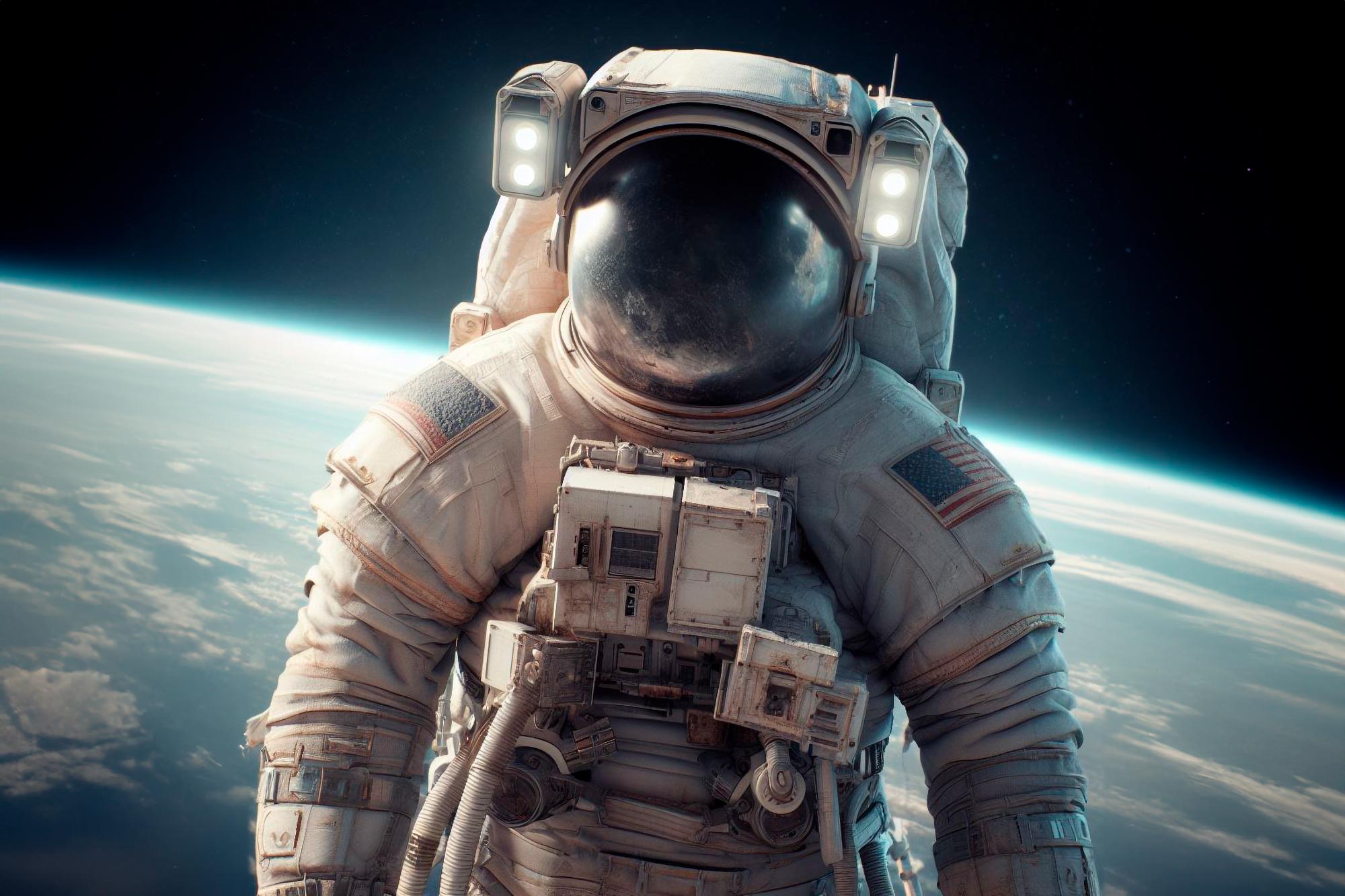
McGill-led study featured in largest release of space biology discoveries in history.
Scientists at McGill University and an international team have found that space travel significantly affects the gut microbiome, which in turn impacts metabolism and immune function. The study, conducted aboard the International Space Station, links changes in gut bacteria to shifts in liver and intestinal gene expression, providing crucial data for astronaut health and potential medical applications on Earth.
Groundbreaking Study on Space Travel and the Gut Microbiome
Researchers have uncovered how space travel profoundly alters the gut microbiome, yielding insights that could shape future space missions.
The groundbreaking study, led by a McGill University researcher in collaboration with University College Dublin (UCD), NASA’s GeneLab and an international consortium, offers the most detailed profile to date of how space travel affects gut microbes.
Published on August 29 in the scientific journal npj Biofilms and Microbiomes, the study used advanced genetic technologies to examine changes in the gut microbiome, colons, and livers of mice aboard the International Space Station (ISS) over three months.
Key Findings: Spaceflight’s Impact on Gut Bacteria
The findings reveal significant shifts in certain gut bacteria that correspond to changes in the mice’s liver and intestinal genes, suggesting that spaceflight might suppress the immune system and alter metabolism. This marks a breakthrough in understanding how space missions could affect astronauts’ health on long trips, the researchers said.
“Spaceflight extensively alters astronauts’ bodies, yet we still don’t fully understand why. By using advanced techniques to study both gut bacteria and genes at the same time, we’re beginning to see patterns that could explain those changes and help us develop safeguards for future missions,” said lead author Emmanuel Gonzalez, who leads microbiome bioinformatics at the McGill Centre for Microbiome Research and the Canadian Centre for Computational Genomics.
Space Missions and Human Health: Broad Implications
The study is part of the Nature Portfolio package, The Second Space Age: Omics, Platforms, and Medicine across Space Orbits, marking the largest coordinated release of space biology discoveries in history.
The scholars said their findings could help ensure the success of future space missions, from establishing a long-term presence on the Moon to sending humans to Mars.
Earthly Relevance: Medical Insights From Space Research
The findings also are relevant to the health of those who never leave our planet, said senior author and UCD Professor Nicholas Brereton.
“These discoveries emphasize the vital connection between gut bacteria and overall health, especially in how our bodies handle energy and metabolism. Understanding how spaceflight affects this delicate balance is crucial not only for astronaut health, but also for medical advancements here on Earth,” he said.
Reference: “Spaceflight alters host-gut microbiota interactions” by E. Gonzalez, M. D. Lee, B. T. Tierney, N. Lipieta, P. Flores, M. Mishra, L. Beckett, A. Finkelstein, A. Mo, P. Walton, F. Karouia, R. Barker, R. J. Jansen, S. J. Green, S. Weging, J. Kelliher, N. K. Singh, D. Bezdan, J. Galazska and N. J. B. Brereton, 29 August 2024, npj Biofilms and Microbiomes.
DOI: 10.1038/s41522-024-00545-1
The research was generated by the NASA GeneLab Analysis Working Group for Microbes. Genelab is funded by the Space Biology Program (Science Mission Directorate, Biological and Physical Sciences Division) of the National Aeronautics and Space Administration.
Never miss a breakthrough: Join the SciTechDaily newsletter.
Follow us on Google and Google News.
1 Comment
I am a medical anthropologist researcher and author, and I have studies space medicine and the impact of zero gravity on the brain, which is a problem for astronauts. Fluid shifts to the head when in zero gravity, which is why astronauts look puffy in the face when in space. It also gives them a host of problems with their eyes, ears, headaches, and more. The human body needs gravity for proper brain circulation, as gravity helps pull blood down from the head to the heart when we are standing vertical. When we lie down, this gravity assistance to circulation is lost, and lying flat is used by NASA scientists to simulate zero gravity here on Earth.
There are important implications for this gravity effect on Earth, connected to sleep position. Elevating the head of the bed to create an incline for the upper body is needed to prevent the brain from getting congested with fluid and too pressurized. The brain impacts and modifies every bodily function in some way, and when the brain has poor circulation and increased pressure from zero gravity, lots of things can go wrong. Eyes pressurize, leading to glaucoma. Respiratory centers of the brain dysfunction under the low oxygen and low sugar environment of a sluggish brain from low circulation, resulting in sleep apnea. Migraines develop to help flush the brain with new blood. And chronically elevated fluid pressure inside the brain can lead to deterioration and dementia. This could also theoretically impact the microbiome since there is a brain -gut connection. Lots of health conditions are connected to high brain pressure and low brain circulation.
I learned about this NASA research on zero gravity with my research on the cause of migraines. We had people sleep with the head of the bed elevated beteween 10-30 degrees, and migraines stopped happening immediately. Using a wedge as prescribed for GERD or acid reflux also helps, and uses gravity to keep stomach contents from regurgitating into the esophagus. Sleeping elevated also reduces morning sinus congestion and a groggy mind. According to NASA scientists, 30 degree head of bed elevation is optimal for brain and heart circulation. We found that even a modest 10 degree elevation makes a huge difference, which you can feel right away.
You need to try this for yourself. See my article, Heads Up! The Way you are Sleeping Could be Killing You! https://www.academia.edu/1483361/Heads_Up_The_Way_You_Are_Sleeping_May_Be_Killing_You_