
Close Menu
    Facebook X (Twitter) Instagram
    SciTechDaily
    • Biology
    • Chemistry
    • Earth
    • Health
    • Physics
    • Science
    • Space
    • Technology
    Facebook X (Twitter) Pinterest YouTube RSS
    SciTechDaily
    Home»Biology»Strains of E. Coli Have Been Linked to Cancer in Mice
    Biology

    Strains of E. Coli Have Been Linked to Cancer in Mice

    By SciTechDailySeptember 7, 2012No Comments3 Mins Read
    Facebook Twitter Pinterest Telegram LinkedIn WhatsApp Email Reddit
    Share
    Facebook Twitter LinkedIn Pinterest Telegram Email Reddit
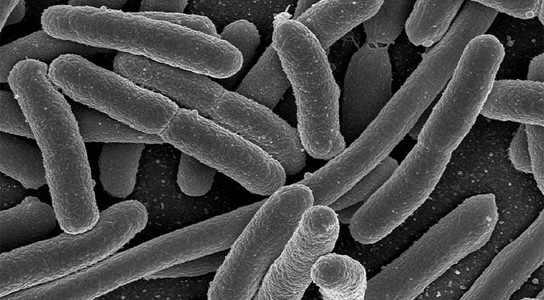
    escherichia-coli
    Escherichia coli

    The DNA-damaging bacterium Escherichia coli that flourishes in the digestive tracts of mice afflicted with inflammatory bowel disease has been linked to cancer. Scientists found that the microbiome plays a part in cancer.

    The researchers published their findings in the journal Science. There are trillions of microbes in the human gut that can potentially contribute to obesity and the risk of diseases like diabetes.

    Mice that have an inflammatory bowel disease contain higher proportions of toxin-producing bacteria, which could lead to colorectal cancers. People with this kind of cancer are more likely to harbor these bacteria.

    This opens a broader avenue for cancer researchers since the microbiome can be found elsewhere in the body, and could also initiate tumors there. Tinkering with it might help prevent cancers. The pathogenic bacterium Helicobacter pylori is at the root of most peptic ulcers, which can lead to stomach cancers. Viruses turn infected cells cancerous as a means of spreading their genetic material.
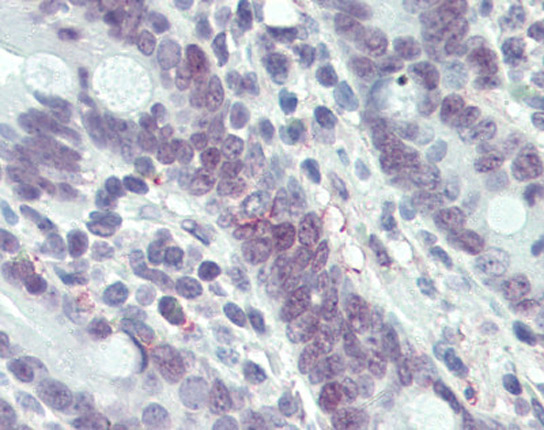
    colon-cancer

    Escherichia coli is a common gut bacterium and can cause cancer when the gut is inflamed. Christian Jobin, a microbiologist at the University of North Carolina at Chapel Hill, and lead author states that patients with inflammatory bowel disease may develop colorectal cancer at rates several times higher than people without troubled stomachs.

    The team reared mice with a mutation that made them susceptible to inflammatory bowel disease in germ-free cages. Then, they were moved to cages where mice teeming with bacteria had previously lived. Five months later, all of the mutant mice had developed bowel disease, and 60-80% had colon cancer.

    These mice had also developed a different gut microbiome, with a much higher proportion of E. coli, including the E. coli NC101 strain that has been linked to aggressive forms of bowel disease and makes a colibactin, which damages DNA.

    Many humans have also bacteria that produce colibactin. They are found in the stools of 20% of healthy people, 40% of people with inflammatory bowel disease, and 66% of people of colorectal cancer.

    It’s not clear yet how colibactin-producing bacteria are linked to cancer. Jobin hypothesizes that the gut inflammation causes colibactin-producing bacteria to bloom while simultaneously weakening epithelial cells lining the gut, making them more susceptible to DNA damage. If this is sustained, then a cell can turn cancerous.

    This could lead to DNA sequencing of microbiomes by doctors to search for bacteria that cause cancer and eliminate them with antibiotics. Similarly, probiotics could displace these microbes.

    Reference: “Intestinal Inflammation Targets Cancer-Inducing Activity of the Microbiota” by Janelle C. Arthur, Ernesto Perez-Chanona, Marcus Mühlbauer, Sarah Tomkovich, Joshua M. Uronis, Ting-Jia Fan, Barry J. Campbell, Turki Abujamel, Belgin Dogan, Arlin B. Rogers, Jonathan M. Rhodes, Alain Stintzi, Kenneth W. Simpson, Jonathan J. Hansen, Temitope O. Keku, Anthony A. Fodor and Christian Jobin, 16 August 2012, Science.
    DOI: 10.1126/science.1224820

    Never miss a breakthrough: Join the SciTechDaily newsletter.
    Follow us on Google and Google News.

    Cancer Disease E. Coli Microbiology Microbiome
    Share. Facebook Twitter Pinterest LinkedIn Email Reddit

    Related Articles

    Popeye With a Whiff of Rotten Eggs: New Metabolic Capabilities of Gut Bacteria Discovered

    Tumor-Propagating Cells Don’t Work Alone

    Cdt1 Protein Has a Role in DNA Replication and Mitosis

    Staggered Delivery of Cancer Drugs Increases Cancer Cell Death

    New Drug Fights Cancer by ‘Hijacking’ Existing T Cells

    New Drug CD47 Could Potentially Shrink and Cure All Tumors

    Nanomedicine BIND-014 to Enter Human Clinical Studies

    Widespread Presence of Antibiotic Resistant Bacteria in Agricultural Soils

    Researchers Use Bioinformatics and Epigenetics to Aid Cancer Research

    Leave A Reply Cancel Reply

    • Facebook
    • Twitter
    • Pinterest
    • YouTube

    Don't Miss a Discovery

    Subscribe for the Latest in Science & Tech!

    Trending News

    Scientists Call for a Complete Rethink of Alzheimer’s Treatment

    Scientists Identify Molecular Switch That Lets Exercise Reverse Muscle Aging

    Why Your Most Vivid Dreams Might Be the Key to Deep, Restful Sleep

    A Bright Star Hid a Massive Secret for 50 Years: Mystery of Gamma Cassiopeiae Finally Solved

    Scientists Identify Protein That Slows Key Effects of Aging

    Revolutionary Submarine Mysteriously Disappears Without a Trace – Scientists Are Now Preparing for a Bold Return

    Why Drinking More Water Isn’t Enough To Stop Kidney Stones

    New Study Reveals Surprising Effect of Drinking Coffee at Night

    Follow SciTechDaily
    • Facebook
    • Twitter
    • YouTube
    • Pinterest
    • Newsletter
    • RSS
    SciTech News
    • Biology News
    • Chemistry News
    • Earth News
    • Health News
    • Physics News
    • Science News
    • Space News
    • Technology News
    Recent Posts
    • Microscopic Medicines That Work Inside Human Cells Unlock New Treatments for Alzheimer’s Disease
    • New Study Reveals Hidden Trade-Off in Popular Weight Loss Treatments
    • AI Uncovers Hidden Signals, Discovering Dozens of New Alien Planets
    • New Discovery Challenges 80-Year-Old Theory About Turbulence
    • Scientists “Bottle the Sun” With Revolutionary Liquid Battery
    Copyright © 1998 - 2026 SciTechDaily. All Rights Reserved.
    • Science News
    • About
    • Contact
    • Editorial Board
    • Privacy Policy
    • Terms of Use

    Type above and press Enter to search. Press Esc to cancel.