
Close Menu
    Facebook X (Twitter) Instagram
    SciTechDaily
    • Biology
    • Chemistry
    • Earth
    • Health
    • Physics
    • Science
    • Space
    • Technology
    Facebook X (Twitter) Pinterest YouTube RSS
    SciTechDaily
    Home»Earth»Island Inferno: Dry Thunderstorms Ignite Raging Wildfires in Tasmania
    Earth

    Island Inferno: Dry Thunderstorms Ignite Raging Wildfires in Tasmania

    By Kathryn Hansen, NASA Earth ObservatoryFebruary 13, 20252 Comments3 Mins Read
    Facebook Twitter Pinterest Telegram LinkedIn WhatsApp Email Reddit
    Share
    Facebook Twitter LinkedIn Pinterest Telegram Email Reddit
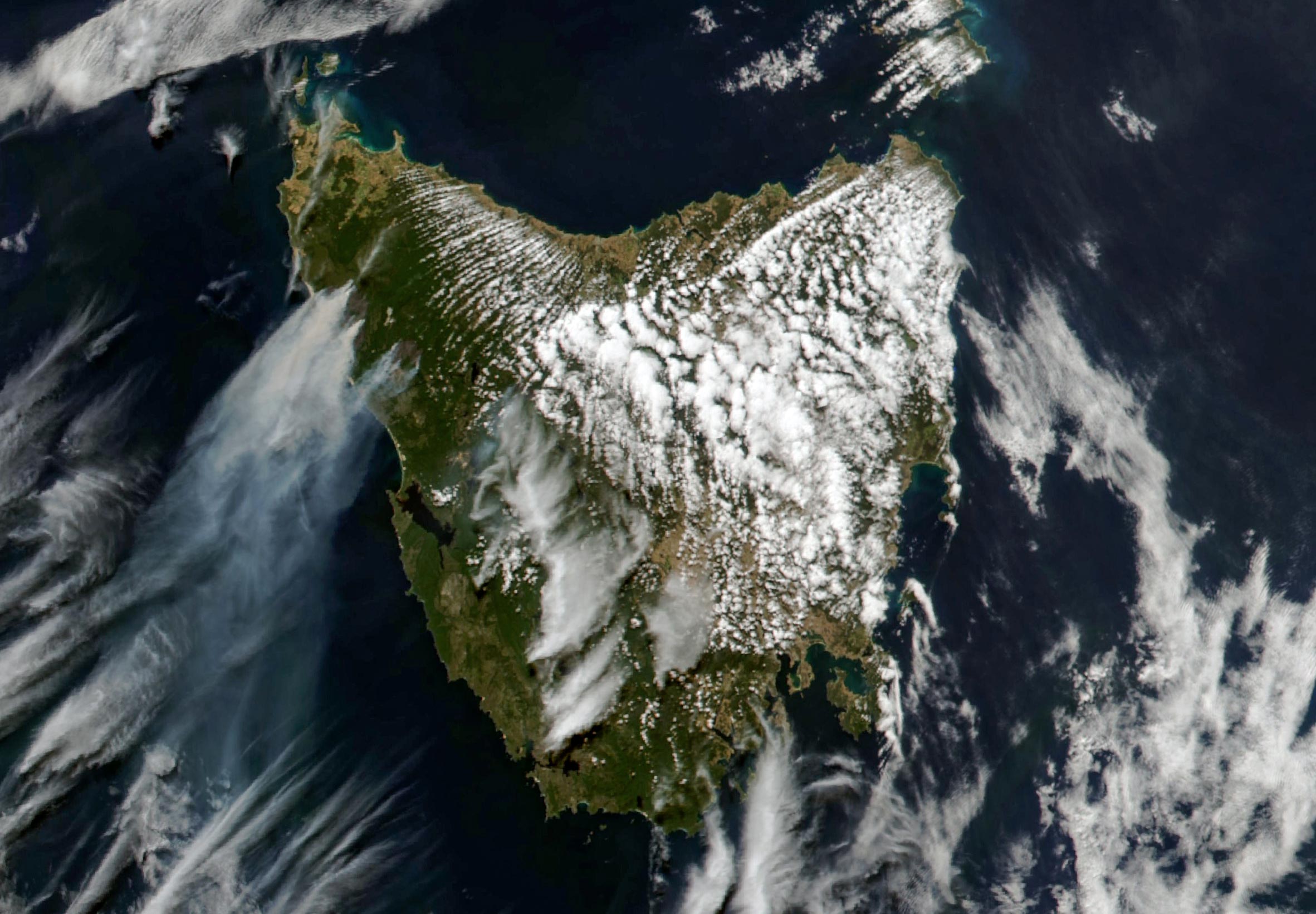
    Tasmania Bush Fires February 2025 Annotated
    Warm, dry conditions in February 2025 fueled fast-burning fires in the northwestern part of the Australian state of Tasmania.

    Tasmania is in crisis as bushfires rage across the island’s northwest, spreading unpredictably due to high temperatures, parched land, and powerful winds.

    With emergency warnings in place, residents and beekeepers in threatened areas have already begun evacuating. The fires come amid record-breaking drought and a severe heatwave, exacerbating the danger. Relief may be on the horizon, as a cold front is expected to bring cooler, wetter conditions later in the week.

    Fires Ignite in Northwestern Tasmania

    In early February 2025, bushfires broke out in northwestern Tasmania and have continued burning for over a week, fueled by strong winds, warm temperatures, and dry conditions.

    Thick smoke from the fires is visible in the image above, captured at approximately 4 p.m. local time (05:00 UTC) on February 12, 2025, by NASA’s Aqua satellite using the MODIS (Moderate Resolution Imaging Spectroradiometer) instrument.

    Lightning Strikes Spark Multiple Blazes

    The fires began on February 3 when lightning strikes from dry thunderstorms ignited multiple blazes across the state’s North West region, according to news reports. By February 12, more than a dozen fires had burned through approximately 50,000 hectares (190 square miles).

    On February 13, the Tasmanian government issued an emergency warning for a fire advancing toward Sandy Cape, a popular beach camping destination. Authorities described the fire as “uncontrollable, unpredictable, and fast-moving.” In the satellite image, thick smoke blankets the area of Sandy Cape.

    Threats to Corinna and Local Industries

    Meanwhile, another fire was nearing the town of Corinna, where a “watch and act” warning remained in place. According to news reports, local beekeepers have already evacuated their hives, as the region’s leatherwood trees—critical for honey production—are under threat from the encroaching flames.

    According to a heatwave warning from Australia’s Bureau of Meteorology (BoM), much of the state’s west coast saw severe heatwave conditions on several days during the week of February 10. The region has also been exceptionally dry. For example, the past 12-month period has been the driest on record (since 1900) along the coastal areas near Sandy Cape.

    Strong Winds and Possible Relief Ahead

    Forecasts called for damaging winds with gusts of up to 90 kilometers (55 miles) per hour ahead of an approaching cold front. Cooler, wetter weather was expected toward the end of the week.

    NASA Earth Observatory image by Michala Garrison, using MODIS data from NASA EOSDIS LANCE and GIBS/Worldview.

    Never miss a breakthrough: Join the SciTechDaily newsletter.
    Follow us on Google and Google News.

    Geography NASA NASA Earth Observatory Tasmania Wildfires
    Share. Facebook Twitter Pinterest LinkedIn Email Reddit

    Related Articles

    Massive New Mexico Wildfire Spawns 7.5 Mile Fire Cloud

    Alisal Fire Rages Near Santa Barbara – Strong Winds Fuel Fast-Moving Fire

    Greece Fire: Large Swaths of Greece Consumed by Wildfire

    California’s Massive Dixie Fire Keeps Growing – Stunning Image Captured by Astronaut on Space Station

    A Summer of Fire-Breathing Smoke Storms: Extreme Heat, Intense Wildfires, and a “Monster pyroCb”

    Blazing Heat: Dangerous Wildfires Rage Across British Columbia

    Fires Rage in Arizona: Hot, Dry Weather Parched Vegetation and Turned the State Into a Tinderbox

    Satellite View: Fierce Fire Season Rages in Nepal

    NASA/NOAA Satellites Observe Surprisingly Rapid Increase in Scale and Intensity of Fires in Siberia

    2 Comments

    1. Clyde Spencer on February 14, 2025 7:44 am

      “The fires come amid record-breaking drought and a severe heatwave, …”
      “[Bushfires broke out] and have continued burning for over a week, fueled by strong winds, warm temperatures, …”

      Which is it? Severe heatwave or warm temperatures?

      Reply
    2. Rob on February 14, 2025 3:53 pm

      To answer your question in the Australian vernacular: It’s been too bloody hot, mate!

      As was last year, and the year before that and………….get the picture?

      Reply
    Leave A Reply Cancel Reply

    • Facebook
    • Twitter
    • Pinterest
    • YouTube

    Don't Miss a Discovery

    Subscribe for the Latest in Science & Tech!

    Trending News

    Collapsing Plasma May Hold the Key to Cosmic Magnetism

    This Breakthrough Solar Panel Generates Power From Both Sunlight and Raindrops

    Scientists Uncover New Metabolic Effects Beyond Weight Loss of Mounjaro

    Scientists Discover Cancer Tumors Are “Addicted” to This Common Antioxidant

    1,800 Miles Down: Scientists Uncover Mysterious Movements at the Edge of Earth’s Core

    Scientists Discover Hidden “Good Fats” in Green Rice That Could Transform Nutrition

    Your Child’s Clothes Could Contain Toxic Lead, Study Finds

    Researchers Break a 150-Year-Old Math Law With a Surprising Donut Discovery

    Follow SciTechDaily
    • Facebook
    • Twitter
    • YouTube
    • Pinterest
    • Newsletter
    • RSS
    SciTech News
    • Biology News
    • Chemistry News
    • Earth News
    • Health News
    • Physics News
    • Science News
    • Space News
    • Technology News
    Recent Posts
    • The Mystery of the Notes: Why No One Knows How This 120-Year-Old Song Should Sound
    • Scientists Discover 132-Million-Year-Old Dinosaur Tracks on South Africa’s Coast
    • Scientists Uncover the Secret Ingredient Behind the Spark That May Have Started Life on Earth
    • Natural Oils vs. Antibiotics: The Swine Study That Could Change Farming
    • The Biggest Volcanic Event in Earth’s History Transformed an Entire Oceanic Plate
    Copyright © 1998 - 2026 SciTechDaily. All Rights Reserved.
    • Science News
    • About
    • Contact
    • Editorial Board
    • Privacy Policy
    • Terms of Use

    Type above and press Enter to search. Press Esc to cancel.