Close Menu
    Facebook X (Twitter) Instagram
    SciTechDaily
    • Biology
    • Chemistry
    • Earth
    • Health
    • Physics
    • Science
    • Space
    • Technology
    Facebook X (Twitter) Pinterest YouTube RSS
    SciTechDaily
    Home»Space»Jupiter Icy Moons Explorer: First Reveals From Juice’s Advanced Science Camera
    Space

    Jupiter Icy Moons Explorer: First Reveals From Juice’s Advanced Science Camera

    By European Space Agency (ESA)August 26, 2024No Comments4 Mins Read
    Facebook Twitter Pinterest Telegram LinkedIn WhatsApp Email Reddit
    Share
    Facebook Twitter LinkedIn Pinterest Telegram Email Reddit
    Illustration of JUICE Spacecraft at Jupiter
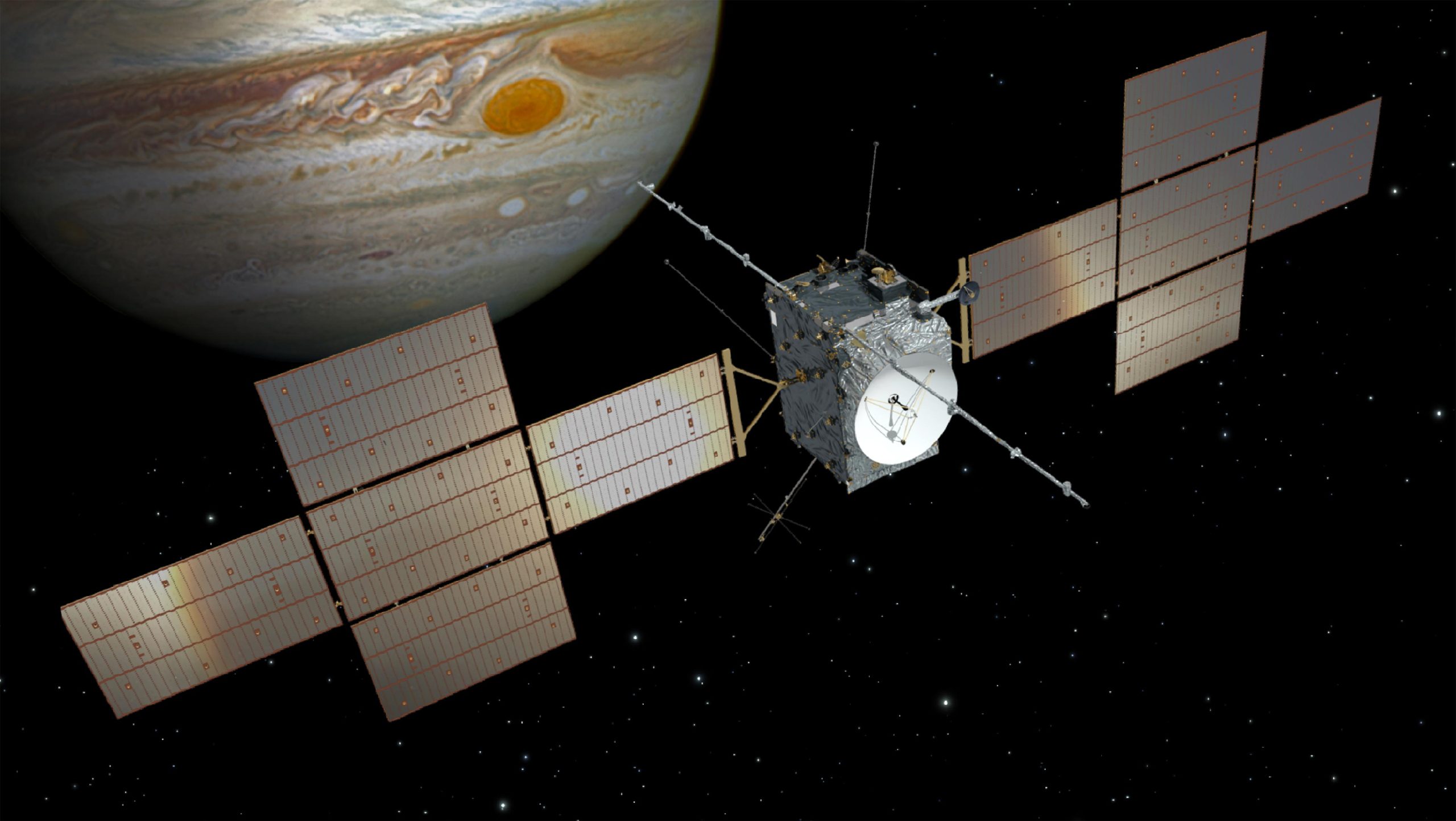
    Illustration of the JUICE spacecraft at Jupiter. The Jupiter Icy Moons Explorer (Juice) equipped with the JANUS camera, recently conducted a flyby of the Moon and Earth to test the high-resolution capabilities designed to study Jupiter and its moons. Credit: ESA

    JANUS, a camera on the Jupiter Icy Moons Explorer, recently captured test images of the Moon and Earth as part of its mission to study Jupiter and its largest moons.

    Since ESA’s Jupiter Icy Moons Explorer (Juice) flew by the Moon and Earth earlier last week, we’ve seen images from its monitoring cameras and we’ve seen images from its navigation camera. Now, the European Space Agency has revealed the first images from its scientific camera, JANUS, designed to take detailed, high-resolution photos of Jupiter and its icy moons.

    JANUS will study global, regional, and local features and processes on the moons, as well as map the clouds of Jupiter. It will have a resolution of up to 2.4 m per pixel on Ganymede and about 10 km per pixel at Jupiter.
    Juice JANUS View of Moon
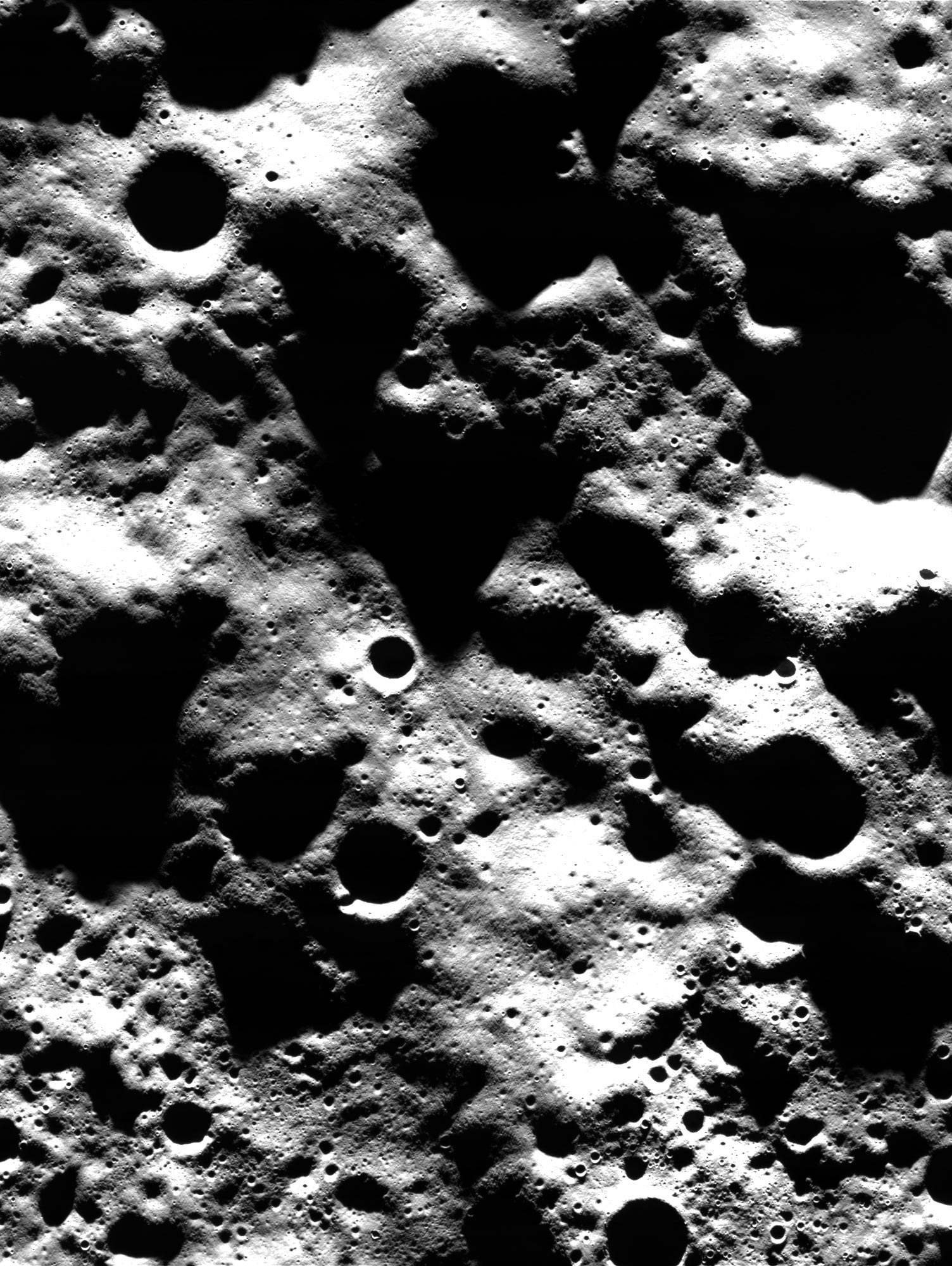
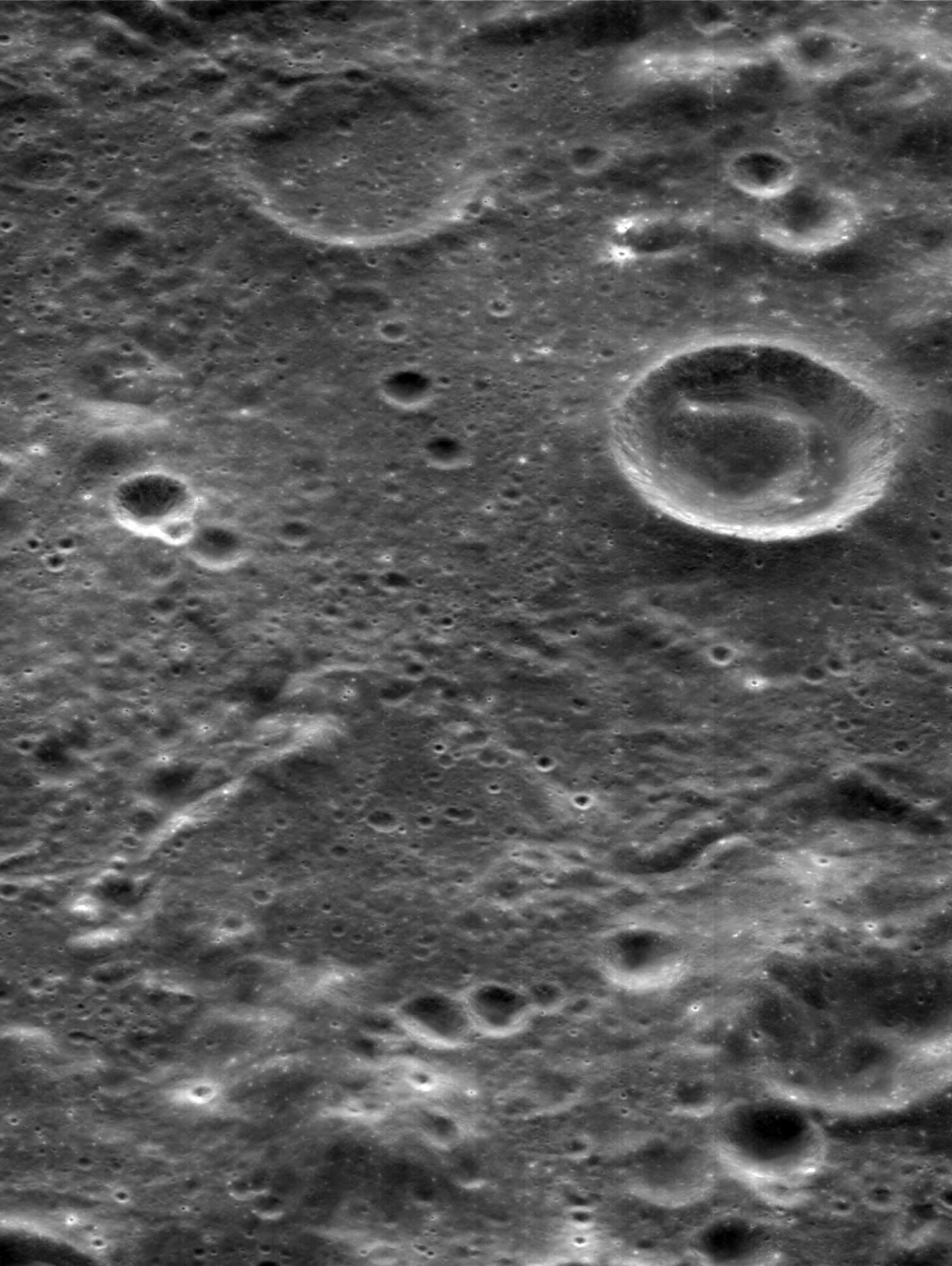
    This image of our own Moon was taken during Juice’s lunar-Earth flyby on August 19, 2024. The main aim of JANUS’s observations during the lunar-Earth flyby was to evaluate how well the instrument is performing, not to make scientific measurements. Credit: ESA/Juice/JANUS

    Testing and Calibration of JANUS

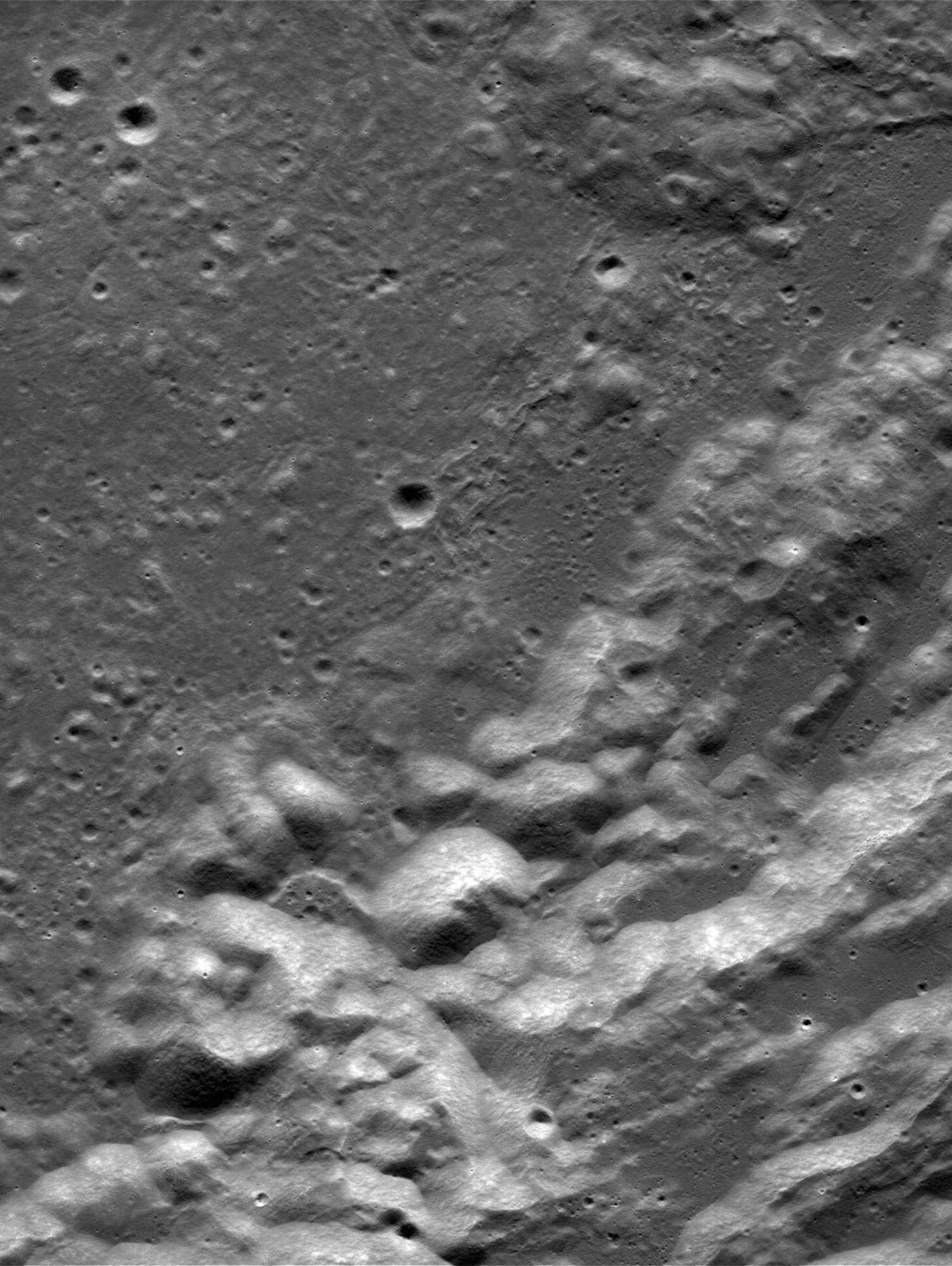
    The main aim of JANUS’s observations during the lunar-Earth flyby was to evaluate how well the instrument is performing, not to make scientific measurements. For this reason, JANUS took images with various camera settings and time intervals – a bit like if you’re going out to test a DSLR camera for the first time.

    In some cases, researchers intentionally ‘blurred’ the images so that they can test out resolution recovery algorithms. In other cases, they partially saturated the image to study the effects induced on the unsaturated areas.
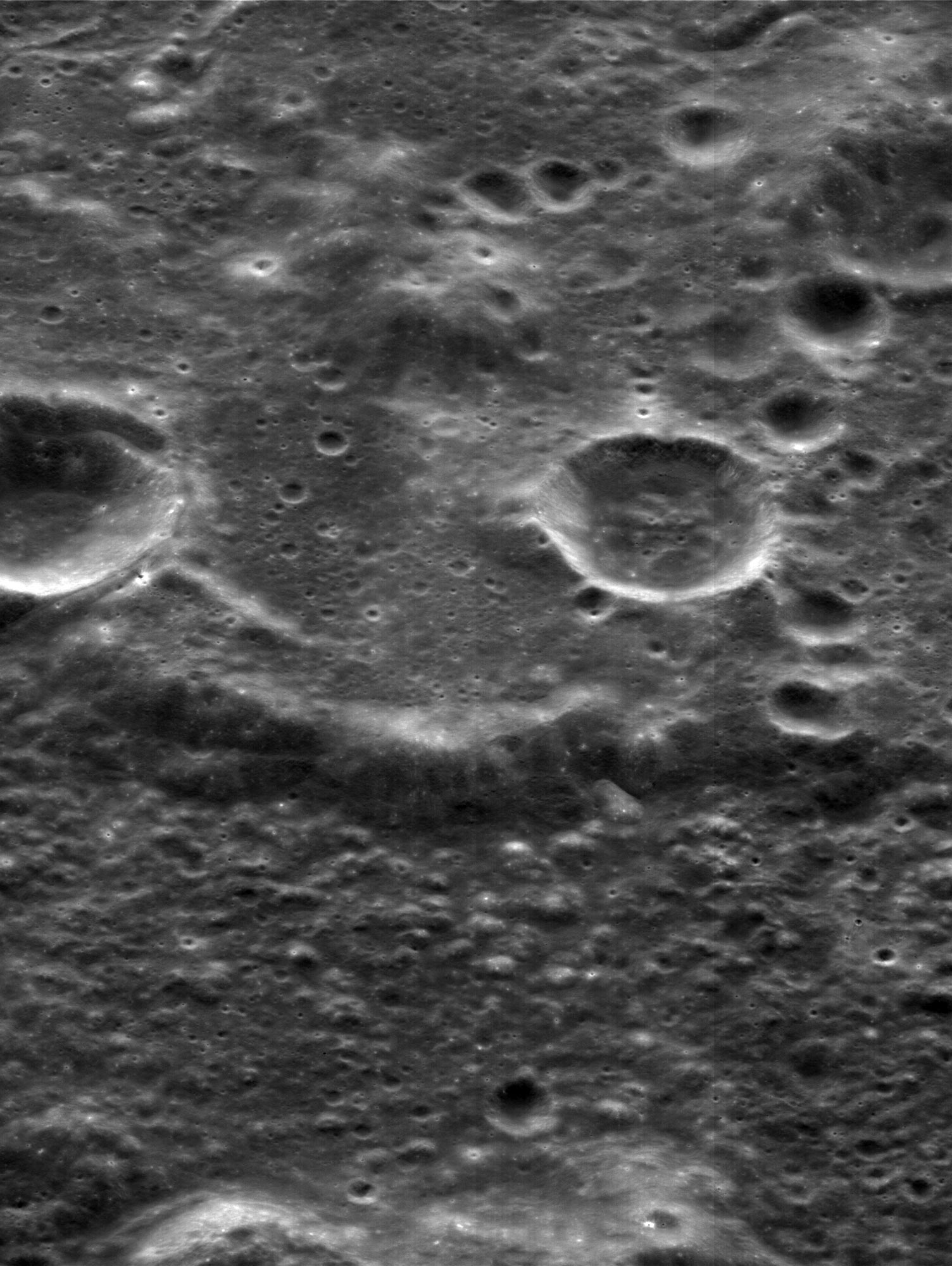
    Juice JANUS View of Moon 2
    This image of our own Moon was taken during Juice’s lunar-Earth flyby on August 19, 2024. Credit: ESA/Juice/JANUS
    Juice JANUS View of Moon 3
    This image of our own Moon was taken during Juice’s lunar-Earth flyby on August 19, 2024. Credit: ESA/Juice/JANUS
    Juice JANUS View of Moon 4
    This image of our own Moon was taken during Juice’s lunar-Earth flyby on August 19, 2024. Credit: ESA/Juice/JANUS

    Mythological Significance and Mission Goals

    The name JANUS comes from the Latin phrase ‘Jovis, Amorum ac Natorum Undique Scrutator’, or roughly ‘Scrutiniser of Jupiter, and all his loves and descendants’. Jupiter’s four largest moons – the main focus of Juice’s mission – are named after protagonists in the ‘love affairs’ of Zeus, the equivalent of Jupiter in Greek mythology.
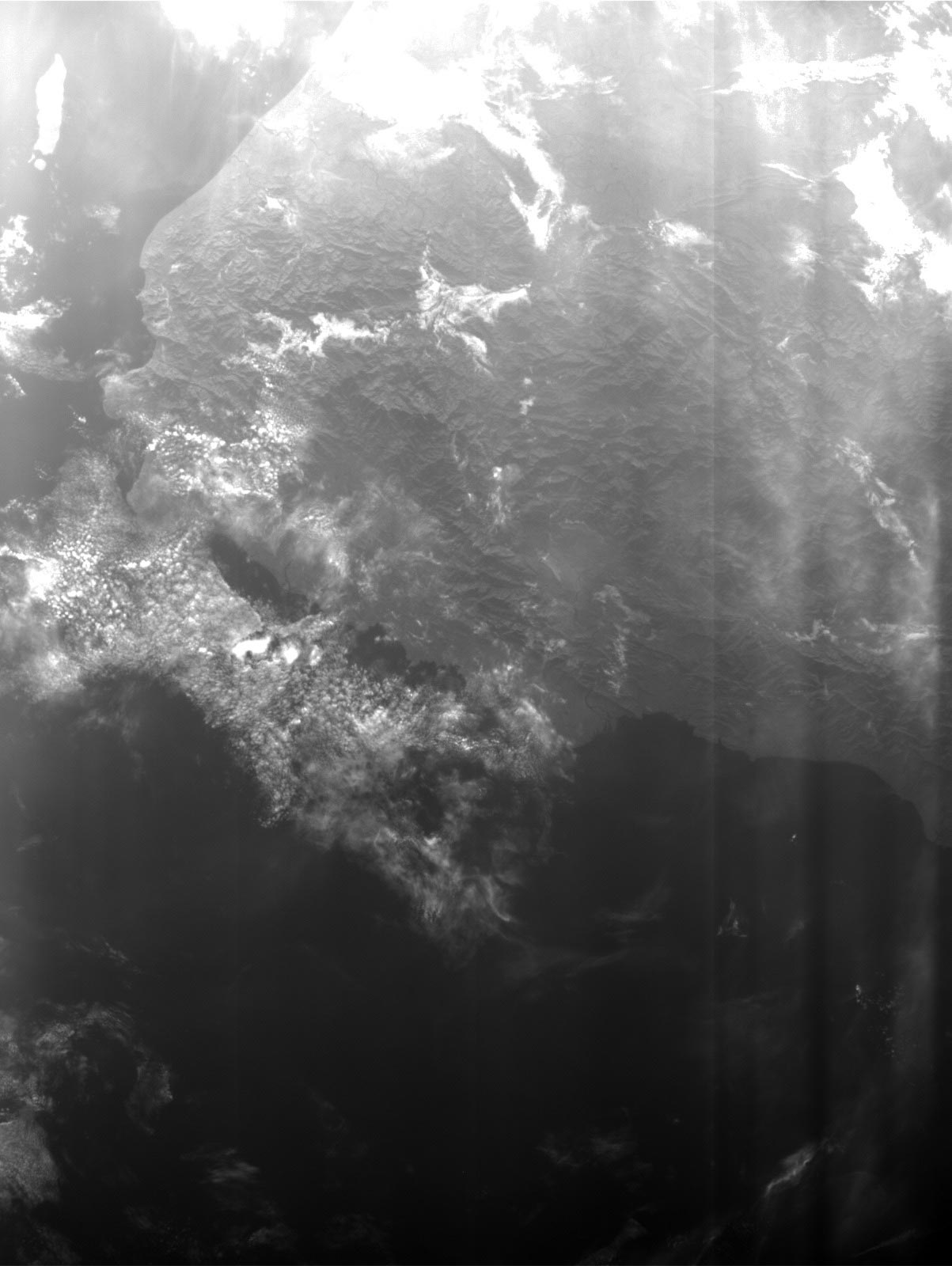
    Juice JANUS View of Earth
    This image of planet Earth was taken during Juice’s lunar-Earth flyby. It was taken at dawn on August 20, 2024, and shows the island of Luzon, the largest and most populous island in the Philippines. Credit: ESA/Juice/JANUS

    JANUS will transform our knowledge of Jupiter’s icy moons, by capturing them with a resolution and coverage 50 times greater than previous cameras sent to the Jovian system. The camera is equipped with an onboard computer that manages all instrument functions, processes commands, and sends data back to Earth.
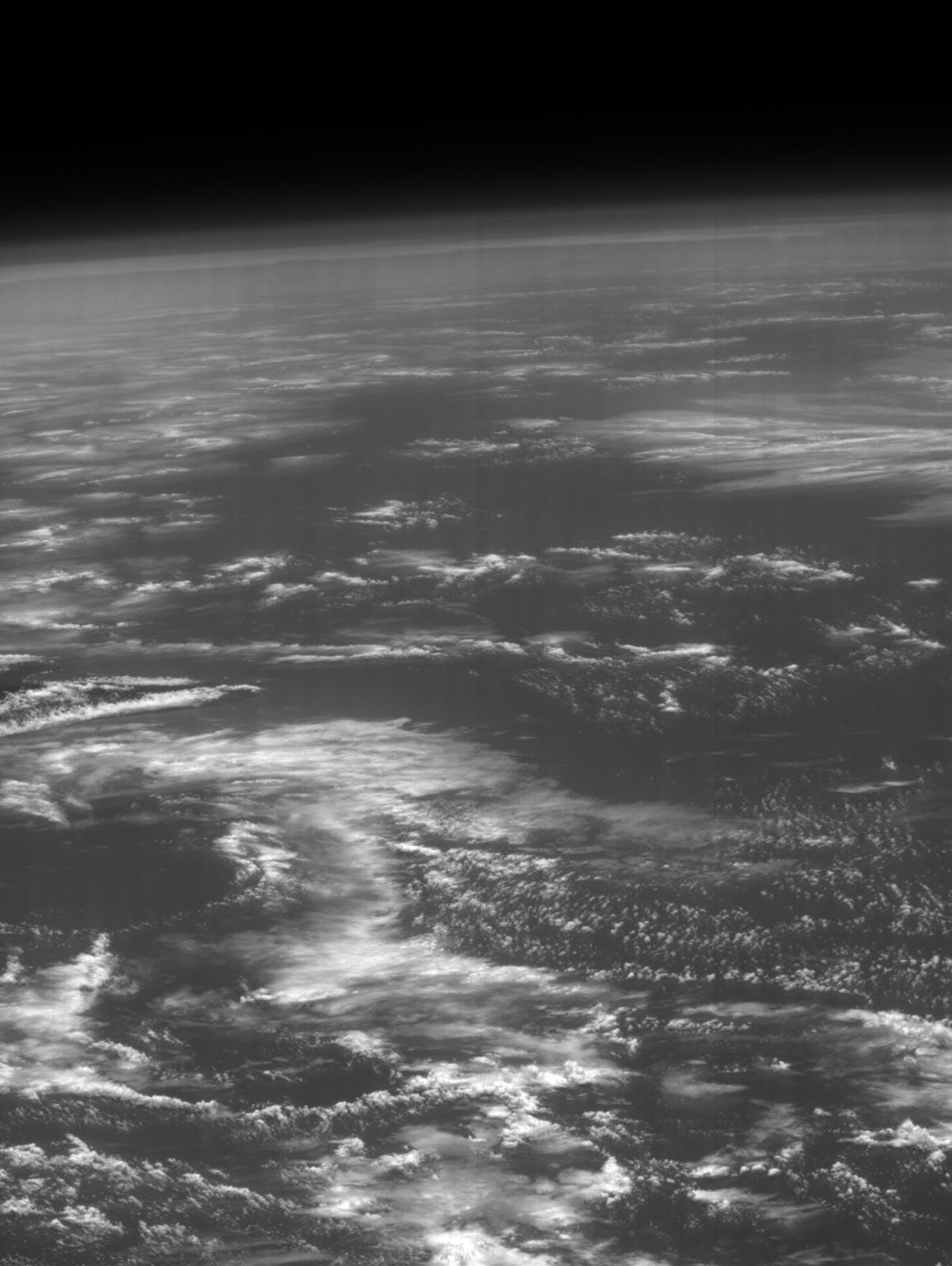
    Juice JANUS View of Earth 2
    This image of planet Earth was taken during Juice’s lunar-Earth flyby at dawn on August 20, 2024. It shows the island of Hawai’i (the dark patch on the left). Credit: ESA/Juice/JANUS

    Technical Aspects and Collaboration

    In imaging our own Moon, with no atmosphere, JANUS could test out how it will function at Ganymede, Callisto and Europa. In contrast, Jupiter itself has a huge, turbulent atmosphere; JANUS’s images of Earth can better simulate imaging the different layers and components of Jupiter’s atmosphere.
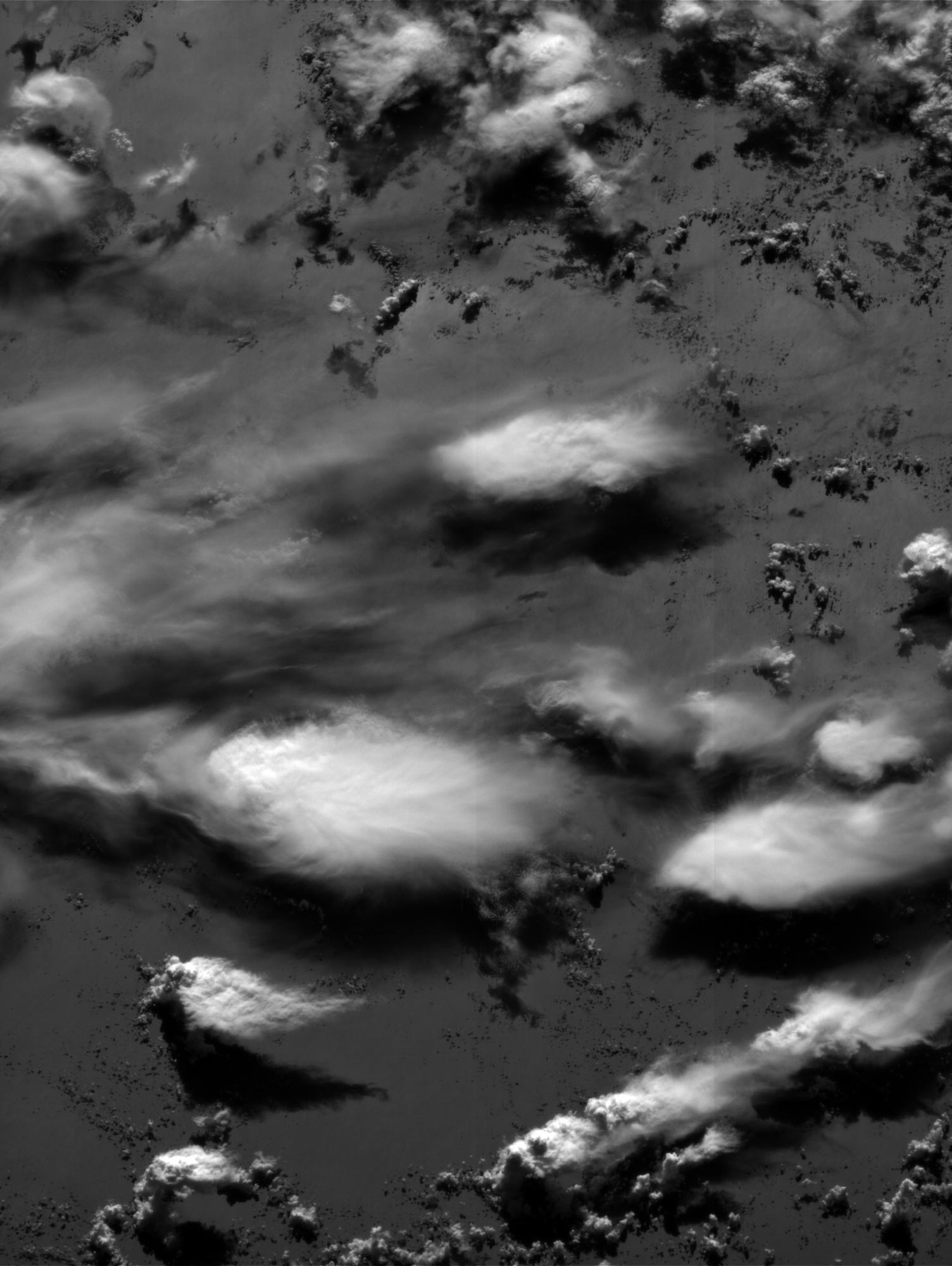
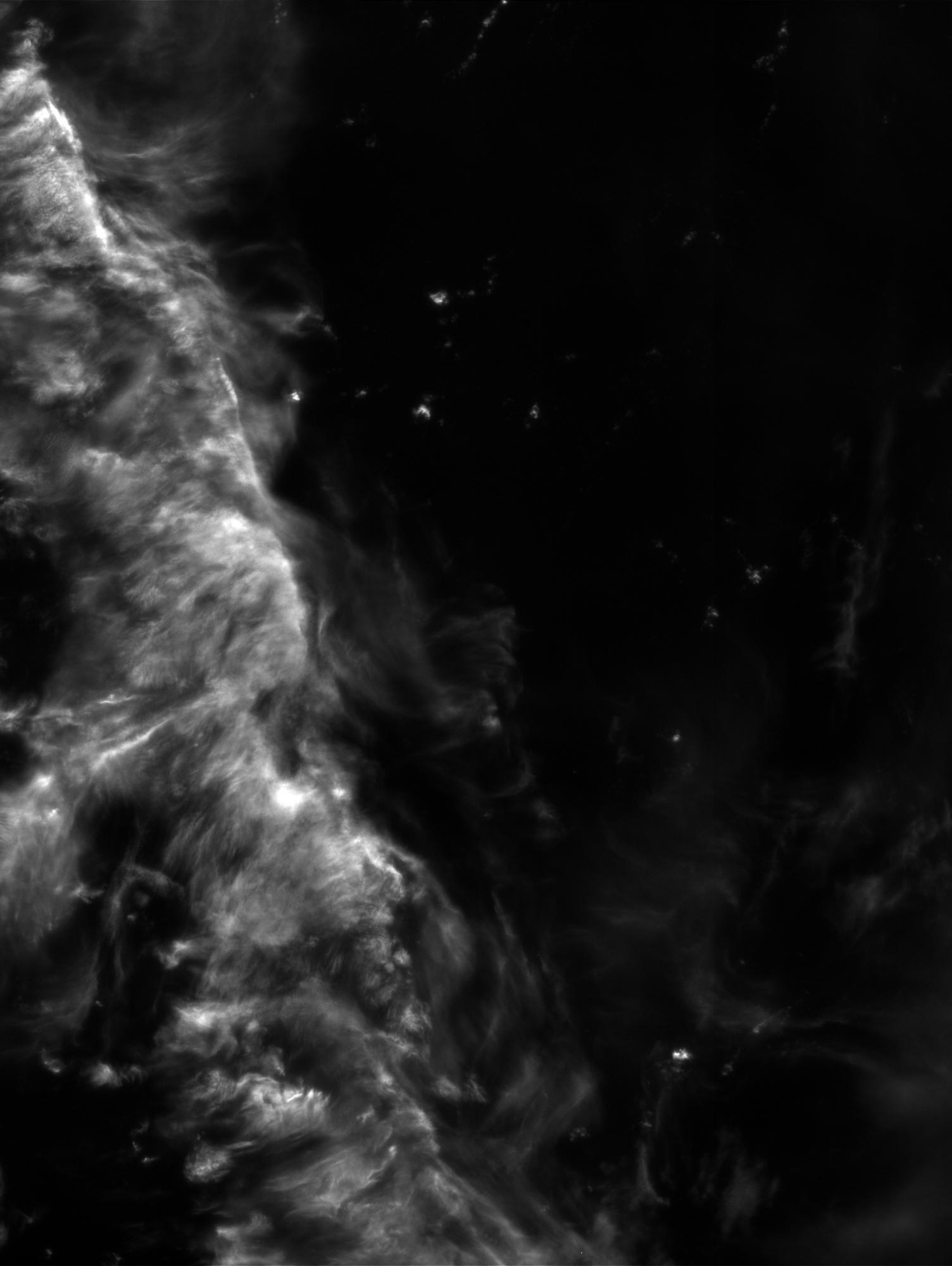
    Juice JANUS View of Earth 3
    This image of planet Earth was taken during Juice’s lunar-Earth flyby. It covers a small patch of the Pacific Ocean close to the Philippines. Credit: ESA/Juice/JANUS
    Juice JANUS View of Earth 4
    This image of planet Earth was taken during Juice’s lunar-Earth flyby. It covers a small patch of the Pacific Ocean close to the Philippines. Credit: ESA/Juice/JANUS

    Note: These images are preliminary and have not been processed to use for science

    JANUS was developed by an industrial consortium led by Leonardo SpA, under the supervision of the Italian Space Agency (ASI) and in collaboration with the Italian National Institute for Astrophysics (INAF), which is responsible for instrument science, the German Aerospace Center (DLR), CSIC-IAA in Granada (Spain) and CEI-Open University in Milton Keynes (UK).

    Never miss a breakthrough: Join the SciTechDaily newsletter.
    Follow us on Google and Google News.

    ESA Juice European Space Agency
    Share. Facebook Twitter Pinterest LinkedIn Email Reddit

    Related Articles

    Sticky Situation: Critical Antenna on ESA’s Jupiter Icy Moons Explorer Fails To Deploy

    ESA’s Jupiter Icy Moons Explorer: Juice’s First Sip of Science From Space

    ESA’s Jupiter Icy Moons Explorer (Juice) Gets Wings

    ESA’s Juice Captures Breathtaking First Selfies on Its Journey to Jupiter

    Jupiter’s Icy Enigmas: ESA’s Juice Launches on a Cosmic Treasure Hunt

    Blasting Off to Jupiter’s Moons: Ariane 5 Sends JUICE on a Chilling Expedition

    Squeezing Secrets From Jupiter’s Moons: Juice’s Expedition to the Outer Solar System

    ESA’s Jupiter Icy Moons Explorer Mission: How To Follow the Juice Launch Live

    Juice’s Odyssey of Exploration: To Uncover the Hidden Secrets of Mysterious Worlds

    Leave A Reply Cancel Reply

    • Facebook
    • Twitter
    • Pinterest
    • YouTube

    Don't Miss a Discovery

    Subscribe for the Latest in Science & Tech!

    Trending News

    These Toads Are Surviving a Deadly Fungus – Scientists May Finally Know Why

    These Brain Cells May Explain Why We Eventually Have To Sleep

    Tomatoes Contain an Invisible Ingredient With Surprising Effects on Liver Health

    World’s First Heat-Powered Cooling System Turns Waste Heat Into Cold

    Antarctica Gained a Record 695 Billion Tons of Ice in Just Two Years

    Don’t Miss: A Brilliant Venus and Glowing Harvest Moon Light Up the Sky

    New Twist on the Einstein Problem Reveals Unexpected Physics

    JWST Captures Stunning Evidence of How Supermassive Black Holes Feed

    Follow SciTechDaily
    • Facebook
    • Twitter
    • YouTube
    • Pinterest
    • Newsletter
    • RSS
    SciTech News
    • Biology News
    • Chemistry News
    • Earth News
    • Health News
    • Physics News
    • Science News
    • Space News
    • Technology News
    Recent Posts
    • Scientists Discover a Hidden Defect That Could Explain Why IBD Keeps Coming Back
    • Millions Take Blood Pressure Drugs, but Many May Be Missing Their Heart-Protective Benefits
    • Could Alien Life Be Conscious in Ways We Can’t Imagine?
    • Scientists Develop a Fruit Wash That Removes Pesticide Residues and Keeps Produce Fresh Longer
    • Scientists May Have Finally Explained Why Astronauts Get Constipated in Space
    Copyright © 1998 - 2026 SciTechDaily. All Rights Reserved.
    • Science News
    • About
    • Contact
    • Editorial Board
    • Privacy Policy
    • Terms of Use

    Type above and press Enter to search. Press Esc to cancel.