
Research shows cannabidiol safe for driving and THC effects fade in hours.
A landmark study on how cannabis affects driving ability has shown that cannabidiol (CBD), a cannabis component now widely used for medical purposes, does not impair driving, while moderate amounts of the main intoxicating component tetrahydrocannabinol (THC) produce mild driving impairment lasting up to four hours.
The study was led the Lambert Initiative for Cannabinoid Therapeutics at the University of Sydney and conducted at Maastricht University in the Netherlands. It was published today in the prestigious Journal of the American Medical Association.

Lead author Dr. Thomas Arkell said: “These findings indicate for the first time that CBD, when given without THC, does not affect a subject’s ability to drive. That’s great news for those using or considering treatment using CBD-based products.”
There has been substantial growth in medical treatment using cannabis-related products in Australia and overseas. This includes increasing use of CBD-containing products for conditions such as epilepsy, anxiety, chronic pain and addictions. Many currently available products also contain a mixture of THC and CBD.
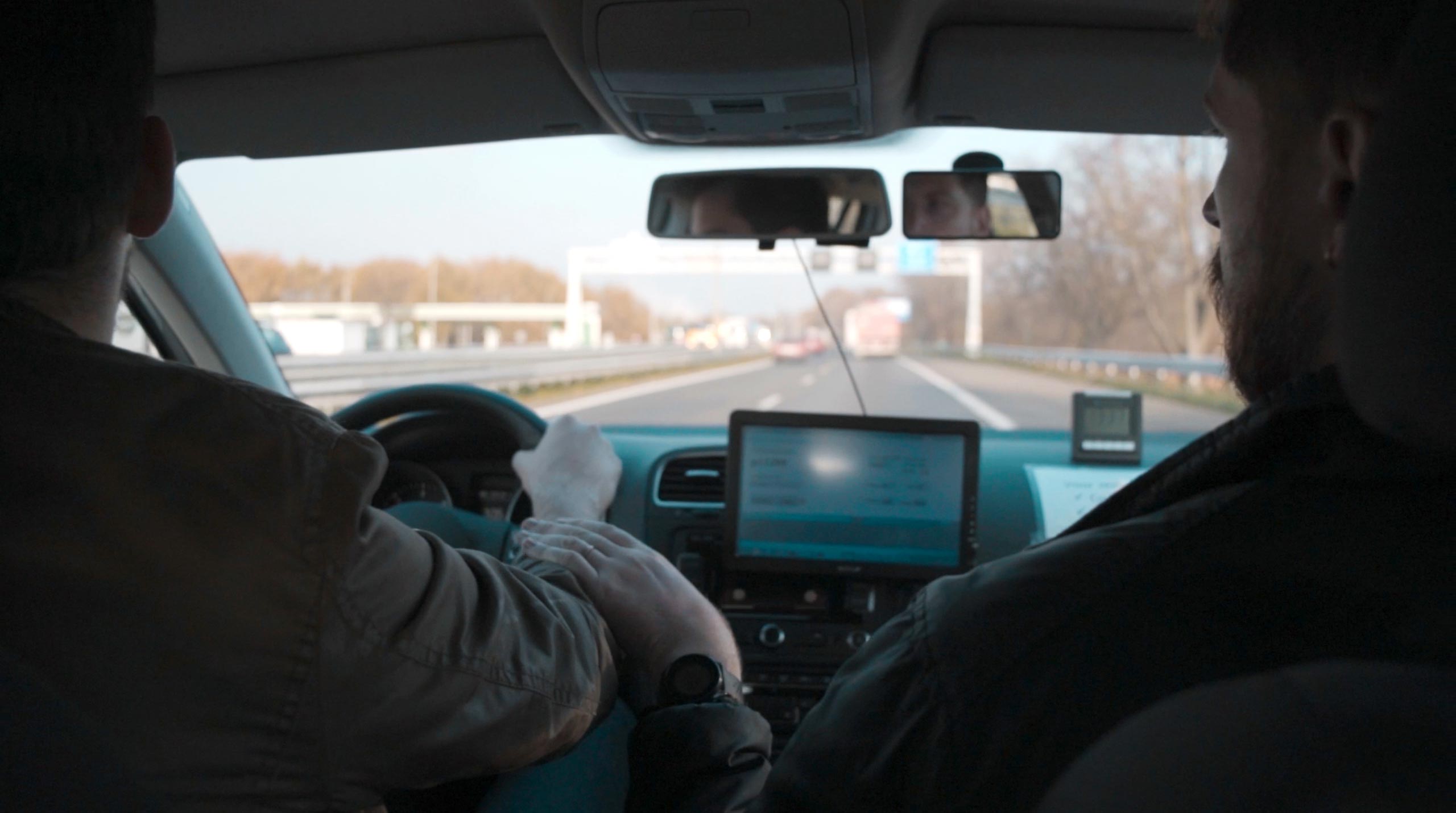
The research involved people inhaling vaporized cannabis containing different mixes of THC and CBD, then going for a 100-kilometer drive under controlled conditions on public highways both 40 minutes and four hours later. Cannabis containing mainly CBD did not impair driving while cannabis containing THC, or a THC/CBD mixture, caused mild impairment measured at 40 minutes later but not after four hours.
Dr. Arkell said: “With cannabis laws changing globally, jurisdictions are grappling with the issue of cannabis-impaired driving. These results provide much needed insights into the magnitude and duration of impairment caused by different types of cannabis and can help to guide road-safety policy not just in Australia but around the world.”
“Road safety is a primary concern,” Dr. Arkell said. “These results should allow for evidence-based laws and regulation for people receiving medical cannabis.”

The Academic Director of the Lambert Initiative, Professor Iain McGregor, said: “We were delighted to have the opportunity to collaborate with Professor Jan Ramaekers and his team on this study. Studying the effects of cannabis on driving with such precision in a real-world context is incredibly important.
“The results should reassure people using CBD-only products that they are most likely safe to drive, while helping patients using THC-dominant products to understand the duration of impairment.”
Method
The study involved giving 26 healthy participants four different types of cannabis in a random order to vaporize on four separate occasions. Each participant’s driving performance was then assessed on the road in real-world conditions along a 100-kilometer stretch of public highway in a dual control car with a driving instructor present.
The tests were done at Maastricht University in the Netherlands using a well-established scientific test that measures standard deviation of vehicle position (SDLP), an index of lane weaving, swerving and overcorrecting. SDLP increases under the influence of alcohol and drugs such as Valium and Stilnox.
Participants vaporized cannabis containing mainly THC, mainly CBD, THC, and CBD in combination, or placebo cannabis (no active components). The amount of THC vaporized by participants was enough to cause strong feelings of intoxication.
To test how the different types of cannabis affect driving, participants completed two one-hour, on-road highway driving tests commencing at 40 minutes and at four hours after inhaling vaporized cannabis.
Professor McGregor said: “With rapidly changing attitudes towards medical and non-medical use of cannabis, driving under the influence of cannabis is emerging as an important and somewhat controversial public health issue.
“While some previous studies have looked at the effects of cannabis on driving, most have focused on smoked cannabis containing only THC (not CBD) and have not precisely quantified the duration of impairment.
“This is the first study to illustrate the lack of CBD effects on driving and to also provide a clear indication of the duration of THC impairment.”
Reference: “Effect of Cannabidiol and Δ9-Tetrahydrocannabinol on Driving Performance: A Randomized Clinical Trial” by Thomas R. Arkell, PhD; Frederick Vinckenbosch, MSc; Richard C. Kevin, PhD; Eef L. Theunissen, PhD; Iain S. McGregor, PhD and Johannes G. Ramaekers, PhD, 1 December 2020, JAMA.
DOI: 10.1001/jama.2020.21218
Never miss a breakthrough: Join the SciTechDaily newsletter.
Follow us on Google and Google News.
3 Comments
“… first study to illustrate the lack of CBD effects on driving …”
Twenty-six participants is a minimum for statistical significance. Previous studies have demonstrated that participants tended to compensate for being aware that they were under the influence of THC. However, that group was the only group to require an observer to take over the control of the car. One should not assume that, because these patients generally don’t show symptoms from use, all users will react similarly.
I gave my dog the recommended dose of CBD in duck cubes. He shook for two hours. I held him in my lap and promised I’d never do it again. I suspect it was not pure CBD but I don’t care. Now if he is reacting to stormy weather I will give him the phenobarbital tabs the Vet gave me for him.
since 4 hours is shown to be the extent of impairment, will LEO and GOV modify their testing? had a friend get into a car accident, not his fault a person ran a red light, he still was charged because test shown he had THC in his system, which he stated was from 3 weeks prior.