
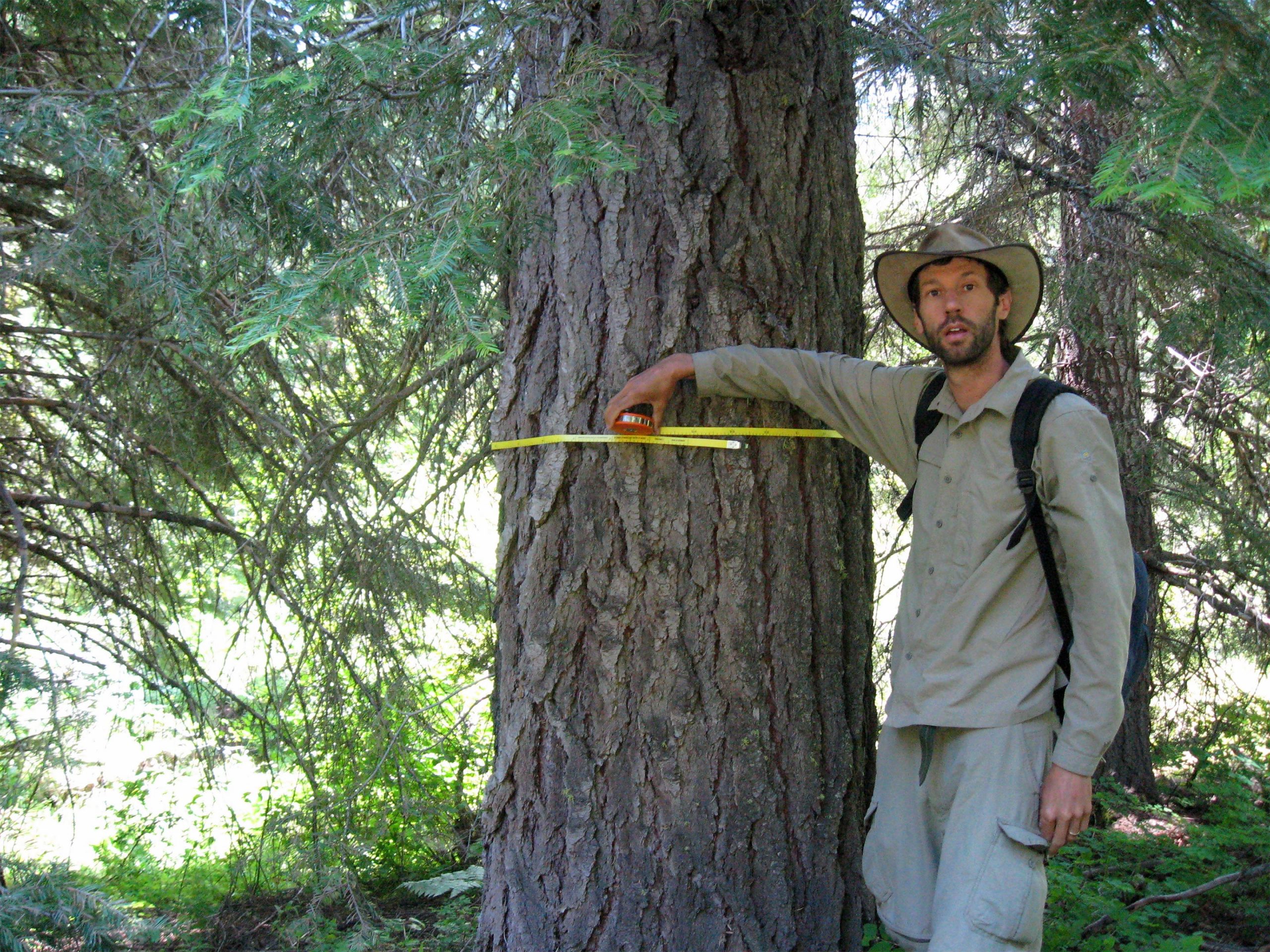
Large-diameter trees make up 3% of total stems, but account for 42% of total carbon storage in Pacific Northwest forest ecosystems.
Older, large-diameter trees have been shown to store disproportionally massive amounts of carbon compared to smaller trees, highlighting their importance in mitigating climate change, according to a new study in Frontiers in Forests and Global Change.
Researchers examined the aboveground carbon storage of large-diameter trees (>21 inches or >53.3 cm) on National Forest lands within Oregon and Washington. They found that despite only accounting for 3% of the total number of trees on the studied plots, large trees stored 42% of the total above-ground carbon within these forest ecosystems. This study is among the first of its kind to report how a proposed policy could affect carbon storage in forest ecosystems, potentially weakening protections for large-diameter trees and contributing to huge releases of carbon dioxide to the atmosphere in the face of a changing climate.
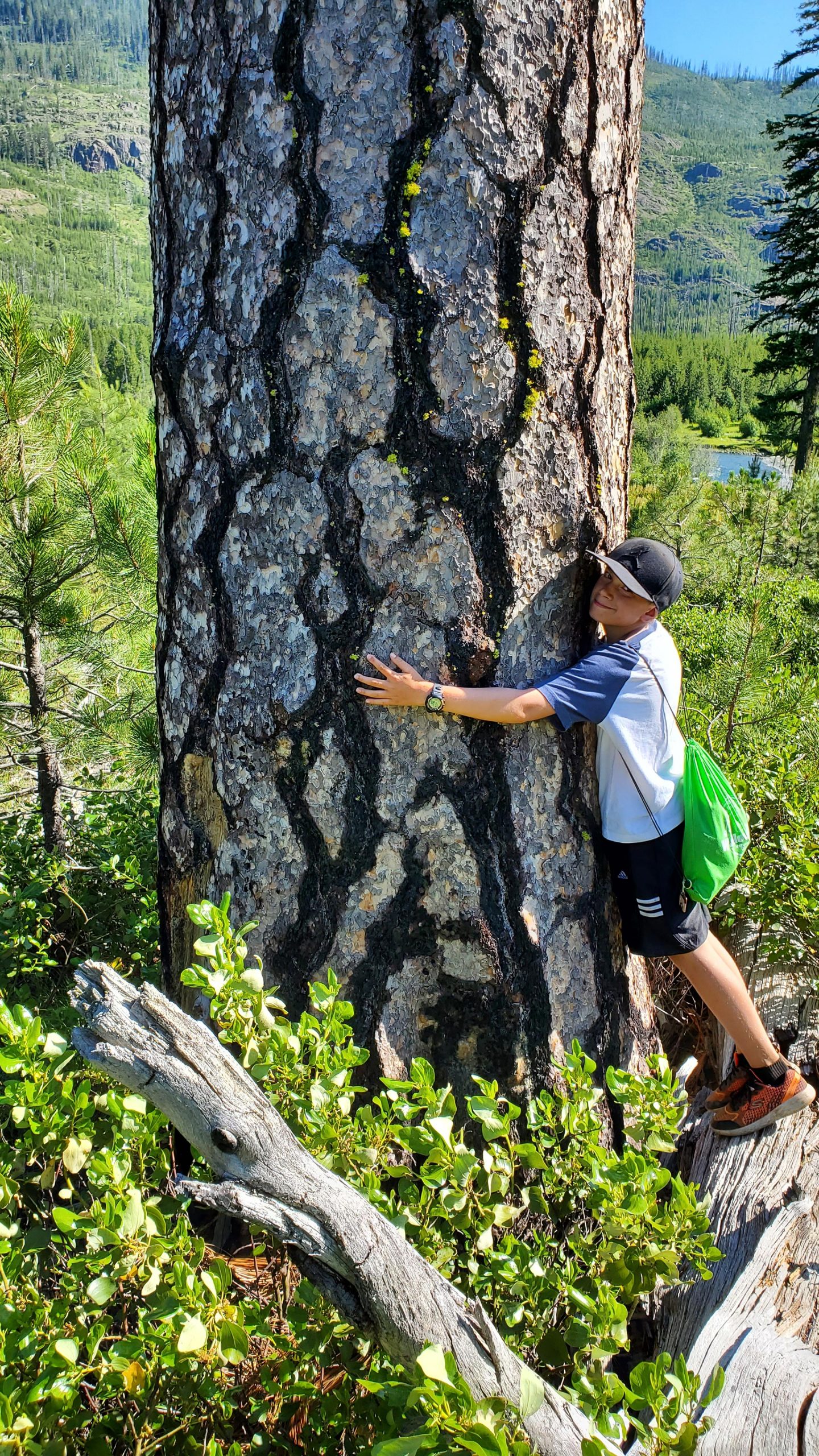
In the Pacific Northwest region of the US, a 21-inch diameter rule was enacted in 1994 to slow the loss of large, older trees in national forests. However, proposed amendments to this limit would potentially allow widespread harvesting of large trees up to 30 inches in diameter with major implications for carbon dynamics and forest ecology. Dr. David Mildrexler, who led the study, highlights:
“Large trees represent a small proportion of trees in the forest, but they play an exceptionally important role in the entire forest community — the many unique functions they provide would take hundreds of years to replace.”
To examine the relationship between tree diameter and aboveground carbon storage in forests east of the Cascades Crest, the researchers used species-specific equations to relate tree diameter and height to the aboveground biomass in the stem and branches, taking into account that half this biomass in a tree is comprised of carbon. They also examined what proportion large trees made up of the total forest stand, their total calculated aboveground carbon storage and therefore what the potential consequence of removing these large trees could have within future forest management practices.
The study also revealed that trees >30 inches (>76.2 cm) in diameter only constituted 0.6% of the total stems, but these giants accounted for over 16% of the total aboveground carbon across the forests examined. Once trees reached a large size, each additional increment in diameter resulted in a significant addition to the tree’s total carbon stores:
“If you think of adding a ring of new growth to the circumference of a large tree and its branches every year, that ring adds up to a lot more carbon than the ring of a small tree,” explains Dr. Mildrexler. “This is why specifically letting large trees grow larger is so important for climate change because it maintains the carbon stores in the trees and accumulates more carbon out of the atmosphere at a very low cost.”
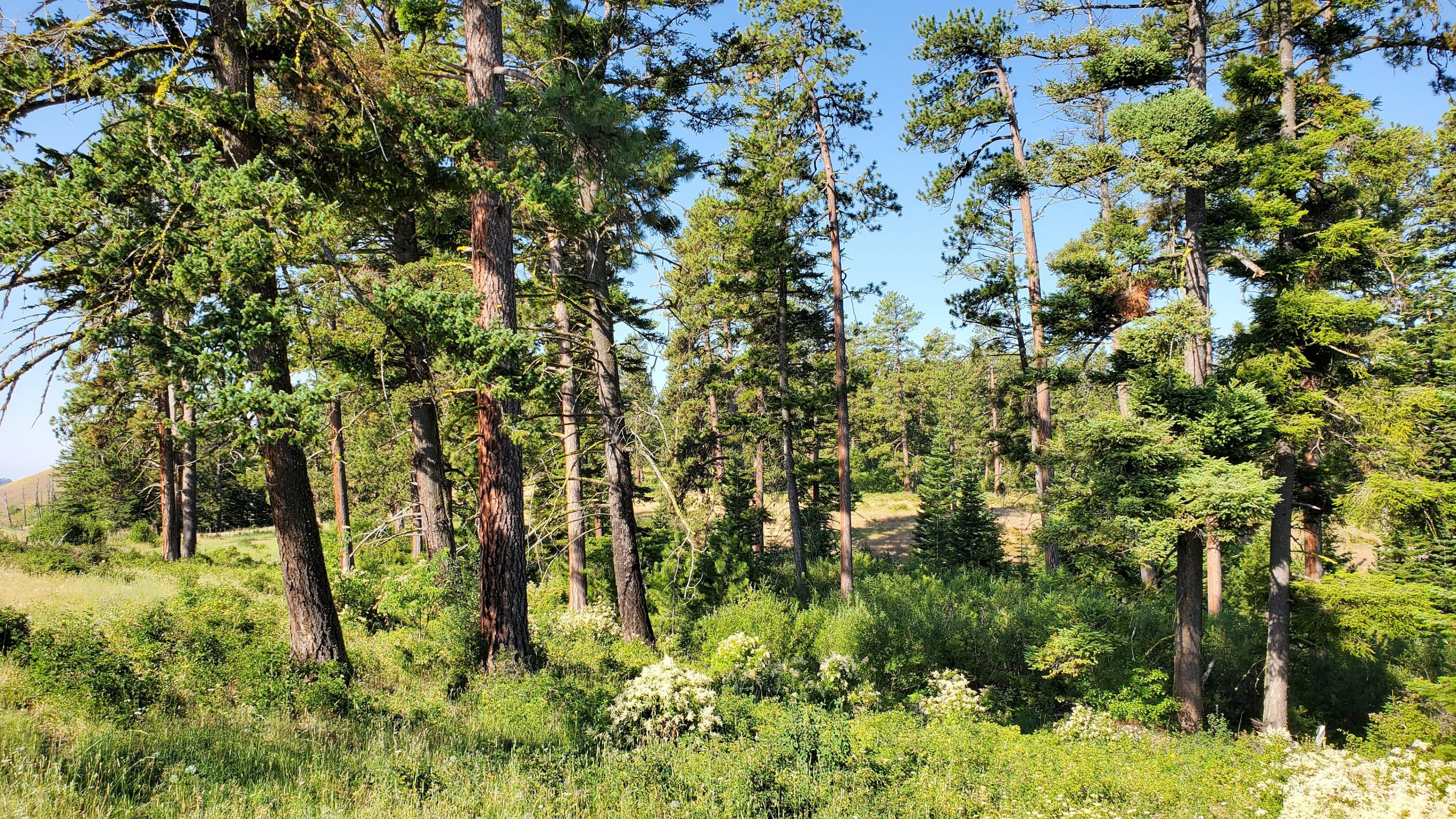
The study highlights the importance of protecting existing large trees and strengthening the 21-inch rule so that additional carbon is accumulated as 21-30″ diameter trees are allowed to continue to grow to their ecological potential, and letting a sufficient number of sub-21 inch trees grow further and become additional large, effective carbon stores.
Dr. Mildrexler argues that this is among the most effective short-term options for stabilizing climate change and providing other valuable ecosystem services:
“Large trees are the cornerstones of diversity and resilience for the entire forest community. They support rich communities of plants, birds, mammals, insects, and micro-organisms, as well as act as giant water towers that tap into groundwater resources and cool our planet through evaporation.”
“There is a real need for monitoring forest condition beyond what the forest service does on their inventory plots, and so local communities can also play their part to provide citizen science data and learn about the living forests on their lands, contributing to community income and mitigating climate change.”
Reference: “Large Trees Dominate Carbon Storage in Forests East of the Cascade Crest in the United States Pacific Northwest” by David J. Mildrexler, Logan T. Berner, Beverly E. Law, Richard A. Birdsey and William R. Moomaw, 5 November 2020, Frontiers in Forests and Global Change.
DOI: 10.3389/ffgc.2020.594274
Never miss a breakthrough: Join the SciTechDaily newsletter.
Follow us on Google and Google News.