
Close Menu
    Facebook X (Twitter) Instagram
    SciTechDaily
    • Biology
    • Chemistry
    • Earth
    • Health
    • Physics
    • Science
    • Space
    • Technology
    Facebook X (Twitter) Pinterest YouTube RSS
    SciTechDaily
    Home»Technology»Laser Mini-Magnets Could Enable 100x Boost to Cloud Data Speeds
    Technology

    Laser Mini-Magnets Could Enable 100x Boost to Cloud Data Speeds

    By University of EdinburghMarch 4, 2020No Comments3 Mins Read
    Facebook Twitter Pinterest Telegram LinkedIn WhatsApp Email Reddit
    Share
    Facebook Twitter LinkedIn Pinterest Telegram Email Reddit
    Magnetic Molecule
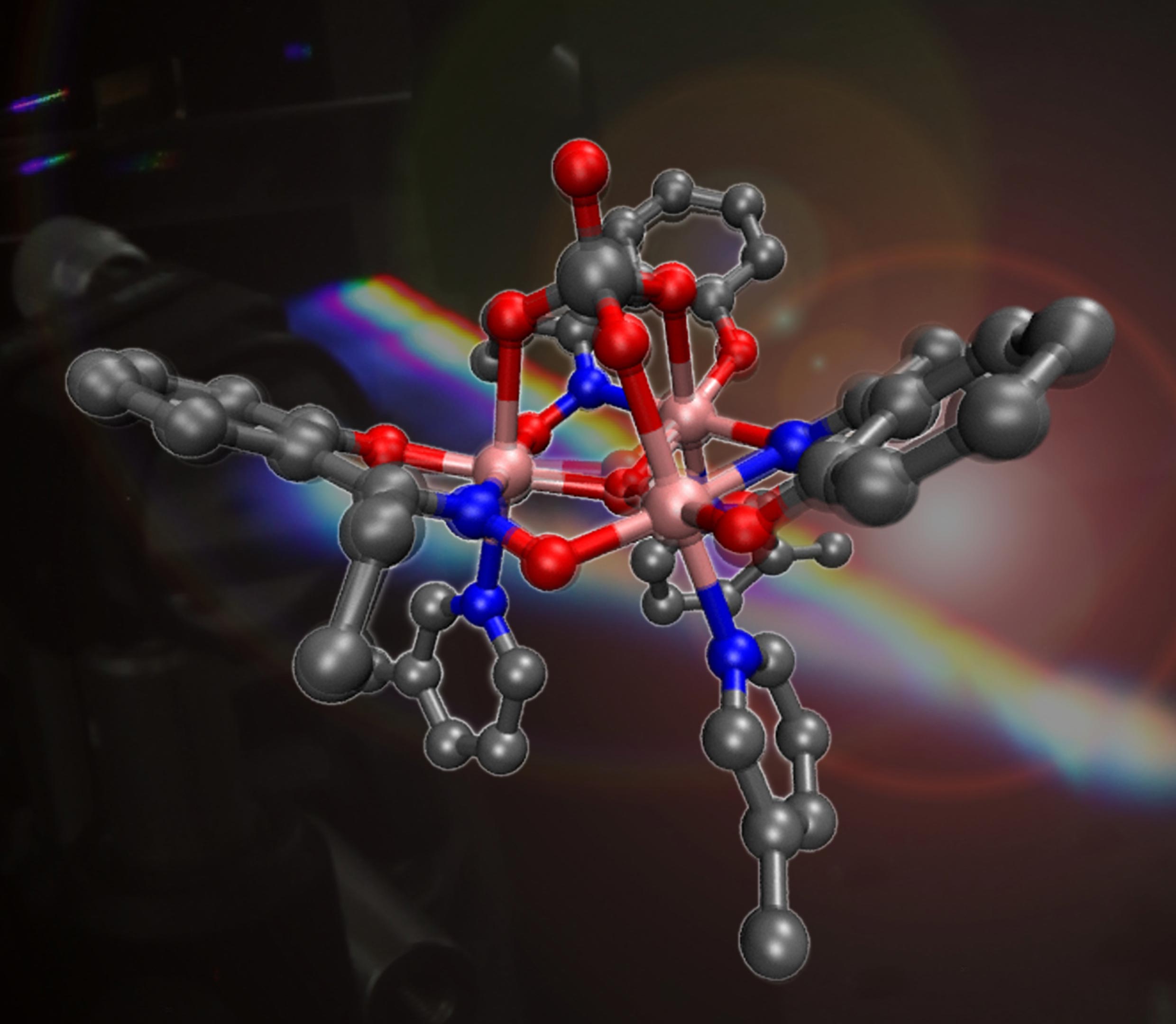
    Model of a single-molecule magnet. Credit: Dr. Olof Johansson

    Tiny, laser-activated magnets could enable cloud computing systems to process data up to 100 times faster than current technologies, a study suggests.

    Chemists have studied a new magnetic material that could boost the storage capacity and processing speed of hard drives used in cloud-based servers.

    This could enable people using cloud data systems to load large files in seconds instead of minutes, researchers say.

    A team led by scientists from the University of Edinburgh created the material — known as a single-molecule magnet — in the lab.

    They discovered that a chemical bond that gives the compound its magnetic properties can be controlled by shining rapid pulses from a laser on it. The compound is composed mainly of the element manganese, which is named after the Latin word magnes, which means magnet.

    Their findings suggest that data could be stored and accessed on the magnets using laser pulses lasting one-millionth of a billionth of a second. They estimate this could enable hard drives fitted with the magnets to process data up to 100 times faster than current technologies.

    The development could also improve the energy efficiency of cloud computing systems, the team says, which collectively emit as much carbon as the aviation industry.

    Existing hard drives store data using a magnetic field generated by passing an electric current through a wire, which generates a lot of heat, researchers say. Replacing this with a laser-activated mechanism would be more energy-efficient as it does not produce heat.

    Dr. Olof Johansson, of the University of Edinburgh’s School of Chemistry, who led the study, said: “There is an ever-increasing need to develop new ways of improving data storage devices. Our findings could increase the capacity and energy efficiency of hard drives used in cloud-based storage servers, which require tremendous amounts of power to operate and keep cool. This work could help scientists develop the next generation of data storage devices.”

    Reference: “Vibrational coherences in manganese single-molecule magnets after ultrafast photoexcitation” by Florian Liedy, Julien Eng, Robbie McNab, Ross Inglis, Thomas J. Penfold, Euan K. Brechin and J. Olof Johansson, 2 March 2020, Nature Chemistry.
    DOI: 10.1038/s41557-020-0431-6

    The study, published on March 2 in the journal Nature Chemistry, also involved researchers from Newcastle University. It was funded by the Royal Society of Edinburgh, the Carnegie Trust and the Engineering and Physical Sciences Research Council.

    Never miss a breakthrough: Join the SciTechDaily newsletter.
    Follow us on Google and Google News.

    Computer Science Internet Magnetic Materials Science University of Edinburgh
    Share. Facebook Twitter Pinterest LinkedIn Email Reddit

    Related Articles

    Gallium Nitride Electronics Poised to Drastically Cut Energy Usage

    New Breakthrough May Lead to Instant-Start Computers

    Valleytronics Help Researchers Move Toward a New Kind of 2D Microchip

    Engineers Build a Carbon Nanotube Computer

    Researchers Use Graphene in Photodetectors

    Researchers Develop One-Kilobit Memory Chips Based on Silicon Oxide

    2D Molybdenum Disulfide Shows Potential as Platform for Electronic Devices

    Self-Assembling Polymer Molecules Create Complex Microchip Structures

    New Algorithm Enables Wi-Fi Connected Vehicles to Share Data

    Leave A Reply Cancel Reply

    • Facebook
    • Twitter
    • Pinterest
    • YouTube

    Don't Miss a Discovery

    Subscribe for the Latest in Science & Tech!

    Trending News

    The Universe Is Expanding Too Fast and Scientists Can’t Explain Why

    “Like Liquid Metal”: Scientists Create Strange Shape-Shifting Material

    Early Warning Signals of Esophageal Cancer May Be Hiding in Plain Sight

    Common Blood Pressure Drug Shows Surprising Power Against Deadly Antibiotic-Resistant Superbug

    Scientists Uncover Dangerous Connection Between Serotonin and Heart Valve Disease

    Scientists Discover a “Protector” Protein That Could Help Reverse Hair Loss

    Bone-Strengthening Discovery Could Reverse Osteoporosis

    Scientists Uncover Hidden Trigger Behind Stem Cell Aging

    Follow SciTechDaily
    • Facebook
    • Twitter
    • YouTube
    • Pinterest
    • Newsletter
    • RSS
    SciTech News
    • Biology News
    • Chemistry News
    • Earth News
    • Health News
    • Physics News
    • Science News
    • Space News
    • Technology News
    Recent Posts
    • A Common Diabetes Drug May Hold the Key to Stopping HIV From Coming Back
    • Ancient “Syphilis-Like” Disease in Vietnam Challenges Key Scientific Assumptions
    • Drinking Alcohol To Cope in Your 20s Could Damage Your Brain for Life
    • Scientists Crack Alfalfa’s Chromosome Mystery After Decades of Debate
    • Ancient Ant-Plant Alliance Collapses As Predatory Wasps Move In
    Copyright © 1998 - 2026 SciTechDaily. All Rights Reserved.
    • Science News
    • About
    • Contact
    • Editorial Board
    • Privacy Policy
    • Terms of Use

    Type above and press Enter to search. Press Esc to cancel.