
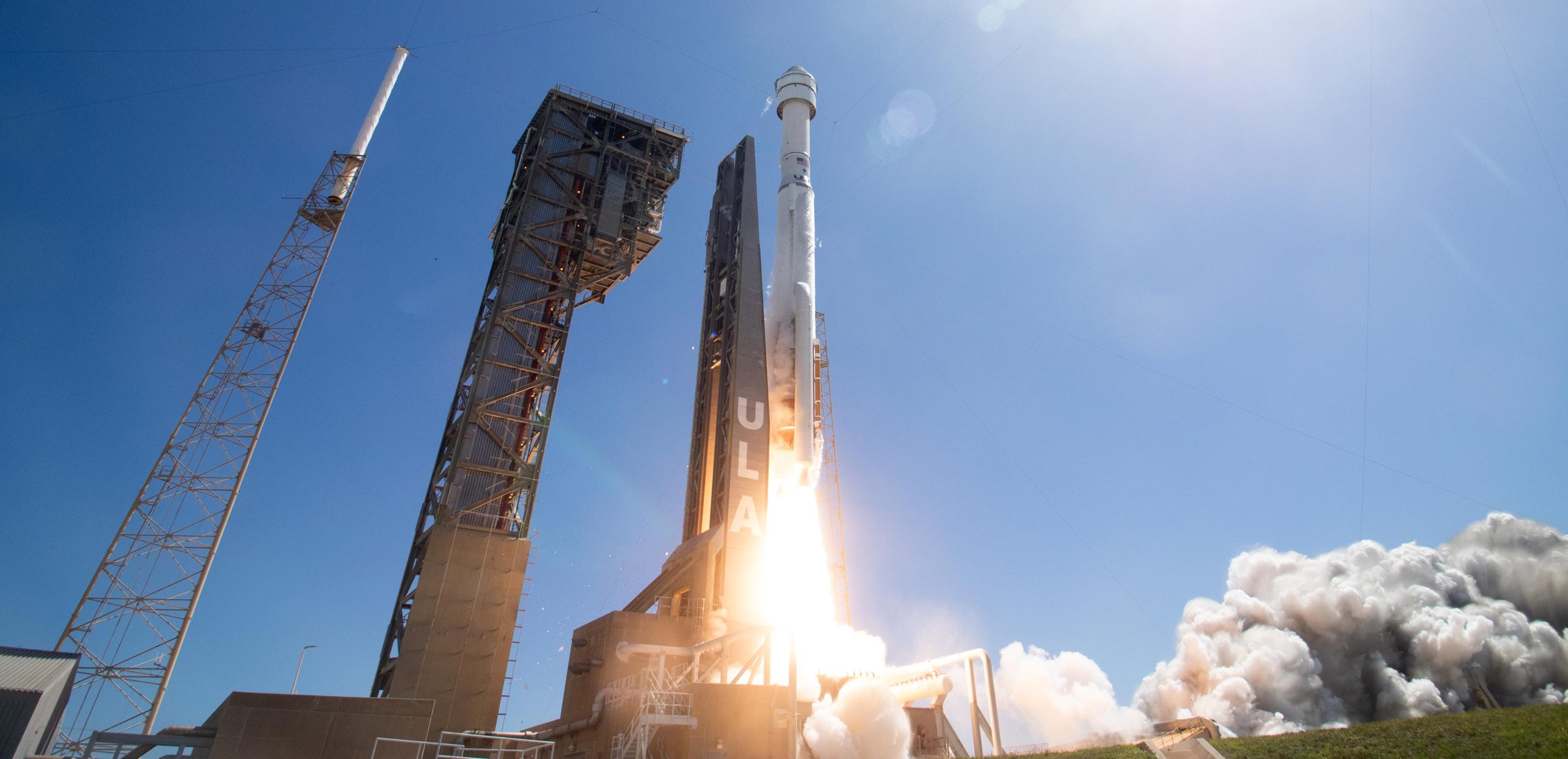
NASA astronauts Butch Wilmore and Suni Williams are orbiting aboard Boeing’s Starliner on its inaugural crewed flight to the ISS, where they will conduct system tests and participate in public outreach, underlining NASA’s commitment to commercial space partnerships.
NASA astronauts Butch Wilmore and Suni Williams are safely in orbit on the first crewed flight test aboard Boeing’s Starliner spacecraft bound for the International Space Station (ISS).
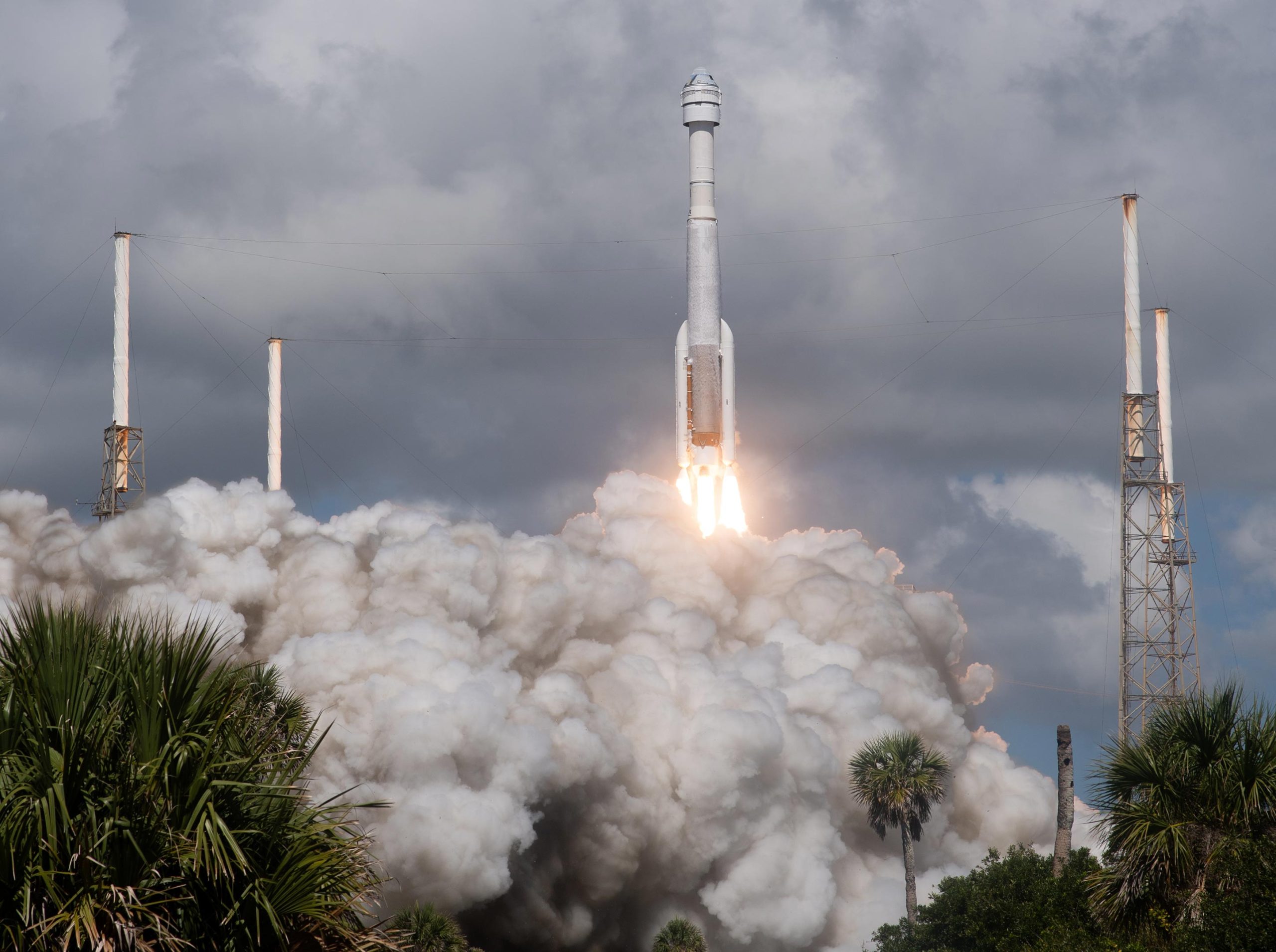
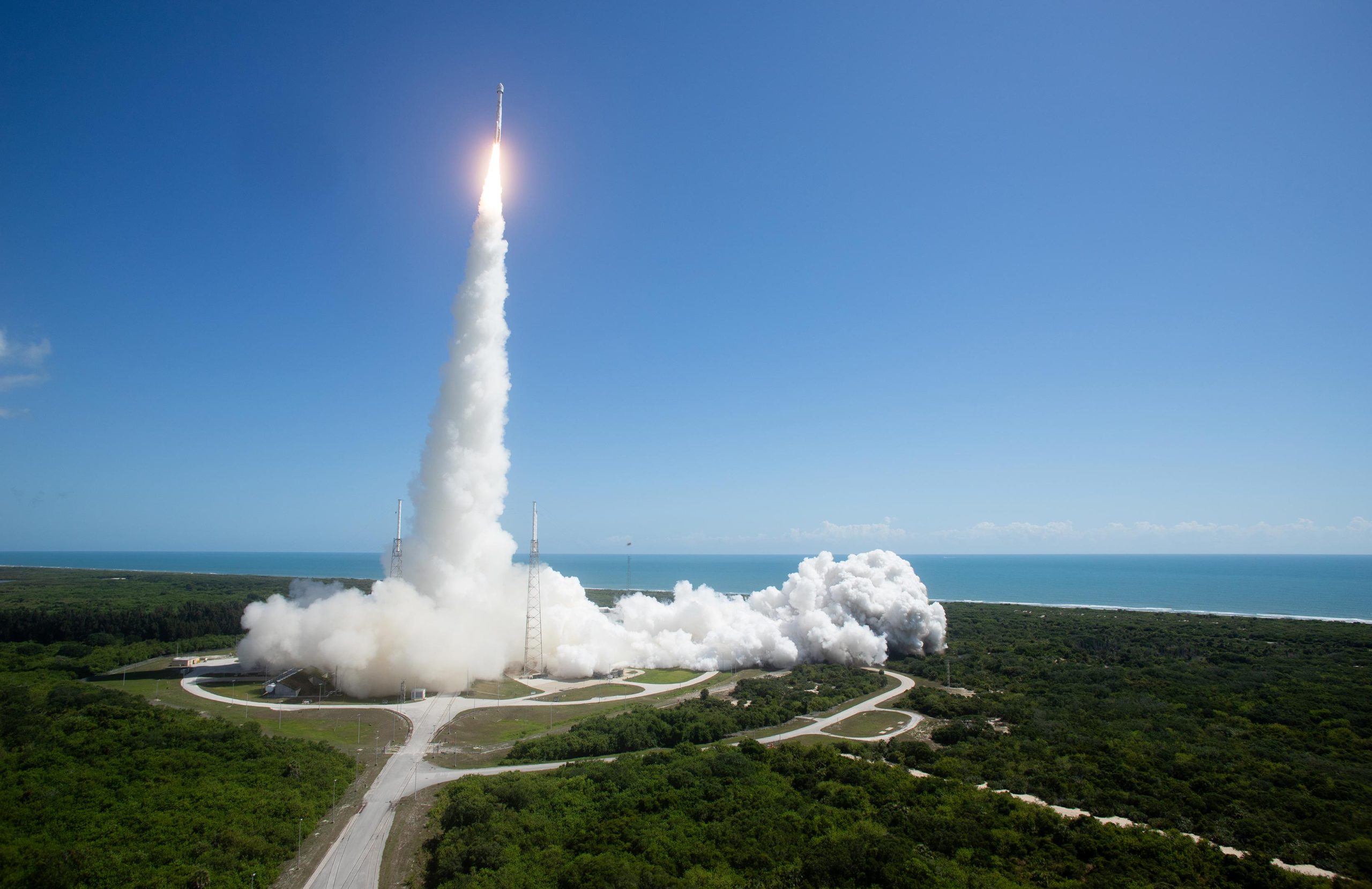
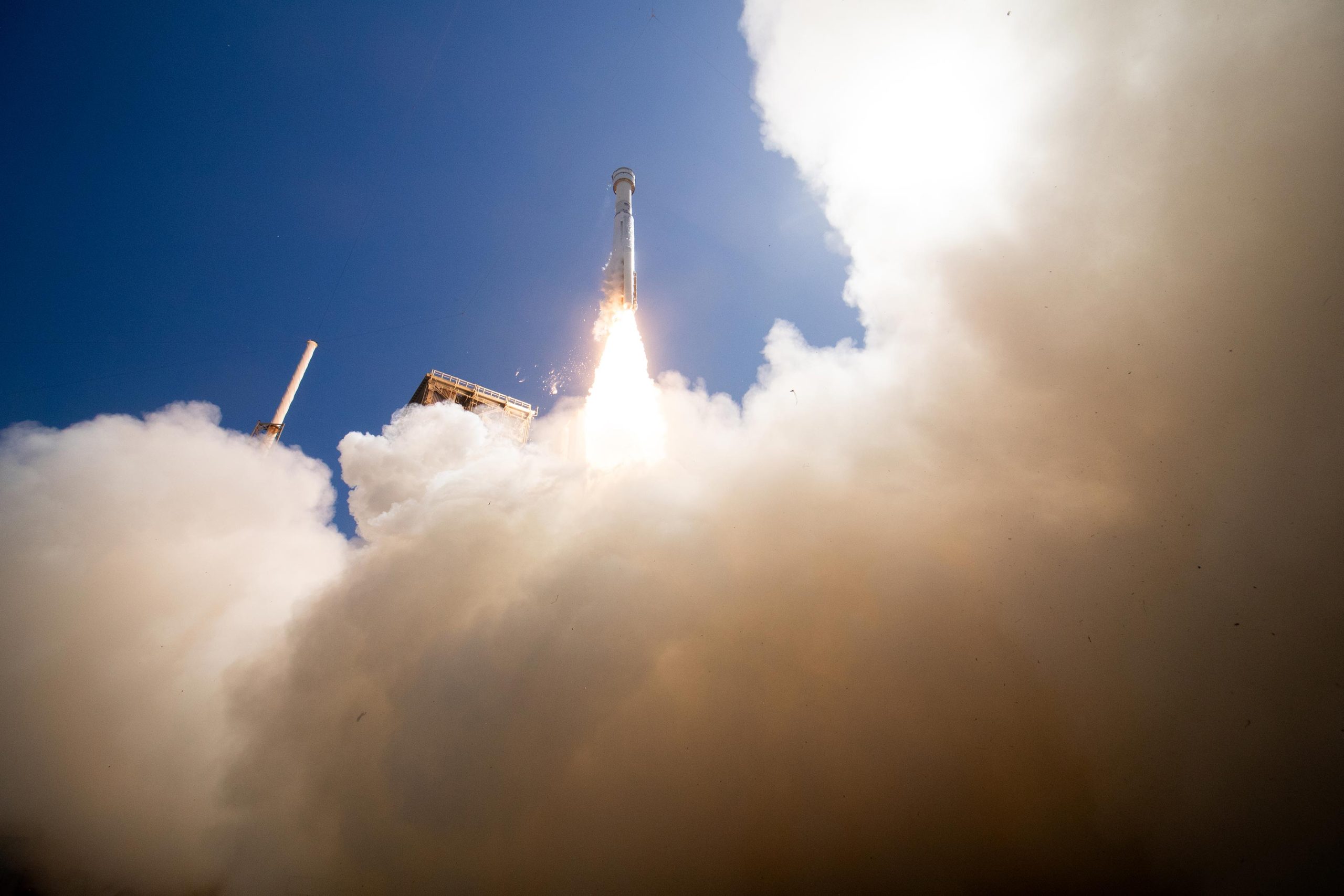
As part of NASA’s Boeing Crew Flight Test, the astronauts lifted off at 10:52 a.m. EDT on Wednesday on a ULA (United Launch Alliance) Atlas V rocket from Space Launch Complex-41 at Cape Canaveral Space Force Station in Florida on an end-to-end test of the Starliner system.
Historic Firsts and NASA’s Commitments
“Two bold NASA astronauts are well on their way on this historic first test flight of a brand-new spacecraft,” said NASA Administrator Bill Nelson. “Boeing’s Starliner marks a new chapter of American exploration. Human spaceflight is a daring task – but that’s why it’s worth doing. It’s an exciting time for NASA, our commercial partners, and the future of exploration. Go Starliner, Go Butch and Suni!”
As part of NASA’s Commercial Crew Program, the flight test will help validate the transportation system, launch pad, rocket, spacecraft, in-orbit operations capabilities, and return to Earth with astronauts aboard as the agency prepares to certify Starliner for rotational missions to the space station. Starliner previously flew two uncrewed orbital flights, including a test to and from the space station, along with a pad abort demonstration.
Tracking the Mission: From Launch to Docking
“With Starliner’s launch, separation from the rocket, and arrival on orbit, Boeing’s Crew Flight Test is right on track,” said Mark Nappi, vice president and program manager of Boeing’s Commercial Crew Program. “Everyone is focused on giving Suni and Butch a safe, comfortable, ride and performing a successful test mission from start to finish.”
During Starliner’s flight, Boeing will monitor a series of automatic spacecraft maneuvers from its mission control center in Houston. NASA teams will monitor space station operations throughout the flight from the Mission Control Center at the agency’s Johnson Space Center in Houston.
A Milestone for Crewed Space Missions
“Flying crew on Starliner represents over a decade of work by the Commercial Crew Program and our partners at Boeing and ULA,” said Steve Stich, manager, Commercial Crew Program, at NASA’s Johnson Space Center in Houston. “For many of us, this is a career-defining moment bringing on a new crew transportation capability for our agency and our nation. We are going to take it one step at a time, putting Starliner through its paces, and remaining vigilant until Butch and Suni safely touch down back on Earth at the conclusion of this test flight.”
Starliner will autonomously dock to the forward-facing port of the International Space Station’s Harmony module at approximately 12:15 p.m. Thursday, June 6, and remain at the orbital laboratory for about a week.
Astronauts’ Role and Space Station Integration
Wilmore and Williams will help verify the spacecraft is performing as intended by testing the environmental control system, the displays and control system, and by maneuvering the thrusters, among other tests during flight.
After a safe arrival at the space station, Wilmore and Williams will join the Expedition 71 crew of NASA astronauts Michael Barratt, Matt Dominick, Tracy C. Dyson, and Jeanette Epps, and Roscosmos cosmonauts Nikolai Chub, Alexander Grebenkin, and Oleg Kononenko.
Extensive Media Coverage and Public Engagement
NASA’s arrival and in-flight event coverage is as follows (all times Eastern and subject to change based on real-time operations):
Mission coverage will continue on NASA Television channels throughout Starliner’s flight and resume on NASA+ prior to docking.
Thursday, June 6
9:30 a.m. – Arrival coverage begins on NASA+, the NASA app, and YouTube, and continues on NASA Television and the agency’s website.
12:15 p.m. – Targeted docking
2 p.m. – Hatch opening
2:20 p.m. – Welcome remarks
3:30 p.m. – Post-docking news conference at NASA Johnson with the following participants:
- NASA Associate Administrator Jim Free
- Steve Stich, manager, NASA’s Commercial Crew Program
- Jeff Arend, manager for systems engineering and integration, NASA’s International Space Station Office
- Mark Nappi, vice president and program manager, Commercial Crew Program, Boeing
Coverage of the post-docking news conference will air live on NASA+, NASA Television, the NASA app, YouTube, and the agency’s website.
5:50 p.m. – NASA Administrator Bill Nelson, Deputy Administrator Pam Melroy, Associate Administrator Jim Free, Associate Administrator for Space Operations Ken Bowersox, and Johnson Space Center Director Vanessa Wyche will speak with Wilmore and Williams about their launch aboard the Starliner spacecraft.
Coverage of the Earth to space call will air live on NASA+, NASA Television, the NASA app, YouTube, and the agency’s website.
Saturday, June 8
8:50 a.m. – NASA astronauts Wilmore and Williams will provide a tour of Starliner.
Coverage of the in-orbit event will stream live on NASA+, NASA Television, the NASA app, YouTube, and the agency’s website.
Monday, June 10
11 a.m. – Williams will speak to students from Sunita L. Williams Elementary School in Needham, Massachusetts, in an event aboard the space station.
Coverage of the Earth to space call will air live on NASA+, NASA Television, the NASA app, YouTube, and the agency’s website.
Tuesday, June 11
3:15 p.m. – Wilmore will speak to students from Tennessee Tech University in an event aboard the space station.
Coverage of the Earth to space call will air live on NASA+, NASA Television, the NASA app, YouTube, and the agency’s website.
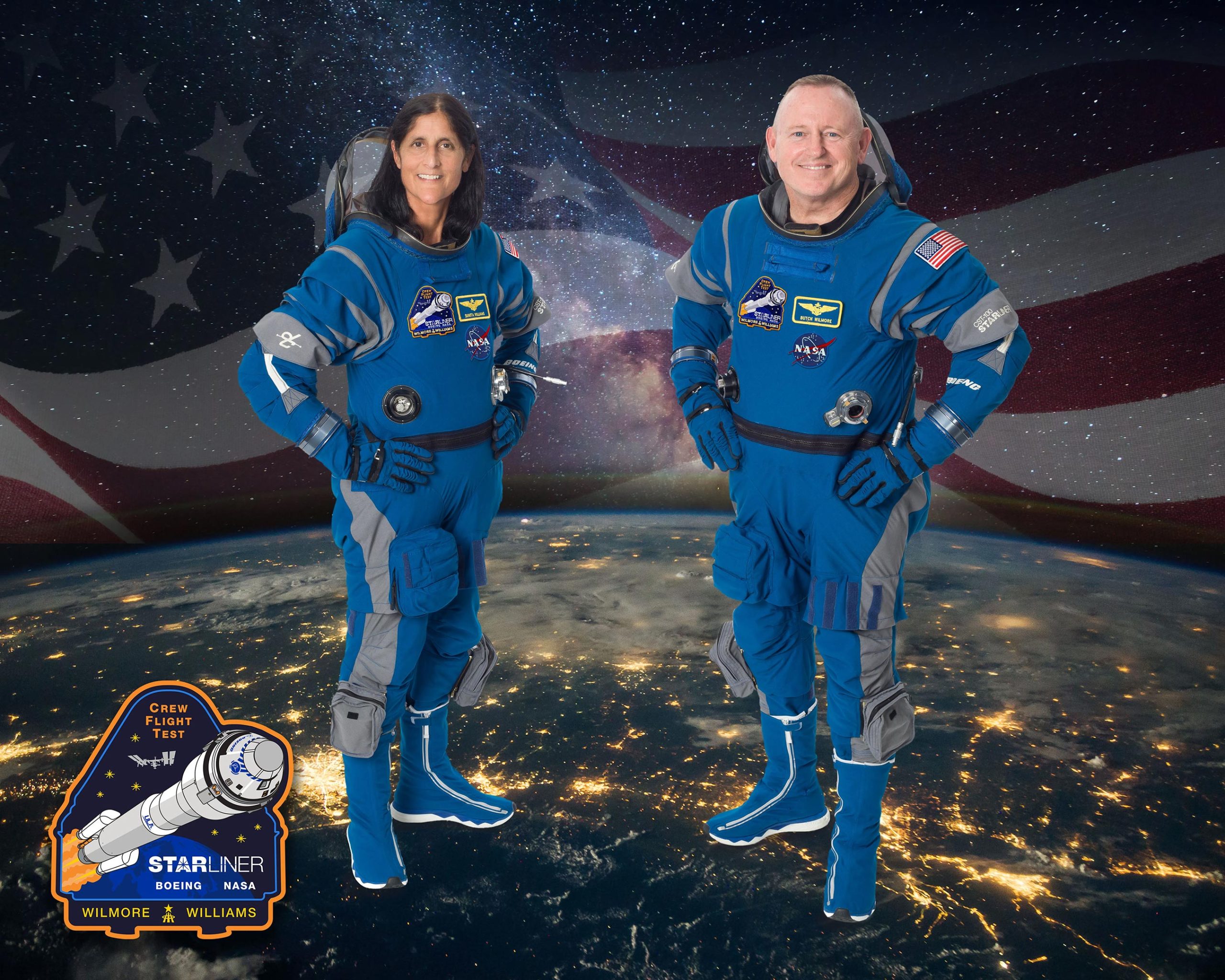
Meet NASA’s Experienced Crew
Wilmore is the commander for the mission. A veteran of two spaceflights, Wilmore has 178 days in space under his belt. In 2009, he served as a pilot aboard space shuttle Atlantis for the STS-129 mission. Additionally, Wilmore served as a flight engineer for Expedition 41 until November 2014, when he assumed command of the space station after arrival of the Expedition 42 crew. He returned to Earth the following March. Prior to his selection by NASA in 2000, the father of two obtained both his bachelor’s degree and master’s degree in Electrical Engineering from Tennessee Technological University, Cookeville, before graduating with another master’s degree in Aviation Systems from the University of Tennessee, Knoxville. He is also a graduate of the United States Naval Test Pilot School, Patuxent River, Maryland, and has completed four operational deployments during his tenure as a fleet naval officer and aviator.
Williams is the spacecraft pilot for the flight test. Williams has spent 322 days in space across two missions: Expedition 14/15 in 2006 through 2007, and Expedition 32/33 in 2012. The Massachusetts native also conducted seven spacewalks, totaling 50 hours and 40 minutes. Before her career began with NASA in 1998, Williams graduated with her bachelor’s degree in Physical Science from the U.S. Naval Academy, Annapolis, Maryland, before obtaining her master’s degree in Engineering Management from the Florida Institute of Technology, Melbourne. In total, she has logged more than 3,000 flight hours in over 30 different aircraft.
NASA’s Commercial Crew Program has delivered on its goal of safe, reliable, and cost-effective transportation to and from the International Space Station from the United States through a partnership with American private industry. This partnership is changing the arc of human spaceflight history by opening access to low Earth orbit and the space station to more people, science, and commercial opportunities. The space station remains the springboard to NASA’s next great leap in space exploration, including future missions to the Moon under Artemis and, eventually, Mars.
Never miss a breakthrough: Join the SciTechDaily newsletter.
Follow us on Google and Google News.
1 Comment
Not ONE mention about the successful Starship launch. Biased much?