
Close Menu
    Facebook X (Twitter) Instagram
    SciTechDaily
    • Biology
    • Chemistry
    • Earth
    • Health
    • Physics
    • Science
    • Space
    • Technology
    Facebook X (Twitter) Pinterest YouTube RSS
    SciTechDaily
    Home»Biology»Long-Term Heat Therapy Increases Mitochondrial Function in Muscles
    Biology

    Long-Term Heat Therapy Increases Mitochondrial Function in Muscles

    By APS Communications OfficeJuly 31, 2018No Comments3 Mins Read
    Facebook Twitter Pinterest Telegram LinkedIn WhatsApp Email Reddit
    Share
    Facebook Twitter LinkedIn Pinterest Telegram Email Reddit
    Heat Boosts Mitochondrial Function
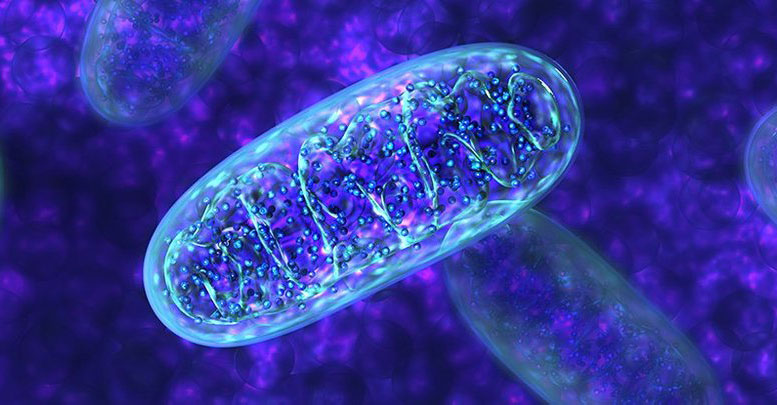
    Mitochondria, the “energy centers” of cells, are critical for good health. According to a new study, long-term heat treatment may improve mitochondrial function in the muscles.

    A new study finds that long-term heat therapy may increase mitochondrial function in the muscles. The discovery could lead to new treatments for people with chronic illnesses or diseases. The study–the first of its kind in humans–is published ahead of print in the Journal of Applied Physiology.

    Mitochondria, the “energy centers” of the cells, are essential for maintaining good health. A decrease in the number or function of mitochondria may contribute to chronic and potentially serious conditions such as heart disease, chronic obstructive pulmonary disease, and type 2 diabetes. Exercise has been shown to create new mitochondria and improve the function of existing mitochondria. However, some people with chronic illnesses are not able to exercise long enough–previous research suggests close to two hours daily–to reap the benefits. Rodent studies have suggested that heat exposure may also induce the production of more mitochondria.

    Researchers from Brigham Young University in Utah studied 20 adult volunteers who had not participated in regular exercise in the three months prior to the study. The research team applied two hours of shortwave diathermy–a type of heat therapy generated by electrical pulses–to the thigh muscles of one leg of each person every day. The researchers based the six-day trial of heat on the minimum amount of exercise needed to measure changes in muscle, or about two hours each day. They designed the treatment to mimic the effects of muscle heating that occurs during exercise. The therapy sessions increased the temperature of the heated leg by approximately 7 degrees F. Each participant’s other leg served as a control, receiving no heat therapy or temperature change. The researchers looked at mitochondria content in the muscles on the first day of therapy and 24 hours after the last treatment.

    Mitochondrial function increased by an average of 28 percent in the heated legs after the heat treatment. The concentration of several mitochondrial proteins also increased in the heated legs, which suggests that “in addition to improving function, [repeated exposure to heat] increased mitochondrial content in human skeletal muscle,” the research team wrote.

    “Our data provide evidence to support further research into the mechanisms of heat-induced mitochondrial adaptations,” the researchers explained. People who are not able to exercise for long periods of time due to their health may benefit from [heat] treatments.

    Reference: “Repeated exposure to heat stress induces mitochondrial adaptation in human skeletal muscle” by Paul S. Hafen, Coray N. Preece, Jacob R. Sorensen, Chad R. Hancock and Robert D. Hyldahl, 16 July 2018,  Applied Physiology.
    DOI: 10.1152/japplphysiol.00383.2018

    Never miss a breakthrough: Join the SciTechDaily newsletter.
    Follow us on Google and Google News.

    Exercise Fitness Mitochondria Muscle Physiology
    Share. Facebook Twitter Pinterest LinkedIn Email Reddit

    Related Articles

    Human Anatomy Surprise: New Muscle Layer Discovered in the Jaw

    Rapid New Mechanism for Muscle Self-Repair Independent of Stem Cells

    New Mechanism Discovered for Muscle Regeneration

    Biophysics Researchers Create Mathematical Model That Predicts Best Way To Build Muscle

    An Easy Way to Improve Exercise Performance: Dab on Deep Heat Cream

    Four-Second Cycling Sprints: 10 Minutes Is All You Need for This High-Intensity Workout

    From Vitamin C to Spinach: Researching Ways to Protect Astronaut Cardiovascular Health From Space Radiation

    New Study Shows Dehydration Alters Human Brain Shape and Activity

    New Stem Cell Research May Result in Medication to Build Stronger Muscles

    Leave A Reply Cancel Reply

    • Facebook
    • Twitter
    • Pinterest
    • YouTube

    Don't Miss a Discovery

    Subscribe for the Latest in Science & Tech!

    Trending News

    Scientists Warn That This Common Pet Fish Can Wreck Entire Ecosystems

    Scientists Make Breakthrough in Turning Plastic Trash Into Clean Fuel Using Sunlight

    This Popular Supplement May Interfere With Cancer Treatment, Scientists Warn

    Scientists Finally Solved One of Water’s Biggest Mysteries

    Could This New Weight-Loss Pill Disrupt the Entire Market? Here’s What You Should Know About Orforglipron

    Earth’s Crust Is Tearing Open in Africa, and It Could Form a New Ocean

    Breakthrough Bowel Cancer Trial Leaves Patients Cancer-Free for Nearly 3 Years

    Natural Compound Shows Powerful Potential Against Rheumatoid Arthritis

    Follow SciTechDaily
    • Facebook
    • Twitter
    • YouTube
    • Pinterest
    • Newsletter
    • RSS
    SciTech News
    • Biology News
    • Chemistry News
    • Earth News
    • Health News
    • Physics News
    • Science News
    • Space News
    • Technology News
    Recent Posts
    • Ancient Roman Ship Coating Reveals Secrets Hidden for 2,200 Years
    • Enormous Prehistoric Insects Puzzle Scientists
    • College Student Identifies Bizarre New Carnivorous Dinosaur Three Times Older Than T. rex
    • The Most Effective Knee Arthritis Treatments Aren’t What You Expect
    • Scientists Develop Bioengineered Chewing Gum That Could Help Fight Oral Cancer
    Copyright © 1998 - 2026 SciTechDaily. All Rights Reserved.
    • Science News
    • About
    • Contact
    • Editorial Board
    • Privacy Policy
    • Terms of Use

    Type above and press Enter to search. Press Esc to cancel.