
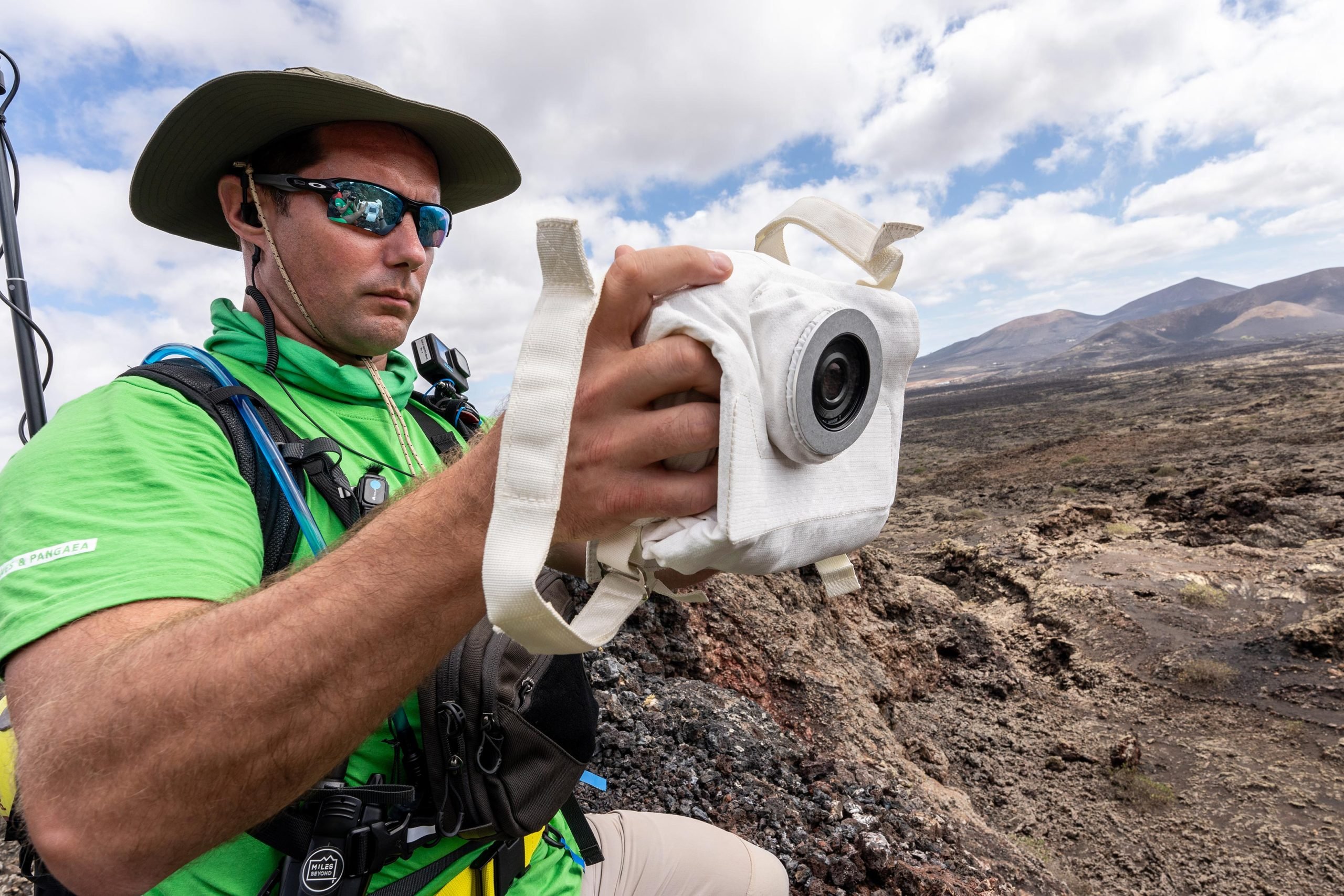
NASA and European partners develop and test a state-of-the-art lunar camera, with ongoing refinements for future international missions.
When astronauts return to the Moon, they will take more pictures of the lunar surface than any humans before. To develop the best camera for the job, European astronauts and scientists are lending a helping hand to NASA’s Artemis imagery team.
The engineers behind the Handheld Universal Lunar Camera (HULC) worked with the European Space Agency (ESA) in the lunar-like landscapes of Lanzarote, Spain, to put the new camera through its paces during the PANGAEA training program.
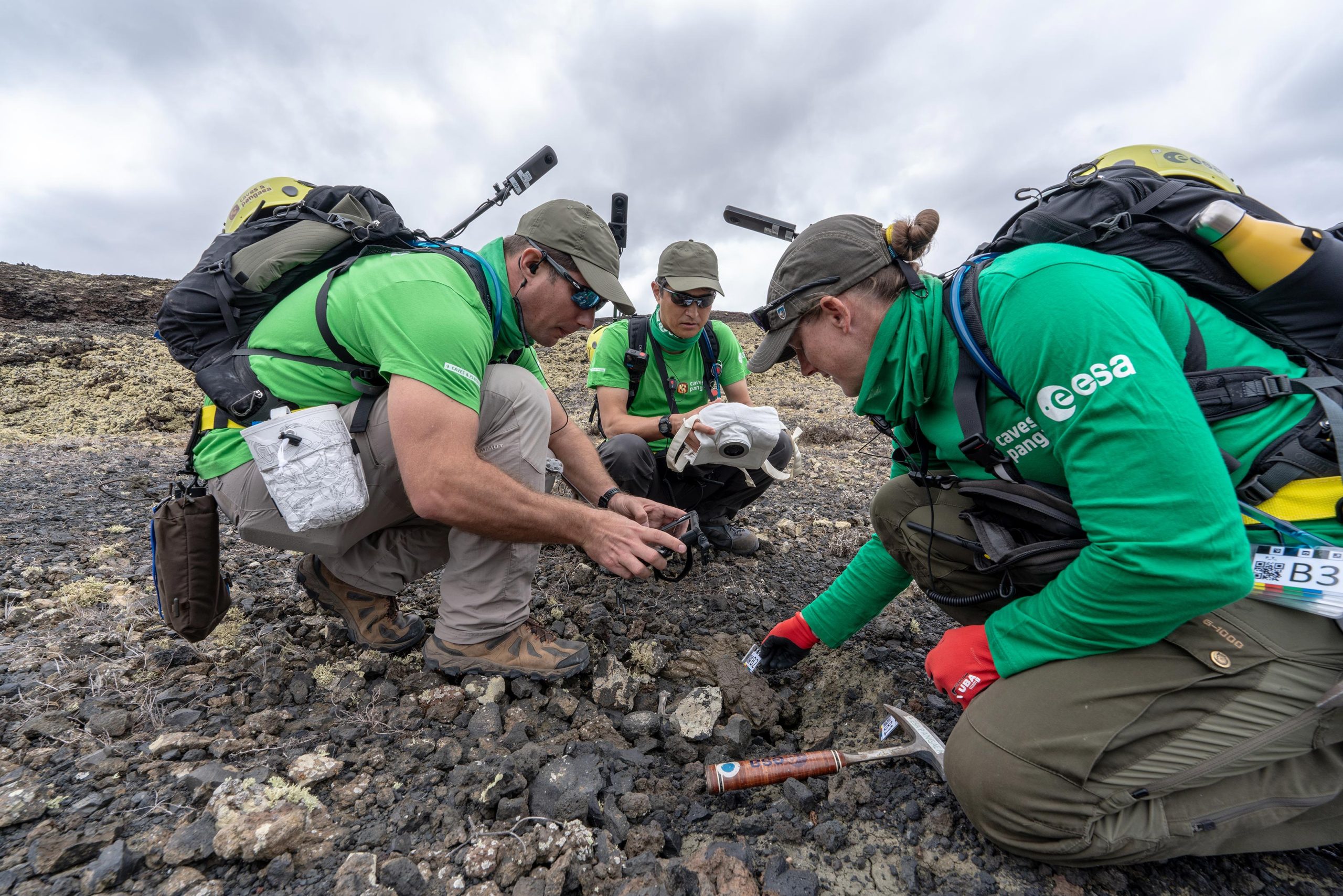
PANGAEA prepares astronauts to become effective field scientists for future missions to the Moon. The program saw an international crew testing the capabilities of the camera in realistic scenarios for geological exploration.
During the geological field trips, astronauts document their exploration work using the ESA Electronic Field Book – a tool that allows PANGAEA’s geology instructors to follow and support the crew from the science room. This year, the science team received live audio and video in real-time.
“Adding the Moon camera allowed the crew to have a realistic taste of lunar surface exploration. It was a great enhancement of their experience, something we’d be happy to repeat in future editions,” says Loredana Bessone, PANGAEA’s Project Lead.
Camera Innovations and Testing
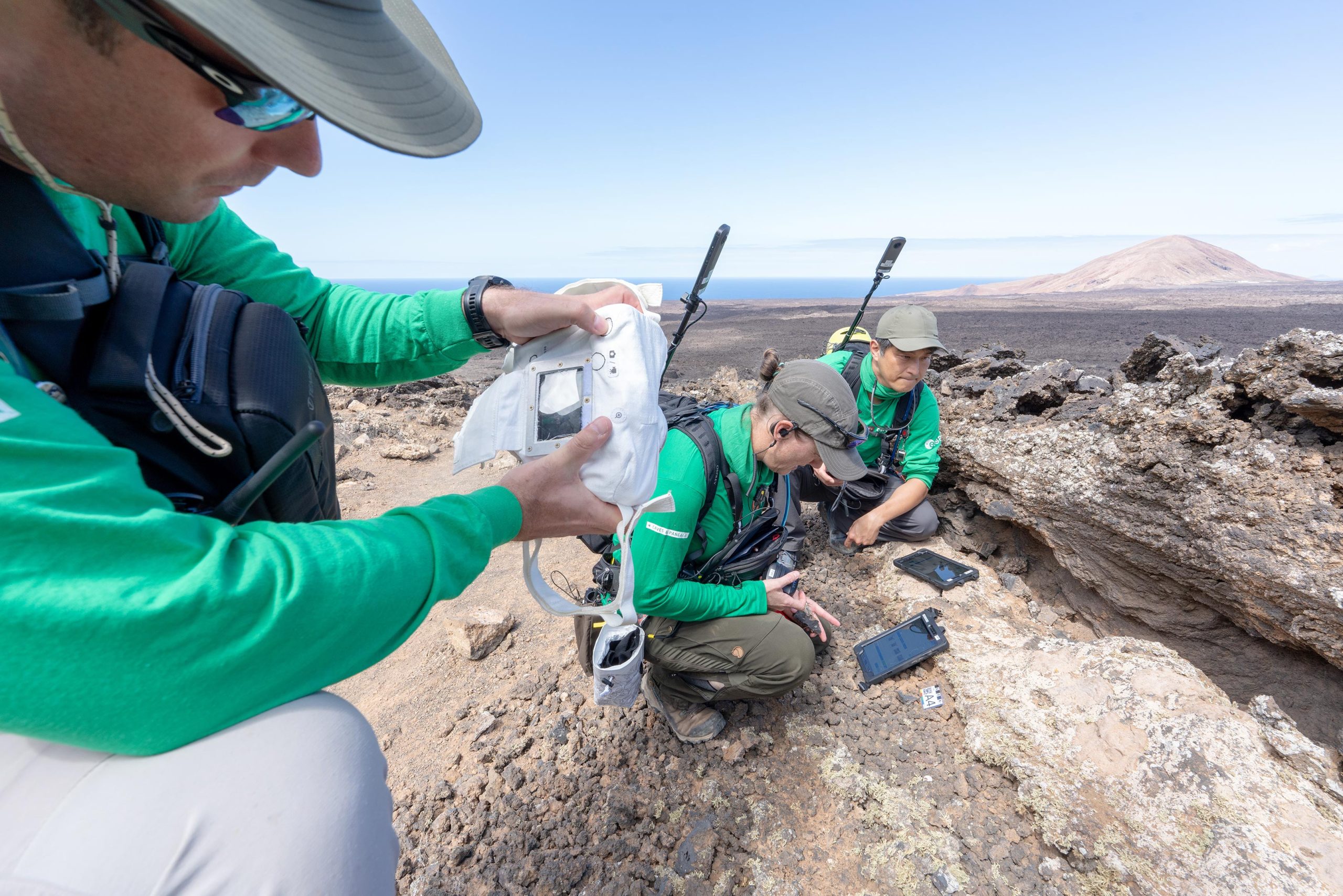
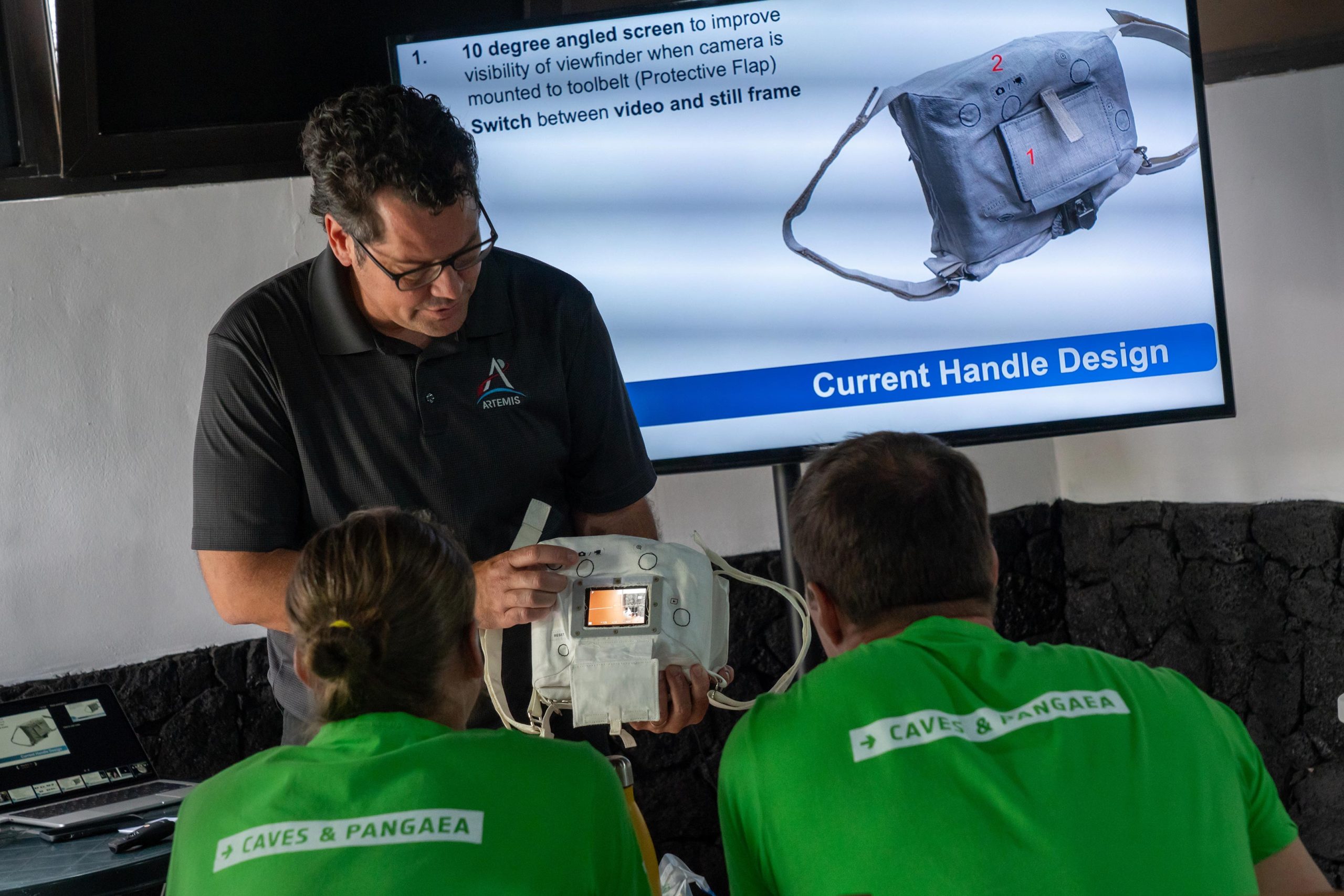
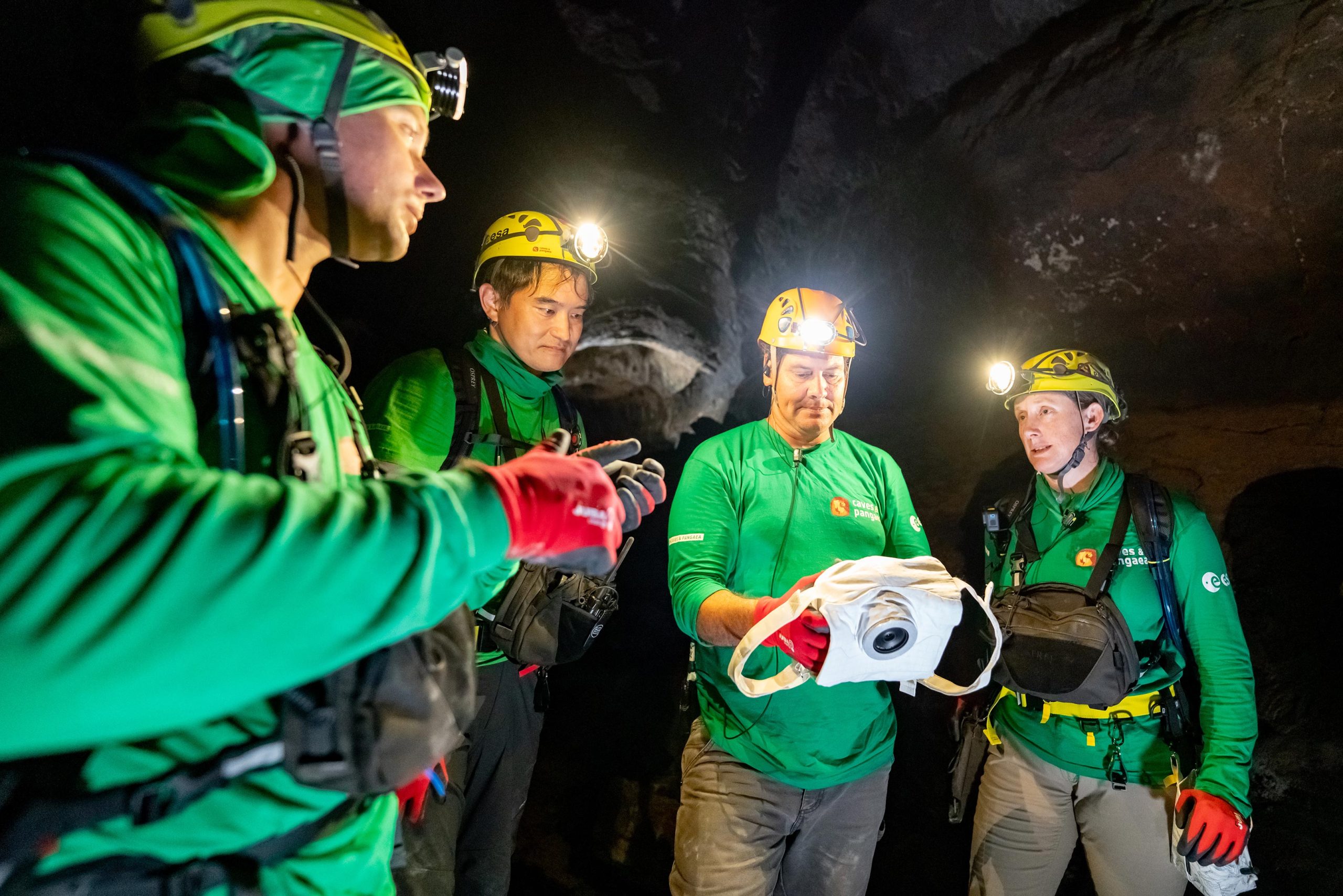
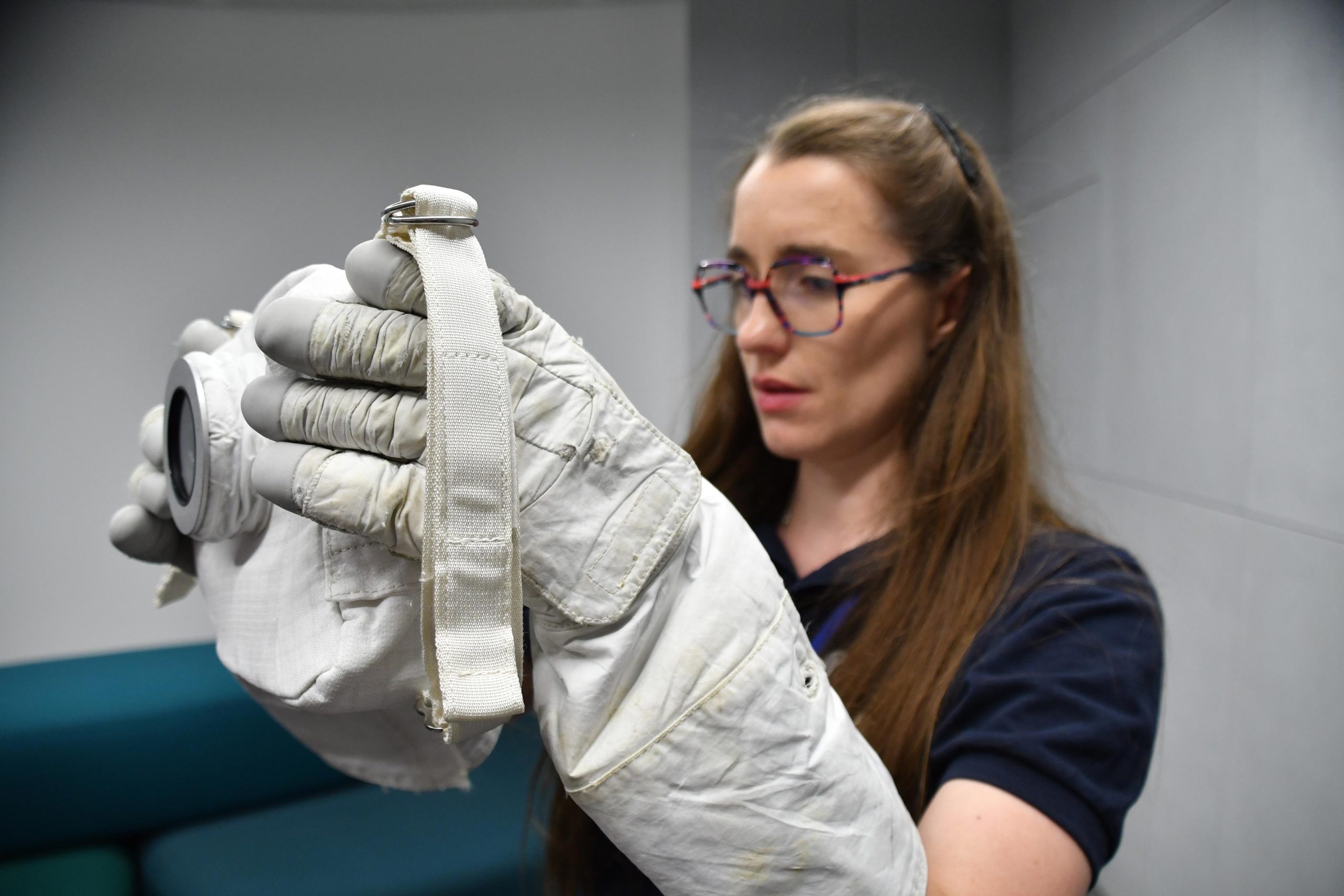
The new lunar camera is built from professional off-the-shelf cameras with great sensitivity to light and state-of-the-art lenses. To prepare it for space, the NASA team made several modifications, including adding a blanket for dust and thermal protection – temperatures range from minus 200 to 120 degrees Celsius on the Moon – as well as a new set of ergonomic buttons for astronauts wearing gloves in bulky spacesuits.
One of the most prolific European photographers in orbit, ESA astronaut Thomas Pesquet, praised the design after using it at PANGAEA. “The engineers have done a really good job reconfiguring the buttons and arranging them in a simple yet reliable protection for the camera,” he says.
Capturing images will be key for documenting scientific discoveries during future Moon missions. One objective during PANGAEA was to select the most suitable lenses.
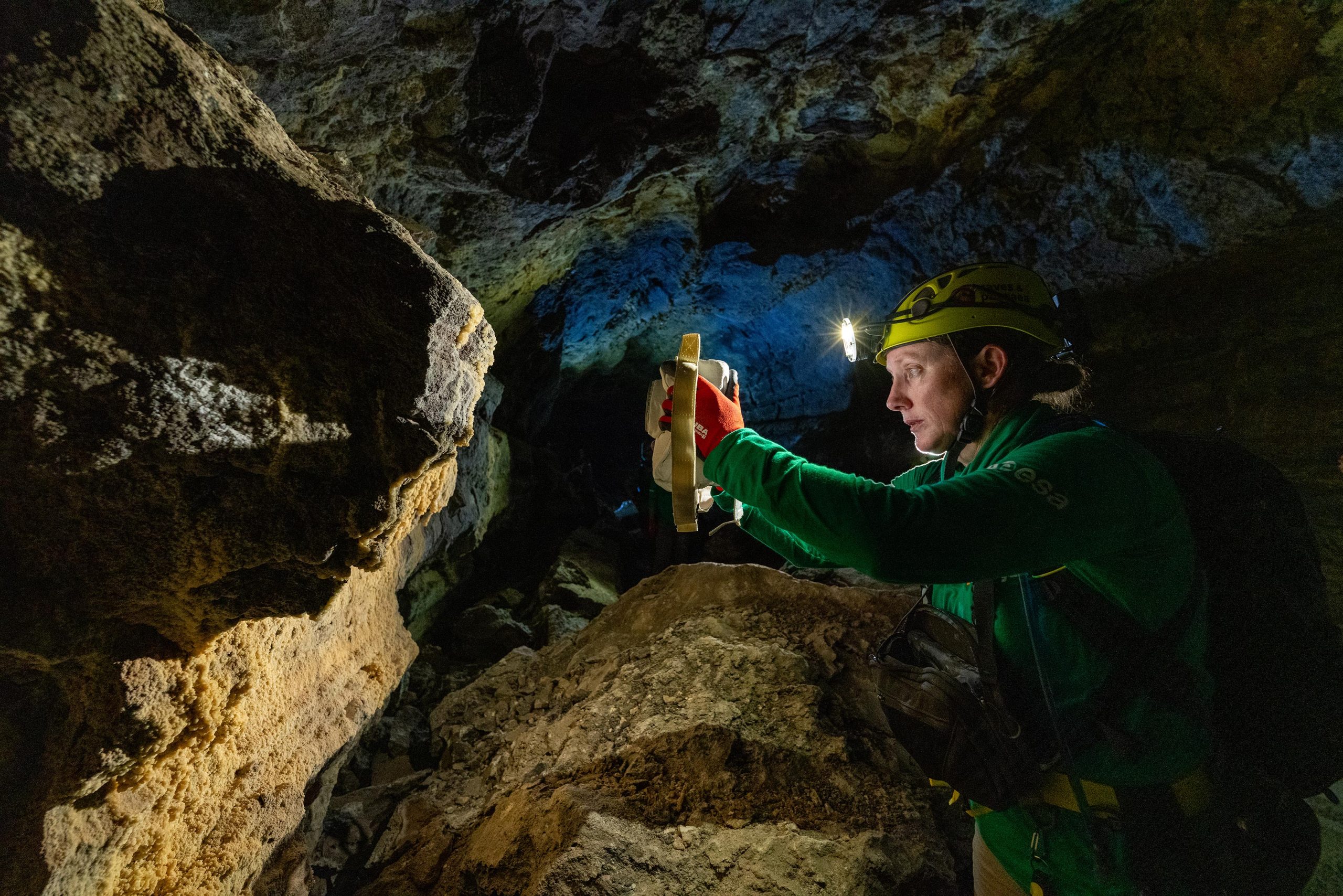
Thomas Pesquet, NASA astronaut candidate Jessica Wittner, and Takuya Onishi from the Japanese space agency used the camera in broad daylight, but also in the darkness of volcanic caves to simulate extreme conditions for lunar photography.
“The lunar camera will be one of many tools they will need to handle on the Moon, so it should be easy to use. The human factor is a big deal for us, because you want the camera to be intuitive and not taxing on the crew,” explains Jeremy Myers, NASA’s lead for the HULC camera.
Together with some of Europe’s best planetary scientists, Jeremy reviewed the quality of the images. “It was very useful to have the geologists’ point of view to make sure the photos had the right resolution, depth of field, and exposure to maximize the science results,” he adds.
Comparing Past and Present
Astronauts of the Apollo 11 mission took iconic images of the Moon with a very different camera – a standalone, mechanical Hasselblad camera with a Harrison Schmidt 60 mm lens. During the entire mission, the astronauts collected 1407 photos from four of these cameras.
The Artemis Moon camera will be the first mirrorless camera for handheld use in space. Mirrorless cameras provide excellent image quality in low light situations, making it well suited to the challenging high contrast environment of the Moon.
The camera will also record videos. Videos can provide situational awareness to the ground teams and help document the exploration of our nearest cosmic neighbor.
Lights, Camera, Action!
Thomas took over 380,000 pictures in space during his two missions to the International Space Station. “I spent a lot of time learning what you can do with the cameras available in orbit. It is not just point-and-shoot. On the Moon, just pressing the buttons in auto mode won’t be good enough,” he explains.
The Artemis III mission will land on the South Pole of the Moon, close to permanently shadowed craters where the crew will look for evidence of water ice. “Conditions for photography will be tricky in many ways, from operating the camera with the gloves on, to very low light levels and big contrast between bright and dark sources,” adds Thomas.
The future moonwalkers will take a variety of shots on the lunar surface, from close-up to panoramic images and videos. Jeremy spent a week with the PANGAEA crew closely following the camera’s performance in the hands of the astronauts.
“We are trying to choose the best lenses for the Moon shots and optimize the settings in a smart way. We want astronauts to be able to take a detailed image of a crystalline structure in a rock and to capture landscapes, all with the right exposure,” explains Jeremy.
Future Testing
While the core of the camera remains the same, the interface and housing keep evolving. One version will fly to the International Space Station for additional testing in the near future.
NASA teams have done extensive testing for the three major challenges of space: thermal, vacuum, and radiation effects. On the Moon, one added challenge will be the abrasive nature of lunar dust. Last year, the camera was part of simulated moonwalk with the JETT 3 mission in Arizona, USA.
Some European astronaut candidates recently had the opportunity to handle the camera during an imagery meeting in the Netherlands, and ESA astronauts Matthias Maurer and Alexander Gerst tested its features at the European Astronaut Centre in Germany.
“We will continue modifying the camera as we move towards the Artemis III lunar landing,” says Jeremy. “I am positive that we will end up with the best product – a camera that will capture Moon pictures for humankind, used by crews from many countries and for many years to come,” he concludes.
Never miss a breakthrough: Join the SciTechDaily newsletter.
Follow us on Google and Google News.
2 Comments
Any word on specifications?
The camera is a Nikon Z 9 with modifications for Lunar conditions. Oddly this article almost painfully avoids mentioning that despite NASA and Nikon issuing statements to that effect.